



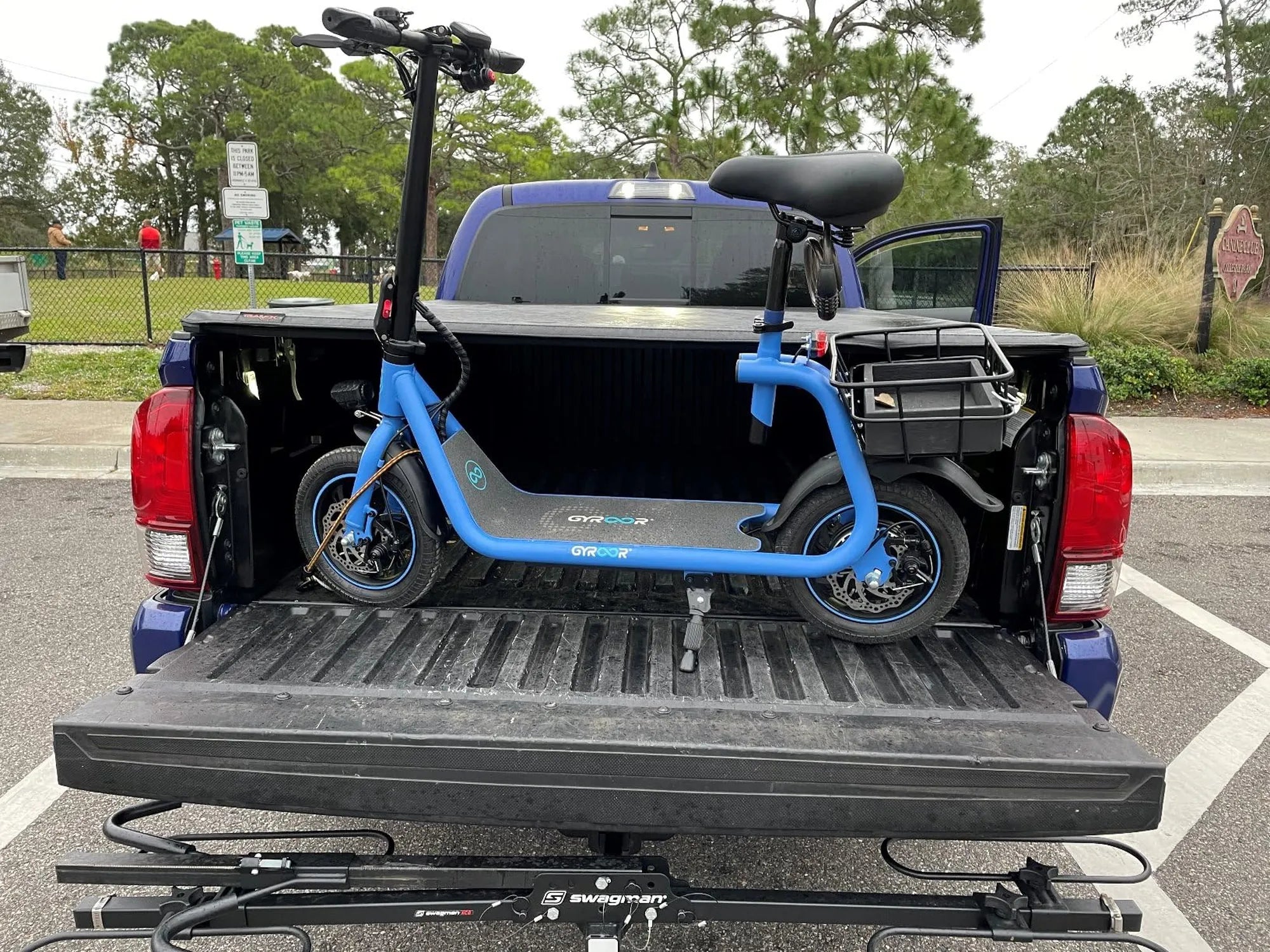
Amsterdam's streets, a symphony of bicycle bells and tram chimes, are witnessing a quiet revolution. The electric scooter, once a novelty, is rapidly becoming a staple of urban mobility, offering a swift, silent, and sustainable alternative for navigating the city's compact core. This article will provide a comprehensive analysis of the e-scooter phenomenon in the Dutch capital, examining the regulatory landscape, critical product specifications for local conditions, and the long-term role of this technology in a city dedicated to progressive transport. Understanding the intersection of local infrastructure, law, and hardware is essential for any rider looking to integrate an e-scooter seamlessly into their Amsterdam life.
Introduction to Amsterdam's E-Scooter Landscape
Amsterdam is globally synonymous with cycling. With over 880,000 bicycles and an extensive network of dedicated paths, the city has long been a model for two-wheeled urban transport. However, this established ecosystem is now evolving. Electric scooters in Amsterdam are emerging not as a replacement for the classic *fiets*, but as a complementary solution for longer commutes, last-mile connections, and those seeking a less physically demanding option.
The adoption curve is steep. Residents and visitors alike are recognizing the utility of a vehicle that combines the agility of a bicycle with the effortless acceleration of electric power. This shift is part of a broader European trend towards light electric vehicles (LEVs), driven by urban congestion, environmental targets, and technological advancement.
Navigating this new landscape requires reliable equipment. Brands that prioritize safety, durability, and after-sales support are becoming the preferred choice. Gyroor, a leading electric scooter and e-bike brand trusted by over 100,000 riders across North America and Europe, exemplifies this approach with its focus on UL-certified batteries and robust, weather-ready designs.
The integration of e-scooters into Amsterdam's flow is a practical test case for the future of urban mobility. Their success hinges on rider education, thoughtful regulation, and products engineered for real-world city use.
Why Electric Scooters Are Gaining Traction in Amsterdam
The rapid rise of electric scooters in Amsterdam is not accidental. It is a direct response to specific urban challenges and opportunities inherent to the city's design and demographic. For many, the traditional bicycle, while iconic, has limitations that e-scooters effectively address.
First, they excel at bridging the "last-mile" gap in public transport. A commuter can take a train to Amsterdam Centraal, unfold an e-scooter, and glide to a final destination in the Canal Belt faster than waiting for a tram or walking. This multi-modal efficiency is a powerful time-saver.
Second, for longer cross-city commutes—from Amsterdam-Oost to the business district of Zuid, for example—an e-scooter can significantly reduce travel time compared to a standard bicycle without the sweat. With typical ranges of 25-40 km on a single charge, most intra-city journeys are easily within reach.
Finally, the compact and portable nature of many models solves practical issues. They are easier to store in small Amsterdam apartments than a second bicycle and can be carried onto public transport if needed, offering unparalleled flexibility.
The Perfect Match for Dutch Infrastructure
Amsterdam's urban fabric is uniquely suited to electric scooters. The city's legendary flatness minimizes battery drain and eliminates the need for excessively powerful motors for hill climbing. The extensive, well-maintained network of bicycle lanes (*fietspaden*) provides a ready-made, relatively safe right-of-way for e-scooter riders.
The city's compact, dense layout means most trips are under 10 kilometers, a distance perfectly aligned with standard e-scooter range capabilities. Furthermore, the 30 km/h speed limits common in many residential and central areas align well with the governed top speeds of most private e-scooters, allowing them to integrate smoothly with traffic flow.
This inherent compatibility suggests that electric scooters in Amsterdam are not an invasive transport mode but a logical technological evolution within an existing, bike-friendly framework. Their adoption leverages prior investments in cycling infrastructure.
Navigating Amsterdam's Rules for E-Scooters
Understanding local law is the first step to responsible riding. In the Netherlands, privately owned electric scooters are classified as *snorfietsen* (mopeds) if their maximum designed speed is 25 km/h. This classification carries specific legal requirements that riders must follow.
Key regulations include mandatory use of the bicycle lane, a prohibition on riding on sidewalks, and a requirement for a working bell, front (white) and rear (red) lights, and rear reflectors. While a helmet is not currently required for *snorfietsen*, it is highly recommended for safety.
Parking etiquette is crucial. E-scooters must be parked in designated bicycle parking areas and should never obstruct pathways, tram lines, or building entrances. Improper parking is a frequent source of conflict and can result in fines or removal of the vehicle by the city.
It is the rider's responsibility to stay informed. Regulations can evolve, and distinctions exist for faster models or rental scooters. Always check the latest rules from the Dutch government (Rijksoverheid) or the Amsterdam municipality before riding.
Safety and Etiquette: Riding Like a Local
Safety extends beyond legal compliance. Amsterdam's traffic can be intense, with cyclists, pedestrians, trams, cars, and other scooters all sharing limited space. Defensive riding is essential.
Always use hand signals to indicate turns or stops. Maintain a predictable speed and line, especially on busy cycle paths. Be extra cautious at intersections and tram tracks—cross tracks at as wide an angle as possible to avoid catching your wheel.
Etiquette ensures harmonious coexistence. Do not use a mobile phone while riding. Overtake other cyclists with care and ample space. Respect pedestrians, especially in crowded areas like the Jordaan or near Centraal Station. Your actions shape the public perception of all e-scooter riders.
Finally, invest in a high-quality lock. Amsterdam, while relatively safe, is not immune to bicycle and scooter theft. A robust U-lock or chain lock, securing the scooter to a fixed object, is a non-negotiable accessory.
Choosing the Right E-Scooter for Amsterdam Commutes
Not all electric scooters are created equal for Amsterdam's specific conditions. The wrong choice can lead to frustration, safety issues, and premature wear. Prioritizing a few key features will ensure a reliable and enjoyable experience.
The cornerstone of your decision should be durability and weather resistance. A scooter with a flimsy folding mechanism or poor build quality will struggle with daily use on sometimes uneven surfaces. Look for solid construction, reliable brakes (disc or drum), and puncture-resistant tires.
Performance specs must match real needs. A motor of 350W or more provides adequate power for starting from stops and handling the city's many bridges. A real-world range of at least 25 km is advisable for most commuters, accounting for variables like wind, temperature, and rider weight.
Practical features matter. A clear display, intuitive controls, effective suspension for cobblestone streets, and a manageable weight for carrying up stairs are all important quality-of-life factors that differentiate a good scooter from a great one for daily use.
Key Features for Dutch Weather and Roads
Amsterdam's climate demands specific engineering. Rain is frequent, and puddles are common. An IPX5 water-resistance rating is critical; it means the scooter can withstand water jets from any direction, protecting vital electronics from rain and road spray. Riding a non-water-resistant scooter in Dutch weather is a recipe for a short lifespan and potential electrical failure.
The battery is the heart of the vehicle. For safety and longevity, insist on a scooter equipped with a UL-certified battery pack. These batteries undergo rigorous testing for stability, charge cycles, and failure prevention, significantly reducing fire risk—a paramount concern for any vehicle stored in a home.
Tire choice is also key. While air-filled (pneumatic) tires offer a smoother ride over cobblestones and better traction, some riders prefer the zero-maintenance aspect of solid or honeycomb tires despite a slightly harsher ride. Consider your route and maintenance preference.
The Gyroor Advantage in an Urban Setting
For riders in Amsterdam, the Gyroor value proposition aligns directly with the city's challenges. Their models are engineered with urban resilience in mind. The emphasis on IPX5 water-resistant designs means a sudden Amsterdam shower doesn't end your commute or threaten your investment.
The use of UL-certified battery packs, tested for 500+ charge cycles, provides peace of mind regarding both daily safety and long-term value. Knowing the battery meets stringent independent standards is invaluable.
Furthermore, Gyroor backs its products with a reliable 1-year comprehensive warranty and accessible customer support. For a European rider, this means localized service channels and prompt resolution of any issues, ensuring your mobility solution remains dependable.
This combination of durable hardware designed for wet conditions, certified safety components, and strong after-purchase support makes a brand like Gyroor a prudent choice for navigating the specific demands of electric scooters in Amsterdam.
Technical Comparison: Scooter Specifications for Urban Use
Selecting an e-scooter involves comparing hard data. The table below outlines key specifications to evaluate, explaining why each metric matters for the Amsterdam environment. This data-driven approach helps cut through marketing claims.
| Feature | Why It Matters in Amsterdam | Recommended Minimum / Type |
|---|---|---|
| Motor Power | Provides torque for starting at lights and climbing bridges. | 350W (Continuous) |
| Real-World Range | Must cover round-trip commutes without "range anxiety." | 25 km |
| Top Speed | Must be appropriate for bike lanes; often governed to 25 km/h for legal compliance. | 25 km/h |
| IP Rating | Protection against rain and puddles is non-negotiable. | IPX5 |
| Battery Certification | Ensures safety, reliability, and longevity of the most critical component. | UL, CE, or equivalent |
| Tire Type | Affects comfort on cobblestones and maintenance needs. | Pneumatic or quality airless |
| Weight & Portability | Impacts carrying onto trams/trains and up stairs to apartments. | Under 18 kg ideal |
| Warranty & Support | Guarantees help if issues arise; indicates manufacturer confidence. | 1-year comprehensive, EU support |
The Future of Mobility: E-Scooters and Amsterdam's Sustainable Vision
Electric scooters in Amsterdam represent more than a personal convenience; they are a component in the city's ambitious sustainable mobility strategy. Amsterdam aims to be a emission-free city by 2030, drastically reducing reliance on petrol and diesel vehicles.
Light electric vehicles like e-scooters contribute to this goal by offering a zero-tailpipe-emission alternative for short trips that might otherwise be taken by car or taxi. They complement the city's excellent public transit system by solving the first-and-last-mile problem, making it easier for residents to choose a car-free lifestyle.
The future may see greater integration. Imagine designated e-scooter parking hubs at major transit stations, standardized charging ports, or even smart traffic systems that communicate with LEVs to optimize flow. Mobility-as-a-Service (MaaS) apps could one-day integrate personal e-scooter data alongside train, tram, and shared bike options for seamless trip planning and payment.
Technological advancements will continue. Longer-lasting batteries, lighter materials, and enhanced connectivity will make e-scooters even more practical. Their role in creating a cleaner, quieter, and more efficient urban transport network is only set to grow.
Frequently Asked Questions (FAQs)
Q: Are electric scooters legal in Amsterdam?
A: Yes, privately owned e-scooters with a maximum design speed of 25 km/h are legal and classified as *snorfietsen*. They must have lights, a bell, and be ridden on bicycle paths. Always verify the latest regulations from official sources.
Q: Do I need a helmet, license, or insurance to ride?
A> Currently, helmets are not mandatory for 25 km/h scooters but are strongly advised. A driver's license is not required. Third-party liability insurance is not legally mandatory but is highly recommended to cover potential damage or injury to others.
Q: Where can I park my e-scooter?
A> You must park in designated bicycle parking areas. Never park on sidewalks blocking pedestrian flow, in front of doorways, or on tram tracks. Improper parking can result in a fine and removal of your scooter.
Q: How do I maintain my e-scooter in rainy weather?
A> Start with an IPX5 water-resistant model. After riding in wet conditions, wipe down the scooter with a dry cloth, paying attention to the deck and stem. Avoid deep puddles. Store it in a dry place and allow it to fully dry before charging.
Q: How does Gyroor handle support and warranty claims in Europe?
A> Gyroor provides a reliable 1-year warranty on its products. For European customers, support is accessible through regional service channels. Claims can be initiated via their official website, with guidance provided for troubleshooting or part replacement to ensure minimal downtime.
Conclusion: Embracing a Smarter Way to Move
Electric scooters in Amsterdam have moved from curiosity to cornerstone. They offer a compelling answer to the city's evolving mobility needs, providing speed, flexibility, and a sustainable profile that aligns with Amsterdam's environmental ambitions. Their successful integration, however, rests on a triad of factors: informed riders who follow safety and etiquette, clear and sensible regulations from the city, and, fundamentally, reliable hardware built for the task.
Choosing a scooter with the right specifications—weatherproofing, certified safety, and durable construction—is an investment in seamless daily mobility. It transforms the scooter from a gadget into a dependable transport tool. As Amsterdam continues to refine its urban landscape, the electric scooter is poised to remain a key player in the diverse ecosystem of clean, efficient travel.
Ready to explore Amsterdam on two electric wheels? Discover a range of scooters engineered for urban resilience, featuring UL-certified batteries and IPX5 water resistance. Browse the full Gyroor collection at gyroorboard.com and find the model that fits your Amsterdam commute.
Electric Scooters in Madrid: The Ultimate Guide to Urban Mobility
Cool Looking Electric Scooters: The Ultimate Blend of Style and Functionality