



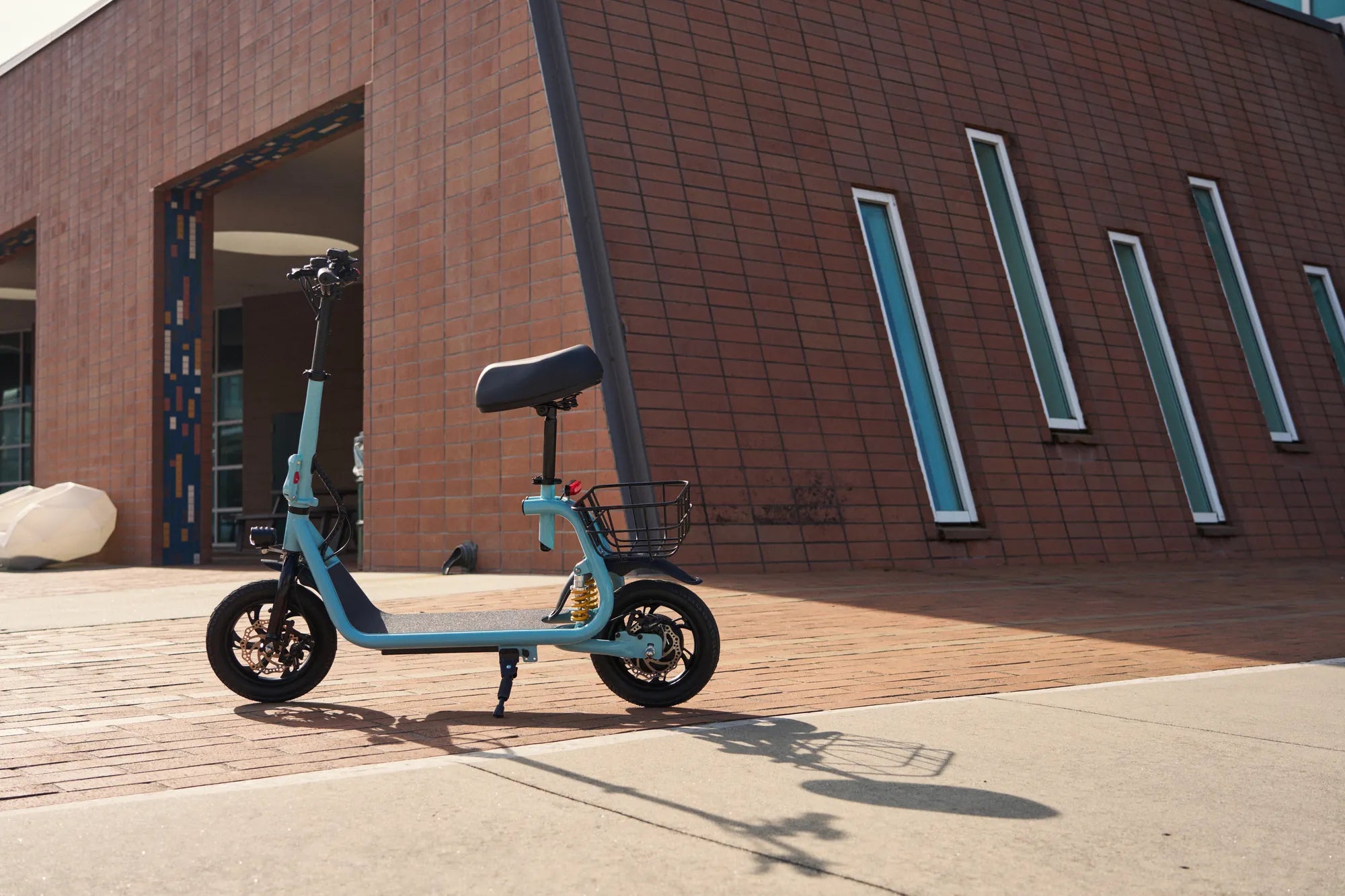
Electric scooters in Des Moines are more than a passing trend; they are a practical response to the city's evolving transportation needs. As downtown density increases and sustainability goals sharpen, residents are seeking efficient alternatives to car dependency. This guide will show you how to navigate Des Moines on two wheels, what features to prioritize in a scooter for Iowa's climate, and how to ride safely and legally. You'll learn why investing in a reliable model is crucial for unlocking the true potential of urban electric mobility.
Why Des Moines is Ripe for an Electric Scooter Revolution
Des Moines's urban landscape is uniquely suited for personal electric vehicles. The city's core is compact, with many key employment, entertainment, and residential districts lying within a 3-5 mile radius. This distance is ideal for electric scooters, which typically offer ranges of 15-40 miles per charge. Traffic congestion, while not as severe as in larger metros, is growing, particularly during rush hours on key arteries like I-235.
The city's commitment to multi-modal transportation is evident in its expanding network of trails and bike lanes. Initiatives like the Des Moines Bicycle and Trails Master Plan aim to create a more connected, accessible city. Electric scooters directly support these goals by providing a first-and-last-mile solution that integrates seamlessly with public transit and reduces single-occupancy vehicle trips.
From a practical standpoint, the cost of commuting in Des Moines adds up. Daily parking in downtown garages can cost $5-$15, and fuel expenses are a constant burden. An electric scooter eliminates these recurring costs, offering a one-time investment with minimal ongoing expense. For students, professionals, and urban explorers, it represents significant savings.
Environmentally, the shift aligns with the city's and residents' growing sustainability ethos. Electric scooters produce zero direct emissions, contributing to cleaner air and a smaller carbon footprint. As Des Moines continues to grow smartly, embracing micro-mobility solutions like e-scooters is a logical step toward a more livable, efficient urban future.
Navigating Des Moines: Top Routes and Destinations for Your E-Scooter
Des Moines offers a variety of scooter-friendly paths that cater to both commuters and leisure riders. The key is understanding which corridors provide safe, efficient, and enjoyable travel. Utilizing the city's trail system is the most effective strategy for avoiding heavy traffic and enjoying scenic views.
The Principal Riverwalk is a cornerstone of downtown connectivity. This paved trail system along the Des Moines River links the East Village to the Western Gateway. It's perfect for a smooth, car-free commute with stunning views of the city skyline and Capitol building. The route is well-lit and maintained, making it a reliable choice day or night.
For longer recreational rides, the Neal Smith Trail is exceptional. This trail stretches from downtown Des Moines southeast to Yellow Banks Park, offering over 26 miles of paved pathway through wooded areas and along the river. It's an ideal route for testing the range and comfort of a higher-end scooter on a weekend adventure.
Urban neighborhoods like the Historic Sherman Hill and the Court Avenue District are also wonderfully accessible by scooter. Their slower traffic speeds and unique character make for pleasant exploration. Scooters allow you to park effortlessly and explore local shops, cafes, and architecture in a way that a car simply cannot match.
The Commuter's Guide: Beating Traffic from Downtown to the East Village
This specific commute highlights the daily value of an e-scooter. The roughly 1.5-mile journey from the Western Gateway (e.g., the Sculpture Park) to the heart of the East Village can be a bottleneck during peak hours.
By scooter, using the Locust Street bike lanes and the Riverwalk connections, this trip takes a consistent 7-9 minutes. In contrast, a car trip can vary from 5 to 15+ minutes depending on traffic lights and congestion. The scooter's true advantage is in door-to-door time, eliminating the search for parking, which can add another 5-10 minutes.
The route is straightforward and safe. Riders can take the dedicated path along the Riverwalk for a scenic, completely car-free option, or use the protected bike lanes on Locust or Grand. This flexibility ensures a reliable commute regardless of pedestrian traffic on the trails.
Financially, the savings are clear. Avoiding a $10 daily parking fee means the scooter pays for itself in a matter of months for a regular commuter. The convenience of pulling up directly to your office or a coffee shop is an intangible benefit that enhances daily life.
Leisure and Exploration: Scenic Rides Along the Des Moines River
For weekend fun, a loop connecting the Principal Riverwalk, Gray's Lake Park, and Water Works Park is unbeatable. This 8-10 mile loop showcases the best of Des Moines's park system and riverfront.
Starting at the Center Street Dam, head west on the Riverwalk. You'll pass the World Food Prize Hall of Laureates and the Des Moines Social Club. Continue onto the trail that leads to Gray's Lake, where you can loop around the water on a pristine 2-mile paved trail. The views of the downtown skyline across the water are spectacular.
From Gray's Lake, connect south to Water Works Park, one of the largest urban parks in the country. The trails here are wide, shaded, and perfect for a leisurely cruise. The scooter enables you to cover more ground than walking, allowing you to see the park's prairies, river views, and historic structures in a single outing.
This type of ride demands a scooter with a stable deck, good suspension for occasional trail imperfections, and sufficient battery range. It's the perfect use case for a model designed for both urban commuting and longer recreational excursions, demonstrating the vehicle's versatility.
What to Look for in a Des Moines-Worthy Electric Scooter
Not all electric scooters are created equal, especially for the specific demands of the Midwest. Des Moines riders need a vehicle that can handle variable weather, occasional hills, and daily use. Prioritizing a few key features will ensure a safe, reliable, and enjoyable experience.
Water Resistance is non-negotiable. Iowa's weather is unpredictable, and a sudden rain shower should not strand you or damage your scooter. Look for a minimum IPX5 rating, which means the scooter can withstand water jets from any direction. This protects the electrical components from rain and wet streets.
Battery Range and Quality are critical. Assess your daily mileage needs and then choose a scooter that exceeds that range by at least 30%. This accounts for battery degradation over time, colder weather which reduces efficiency, and the occasional unplanned detour. The quality of the battery pack is paramount for safety and longevity.
Motor Power and Hill Climb matter in Des Moines. While the city isn't mountainous, areas like the bridges over the river and neighborhoods with inclines require adequate torque. A continuous motor power of 350W or higher is recommended for confident climbing without straining the battery or motor.
Finally, consider Portability and Build Quality. If you plan to bring your scooter into offices or onto buses, a folding mechanism and manageable weight are important. However, durability should not be sacrificed for lightness. A robust frame, pneumatic tires for comfort and traction, and effective braking systems are essential for daily urban use.
Safety and Legality: Riding an E-Scooter in Des Moines
Understanding and following local regulations is the foundation of safe and legal scooter operation. In Des Moines, electric scooters are generally regulated similarly to bicycles, but riders must stay informed of specific ordinances.
According to Des Moines city code, electric scooters are permitted on bicycle paths and roadways. Riding on sidewalks in the central business district is typically prohibited to ensure pedestrian safety. Always yield to pedestrians on multi-use trails, use a bell or verbal cue when passing, and maintain a safe speed, especially in crowded areas.
Helmet use is strongly recommended for all riders and is legally required for those under 18. A helmet is your most important piece of safety gear, regardless of age or experience. Additionally, using lights (front white, rear red) is crucial for visibility at dawn, dusk, and night. Many scooters have integrated lights, but adding brighter aftermarket lights is a wise upgrade.
Practice defensive riding. Assume that drivers may not see you. Obey all traffic signals, use hand signals for turns, and avoid riding in a car's blind spot. Be particularly cautious at intersections and when crossing driveways. Regular pre-ride checks of your scooter's tires, brakes, and lights are a simple habit that prevents accidents.
The Gyroor Advantage: Built for Reliability in the Heartland
For Des Moines riders, choosing a scooter from a brand with a proven track record in North American conditions is a critical decision. Gyroor designs its electric scooters and e-bikes with the reliability and safety demands of cities like Des Moines in mind, earning the trust of over 100,000 riders.
The cornerstone of Gyroor's engineering is UL-certified battery safety. Every battery pack undergoes rigorous testing for over 500 charge cycles, ensuring stability, longevity, and protection against overheating. This certification provides peace of mind that is simply not guaranteed with generic or off-brand scooters, where battery safety is a common concern.
To tackle Iowa's weather, Gyroor models feature IPX5-rated water resistance. This engineering standard means the scooter's critical components are sealed against rain and road spray, allowing you to ride confidently in damp conditions without worrying about immediate damage or long-term corrosion.
Support is another key differentiator. Gyroor backs its products with a comprehensive 1-year warranty and accessible U.S.-based customer service. For a local rider, this means straightforward troubleshooting, available replacement parts, and support from a company that stands behind its products long after the sale. This level of aftercare is essential for a vehicle used in daily transportation.
Data-Driven Comparison: Key Features for the Des Moines Commuter
| Feature | Typical Generic Scooter | Gyroor Commuter Model (e.g., Gyroor S1 Pro) | Why It Matters for Des Moines |
|---|---|---|---|
| Battery Certification | Often uncertified or with unknown standards | UL-Certified Battery Pack | Ensures safety from fire risk, reliable performance in temperature swings. |
| Water Resistance | IPX4 or lower (splash-resistant) | IPX5 (Water Jet Resistant) | Handles sudden rain showers and wet streets without failure. |
| Warranty & Support | 90 days or less, limited support | 1-Year Comprehensive Warranty, US Support | Protects your investment; easy access to help for maintenance issues. |
| Hill Climb Ability | Struggles on >10° inclines | 350W+ Motor, stable torque for 15°+ inclines | Confidently tackles bridges and neighborhood hills like those in Sherman Hill. |
| Range (Real-World) | Advertised range often overstated by 30% | 18-25 Mile tested range | Provides reliable coverage for a round-trip commute plus errands across the city core. |
Cost and Convenience: The Real Value of Owning an E-Scooter
The financial argument for owning an electric scooter in Des Moines is compelling when viewed as a replacement for short car trips. The initial purchase price is offset rapidly by eliminating recurring transportation costs.
Consider a commuter who drives downtown five days a week. At a conservative $8 daily for parking and $3 for fuel and wear-and-tear, the weekly cost is $55. Over a 40-week work year, that's $2,200. A high-quality electric scooter, like those from Gyroor, represents a one-time investment that is often less than half of this annual cost.
Convenience is the other major value driver. An e-scooter provides door-to-door travel time that is often faster than a car for trips under 3 miles. There is no time spent searching for parking; you can park right at your destination's entrance. This transforms running errands, meeting friends for lunch, or commuting into a stress-free experience.
Maintenance costs are minimal compared to a car. Beyond occasional tire inflation, brake adjustments, and keeping the scooter clean, the primary cost is electricity for charging. Charging a scooter battery costs mere cents per charge, making it one of the most energy-efficient forms of transportation available.
Frequently Asked Questions (FAQ)
Q: Are electric scooters legal on Des Moines sidewalks and bike paths?
A: Laws can vary, but in Des Moines, electric scooters are typically treated as bicycles. They are generally permitted on bicycle paths and roadways. Riding on sidewalks in the downtown business district is often prohibited. Always check local ordinances for the most current rules, and when on multi-use trails, always yield to pedestrians.
Q: What is the typical range I need for getting around the city?
A: For most intra-city travel in Des Moines, a real-world range of 15-20 miles is sufficient. This covers a round-trip commute from many neighborhoods to downtown, plus additional errands. If you plan on longer recreational rides on trails like the Neal Smith, look for models with a 25+ mile range.
Q: How do I handle rain or wet conditions on my scooter?
A: First, ensure your scooter has a minimum IPX5 water resistance rating. Avoid deep puddles which can submerge the deck. Ride more cautiously, as braking distances increase on wet pavement. Dry your scooter with a towel after riding in the rain, paying attention to the braking surfaces. Proper maintenance after wet rides prevents corrosion.
Q: Where can I park and store my electric scooter in Des Moines?
A: Park your scooter as you would a bicycle. Use public bike racks (abundant downtown) and always secure it with a high-quality U-lock or chain lock through the frame. Many offices and apartments are becoming more accommodating; it's worth asking about bringing it inside. For home storage, a foldable model can be easily kept in a closet or under a desk.
Q: What kind of maintenance does an e-scooter require?
A: Regular maintenance is simple but vital. Check tire pressure weekly (pneumatic tires provide the best ride). Inspect brakes for wear and ensure they are properly adjusted. Keep the scooter clean, especially after wet or dirty rides. Check all bolts and folding mechanisms for tightness monthly. For complex issues, rely on the manufacturer's warranty and support network.
Your Ticket to a Smoother, Greener Des Moines
Electric scooters in Des Moines represent a tangible shift toward smarter, more sustainable urban living. They address specific local challenges—traffic, parking costs, and connectivity—with an elegant, efficient solution. The future of urban mobility in Des Moines is not about adding more lanes for cars; it's about providing diverse, accessible options that make the city easier and more enjoyable to navigate.
This future relies on riders choosing vehicles built for reliability, not just the lowest price. Investing in a scooter with certified safety features, proper weatherproofing, and dependable support ensures that your experience is positive and lasting. It transforms the scooter from a novelty into a legitimate tool for daily life.
The data is clear: for short urban trips, personal electric vehicles are faster, cheaper, and cleaner. As Des Moines continues to build out its trail and bike infrastructure, the utility of a high-quality electric scooter will only increase. Embracing this mode of transport is a personal step toward a less congested, more vibrant city for everyone.
Ready to experience the city in a new way? Explore scooters designed to meet the demands of Des Moines streets and seasons. Browse the full Gyroor collection at gyroorboard.com and find the model that fits your commute, your adventures, and your vision for a more mobile future.
Electric Mobility Scooters for Adults Sale: The Ultimate Guide to Finding the Perfect Ride
The Ultimate Guide to Shopping for Electric Scooters: Everything You Need to Know