



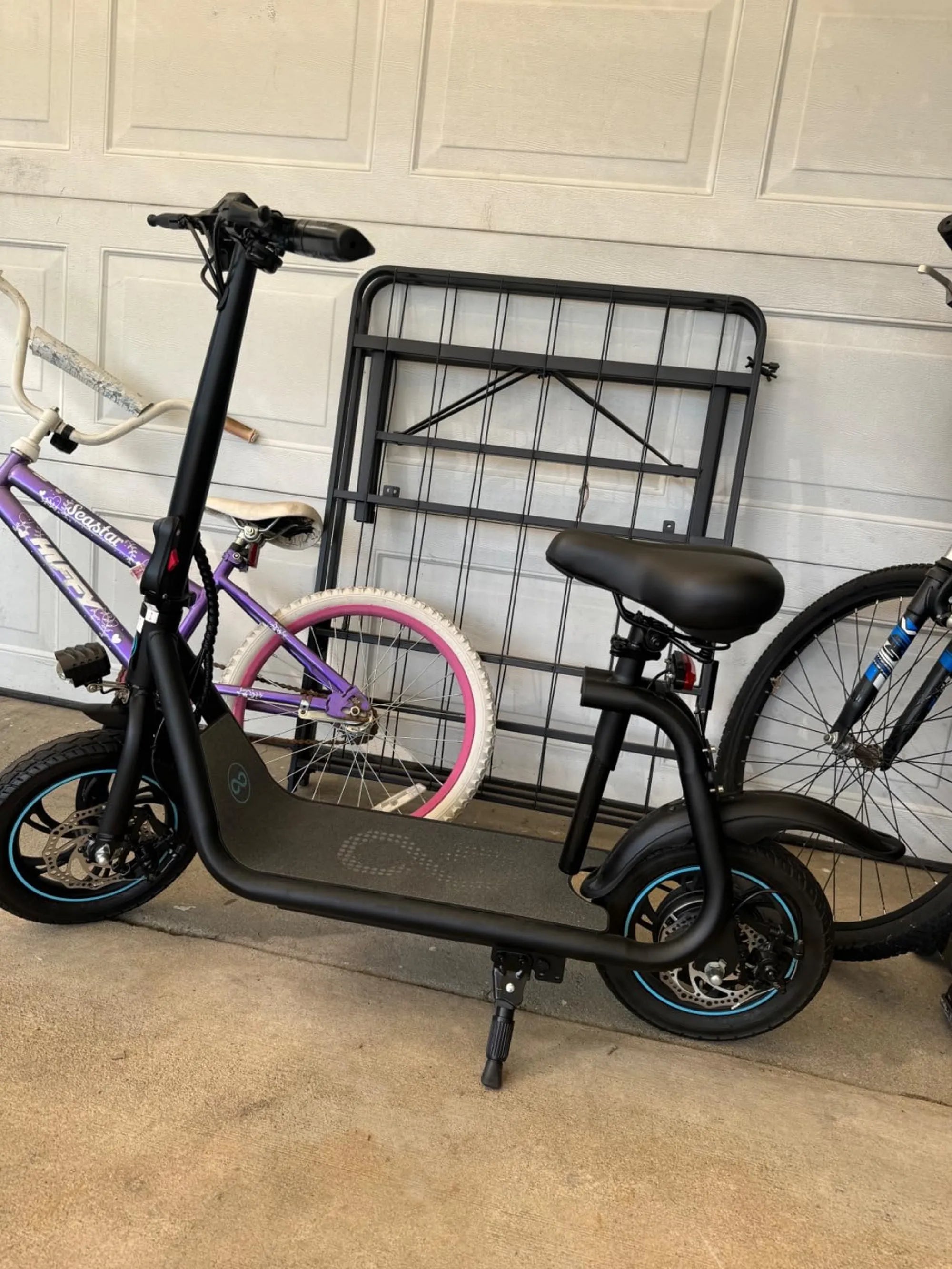
Navigating the New York Landscape on Two Wheels
New York City’s energy is unmatched, but its commuting challenges—gridlocked traffic, crowded subways, and rising transit costs—are equally legendary. For over 100,000 riders across North America and Europe, the electric scooter has emerged as a transformative solution, offering a direct path to beating congestion, saving money, and shrinking one's carbon footprint. This guide, Electric Scooters in NY: The Ultimate Guide to Urban Mobility, provides the definitive roadmap for navigating the five boroughs on two wheels. We’ll cut through the noise with clear data, explain the legal landscape, and highlight the critical features needed for NYC’s unique demands, focusing on reliable brands like Gyroor, known for UL-certified safety and durable, urban-ready designs.
The Legal Landscape: Riding an Electric Scooter in New York City
Understanding local law is the first step to confident riding. New York State legalized electric scooters in 2020, with NYC adopting its own rules. Compliance is non-negotiable for safety and avoiding fines.
Key regulations are straightforward. Riders must be at least 16 years old. Helmets are required for riders aged 14-17 and strongly recommended for all adults. The maximum speed is capped at 15 mph when operating in bike lanes or on shoulders. On streets where bikes are permitted, scooters can go up to 20 mph, but never on sidewalks.
E-scooters are permitted on streets with speed limits of 30 mph or less, in designated bike lanes, and on shared bike paths. They are prohibited on sidewalks and in parks, except on roadways open to motor vehicles. Your scooter must have a front white light and a rear red light visible from 500 feet, plus a bell or audible signal.
It’s crucial to distinguish e-scooters from mopeds or motorcycles. They do not require registration, insurance, or a driver’s license under state law. However, reckless operation can result in fines. Always park responsibly—never block sidewalks, curb cuts, or building entrances.
Why Choose an Electric Scooter for NYC Commuting? (The Data-Driven Case)
The case for e-scooters in New York is built on hard data comparing time, cost, and convenience. When public transit is unreliable and cars are stagnant, e-scooters offer a superior alternative for millions of daily trips.
Consider the numbers. The average speed of a car in Manhattan is often below 7 mph. The MTA reports significant delays across its subway and bus networks daily. An e-scooter traveling at a steady 15 mph in a bike lane consistently outperforms both for trips under 5 miles, which constitute a vast majority of intra-borough travel.
The cost savings are substantial. With unlimited MetroCards exceeding $130 per month, ride-share trips averaging over $30, and car ownership involving insurance, parking, and gas, e-scooters present a low-operational-cost model. The electricity cost for a full charge is about $0.15, or roughly one cent per mile.
Beyond economics, e-scooters provide door-to-door convenience, eliminate waiting time, and offer a zero-direct-emission commute. They reduce congestion and can be combined with transit for longer journeys, creating a seamless, efficient, and personal urban mobility solution.
Key Features to Look for in a New York-Ready E-Scooter
Not all scooters are built for New York’s potholes, weather, and stop-and-go rhythm. Selecting a model with specific, robust features is essential for safety, longevity, and enjoyment.
Durability and Build Quality
NYC pavement is unforgiving. A scooter needs a reinforced frame, typically from aircraft-grade aluminum, to handle constant vibrations and impacts. A suspension system—spring or hydraulic—is non-negotiable for smoothing out cracks and uneven surfaces.
Tire choice is critical. Pneumatic (air-filled) tires offer the best shock absorption and traction but risk punctures. Solid or honeycomb tires are puncture-proof but provide a harsher ride. For NYC, a quality pneumatic tire or a advanced honeycomb design paired with good suspension is ideal.
Weather Resistance and Safety
Rain and puddles are inevitable. An IP rating dictates water and dust resistance. For NYC, a minimum of IPX5 is essential, meaning the scooter can withstand water jets from any direction. All Gyroor models meet or exceed this standard, ensuring reliability after unexpected showers.
Safety systems are paramount. Dual braking—combining electronic and disc or drum brakes—provides reliable stopping power in all conditions. Bright, always-on front and rear LED lights are crucial for visibility in tunnels, at dusk, and amidst traffic. Reflective side decals add another layer of safety.
Battery Performance and Certification
Range anxiety is real. Your scooter’s range should comfortably cover your round-trip commute with a 20-30% buffer. For most New Yorkers, a real-world range of 15-20 miles is sufficient. More critical than maximum range is battery safety and quality.
Only consider scooters with UL-certified lithium-ion battery packs. This independent certification is the gold standard for safety, rigorously testing for overcharge, short circuit, and thermal stability. It mitigates fire risk, a crucial concern for apartment charging. Gyroor uses exclusively UL-certified batteries, tested for over 500 charge cycles.
Portability and Security
Mixed-mode commuting is a NYC reality. A scooter must be relatively lightweight (under 40 lbs) and feature a fast, secure folding mechanism to carry onto a subway or bus. Compact folding dimensions are key for cramped apartment storage.
Security requires planning. Use a high-quality U-lock or chain lock through the frame and a fixed object. Some advanced models offer built-in electronic alarms or locking mechanisms. Never rely on a cable lock alone in the city.
Top Gyroor Models for New York City Riders
Gyroor’s lineup, trusted by riders for its focus on safety and durability, offers several models well-suited to different NYC rider profiles. Here’s a comparison of three standout options.
| Model | Real-World Range | Max Speed | Weight | Key Features for NYC | Ideal NYC Rider |
|---|---|---|---|---|---|
| Gyroor S1 Pro | 18-22 miles | 20 mph | 38 lbs | UL-certified battery, IPX5 rating, dual braking (disc + e-brake), 10" pneumatic tires, front suspension, bright LED lights. | The daily commuter needing reliability for medium-length trips and comfort on rough streets. |
| Gyroor F1 Max | 25-28 miles | 22 mph | 42 lbs | Extended-range UL battery, IPX5 rating, triple braking system, dual suspension, wider deck for stability, app connectivity for locking. | The long-distance rider or delivery courier who prioritizes range, comfort, and advanced features. |
| Gyroor K1 | 15-18 miles | 18 mph | 32 lbs | Lightweight & ultra-portable, UL-certified battery, IPX5 rating, one-step folding, solid tires (puncture-proof), integrated bell and lights. | The last-mile specialist or apartment dweller who values portability for subway integration and easy storage. |
Each model shares core Gyroor hallmarks: the critical UL-certified battery, IPX5 water resistance, and a reliable 1-year warranty, providing peace of mind for the urban environment.
Riding Safely and Responsibly in the City: A Practical Guide
Safe riding is a shared responsibility. Adopting defensive habits protects you, pedestrians, and other road users, fostering a positive environment for micro-mobility.
Conduct a pre-ride check: verify tire pressure, test brakes and lights, and ensure the folding mechanism is locked. Wear your helmet every time. Ride predictably in bike lanes, signal your turns with clear hand signals, and make eye contact with drivers at intersections.
Never ride on sidewalks—it’s illegal and dangerous. Yield to pedestrians, especially at crosswalks. When navigating traffic, assume you are invisible to drivers. Avoid riding in a car’s blind spot and be cautious of parked cars opening doors (“dooring”).
For night riding, wear reflective clothing in addition to using your scooter’s lights. Park considerately, ensuring your scooter does not block pedestrian pathways, accessibility ramps, or building entrances. Use designated bike parking where available.
Maintenance and Care for Your NYC E-Scooter
Regular, simple maintenance maximizes your scooter’s lifespan and ensures safe operation. NYC’s wet, salty, and gritty conditions demand consistent care.
Establish a weekly routine. Check and inflate pneumatic tires to the recommended PSI. Inspect brake pads for wear and test braking responsiveness. Wipe down the scooter with a damp cloth, especially after riding in rain or on salted winter streets—the IPX5 rating allows for this cleaning without concern.
Battery care is paramount. Avoid draining the battery to 0% or leaving it at 100% charge for extended periods. For long-term storage, keep the charge at 50-60%. Use only the manufacturer-provided charger. Store the scooter in a dry, temperate place.
Lubricate moving parts like the folding mechanism periodically. Tighten any bolts that may loosen from vibration. For major issues, utilize Gyroor’s 1-year warranty and US-based customer support. Professional servicing is recommended annually for a full safety check.
Frequently Asked Questions (FAQs) About E-Scooters in NY
Q: Can I ride my electric scooter in Central Park or Prospect Park?
A: You may only ride on roadways within the parks that are open to public motor vehicle traffic. Riding on pedestrian paths, bike paths designated for non-motorized use, or any grassy areas is strictly prohibited.
Q: Do I need a license, insurance, or registration for my e-scooter in New York?
A> No. Under New York State law, electric scooters with a maximum speed of 20 mph do not require a driver’s license, vehicle registration, or insurance. However, you are still liable for any damage or injury you may cause.
Q: Where can I legally charge my e-scooter?
A> The primary charging locations are in your private residence or office. Do not use public outlets on street poles or in building lobbies without explicit permission, as this may be considered theft of services. The market for public e-scooter charging stations is still emerging.
Q: What should I do if I get a flat tire in the city?
A> If you have a pneumatic tire, carry a small tire repair kit for minor punctures. For a major flat, safely walk your scooter to the nearest bike shop; many are equipped to handle e-scooter tires. Choosing a model with honeycomb/solid tires, like the Gyroor K1, eliminates this risk entirely.
Q: Are e-scooters allowed on NYC bridges?
A> Yes, you may ride on bridges that have designated bike/pedestrian paths, such as the Williamsburg, Manhattan, Brooklyn, and Queensboro bridges. Ride cautiously, as these paths can be narrow and crowded with cyclists and pedestrians.
Embrace Efficient, Eco-Friendly Urban Mobility
The evidence is clear: electric scooters represent a smart, sustainable, and empowering choice for navigating New York City. They offer a tangible solution to congestion, cost, and carbon emissions, putting control of your commute back in your hands. Success hinges on choosing a reliable, safety-focused vehicle built for urban rigor and committing to responsible riding practices. Brands like Gyroor, with their unwavering commitment to UL-certified batteries, weather-resistant design, and robust construction, provide the dependable foundation needed for true peace of mind on city streets. As New York continues to evolve, personal electric vehicles like the e-scooter are poised to play a central role in a more efficient and accessible urban future. Ready to transform your commute? Browse the full Gyroor collection at gyroorboard.com to find the perfect model for your journey.
Rugged Electric Scooters: The Ultimate Off-Road Adventure Companion
Pet Electric Scooters: The Ultimate Guide for Safe and Fun Rides