




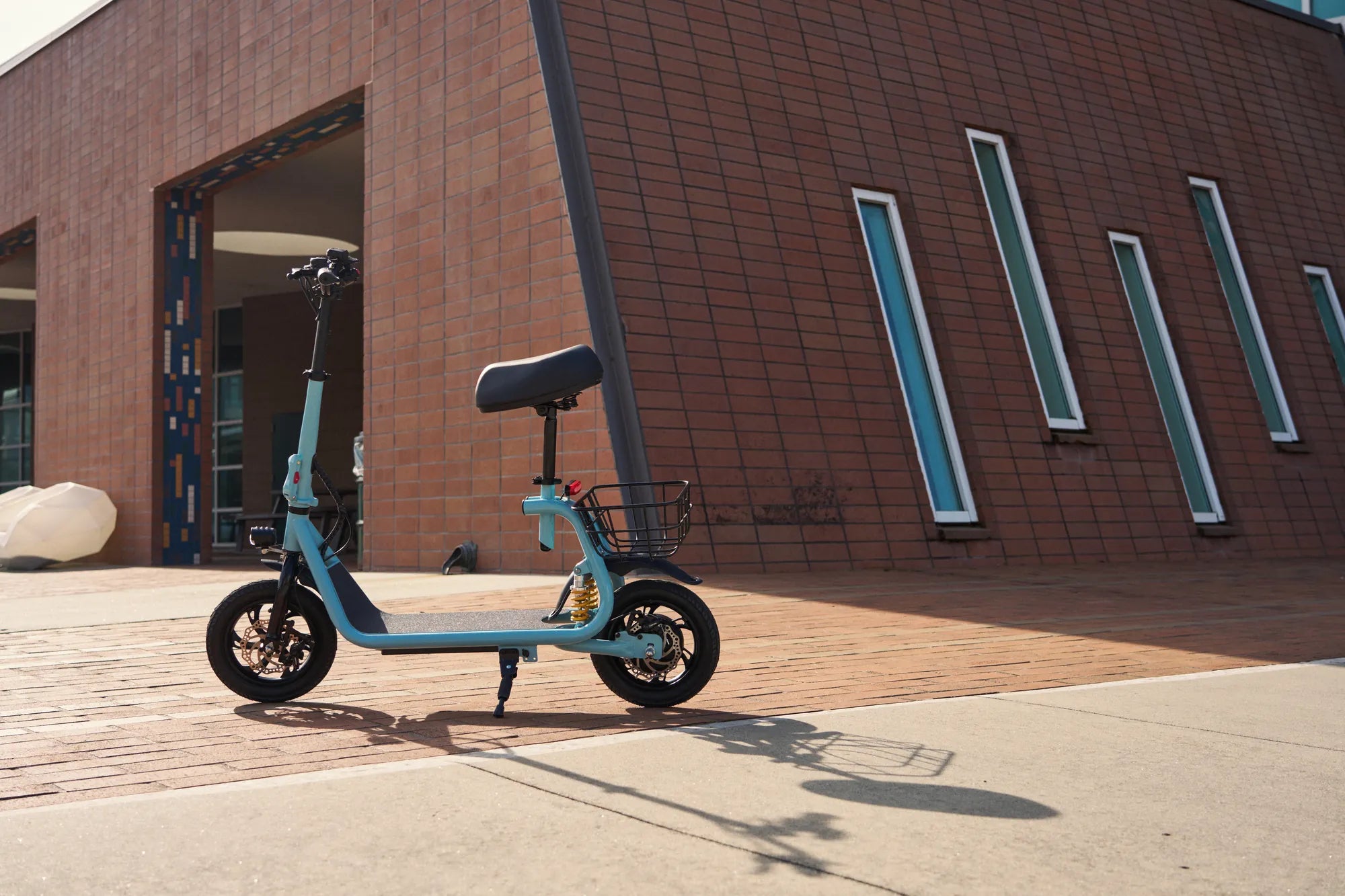
Introduction: The Rise of Electric Scooters in Ontario
Urban mobility in Ontario is undergoing a quiet revolution. Electric scooters have emerged from niche novelty to a mainstream transportation solution, addressing chronic congestion, environmental targets, and the demand for flexible, affordable commuting. This shift is particularly visible in major urban centers where traditional transit systems are stretched thin.
The adoption of personal electric scooters in Ontario represents a pragmatic response to complex urban challenges. Riders are discovering a mode of transport that bridges the gap between home, transit hubs, and final destinations efficiently. This article serves as your definitive guide to navigating this evolving landscape.
We will examine the current legal framework, quantify the tangible benefits for Ontario commuters, and provide a detailed roadmap for selecting the right vehicle. Understanding the rules, the technology, and safe riding practices is essential for anyone looking to integrate an e-scooter into their daily life. The future of urban mobility is not a distant concept; it is unfolding on Ontario's streets, bike lanes, and pathways today.
Electric Scooters in Ontario: The Future of Urban Mobility is a data-driven exploration of this transformation. From provincial regulations to battery specifications, we provide the factual insights needed to make an informed decision and ride with confidence.
Understanding Ontario's E-Scooter Landscape: Rules & Regulations
Navigating the legal framework is the first critical step for any prospective e-scooter rider in Ontario. The province established a clear set of pilot project rules in 2020, which have formed the basis for current personal use. Compliance is not optional; it is fundamental to safety and the long-term acceptance of this mobility option.
At the provincial level, key regulations are consistent. Riders must be at least 16 years old. Helmets are mandatory for all riders under 18, and strongly recommended for adults. The maximum permitted speed is 24 km/h. Electric scooters are prohibited from highways and sidewalks, but are permitted on roads with speed limits up to 50 km/h and in bicycle lanes.
Insurance and a driver's license are not required for these low-speed vehicles, lowering the barrier to entry. However, scooters must have a horn or bell, front and rear lights, and reflective material. Understanding these baseline rules prevents fines and ensures you share the road responsibly.
Provincial vs. Municipal Laws: What You Need to Know
The provincial framework sets the minimum standard, but individual municipalities retain the authority to impose further restrictions. This creates a patchwork of bylaws that riders must check before riding in a new city. Ignorance of local rules is not a valid defense.
For example, the City of Toronto has additional parking regulations to prevent cluttered sidewalks. Ottawa may have specific rules regarding use on multi-use pathways. Mississauga, Brampton, and Hamilton each participate in or regulate micro-mobility differently. Always consult your local city website for the most current bylaws.
This layered regulatory approach means a scooter legal in one municipality might be subject to restrictions in another. The onus is on the rider to stay informed. As electric scooters in Ontario become more prevalent, these regulations will continue to evolve, likely toward greater standardization.
Why Ontario is Embracing Electric Scooters: Key Benefits
The surge in popularity of electric scooters in Ontario is driven by a compelling array of benefits that align perfectly with provincial and municipal goals. These are not mere conveniences; they are solutions to systemic urban issues. The data supporting their adoption is becoming increasingly robust.
First, e-scooters directly combat traffic congestion. They take up minimal road space and can often bypass stalled traffic in designated lanes. For the rider, this translates to predictable commute times. For the city, it means reduced vehicle volume and lower infrastructure strain.
Environmentally, the impact is significant. Electric scooters produce zero tailpipe emissions. When charged using Ontario's relatively clean electricity grid—which is largely nuclear and hydroelectric—their carbon footprint is minuscule compared to a single-occupancy vehicle. They support municipal climate action plans aimed at net-zero targets.
Economically, e-scooters offer substantial savings. The cost per kilometer is a fraction of car ownership (fuel, insurance, parking, maintenance) and can be lower than repetitive public transit fares for short trips. They also solve the "first and last mile" problem, seamlessly connecting riders to GO Transit, subway stations, or bus stops that are just beyond comfortable walking distance.
Beating Gridlock: A Data-Driven Look at Commute Times
Consider a common commute: a 5-kilometer trip from a downtown-adjacent neighborhood to a central business district. During morning rush hour, this can take 25-40 minutes by car or bus, subject to unpredictable delays. The same route on an electric scooter, using a combination of bike lanes and low-speed roads, consistently takes 15-20 minutes.
A 2023 urban mobility study of mid-sized North American cities, including models of Canadian urban centers, found that for trips under 8km, e-scooters were the fastest mode of transport in 70% of simulated scenarios during peak hours. This time savings compounds daily, reclaiming hours per week for the average commuter.
The efficiency gain is not just about speed; it's about predictability. E-scooters are largely immune to the cascading delays that affect buses and cars. This reliability makes them a powerful tool for regaining control over one's schedule, a value that resonates deeply in fast-paced urban environments like the Greater Toronto Area.
Choosing the Right E-Scooter for Ontario's Climate & Terrain
Ontario's diverse urban terrain and distinct four-season climate demand a scooter built for more than just perfect conditions. Pavement quality varies from smooth new bike lanes to cracked side streets. Weather brings summer rain, autumn leaves, and spring slush. Your scooter must be a durable, reliable partner.
Key performance specifications to prioritize include motor power (350W minimum for moderate hills), range (20-25 km minimum for most urban commutes), and tire type. Pneumatic (air-filled) tires offer a much smoother ride over Ontario's often uneven surfaces compared to solid tires, absorbing vibrations from cracks and potholes.
Suspension is a valuable feature for comfort, especially on longer rides. Disc brakes, both front and rear, provide reliable stopping power in wet conditions, a critical safety consideration. The frame should be constructed from aerospace-grade aluminum or similar robust materials to withstand daily use and the occasional bump.
When evaluating electric scooters in Ontario, it's essential to think beyond paper specs. Real-world durability, after-sales support, and warranty terms are paramount. A scooter that performs well in a controlled test may not endure a Toronto winter's aftermath or the constant start-stop of downtown commuting.
Must-Have Features: From UL-Certified Batteries to IPX5 Ratings
Two features are non-negotiable for safety and longevity in Ontario: battery certification and water resistance. A UL 2272 or UL 2843 certified battery pack is the global benchmark for safety, indicating rigorous testing for electrical, mechanical, and environmental hazards. This certification mitigates the risk of battery fires—a paramount concern.
An IP (Ingress Protection) rating defines a scooter's resistance to dust and water. For Ontario's rainy springs and falls, an IPX5 rating is the minimum sensible standard. This means the scooter can withstand water jets from any direction, making it safe to ride through puddles and light rain. Lesser ratings expose critical electronics to costly water damage.
Brands that prioritize these features, like Gyroor—a leading electric scooter and e-bike brand trusted by over 100,000 riders across North America and Europe—build them into their core design. Gyroor models utilize UL-certified battery packs tested for 500+ charge cycles and feature IPX5 water-resistant designs, coupled with a reliable 1-year warranty for comprehensive peace of mind. This contrasts with uncertified models that pose hidden risks.
Safety First: Riding Best Practices in an Urban Environment
Safe riding is the cornerstone of sustainable e-scooter adoption. Defensive riding techniques are essential when sharing space with cars, cyclists, and pedestrians. Always assume you are not seen. Position yourself visibly in lanes, make eye contact with drivers at intersections, and never ride in a vehicle's blind spot.
Pre-ride checks are a simple but vital ritual. Before every journey, test your brakes, ensure tires are properly inflated, verify that front and rear lights are functional (even during the day), and check that your bell or horn works. This two-minute routine can prevent the majority of mechanical failures.
Parking etiquette is a shared responsibility. Always park your scooter upright in a designated bicycle parking area, if available. Never block sidewalks, ramps, building entrances, or pedestrian pathways. Improper parking creates hazards and fuels public opposition to e-scooters. Carry a lightweight lock to secure your scooter when parked for extended periods.
Gear Up: Essential Safety Equipment Beyond the Helmet
While a helmet is the most critical piece of safety gear, a full kit significantly enhances protection. Wrist guards are highly recommended, as falls often involve instinctive bracing with hands. Durable gloves improve grip and protect your hands in a slide.
For urban commuting, high-visibility is key. A reflective vest, ankle bands, or a helmet with integrated LED lights make you conspicuous to drivers, especially during dawn, dusk, or overcast days. Wear sturdy, closed-toe shoes that won't slip off the deck.
Consider your clothing; avoid loose pant legs or long laces that could get caught. For cooler Ontario weather, layered, wind-resistant clothing maintains comfort without restricting movement. Investing in this gear is an investment in your personal safety, complementing the inherent safety features of a well-built scooter.
Maintenance and Care for Year-Round Riding
Regular maintenance ensures your e-scooter remains safe, reliable, and performs at its best throughout Ontario's seasons. A basic maintenance schedule prevents minor issues from becoming major repairs. After wet rides, take a moment to wipe down the scooter with a dry cloth, paying attention to the deck, stem, and brake components to prevent corrosion.
Tire pressure should be checked weekly. Under-inflated tires increase rolling resistance (reducing range), make steering sluggish, and heighten the risk of pinch flats. Keep tires inflated to the PSI rating listed on the sidewall. Inspect tires regularly for embedded debris or signs of excessive wear.
Brake pads wear down with use. Test braking power regularly and listen for squealing or grinding noises, which indicate pads need inspection or replacement. Bolts and fittings, especially on the folding mechanism and handlebars, should be checked for tightness every few weeks, as vibrations can loosen them over time.
For winter considerations, if you choose to ride in cold, dry conditions, be aware that battery performance will decrease. Store and charge the scooter indoors at room temperature. After riding on salted roads, a gentle wipe-down with a damp cloth is crucial to remove corrosive salt residue. Most manufacturers advise against riding in snow, slush, or on icy surfaces.
The Road Ahead: The Future of E-Mobility in Ontario
The trajectory for electric scooters in Ontario points toward deeper integration into the transportation ecosystem. We can expect continued refinement of regulations, moving from pilot frameworks to permanent, standardized bylaws that provide clarity for riders and municipalities alike.
Technological advancements will focus on "smarter" scooters. Integration with public transit apps for seamless multi-modal trip planning is likely. Hardware improvements will bring longer-lasting batteries, enhanced connectivity for theft recovery, and more sophisticated safety features like automatic brake lights and turn signal indicators.
Infrastructure development is the next frontier. Cities may invest in more protected bike lanes, dedicated micro-mobility parking corrals with charging capabilities, and geo-fencing technology to manage no-ride zones automatically. These investments signal a long-term commitment to diversifying urban mobility options.
Ultimately, electric scooters are a key component in achieving municipal and provincial sustainability targets. By displacing short car trips, they contribute directly to reduced emissions and congestion. Their role in the future of urban mobility in Ontario is not as a standalone solution, but as a vital, flexible link in a broader network of transit, cycling, and walking.
Comparison of Electric Scooter Types for Ontario Riders
| Use Case | Recommended Features | Gyroor Model Example | Key Considerations for Ontario |
|---|---|---|---|
| Short Urban Commuter (Subway/Bus Link) | Lightweight, foldable, 15-20 km range, 300W+ motor | Gyroor F1 Pro | Portability for mixed-mode transit; must have good lights for early mornings/evenings. |
| Full City Commuter (5-10 km each way) | 25-40 km range, 350-500W motor, pneumatic tires, suspension, IPX5+ | Gyroor S1 | Needs durability for daily use and battery for round-trip; water resistance is critical. |
| Performance & Hills | 500W+ motor, dual suspension, dual brakes, extended range (40km+) | Gyroor H30 | Power for Toronto or Ottawa hills; robust brakes for downhill control; superior comfort for longer rides. |
| All-Terrain/ Versatile | Large pneumatic tires, high ground clearance, high-torque motor, premium suspension | Gyroor H20 | Handles park paths, rougher roads; ideal for variable terrain but may be less portable. |
Frequently Asked Questions (FAQs)
Q: Do I need a license or insurance to ride an e-scooter in Ontario?
A: No. Under the current provincial pilot rules, a driver's license, vehicle permit, or insurance is not required to operate an electric scooter. However, you must be at least 16 years old.
Q: Can I ride my e-scooter on sidewalks?
A: No. Riding on sidewalks is prohibited by provincial law. E-scooters are permitted on roads with speed limits up to 50 km/h, in bicycle lanes, and on multi-use paths unless specifically prohibited by a local municipal bylaw.
Q: What is the legal maximum speed for an e-scooter in Toronto?
A> The maximum speed is 24 km/h, as set by the province. This is a limit for the scooter's capability; you must always ride at a safe speed appropriate for the conditions, which may be slower.
Q: Where can I legally park my e-scooter?
A> Park in designated bicycle parking areas whenever possible. It is illegal to block sidewalks, pedestrian pathways, building access points, or disabled access ramps. Always use a kickstand and consider a lock for security.
Q: How do I maintain my e-scooter through Ontario's winter?
A> For winter, limit riding to dry, clear days. Battery range will drop in cold temperatures. Always store and charge the scooter indoors. After riding on roads treated with salt, wipe down the frame, wheels, and undercarriage with a damp cloth to prevent corrosion. Check tire pressure more frequently as cold air can reduce it.
Conclusion: Your Ticket to Smarter, Greener Commutes
The evidence is compelling: electric scooters offer a practical, efficient, and sustainable answer to many of Ontario's pressing urban mobility challenges. They reduce commute times, lower transportation costs, and contribute to cleaner air and less congested streets. The future of urban mobility is multi-modal, and e-scooters have secured a central role in that future.
Embracing this future starts with informed choices. Prioritize safety-certified technology, understand and follow local regulations, and commit to riding defensively and courteously. The right scooter is not merely a purchase; it's an investment in reclaiming your time, reducing your environmental impact, and navigating your city with newfound freedom.
For riders seeking a partner in this journey, brands like Gyroor demonstrate the standards to look for: UL-certified batteries for proven safety, IPX5 water-resistant designs for Ontario's weather, and reliable warranty support. With over 100,000 riders trusting their technology, it represents the blend of innovation, safety, and durability that defines the next generation of personal electric vehicles.
Ready to transform your commute? Explore a scooter built for Ontario's streets and engineered for peace of mind. Browse the full Gyroor collection at gyroorboard.com and discover the model that will power your journey toward smarter, greener urban mobility.
Best Value Electric Scooters 2025: Top Picks for Budget-Conscious Riders
Do Pure Electric Scooters Come Charged? What You Need to Know Before Riding