



Introduction to Raleigh's Evolving Commute
Raleigh is booming. The city’s rapid growth brings vibrant energy but also significant traffic congestion and parking challenges. For daily commuters and residents alike, finding a faster, cleaner, and more efficient way to navigate the city has become a priority. Enter the electric scooter: a practical, nimble, and eco-friendly personal transporter that is redefining urban mobility in the City of Oaks.
This article delves deep into the rise of Electric Scooters in Raleigh, examining why they are more than a trend—they are a viable component of the city's transportation future. We will analyze the local landscape, regulations, and the tangible benefits of ownership. Furthermore, we will explore how brands like Gyroor, a leader in personal electric vehicles trusted by over 100,000 riders, are engineering scooters specifically for the demands of modern urban environments like Raleigh.
Why Raleigh is the Perfect City for Electric Scooters
Several unique factors converge to make Raleigh an ideal ecosystem for electric scooter adoption. The city's geography, infrastructure, and culture create a fertile ground for this mode of transport.
First, Raleigh's terrain is predominantly flat with gentle inclines, making it highly accessible for scooters with moderate motor power. This is a stark contrast to more mountainous cities where range and power requirements are significantly higher.
Second, Raleigh boasts an extensive and growing network of greenways and bike lanes. The Capital Area Greenway System, with over 100 miles of paved trails like the Neuse River Trail and the Rocky Branch Trail, provides safe, scenic corridors perfectly suited for scooter commuting and recreation, away from car traffic.
Third, the city's major employment and activity hubs—Downtown, the Research Triangle Park (RTP), North Carolina State University, and Glenwood South—are often separated by distances of 3 to 8 miles. This is the 'sweet spot' for electric scooter range, making them perfect for direct commutes or seamless last-mile connections to public transit.
Finally, Raleigh's tech-savvy, sustainability-minded population is quick to adopt innovations that offer efficiency and reduce environmental impact. The city's own clean energy goals align perfectly with the zero direct emissions of electric scooters.
Navigating Raleigh's Rules and Best Routes
Understanding local regulations is crucial for safe and legal riding. In Raleigh, electric scooters are classified similarly to bicycles.
Riders are permitted on streets with speed limits of 25 mph or less, in designated bike lanes, and on shared-use paths like greenways. It is illegal to operate them on sidewalks within the Central Business District. While helmet use is not mandated by state law for adults, it is strongly recommended for all riders as a critical safety measure.
Knowing the rules unlocks the city. Here are exemplary routes showcasing the utility of Electric Scooters in Raleigh.
The Urban Commute: From the historic Oakwood neighborhood to Downtown offices. This 1.5-mile trip avoids traffic snarls on Edenton Street, using quiet side streets or bike lanes for a sub-10-minute commute.
The Greenway Escape: Utilizing the Shelley Lake Trail. Start at the Sertoma Arts Center and glide around the lake's 2.1-mile loop—a perfect example of using scooter for leisure and exercise on Raleigh's premier infrastructure.
The Multi-Modal Trip: Combining with GoRaleigh Transit. Ride a scooter 1 mile from your home to a bus stop, take the bus along a major corridor like Hillsborough Street, then scoot the final half-mile to your destination at NC State or RTP, seamlessly bridging the 'last-mile' gap.
Choosing the Right Raleigh-Ready Electric Scooter: A Data-Driven Guide
Selecting a scooter isn't about finding the most features; it's about matching key performance indicators (KPIs) to your specific Raleigh lifestyle. This buyer's guide focuses on the metrics that matter most for urban utility.
Key Features for Raleigh Riders
Motor Power (350W - 500W): A 350W motor handles flat terrain effortlessly. For the hills around NC State or Cameron Village, a 500W motor provides necessary torque and maintains speed, ensuring a consistent commute.
Battery Range (15-25 miles): Real-world range is king. A 15-mile minimum range comfortably covers a round trip for most intra-city commutes. A 20-25 mile range offers a safety buffer for errands and eliminates daily range anxiety.
Portability & Weight: If your commute involves bus rides or carrying the scooter into an office, weight under 35 lbs and a folding mechanism are non-negotiable features for true multi-modal flexibility.
The Importance of Durability and Safety
Raleigh's streets, while generally good, can have occasional rough patches. A scooter needs robust construction, including a solid deck frame and pneumatic or air-filled tires for better shock absorption than solid rubber tires.
Braking systems are your primary safety feature. A combination of electronic (regenerative) and disc or drum brakes offers reliable stopping power in all weather conditions. This is where brand engineering philosophy matters. For instance, Gyroor prioritizes safety with UL-certified battery packs—tested for over 500 charge cycles—to prevent fire hazards, and IPX5 water-resistant designs to handle sudden Raleigh thunderstorms. Their standard 1-year warranty provides long-term peace of mind for daily riders.
Gyroor Models: Engineered for the Urban Commuter
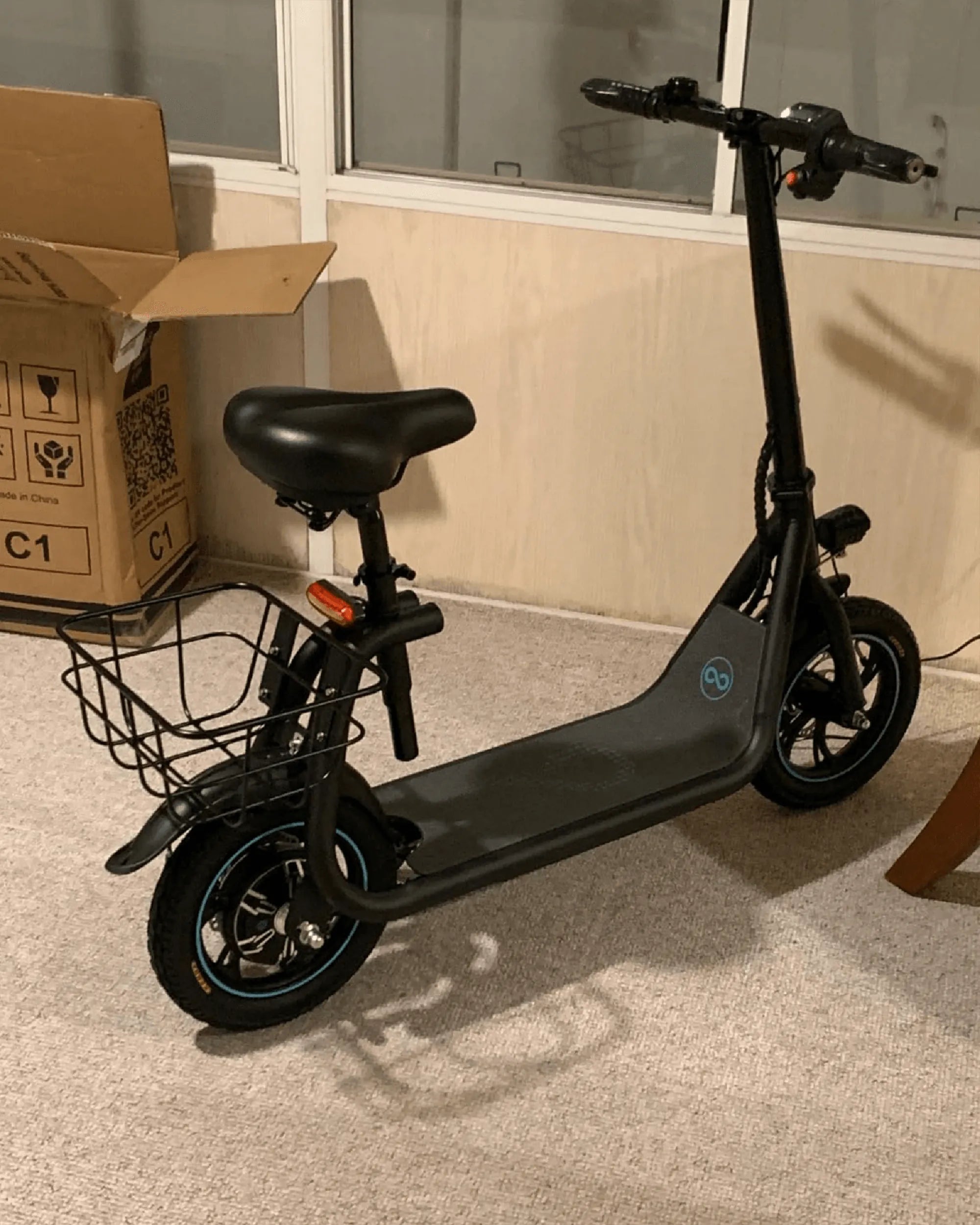
Leading brands design with the urban environment in mind. Gyroor's lineup exemplifies this, offering models tailored to different commuter profiles. A compact commuter scooter might feature a 350W motor, 15-mile range, and ultra-portable folding design for the student or bus rider. A long-range model could boast a 500W motor and 25-mile range for the professional commuting from a farther neighborhood. Each is built with the core tenets of safety, reliability, and rider-centric design that define the future of urban mobility.
The Tangible Benefits: Cost, Time, and Environment
The adoption of Electric Scooters in Raleigh is driven by measurable advantages over traditional car commuting.
Cost Savings: The financial argument is compelling. The average cost to fully charge an electric scooter battery is about $0.15. For a 10-mile round-trip commute, that's pennies per day. Compare this to the average cost of gas, downtown parking ($8-$20 per day), insurance, and maintenance for a car. The annual savings can amount to thousands of dollars.
Time Efficiency: In a city where traffic on arteries like Wade Avenue, Capital Boulevard, and I-40 can bottleneck during rush hour, scooters offer predictable travel times. They can use bike lanes and greenways to bypass congestion entirely, often making point-to-point trips in dense areas faster than a car.
Environmental Impact: Electric scooters produce zero direct emissions. In a city committed to sustainability, choosing a scooter for short trips directly reduces your carbon footprint, decreases local air pollution, and contributes to quieter, more pleasant streets.
| Commuting Factor | Personal Car | Electric Scooter |
|---|---|---|
| Avg. Cost per 10-Mile Trip | $3.50 - $6.00 (gas + parking) | <$0.05 (electricity) |
| Parking Convenience | Low (search, fees) | High (compact, flexible) |
| CO2 Emissions per trip | ~4.6 kg | 0 kg (direct) |
| Avg. Trip Time (3-mile downtown commute) | 15-25+ mins (variable) | 12-15 mins (predictable) |
Frequently Asked Questions (FAQs) for Raleigh Riders
Q: Are electric scooters legal on Raleigh greenways?
A: Yes. The City of Raleigh permits electric scooters on shared-use paths, which include the Capital Area Greenway trails. Always yield to pedestrians and maintain a safe, controlled speed.
Q: How do I handle a sudden thunderstorm while riding?
A> First, seek shelter safely. If you must ride, reduce speed significantly and avoid painted road markings and metal surfaces which are slippery. Choosing a scooter with a high water-resistance rating (like IPX5) from the start provides crucial protection against electrical damage from rain.
Q: Where are safe places to park my scooter in Downtown?
A> Use bicycle racks whenever possible. Do not lock scooters to private property, handrails, or in a manner that blocks pedestrian pathways. Some businesses and office buildings now offer designated micro-mobility parking areas.
Q: Is the battery range sufficient for a round trip to Research Triangle Park (RTP)?
A> It depends on your starting point. From downtown Raleigh to central RTP is about 7-9 miles one-way. A scooter with a verified 20+ mile real-world range can handle this round trip comfortably. Always factor in a 10-20% range buffer for hills, wind, and battery health over time.
Q: What maintenance does an electric scooter require?
A> Regular maintenance includes checking tire pressure, ensuring brakes are responsive, keeping the scooter clean (especially after wet rides), and tightening any fasteners. For brands like Gyroor that offer a 1-year warranty, professional service is available for any electrical or mechanical issues covered under the warranty period.
Conclusion: Your Next Ride Awaits
The evidence is clear: electric scooters present a smart, sustainable, and efficient answer to many of Raleigh's modern mobility challenges. They leverage the city's existing infrastructure, align with its cultural values, and offer undeniable personal benefits in cost and time savings. The future of urban mobility in Raleigh is multi-modal, personal, and electric.
As you consider joining the growing number of riders, prioritize safety, durability, and reliable performance in your choice. Assess your typical commute distance, storage needs, and desire for features like water resistance. Investing in a well-engineered scooter from a trusted brand is an investment in a smoother daily routine and a greener city.
Browse the full Gyroor collection, featuring UL-certified, Raleigh-ready electric scooters and e-bikes, at gyroorboard.com.
Environmental Benefits of Electric Scooters: A Greener Way to Commute
Electric Scooters in Florence: Exploring the City on Two Wheels