



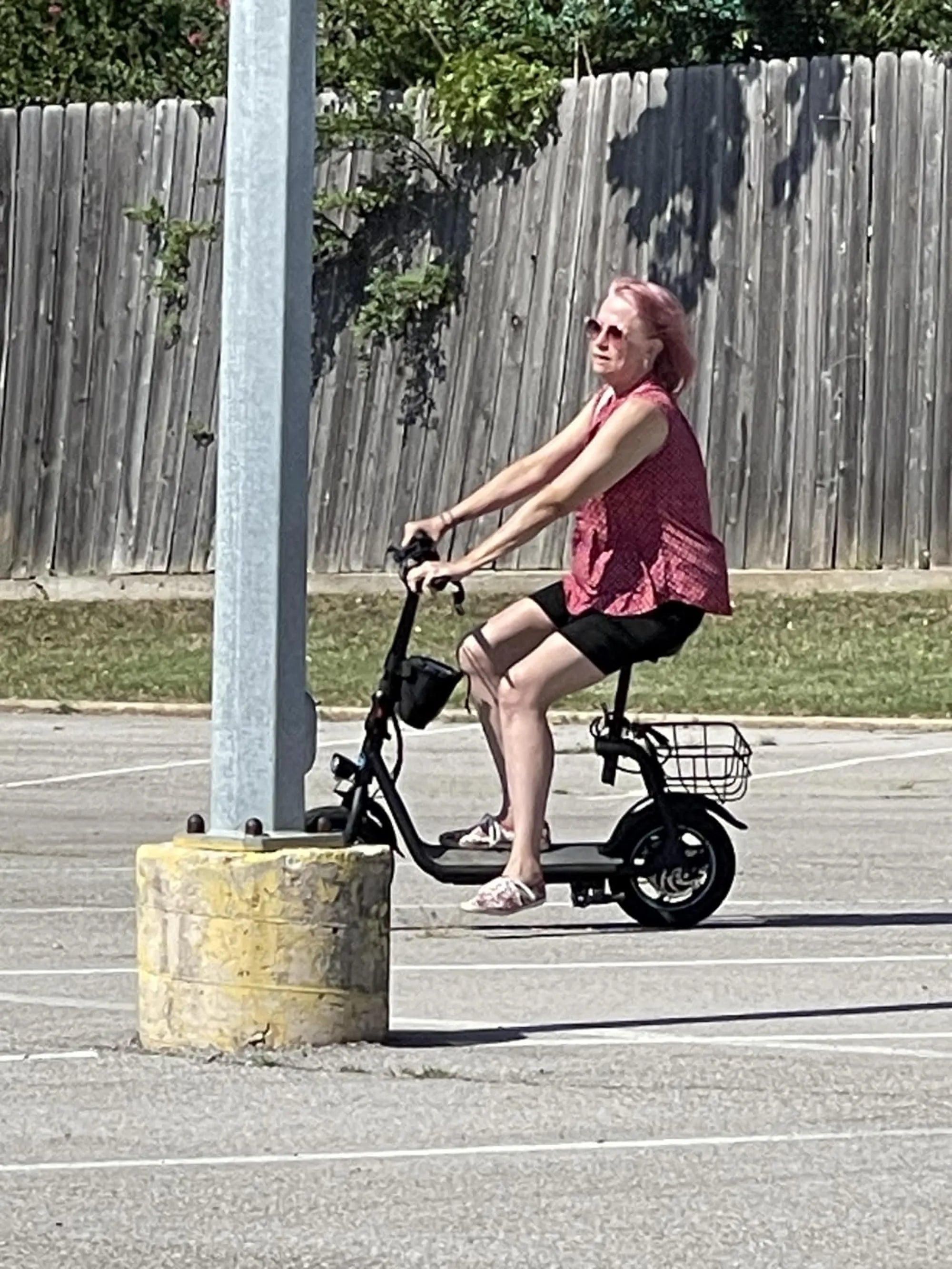
Electric scooters have zipped their way into the heart of urban transportation, offering a convenient, eco-friendly alternative to cars and public transit. But as their popularity soars, so do concerns about their place on the road—literally. With riders often seen weaving through traffic or parked haphazardly on sidewalks, the debate over how to safely integrate electric scooters into cityscapes is heating up. Are they a fleeting trend or a permanent fixture of urban mobility? The answer lies in addressing the challenges head-on.
The Rise of Electric Scooters in Urban Areas
Electric scooters burst onto the scene as a last-mile solution, bridging the gap between public transit and final destinations. Their compact size, affordability, and ease of use made them an instant hit among commuters. Cities embraced them as a way to reduce traffic congestion and lower carbon emissions. However, their rapid adoption outpaced the development of clear regulations, leading to a chaotic coexistence with pedestrians, cyclists, and motorists.
Safety Concerns: Why Are Electric Scooters in the Middle of the Road?
One of the most pressing issues is the tendency for electric scooters to operate in the middle of traffic lanes. Unlike bicycles, which often have dedicated lanes, e-scooters frequently share space with cars, buses, and trucks. This poses significant risks:
- Lack of Infrastructure: Many cities lack designated lanes for micro-mobility devices, forcing riders into traffic.
- Speed Disparities: E-scooters travel at speeds between 15-30 mph, creating conflicts with slower cyclists and faster vehicles.
- Rider Behavior: Inexperienced or reckless riders often ignore traffic rules, increasing the likelihood of accidents.
Regulatory Challenges and Solutions
Governments and urban planners are scrambling to catch up with the e-scooter phenomenon. Some cities have implemented strict rules, such as speed limits, helmet requirements, and no-ride zones. Others have banned them outright. But outright bans ignore the potential benefits of e-scooters. A balanced approach could include:
- Dedicated Lanes: Creating separate pathways for e-scooters and bikes to reduce conflicts.
- Education Campaigns: Teaching riders and drivers how to share the road safely.
- Technology Integration: Using geofencing to limit speeds in crowded areas or prevent sidewalk riding.
The Future of Electric Scooters in Urban Mobility
Despite the challenges, electric scooters are here to stay. Their ability to reduce traffic and pollution makes them a valuable part of the transportation ecosystem. The key to their success lies in thoughtful urban planning, robust regulations, and a cultural shift toward sharing the road. As cities evolve, so too must their approach to micro-mobility.
Electric scooters are more than just a passing fad—they’re a glimpse into the future of urban transportation. By addressing safety concerns and fostering collaboration between riders, drivers, and policymakers, we can ensure that e-scooters find their rightful place on the road. The journey ahead may be bumpy, but the destination is worth it.
Electric Scooter Best Scooters Top 10: Ultimate Guide for 2024
How Do You Drive an Electric Scooter: A Complete Guide for Beginners