


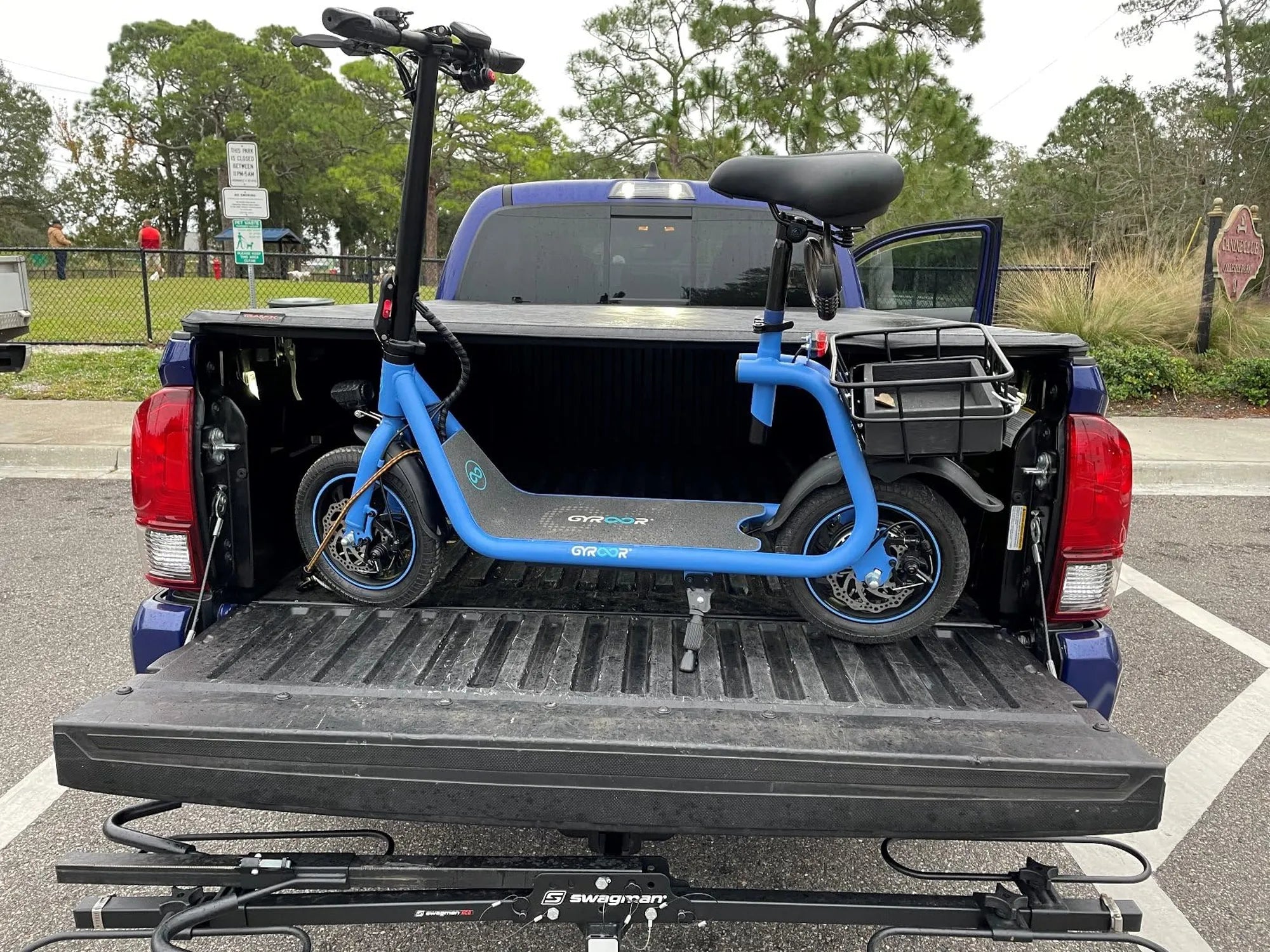
Electric scooters have surged in popularity as a convenient and eco-friendly mode of transportation in crowded urban areas. With cities becoming more congested and the need for sustainable travel options growing, these compact vehicles are carving out a significant niche in traffic systems worldwide. But how do they fit into the larger picture of urban mobility, and what challenges do they pose? Let’s dive into the world of electric scooters in traffic and uncover their impact.
The Rise of Electric Scooters in Urban Traffic
Electric scooters have become a common sight in cities, offering a quick and affordable way to navigate short distances. Their compact size and agility make them ideal for weaving through traffic, reducing commute times, and avoiding the frustrations of public transport delays. As urban populations grow, the demand for efficient, low-emission transportation options has skyrocketed, positioning electric scooters as a viable solution.
Benefits of Electric Scooters in Traffic
One of the most significant advantages of electric scooters is their environmental friendliness. Unlike traditional gas-powered vehicles, they produce zero emissions, helping to reduce air pollution in densely populated areas. Additionally, their small footprint alleviates traffic congestion, as they take up far less space than cars and can be parked almost anywhere.
Cost-effectiveness is another major draw. With rising fuel prices and the high cost of car ownership, electric scooters provide an affordable alternative. They require minimal maintenance, and their electricity costs are a fraction of what drivers spend on gasoline.
Challenges and Safety Concerns
Despite their benefits, electric scooters in traffic are not without challenges. Safety remains a top concern, as riders often share roads with larger, faster vehicles. Accidents involving scooters have risen in some cities, prompting calls for stricter regulations and better infrastructure, such as dedicated bike lanes.
Another issue is the lack of consistent rules governing their use. Some cities have embraced scooters with open arms, while others have imposed restrictions or outright bans due to safety and clutter concerns. Clearer guidelines and better enforcement are needed to ensure harmonious coexistence with other road users.
The Future of Electric Scooters in Traffic
As technology advances, electric scooters are likely to become even more integrated into urban traffic systems. Innovations like improved battery life, smarter speed controls, and enhanced safety features could address current limitations. Cities that invest in scooter-friendly infrastructure, such as charging stations and designated lanes, will likely see the greatest benefits.
Public awareness campaigns and rider education programs can also play a crucial role in promoting safe and responsible scooter use. By fostering a culture of shared responsibility, communities can maximize the advantages of this emerging mode of transportation.
Electric scooters are more than just a passing trend—they represent a shift toward smarter, greener urban mobility. Whether you’re a daily commuter or an occasional rider, understanding their role in traffic can help you navigate the streets of tomorrow with confidence.
Do I Need a Driving Licence for an Electric Scooter? The Ultimate Guide
Cost of Owning an Electric Scooter in India: A Comprehensive Breakdown