



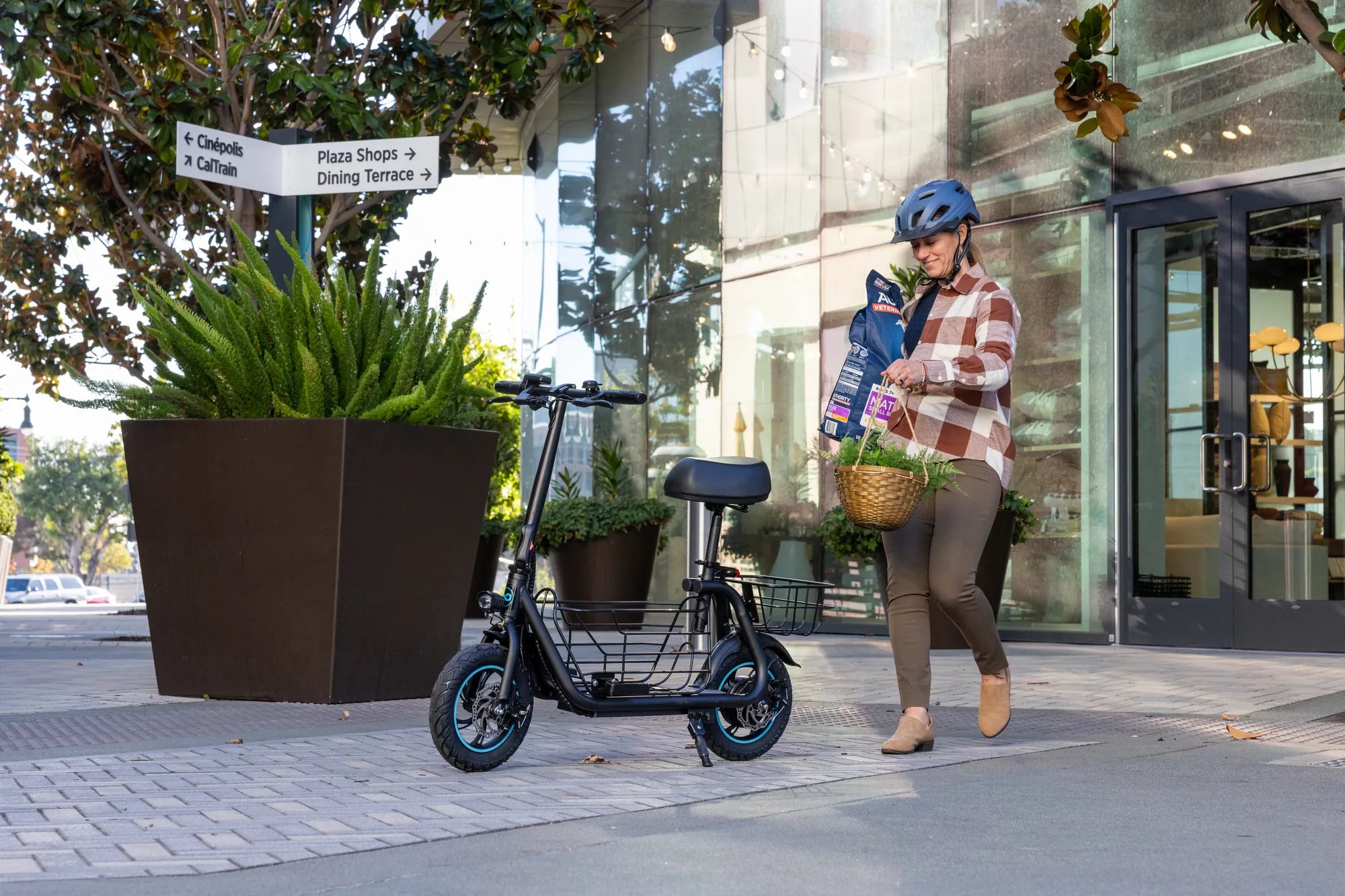
The rise of electric scooters is transforming cities worldwide, offering a sleek, eco-friendly, and cost-effective way to navigate urban landscapes. As traffic congestion and environmental concerns grow, these compact vehicles are becoming the go-to solution for millions. But what makes this market so promising, and what hurdles must it overcome to reach its full potential?
The Rapid Growth of Electric Scooters
Electric scooters have exploded in popularity over the past decade, with cities embracing them as a viable alternative to cars and public transport. The global market is projected to grow exponentially, driven by increasing urbanization and a shift toward sustainable mobility. Unlike traditional scooters, electric models are emission-free, quieter, and require minimal maintenance, making them an attractive option for commuters.
Why Electric Scooters Are Gaining Traction
Several factors contribute to the booming demand for electric scooters. First, they are incredibly efficient for short-distance travel, reducing commute times in crowded cities. Second, they are affordable compared to cars or motorcycles, with lower upfront costs and minimal operating expenses. Third, their compact size allows for easy parking and maneuverability, addressing one of the biggest pain points of urban living.
Environmental and Economic Benefits
One of the most compelling advantages of electric scooters is their positive environmental impact. By replacing gas-powered vehicles, they help reduce air pollution and greenhouse gas emissions. Additionally, their energy efficiency translates to lower fuel costs for users. Cities that integrate electric scooters into their transportation networks often see reduced traffic congestion and improved air quality, benefiting both residents and the environment.
Challenges Facing the Electric Scooter Market
Despite their potential, electric scooters face several challenges. Safety concerns, including accidents and injuries, have prompted calls for stricter regulations. Infrastructure gaps, such as a lack of dedicated lanes or charging stations, also hinder widespread adoption. Additionally, issues like vandalism and improper parking have led to conflicts in some cities. Addressing these challenges will be crucial for the market's long-term success.
The Future of Electric Scooters
As technology advances, electric scooters are expected to become even more efficient, with longer battery life and enhanced safety features. Innovations like smart connectivity and AI-powered navigation could further elevate their appeal. Governments and private companies are also investing in infrastructure to support this growing market, signaling a bright future for electric scooters as a cornerstone of urban mobility.
Electric scooters are more than just a trend—they represent a fundamental shift in how we move through cities. With their blend of convenience, affordability, and sustainability, they are poised to dominate the transportation landscape. The road ahead may have bumps, but the potential rewards are too significant to ignore. Are you ready to join the electric revolution?
How to Stop an Electric Scooter from Beeping: A Complete Guide
Electric Scooter Got Wet and Won't Turn On: How to Fix It and Prevent Future Damage