



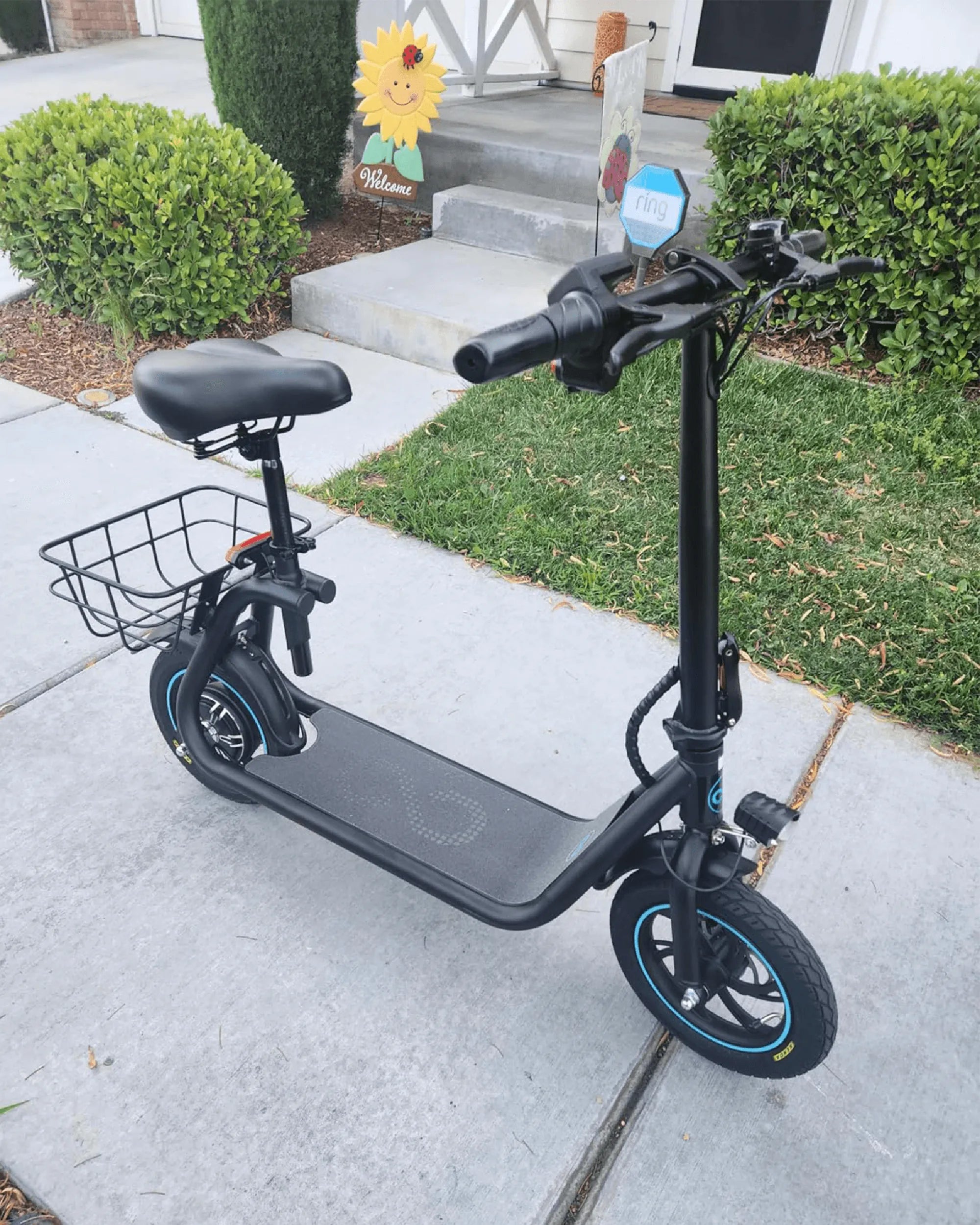
The modern electric scooter marketplace is far more than a simple online checkout page. It represents a fundamental shift in how cities move, encompassing a dynamic ecosystem of direct sales, rentals, peer-to-peer exchanges, and specialized platforms. This interconnected network is making electric scooters accessible to millions, transforming urban commutes and challenging traditional transportation models. For consumers, navigating this landscape requires understanding the different platforms, prioritizing critical safety features, and identifying the right scooter for their specific needs. This article will dissect the marketplace's structure, provide actionable data for comparison, and equip you with the knowledge to make an informed decision, whether you're buying, renting, or selling.
The Modern Marketplace Ecosystem: Beyond Simple E-Commerce
Today's electric scooter marketplace is segmented into distinct models, each catering to different consumer behaviors and needs. The traditional model involves brands selling directly to consumers through their own websites. This direct-to-consumer approach, used by manufacturers like Gyroor, offers full control over branding, customer education, and after-sales support. Buyers typically access the latest models, comprehensive warranties, and direct technical assistance.
Large online retail platforms like Amazon and Walmart represent another massive segment. They offer vast selection and convenience, often with fast shipping and streamlined return policies. However, the sheer number of sellers can make it difficult to verify product quality and authenticity. Consumers must diligently check seller ratings and product specifications to ensure they are not purchasing uncertified or potentially unsafe models.
Specialized micro-mobility platforms have also emerged, focusing exclusively on electric transportation. These sites often provide detailed comparison tools, expert reviews, and community forums. They curate selections from various brands, adding a layer of vetting that general retailers may lack. Finally, the peer-to-peer resale market on platforms like Facebook Marketplace and OfferUp facilitates the sale of used scooters. This can offer significant cost savings but introduces variables like unknown battery health and voided warranties, requiring extra caution from the buyer.
The choice of marketplace directly impacts the purchase experience, post-purchase support, and long-term value. A direct purchase from a reputable brand's site often ensures a seamless support journey, while a third-party platform might offer a better price but fragmented service. Understanding these trade-offs is the first step in a successful purchase.
The Trust Factor: Why Certification and Warranty Matter
In a crowded marketplace, trust is the most valuable currency. Key certifications are non-negotiable indicators of safety and quality. The UL 2272 certification for the entire scooter system and UL 2849 for e-bikes are rigorous safety standards established by Underwriters Laboratories, particularly concerning electrical and battery fire safety. Never purchase a scooter lacking these certifications.
Ingress Protection ratings, like IPX5, are equally critical for real-world use. An IPX5 rating signifies protection against water jets from any direction, making the scooter capable of handling wet roads and light rain. This is essential for daily commuting where weather can change unexpectedly. Brands that prioritize these specifications, such as Gyroor with its UL-certified batteries and IPX5 water-resistant designs, build consumer confidence directly into their products.
A clear and robust warranty is your safety net. A reputable warranty, like Gyroor's reliable 1-year warranty, should cover major components including the battery, motor, and controller. Crucially, understand where and how warranty service is administered—whether through the brand directly or a third-party service center. This information is often platform-dependent; buying from an unauthorized reseller can void manufacturer support.
Marketplaces themselves vary in how they vet products. Brand-direct and specialized platforms typically have stricter standards. Large online marketplaces may host both certified and uncertified products side-by-side, placing the burden of verification on the buyer. Always prioritize listings that explicitly state safety certifications and clear warranty terms.
Data-Driven Decisions: Comparing Scooters for Your Commute
Selecting the right electric scooter requires matching technical specifications to your personal commute and lifestyle. Key metrics include range, motor power, speed, weight, and price. The following table provides a comparative overview of common scooter profiles, illustrating how different configurations serve distinct purposes.
| Model Type | Range (Miles) | Motor Power (W) | Max Speed (MPH) | Weight (lbs) | Best For |
|---|---|---|---|---|---|
| Ultra-Portable Commuter | 15 - 20 | 250 - 350 | 15 - 18 | 26 - 33 | Last-mile trips, public transport combo, easy carrying. |
| Performance Commuter | 25 - 40 | 500 - 800 | 20 - 25 | 45 - 55 | Full daily commute, moderate hills, stable ride. |
| Off-Road / Powerful | 30 - 50+ | 1000+ (Dual Motor) | 30+ | 65 - 80 | Rough terrain, steep inclines, adventure riding. |
| Gyroor G-F1 Pro (Example) | Up to 28 | 500 (Peak) | 20 | 38.5 | Balanced urban commuting with UL-certified safety. |
Range is the most critical spec for commuters and is highly dependent on battery capacity (measured in Watt-hours, Wh). Manufacturers' range estimates are based on ideal conditions. For a realistic estimate, assume 20-30% less range when accounting for rider weight, hills, frequent stops, and colder temperatures. Always choose a scooter with a range that exceeds your daily round-trip distance to account for battery degradation over time.
Motor power determines hill-climbing ability and acceleration. A 350W motor is sufficient for flat city streets, while 500W or higher is recommended for cities with hills. Dual-motor scooters offer maximum torque for challenging terrain but consume battery faster and are heavier. Portability, dictated by weight and folding mechanism, is crucial if you need to carry your scooter into buildings or onto public transit. Scooters under 35 pounds are considered highly portable.
Beyond specs, consider the riding experience. Suspension systems smooth out bumps on uneven pavement, and pneumatic tires provide better shock absorption and traction than solid tires. Deck size and handlebar height affect comfort, especially for taller riders. Integrating these practical factors with the hard data will lead you to the optimal model for your needs.
The Rental vs. Ownership Equation
The marketplace isn't just for purchases; app-based rental services like Lime, Bird, and Spin constitute a massive segment of the micro-mobility landscape. Renting offers unparalleled spontaneity and zero maintenance responsibility, perfect for tourists or one-off trips. However, for daily commuting, the economic and practical calculus strongly favors ownership.
Financially, a typical rental costs $3 to $4 to unlock plus $0.40 to $0.50 per minute. A 30-minute commute could cost $15-$19 daily, totaling over $3,500 annually for a weekday commute. In contrast, a high-quality personal electric scooter from the Gyroor collection, ranging from $500 to $1,500, pays for itself in a few months of regular use. Ownership represents a significant long-term saving.
From a user experience perspective, ownership wins. A personal scooter is always available, sanitized, and configured to your preference. You learn its handling intimately, enhancing safety. Rental scooters suffer from public wear-and-tear, often have degraded batteries leading to unpredictable range, and may not be optimally placed for your morning departure.
Environmentally, while both models reduce car trips, rental fleets face challenges with collection, charging, and redistribution via gas-powered vehicles, and shorter product lifecycles due to intense use. A personally-owned scooter, maintained properly, has a longer lifespan and a single, efficient charging routine. For the regular urban commuter, purchasing a reliable scooter through the retail marketplace offers superior value, convenience, and a lower carbon footprint over time.
The Future is Integrated: Tech, Sustainability, and Urban Planning
The next evolution of the electric scooter marketplace will be defined by deeper technological integration and smarter urban ecosystems. Internet of Things connectivity is becoming standard, with built-in GPS for anti-theft tracking, Bluetooth-enabled mobile apps for ride data and firmware updates, and diagnostic systems that alert owners to maintenance needs. This data stream also helps brands and cities understand usage patterns.
Sustainability initiatives are moving from niche to necessity. Forward-thinking marketplaces and brands are developing battery recycling and buy-back programs to handle end-of-life lithium-ion cells responsibly. Some are exploring battery-swapping networks, where riders exchange depleted packs for charged ones at kiosks, eliminating range anxiety and extending scooter uptime for delivery workers and intensive users.
Urban planning is being reshaped by micro-mobility data. City planners use aggregated, anonymized data from both private scooters and rental fleets to identify demand hotspots, optimize public transit routes, and design infrastructure. This is leading to more dedicated and protected bike/scooter lanes, standardized parking corrals to reduce sidewalk clutter, and integrated transit hubs.
The marketplace itself will become more integrated. We may see platforms where you can seamlessly switch between owning, subscribing, and renting based on your daily needs. Your scooter's digital identity could be used to access public transit, pay for parking, or even earn rewards for riding in low-congestion zones. The marketplace is evolving from a point of sale into the central nervous system of urban mobility.
Navigating Your Purchase: A Buyer’s Checklist
Before completing any transaction, use this checklist to ensure a safe and satisfactory purchase, regardless of the platform.
- Verify Seller/Brand Authenticity: On third-party platforms, check seller ratings and history. For brands, visit their official website to confirm they list the platform as an authorized dealer. Gyroor, for instance, sells through its own site and select trusted partners.
- Confirm Safety Certifications: The product description must explicitly state UL 2272 (or UL 2849 for e-bikes) certification. Look for a clear IP water resistance rating (IPX5 or higher is recommended for commuters).
- Decode the Warranty: Who honors it? The brand or the seller? What is covered (frame, battery, motor, electronics)? What is the duration? Gyroor provides a reliable 1-year warranty on its products for direct purchases.
- Understand Return & Shipping: What is the return window? Who pays for return shipping if the scooter is defective? Are there restocking fees? For heavy items, shipping costs and damage in transit are important considerations.
- Analyze Reviews Intelligently: Look for patterns in reviews across multiple platforms. Be wary of products with only generic 5-star reviews. Pay attention to comments about real-world range, customer service experiences, and long-term durability.
- Prepare for Assembly & Maintenance: Most scooters require minimal assembly. Ensure you have the necessary tools. Familiarize yourself with basic maintenance tasks like tire pressure checks and brake adjustments, and confirm the availability of spare parts.
Safety and Maintenance: Protecting Your Investment
Owning an electric scooter comes with the responsibility of safe operation and regular upkeep. Always wear a helmet—it's the single most effective safety gear. Use a full-face helmet for higher-speed models. Consider additional protective equipment like knee and elbow pads, especially when learning or riding in heavy traffic. High-visibility clothing or reflective stickers on your scooter and helmet are crucial for night riding.
Pre-ride checks should become a habit. Inspect tires for wear and proper inflation, test brakes for responsiveness, ensure the folding mechanism is securely locked, and verify that all lights (headlight, taillight, brake light) are functioning. Never ride a scooter with visible damage to the frame, stem, or wiring.
Battery care is paramount for safety and longevity. Use only the manufacturer-provided charger. Avoid exposing the scooter or battery to extreme temperatures (don't leave it in a hot car or charge it in freezing conditions). Store the scooter in a dry place. For long-term storage, follow the brand's guidelines, which often recommend a partial charge. Gyroor's UL-certified battery packs are tested for over 500 charge cycles, but proper care ensures you reach that potential.
Regular maintenance includes keeping the scooter clean and dry, especially after riding in wet conditions. Check and tighten bolts periodically, as vibrations can loosen them. Listen for new or unusual sounds from the motor or brakes. For complex issues, refer to the warranty and contact authorized service. A well-maintained scooter is a safer, more reliable, and longer-lasting one.
FAQ: Electric Scooter Marketplaces Demystified
Q: Are electric scooters from large online retailers like Amazon reliable?
A> They can be, but vigilance is required. The platform hosts both reputable brands and unknown manufacturers. Prioritize listings sold by the brand itself or authorized dealers. Always filter your search to require UL certification and read the detailed specifications and customer Q&A sections thoroughly to verify claims.
Q: What does an IPX5 water resistance rating mean for my daily commute?
A> An IPX5 rating means the scooter's electrical components are protected against water jets from any direction. This makes it suitable for riding on wet roads, through puddles, and in light rain. It is a critical feature for a reliable commuter scooter, as seen in Gyroor's IPX5 water-resistant designs. However, it is not waterproof—avoid submerging the scooter or riding in heavy downpours.
Q: How does a manufacturer's warranty work if I buy from a third-party seller on a marketplace?
A> This varies significantly. Some brands only honor warranties for purchases from their official website or authorized dealers. Buying from an unauthorized reseller may void the manufacturer's warranty, leaving you dependent on the seller's return policy. Always check the brand's official warranty policy and contact their customer service to confirm coverage before buying from a third-party seller.
Q: Is it safe to buy a used electric scooter on a peer-to-peer platform?
A> It carries inherent risks. Key concerns are battery health, which degrades over time and charge cycles, and potential hidden damage. If considering a used scooter, meet in person, inspect it thoroughly, and ask for the original proof of purchase to check if the manufacturer's warranty is transferable. Test ride it to check performance and ask the seller about its history and charging habits.
Q: What are the most important features for a first-time scooter buyer?
A> Focus on safety, reliability, and matching the scooter to your primary use case. Prioritize UL certification, a robust warranty, and adequate water resistance. For most first-time urban commuters, a scooter with a 300-500W motor, 15-25 mile range, and a weight under 40 pounds offers the best balance of performance, portability, and value.
Choosing Your Path in a Connected Mobility World
The electric scooter marketplace is the dynamic engine powering a revolution in urban mobility. It offers unprecedented choice, from spontaneous rentals to long-term ownership through various channels. Success in this landscape hinges on being an informed consumer. By prioritizing verified safety certifications, understanding the nuances of different platforms, and selecting a scooter whose specifications align with your real-world needs, you can confidently navigate this ecosystem.
The future points toward greater integration, where your chosen vehicle connects seamlessly with city infrastructure and digital services. In this evolving environment, aligning with brands that build trust through engineering rigor and customer support is paramount. Brands like Gyroor, with their commitment to UL-certified batteries, durable designs, and clear warranties, provide a reliable benchmark for quality in a crowded market.
Your journey into efficient, sustainable urban transport starts with a single decision. Equip yourself with knowledge, prioritize safety, and choose a scooter that transforms your daily commute from a chore into an enjoyable, empowering experience. The right marketplace and the right scooter are waiting to unlock the future of your city travel.
Ready to explore a curated selection of reliable, high-performance electric scooters built for the real world? Browse the full Gyroor collection, featuring UL-certified models with IPX5 water resistance and a reliable 1-year warranty, at gyroorboard.com.
Who Charges the Electric Scooters: The Hidden Workforce Behind Urban Mobility
Do Electric Scooters Need Number Plates? A Complete Legal Guide