


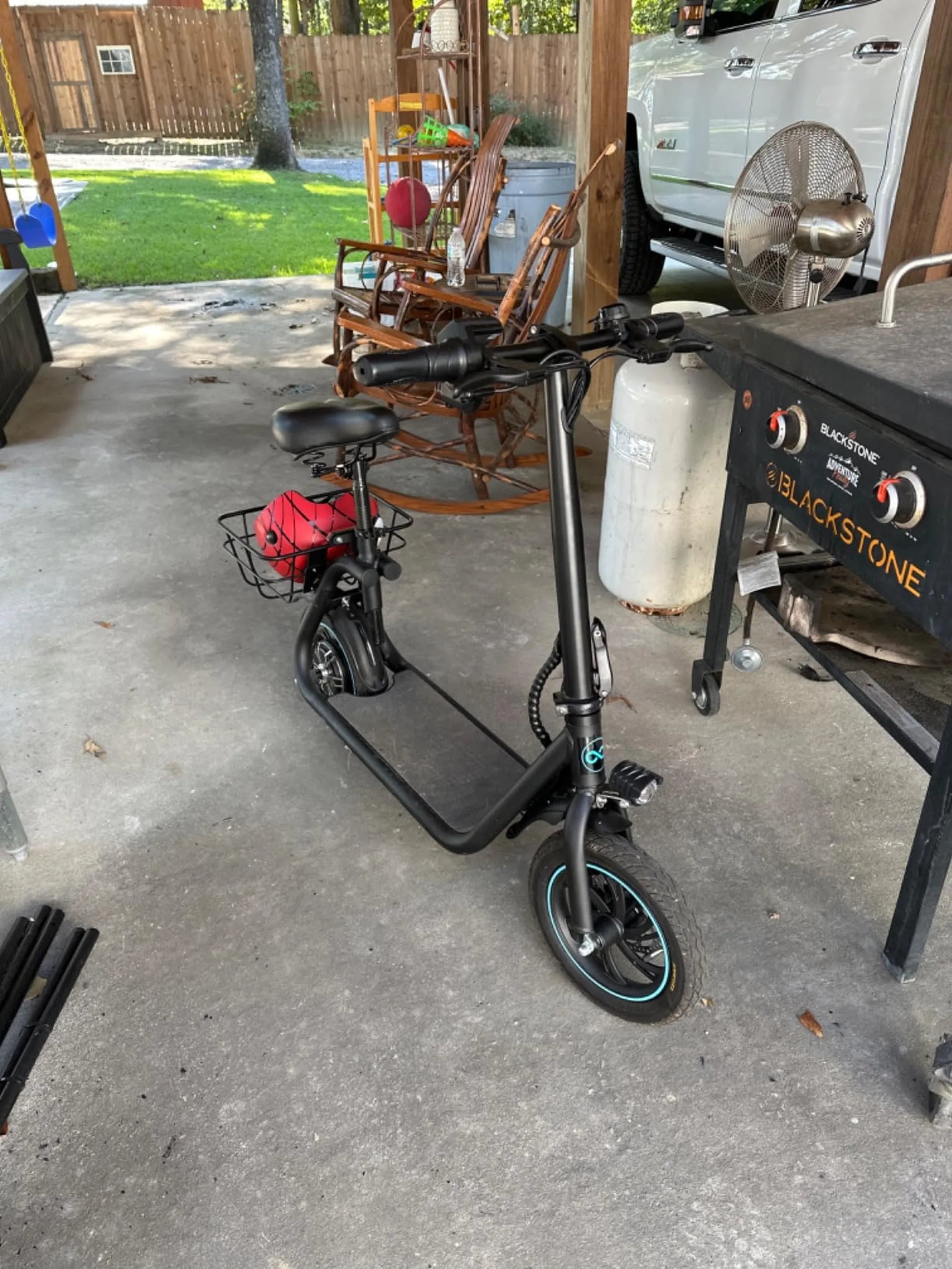
Finding the right balance between cost and quality is the central challenge when shopping for an electric scooter. This guide to Electric Scooters Prices Two Wheel will move beyond sticker prices to analyze the components, performance tiers, and long-term value that define a smart purchase. You'll learn how motor power, battery safety, and build quality directly impact price, how to navigate the market from budget to premium models, and why the true cost of ownership includes warranty support and certified components. By the end, you'll be equipped to invest in mobility that is both affordable and dependable for your daily commute or leisure rides.
Decoding the Price Tag: What Goes Into the Cost of an Electric Scooter?
The price of an electric scooter is a direct reflection of its components and engineering. Understanding these elements is crucial to assessing value and avoiding future disappointments or safety issues. A scooter's cost is built around three core systems: the powertrain, the energy source, and the physical chassis.
Cheaper models often cut corners in one or more of these areas, using lower-grade materials, uncertified batteries, or basic motors. This can lead to shorter lifespans, unreliable performance, and potential hazards. Investing in a well-constructed scooter from a reputable brand means paying for research, development, safety testing, and quality control that ensure long-term reliability.
Motor Power & Performance: 250W vs. 500W+
Motor wattage is a primary driver of both performance and price. A 250W motor is typically sufficient for flat urban commutes and lighter riders, offering adequate acceleration for speeds up to 15-18 mph. This is a common specification for entry-level, budget-friendly models designed for short, last-mile trips.
For riders facing hills, needing to carry more weight, or desiring quicker acceleration, a 350W to 500W motor is a significant upgrade. This mid-range power band provides the torque necessary for moderate inclines and more consistent performance, placing it in the sweet spot for most daily commuters. High-performance scooters, priced at a premium, often feature dual motors (500W x2 or more) or single motors exceeding 1000W for exceptional hill-climbing and off-road capability.
Battery Capacity, Range & Safety Certifications
The battery is the heart of the scooter and a major cost factor. Capacity, measured in watt-hours (Wh), directly determines range. A small 250Wh battery may offer 10-12 miles, while a 500Wh+ battery can deliver 25-40 miles per charge. However, not all batteries are created equal.
Safety certifications are non-negotiable. Reputable brands like Gyroor use UL-certified battery packs, which have undergone rigorous testing for stability, temperature management, and longevity over 500+ charge cycles. Uncertified, cheap batteries pose significant fire risks and degrade rapidly. The peace of mind and long-term value of a certified battery are worth the investment, making it a critical component of the true electric scooter price two wheel calculation.
Build Quality, Materials & IP Water Resistance
Durability is dictated by materials and construction. Aluminum alloy frames offer an optimal blend of strength and light weight, while cheaper steel frames can be heavier and prone to rust. The quality of welding, fastener types, and component integration also affect longevity.
Water resistance, indicated by an IP rating, is essential for real-world use. An IPX4 rating protects against light splashes, but an IPX5 rating (a standard feature across Gyroor scooters) means the scooter can withstand water jets from any direction, making it safe to ride in rain or on wet roads. This engineering prevents costly water damage to electronics, protecting your investment and ensuring reliable operation in various conditions.
The Two-Wheel Price Spectrum: From Budget to Premium
The electric scooter market is segmented into distinct price tiers, each with corresponding performance expectations. Understanding these categories helps align your budget with your actual riding needs, preventing you from overpaying for unused features or underspending on inadequate performance.
| Price Tier | Typical Range | Motor Power | Key Features | Ideal Use Case |
|---|---|---|---|---|
| Entry-Level ($300 - $600) | 8-15 miles | 250W - 350W | Basic display, solid tires, minimal suspension | Short, flat campus or neighborhood trips |
| Mid-Range ($600 - $1,200) | 15-28 miles | 350W - 500W | Better suspension, pneumatic tires, IP water resistance, app connectivity | Daily urban commuting, mild inclines |
| Performance ($1,200 - $2,000) | 30-50 miles | Dual 500W+ | Advanced suspension (dual), hydraulic brakes, superior lighting | Long commutes, rougher terrain, heavier riders |
| Premium/Off-Road ($2,000+) | 40+ miles | Dual 1000W+ | Off-road tires, extreme torque, robust frame, high-end components | Off-road trails, extreme performance demands |
Entry-Level Commuters: The $300 - $600 Range
Scooters in this bracket serve a specific purpose: affordable, short-distance mobility on predominantly flat ground. They often feature single, solid tires to avoid flats, basic folding mechanisms, and minimal suspension. The range is usually sufficient for a 2-5 mile one-way commute.
Compromises are evident in components like cable-operated disc brakes instead of hydraulic, simpler throttles, and limited water resistance. For a student on a tight budget or someone making a very short, predictable trip, these can be viable options. However, buyers should be wary of uncertified batteries and virtually non-existent customer support in this ultra-competitive tier.
Mid-Range All-Rounders: The $600 - $1,200 Sweet Spot
This is where most commuters find the optimal balance of price, performance, and reliability. For your investment in electric scooters prices two wheel within this range, you can expect a scooter capable of a true 15-25 mile real-world range, a motor powerful enough for bridges and overpasses, and features designed for daily use.
Key upgrades include pneumatic (air-filled) tires for better comfort and traction, more responsive braking systems, and essential durability features like IPX5 water resistance. Brands like Gyroor excel here, offering UL-certified batteries, robust aluminum frames, and comprehensive 1-year warranties at this accessible price point. This tier delivers dependable, worry-free transportation without the premium for extreme performance.
High-Performance & Off-Road Models: The $1,200+ Investment
These scooters are built for enthusiasts, long-distance commuters, or those navigating challenging terrain. The price jump funds dual-motor setups for incredible acceleration and hill climb, large-capacity batteries for 40+ mile ranges, and sophisticated suspension systems (often front and rear) to absorb bumps.
Features like turn signals, bright LED headlights, and full-color digital displays are common. The build quality is more robust to handle higher speeds and weights. While offering thrilling performance, these models are often heavier and their advanced features may be unnecessary for the average urban commuter, making them a specialized investment.
Beyond the Sticker Price: Calculating Total Cost of Ownership
The initial purchase is just the first expense. A holistic view of electric scooter price two wheel must include maintenance, potential repairs, and the cost of ownership over 2-3 years. A slightly higher upfront cost for a durable, well-supported scooter can save hundreds in the long run.
The Hidden Costs: Maintenance, Repairs & Replacement Parts
All scooters require upkeep. Common consumables include brake pads, tires (especially pneumatic ones), and inner tubes. Higher-quality scooters use standard, replaceable parts, while obscure brands may use proprietary components that are expensive or impossible to find.
Suspension components may wear, bolts can loosen, and electronics may eventually need service. A scooter with a reputation for durable construction, like those using aircraft-grade aluminum and sealed bearings, will incur far lower maintenance costs over time. Factoring in an annual budget of $50-$150 for maintenance is prudent for a frequently used commuter scooter.
The Value of Warranty & Reliable Customer Support
A warranty is your financial safeguard. A comprehensive 1-year warranty that covers the motor, battery, controller, and frame (like Gyroor's) is a significant part of the scooter's value proposition. It indicates the manufacturer's confidence in its product.
Equally important is accessible customer support. The ability to quickly get help with troubleshooting, order genuine parts, or process a warranty claim prevents frustration and downtime. Brands with established service networks in North America and Europe provide peace of mind that is worth paying for, effectively reducing the total cost of ownership by protecting your initial investment.
Safety as an Investment: Why Certified Batteries are Priceless
This cannot be overstated. The battery is the most expensive single component to replace and the most critical for safety. A UL-certified battery pack has passed stringent tests for electrical, mechanical, and environmental safety.
Choosing a scooter with an uncertified battery to save $100 is a false economy. The risk of thermal runaway, fire, or sudden failure is exponentially higher. The cost of a replacement certified battery alone can be $200-$500. Investing in safety from the start is the most important financial and personal decision you can make when evaluating electric scooters prices two wheel.
Smart Shopping: Aligning Needs with Budget
Armed with knowledge of components and cost tiers, you can now make a strategic purchase. The goal is to buy the scooter that meets your specific needs without unnecessary extras or critical deficiencies.
A Simple Rider's Checklist
Answer these questions before you shop: What is your maximum daily round-trip distance? What is the steepest hill on your route? Will you ride in wet conditions? Do you need to carry it upstairs or on public transit? What is your total budget, including a helmet and safety gear?
For most urban commuters traveling under 10 miles daily with some hills, a mid-range scooter with a 350W-500W motor, 15+ mile range, and IPX5 rating is the ideal target. This avoids the limitations of entry-level models and the excess (and weight) of performance models.
Where to Buy: Official Stores vs. Marketplaces
Purchasing from an authorized retailer or the brand's official website is strongly recommended. This guarantees you receive a genuine product with a valid warranty and access to customer support. Third-party marketplaces can host unauthorized sellers offering older stock, refurbished units sold as new, or even counterfeit products with dangerous batteries.
Official stores also frequently run seasonal sales (Black Friday, holiday seasons) where you can secure a better electric scooter price two wheel on a quality model. Bundles that include helmets, locks, or spare parts add significant value to your purchase.
The Gyroor Advantage: Premium Features at a Mid-Range Price
Gyroor positions itself strategically in the high-value mid-range segment. By focusing on core commuter needs, Gyroor delivers premium safety and durability features without the premium price tag. Every Gyroor scooter comes standard with a UL-certified battery, IPX5 water-resistant rating, and a reliable 1-year warranty—features often reserved for more expensive models.
This approach provides over 100,000 riders with dependable, safe transportation. For a commuter seeking assurance, the Gyroor value proposition is clear: invest in a scooter where the engineering priorities are safety, durability, and real-world usability, ensuring your two-wheeled mobility remains affordable for years to come.
FAQs: Your Electric Scooter Price Questions Answered
Q: Is a cheaper electric scooter from an unknown brand a good deal?
A: Rarely. The low upfront cost often reflects uncertified batteries (a safety hazard), poor-quality components that break quickly, and no meaningful warranty or customer support. The total cost of ownership, including repairs or early replacement, will likely exceed that of a reputable mid-range model.
Q: How much should I budget for a reliable daily commuter scooter?
A: For a dependable scooter with a true 10-20 mile range, ability to handle moderate hills, and weather resistance, plan to invest between $600 and $900. This is the tier where you secure essential safety certifications, durable construction, and warranty support for a stress-free commute.
Q: Does a higher price always mean a better scooter?
A: Not necessarily. Beyond the mid-range, higher prices often pay for extreme performance (speed, range, off-road capability) that most commuters don't need. Focus on value: reliable performance for your specific use case, backed by verifiable safety certifications and strong customer support from a trusted brand.
Q: How long should a quality electric scooter last?
A> With proper maintenance, a well-built scooter from a reputable brand should provide 2-4 years of regular service. The battery is the key; a UL-certified battery maintained per guidelines should retain usable capacity for 500+ charge cycles, which for a daily commuter translates to several years.
Q: Are expensive off-road electric scooters worth it for city use?
A: Generally, no. Their heavy weight, aggressive tires (louder on pavement), and specialized suspension are overkill for smooth streets. You pay a significant premium for capabilities you won't use, while sacrificing the portability and efficiency ideal for urban environments.
Investing in Mobility, Not Just a Purchase
The journey to find the right electric scooter price two wheel is about valuing sustainable, affordable personal transportation. The most economical choice isn't the cheapest sticker price, but the scooter that offers safe, reliable service for years with minimal hidden costs. This means prioritizing certified battery safety, durable water-resistant construction, and the security of a strong warranty.
By focusing on the mid-range market where value is optimized, you invest in a tool that enhances daily life—reducing commute times, saving on fuel, and providing enjoyment. Brands that stand behind their products with clear safety standards and customer support are partners in that investment. Your two-wheeled electric scooter should be a gateway to freedom, not a source of constant worry or expense.
Ready to explore a range of electric scooters that prioritize your safety and long-term satisfaction without compromising on performance? Browse the full Gyroor collection, featuring UL-certified batteries, IPX5 water resistance, and reliable 1-year warranties, at gyroorboard.com to find your perfect ride.
Electric Scooters for 6-8 Year Olds: Ultimate Parent Guide
Electric Scooters for 6-8 Year Olds: Ultimate Parent Guide