



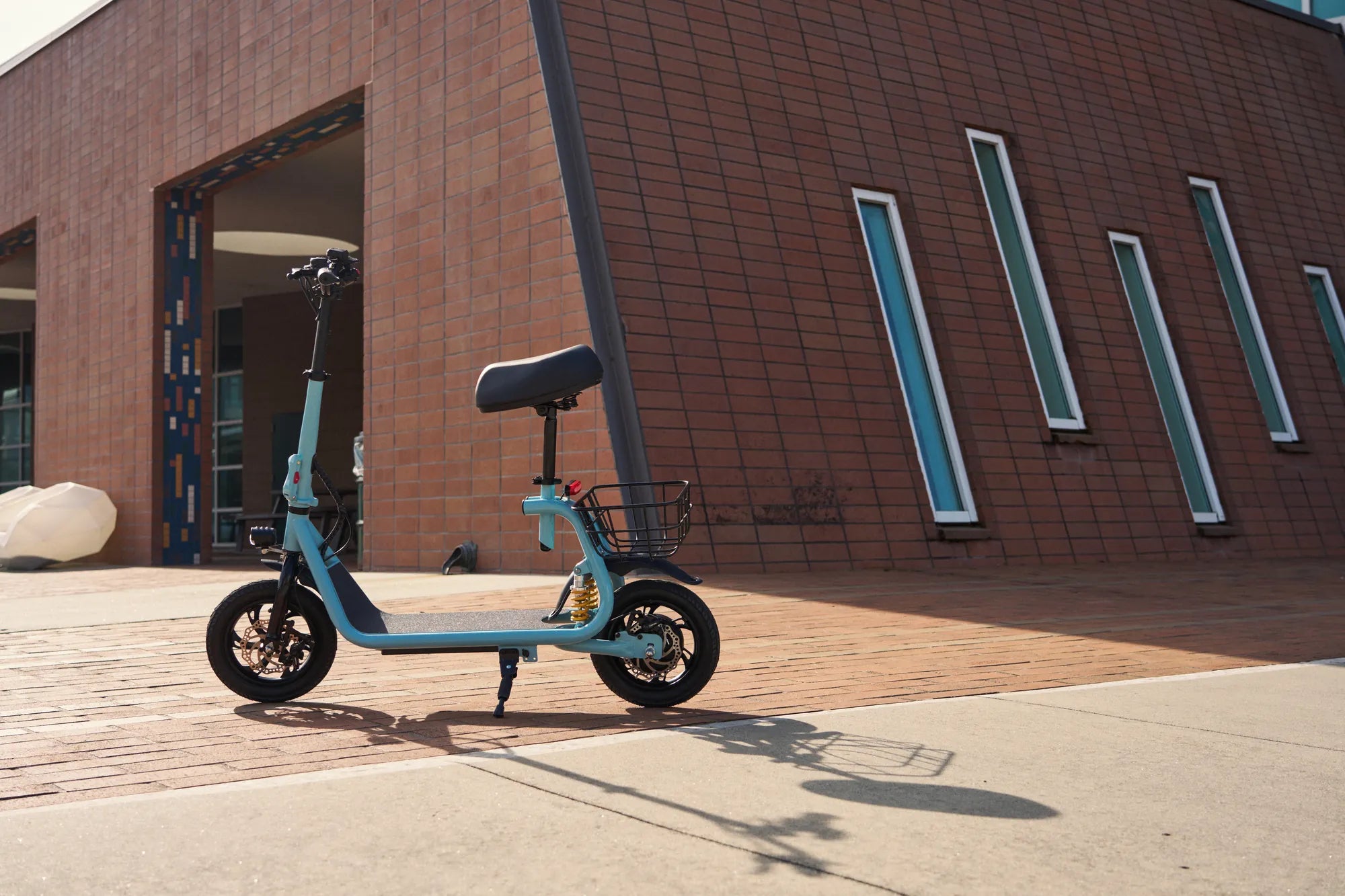
Introduction: The Evolution of Urban Mobility
The urban commute is being rewritten. A new era of transportation has arrived, defined not by raw power or novelty, but by intelligence, reliability, and, most critically, safety. The keyword defining this shift is clear: Electric Scooters Safe Are Now New. This phrase encapsulates a paradigm shift where the latest generation of personal electric vehicles has moved beyond being mere gadgets to become legitimate, engineered-for-purpose mobility tools. The conversation has evolved from "Are they fun?" to "Are they safe for my daily life?"—and the answer is a resounding yes, thanks to foundational technological advancements.
This transformation addresses the core concerns of early adopters and skeptics alike: battery fire risks, durability in real-world conditions, and consistent performance. Modern electric scooters are built with certified components, robust designs, and integrated safety features that prioritize rider protection. This article will dissect the engineering, data, and practices that make today's e-scooters a safe and smart choice for navigating modern cities.
Leading this evolution are brands committed to these principles. Gyroor, a leading electric scooter and e-bike brand trusted by over 100,000 riders across North America and Europe, exemplifies this new standard. Known for UL-certified batteries, IPX5 water-resistant designs, and a reliable 1-year warranty, Gyroor's approach mirrors the industry's pivot toward safety and longevity. We will explore what "safe" and "new" truly mean in the context of contemporary urban mobility.
The "New" Era: How Modern Scooters Are Engineered for Safety
The term "new" in Electric Scooters Safe Are Now New refers to a fundamental redesign of priorities. Earlier models often prioritized low cost and basic functionality. Today's leading models are engineered from the ground up with safety as a core design pillar, not an afterthought. This involves rigorous component certification, advanced materials, and systems thinking that integrates mechanical and electronic safeguards.
This engineering philosophy results in vehicles that are predictable, durable, and resilient. It means a scooter that performs consistently in the rain, stops reliably on a steep hill, and whose battery management system actively prevents hazardous conditions. The difference is tangible from the first ride, offering confidence that empowers riders to integrate e-scooters into their daily routines securely.
For commuters and casual riders alike, this shift is transformative. The reliability of a daily commute no longer hinges on fair weather or perfect pavement. The new generation of e-scooters, like those in Gyroor's lineup, are built to handle the unpredictability of urban environments, making the promise of convenient, car-alternative travel a practical reality.
The Foundation: Battery Safety and Certification
The single most critical safety component in any electric scooter is its battery pack. The shift to safety is epitomized by the widespread adoption of UL-certified lithium-ion batteries. Certification from recognized testing laboratories like UL Solutions involves stringent tests for electrical, mechanical, and environmental safety, drastically reducing the risk of thermal runaway—a chain reaction leading to fire.
Brands like Gyroor use these UL-certified battery packs, which are tested for over 500 charge cycles while maintaining stability. This certification ensures high-quality cells, robust battery management systems (BMS) that monitor temperature, voltage, and current, and secure, fire-retardant packaging. It is the foundational feature that makes the modern electric scooter safe and trustworthy.
Contrast this with uncertified, off-market batteries that may use lower-grade cells and lack proper BMS protection. The risk differential is significant. Choosing a scooter with a certified battery is the first and most important decision a safety-conscious rider can make, turning a potential liability into a source of reliable power.
Built to Endure: Water Resistance and Durability
Urban riding means encountering puddles, rain, and road spray. A scooter that shorts out in wet conditions is not just an inconvenience; it's a safety hazard that can lead to sudden loss of power or control. This is where ingress protection (IP) ratings become crucial. An IPX5 rating, a standard feature in Gyroor's core models, means the scooter's electrical components are protected against water jets from any direction.
This level of water resistance safeguards the motor, controller, battery compartment, and wiring from everyday moisture. It ensures the scooter remains operational and safe during a sudden downpour or when navigating wet streets. Durability extends beyond water protection to include reinforced folding mechanisms, aircraft-grade aluminum frames, and impact-resistant designs that withstand the vibrations and minor impacts of city riding.
This robust construction directly enhances safety by preventing mechanical failures. A loose stem or a failing connection mid-ride can cause accidents. The new generation of scooters is built to stay tight, solid, and reliable over thousands of miles, giving riders peace of mind with every journey.
Stopping Power and Control: Advanced Braking Systems
Effective braking is non-negotiable for safety. Modern scooters have moved far beyond basic friction brakes. The current standard often combines multiple systems for redundancy and performance. Common configurations include electronic regenerative braking, which converts kinetic energy back into battery charge while slowing the scooter smoothly, paired with a mechanical disc or drum brake for maximum stopping power.
Dual braking systems—applying stopping force to both the front and rear wheels—provide balanced, stable deceleration that prevents skidding, especially on slick surfaces. Hydraulic or semi-hydraulic disc brakes offer superior modulation and consistent performance with less hand fatigue compared to cable-actuated systems. This multi-layered approach to braking ensures that riders can stop predictably and safely in emergency situations, a core tenet of what makes electric scooters safe in dynamic traffic.
This engineering focus on deceleration is as important as acceleration. It represents a mature understanding that urban mobility requires control in all scenarios, from avoiding a pedestrian to navigating a busy intersection.
Data-Driven Safety: Features That Protect the Rider
Beyond foundational engineering, the new wave of e-scooters incorporates active and passive features designed to prevent accidents and protect the rider. These are often enabled by digital integration and smart design, creating a protective ecosystem around the riding experience. This layer of safety turns the scooter from a simple vehicle into an intelligent mobility partner.
From enhanced visibility to real-time diagnostics, these features provide constant feedback and intervention. They address the two primary aspects of accident prevention: ensuring the rider can see the environment clearly and, more importantly, ensuring the rider is seen by everyone else. This dual focus is critical for safe integration into shared urban spaces.
The integration of these features is what separates contemporary models from their predecessors. They are not just add-ons but are seamlessly built into the scooter's functionality, making safe riding the default, not the exception.
Illumination for Visibility: Lighting Systems
Comprehensive lighting is a critical safety feature for any vehicle used at dawn, dusk, or night. Modern safety-focused scooters feature a full lighting suite. This includes a bright LED headlight (often exceeding 300 lumens) to illuminate the path ahead, a high-mounted brake light that activates upon deceleration to signal intent to vehicles behind, and integrated sidelights or deck lights.
These deck or wheel-well lights serve a dual purpose: they make the rider highly visible from the side, and they increase presence on the road, helping cars gauge distance and speed. This 360-degree visibility is essential for safety in complex urban traffic, making the statement Electric Scooters Safe Are Now New visually apparent to all road users.
Some advanced models even feature automatic lighting that activates in low-light conditions, ensuring the rider is never caught without visibility due to forgetfulness. This proactive approach to being seen is a hallmark of rider-centric design.
Stability in Motion: Tire Technology and Suspension
Stability is the precursor to control. The interface between the scooter and the road—its tires and suspension—dictates grip, comfort, and handling. For urban terrain riddled with cracks, potholes, and uneven surfaces, advanced tire and suspension systems are vital safety components. The right setup prevents loss of traction and helps maintain composure over obstacles.
Air-filled (pneumatic) tires offer superior shock absorption and grip compared to solid tires, providing a smoother ride and better traction on wet surfaces. When paired with a front and/or rear suspension system—whether spring-based or hydraulic—the scooter can absorb impacts that would otherwise jolt the rider, potentially causing loss of balance.
This combination ensures the wheels maintain contact with the ground, and the rider maintains control. For the daily commuter, this means confidently navigating less-than-perfect infrastructure without fearing a sudden spill, a key factor in making electric scooters safe for regular use.
Connectivity and Control: App Integration & Safety Alerts
Smartphone integration elevates safety through customization and information. Companion apps allow riders to tailor their experience to their skill level and local laws. Key safety features accessible via app often include speed limiters (setting a maximum speed), customizable acceleration curves (gentler start-up), and cruise control to reduce hand fatigue on long, straight paths.
Furthermore, these apps provide vital diagnostics: real-time battery level monitoring with voltage readouts, motor temperature alerts, and error code notifications. An anti-theft alarm that triggers if the scooter is moved while locked is another safety and security feature. This connectivity transforms the rider from a passive user to an informed operator, able to preempt maintenance issues and adapt the scooter's behavior for optimal safety.
This digital layer represents the intelligence in the new era of mobility. It provides a feedback loop that helps maintain the scooter in peak condition and allows the rider to set parameters that match their comfort zone, directly reducing risk.
The Safe Rider's Checklist: Beyond the Scooter
Even the most advanced electric scooter is only one part of the safety equation. The rider's knowledge, preparation, and behavior are equally crucial. A safety-first mindset involves gear, pre-ride habits, and smart riding practices. This holistic approach ensures that the technological safety of the vehicle is complemented by the situational awareness and preparedness of the person riding it.
Adopting these practices is what turns a good rider into a safe rider. They are universally applicable, whether riding a premium model or a more basic commuter scooter. By following this checklist, riders significantly mitigate the remaining variable in urban mobility: human error and unpredictability in the environment.
This section provides actionable, non-negotiable guidelines for anyone who uses an e-scooter as transportation. It is the practical companion to the engineering excellence discussed earlier, completing the picture of modern, safe urban mobility.
Essential Safety Gear (Non-Negotiables)
Personal protective equipment (PPE) is the rider's last line of defense. A certified bicycle or multi-impact helmet is the single most effective piece of safety gear, drastically reducing the risk of head injury in a fall. It should be worn on every ride, regardless of distance.
High-visibility clothing or reflective accessories (vest, armbands, backpack) are critical for being seen, especially in low-light conditions. Gloves protect hands in a fall and improve grip, while closed-toe shoes provide foot protection and secure footing on the deck. For those using scooters for higher-speed commuting or in heavy traffic, consider additional protection like knee and elbow pads.
Investing in proper gear is an investment in personal safety. It complements the built-in safety features of a new, well-engineered scooter, creating a comprehensive protective system for the rider.
Pre-Ride Inspection and Maintenance
A 60-second pre-ride check can prevent most mechanical issues. Before each ride, inspect tire pressure and look for cuts or excessive wear. Squeeze the brake levers to ensure they engage firmly and the brakes are not rubbing. Check that front and rear lights are functioning. Ensure the folding mechanism (if present) is fully locked and all quick-release levers are secure.
Regular maintenance extends beyond this quick check. Follow the manufacturer's schedule for tightening fasteners, checking brake pad wear, and ensuring electrical connections remain clean and dry. This proactive maintenance is directly supported by a strong warranty. Gyroor's reliable 1-year warranty, for instance, provides a safety net, encouraging owners to seek professional service for issues covered under warranty, ensuring the scooter remains in safe, optimal condition.
Consistent care is a hallmark of a responsible rider. It ensures the scooter's safety features function as designed and catches potential problems before they become hazards on the road.
Riding Smart: Urban Navigation Etiquette
Smart riding is about anticipation and communication. Always obey local traffic laws—this includes speed limits, right-of-way, and rules about where e-scooters are permitted (e.g., bike lanes vs. roads vs. sidewalks). Use designated bike lanes whenever available. If you must use the road, ride predictably, in a straight line, and signal your turns clearly with hand signals.
Practice defensive riding: assume cars may not see you, watch for parked car doors opening, and slow down at intersections. Avoid riding on sidewalks where it's prohibited, as this endangers pedestrians. Keep both hands on the handlebars and stay focused on the path ahead, avoiding distractions from phones or headphones.
This etiquette integrates you safely into the urban transport ecosystem. It respects other road users and dramatically reduces conflict points, making the journey safer for everyone and proving that Electric Scooters Safe Are Now New is a reality shaped by both technology and behavior.
Choosing Your Scooter: A Safety-First Comparison
Selecting the right scooter involves matching its safety and performance features to your specific use case. The following table compares key safety-oriented specifications across different rider profiles, highlighting how modern scooters like those from Gyroor are engineered for specific needs while maintaining core safety standards.
| Rider Profile & Use Case | Key Safety Priorities | Recommended Specs | Gyroor Model Example Features |
|---|---|---|---|
| Urban Commuter (Daily, 3-10 miles) | Reliability, Weather Resistance, Visibility, Braking | UL Battery, IPX5 Rating, Dual Brakes, Full Lighting, 8"+ Pneumatic Tires | GX3: IPX5, dual braking, bright LED lights, UL-certified battery, suspension. |
| Student / Campus Rider (Short, Frequent Trips) | Portability, Durability, Simple Controls, Theft Prevention | Solid Tires (for puncture resistance), App Lock, Lightweight Frame, Reliable Single Brake System | Entry models with robust folding, app connectivity for locking, and reliable braking systems. |
| Performance / Long-Distance Rider | High-Speed Stability, Extended Range Safety, Advanced Braking | Dual Hydraulic Disc Brakes, Dual Suspension, Largest Battery with UL Cert., Advanced BMS | High-performance models with dual suspension, hydraulic brakes, and extended-range UL batteries. |
This comparison demonstrates that safety is not a one-size-fits-all specification but a spectrum of features tailored to different environments and demands. Whether prioritizing waterproofing for a rainy commute or high-speed stability for longer rides, the new generation of scooters offers targeted solutions.
The Future is Safe and Sustainable: A Conclusion
The journey of the electric scooter from fringe gadget to mainstream mobility solution is complete. The catalyst for this shift is the industry-wide embrace of safety as the paramount design principle. The convergence of certified battery technology, ruggedized construction, intelligent features, and a growing culture of responsible ridership has created a new reality. Electric Scooters Safe Are Now New is not just a phrase; it's an accurate description of a mature product category ready to redefine urban transit.
This evolution delivers profound benefits for cities and individuals. It offers a genuinely sustainable, space-efficient, and congestion-reducing alternative to car travel for short trips. The reduction in carbon emissions and traffic pressure contributes to cleaner, more livable urban environments. For the rider, it provides unmatched convenience, cost savings, and the simple joy of efficient movement.
Brands that have championed this safety-led approach from the beginning, like Gyroor with its commitment to UL certification, IPX5 ratings, and comprehensive warranty support, are building more than just vehicles—they are building trust. They are creating a reliable ecosystem where riders can invest with confidence, knowing their scooter is a tool for freedom, not a source of anxiety.
The future of urban mobility is electric, personal, and, above all, safe. It is a future where technology serves people, empowering smarter choices for our daily journeys and our planet. The new era of the safe electric scooter is here, and it is paving the way forward.
FAQ: Your Electric Scooter Safety Questions, Answered
Q1: Are electric scooters safe for daily commuting?
A1: Absolutely. Modern scooters designed for commuting, like those from Gyroor, are engineered for daily use. Key features such as UL-certified batteries, IPX5 water resistance for all-weather capability, robust dual braking systems, and bright lighting make them a safe and reliable choice for the daily commute when paired with responsible riding practices.
Q2: What is the most important safety feature on an e-scooter?
A2> While brakes, lights, and tires are crucial, the UL-certified battery pack is the foundational safety feature. It mitigates the most severe potential hazard—battery fire—by ensuring the cells, wiring, and battery management system meet the highest industry standards for electrical and thermal safety.
Q3: How does water resistance (like IPX5) make a scooter safer?
A3: IPX5 protection safeguards the scooter's critical electrical components (motor, controller, battery contacts) from water ingress due to rain, puddles, or street cleaning. This prevents short circuits, sudden power loss, or corrosion that could lead to component failure while riding—a direct safety hazard. It ensures reliable operation in wet conditions.
Q4: Can I ride an electric scooter safely at night?
A4: Yes, provided your scooter is equipped for it. You need a powerful headlight to see the path (500+ lumens is ideal), a functioning brake light, and side or deck lights to be seen by others. Always supplement your scooter's lights with reflective gear or a high-vis vest and wear a helmet with reflective elements for maximum safety after dark.
Q5: What should I look for in a scooter warranty for safety?
A5: A comprehensive warranty is a proxy for the manufacturer's confidence in their product's safety and durability. Look for a warranty of at least 1 year that specifically covers the battery, motor, and frame. This, like Gyroor's reliable 1-year warranty, ensures you have support if a manufacturing defect arises, allowing for repair or replacement to keep your scooter in safe operating condition.
Q6: How often should I perform maintenance on my e-scooter for optimal safety?
A6: Perform a basic visual and functional check (tires, brakes, lights, tightness) before every ride. A more thorough maintenance check—tightening all fasteners, inspecting brake pads for wear, checking for frame stress—should be done every 1-3 months, depending on usage. Adhere to the manufacturer's service schedule, especially for items covered under warranty, to ensure long-term safety and performance.
Ready to experience the new standard in safe, reliable urban mobility? Explore scooters built with certified safety at their core. Browse the full Gyroor collection at gyroorboard.com and find the model engineered for your journey.
Road Legal Electric Scooters for Sale: Your Urban Mobility Upgrade
Electric Scooters Wexford: The Future of Urban Mobility is Here