



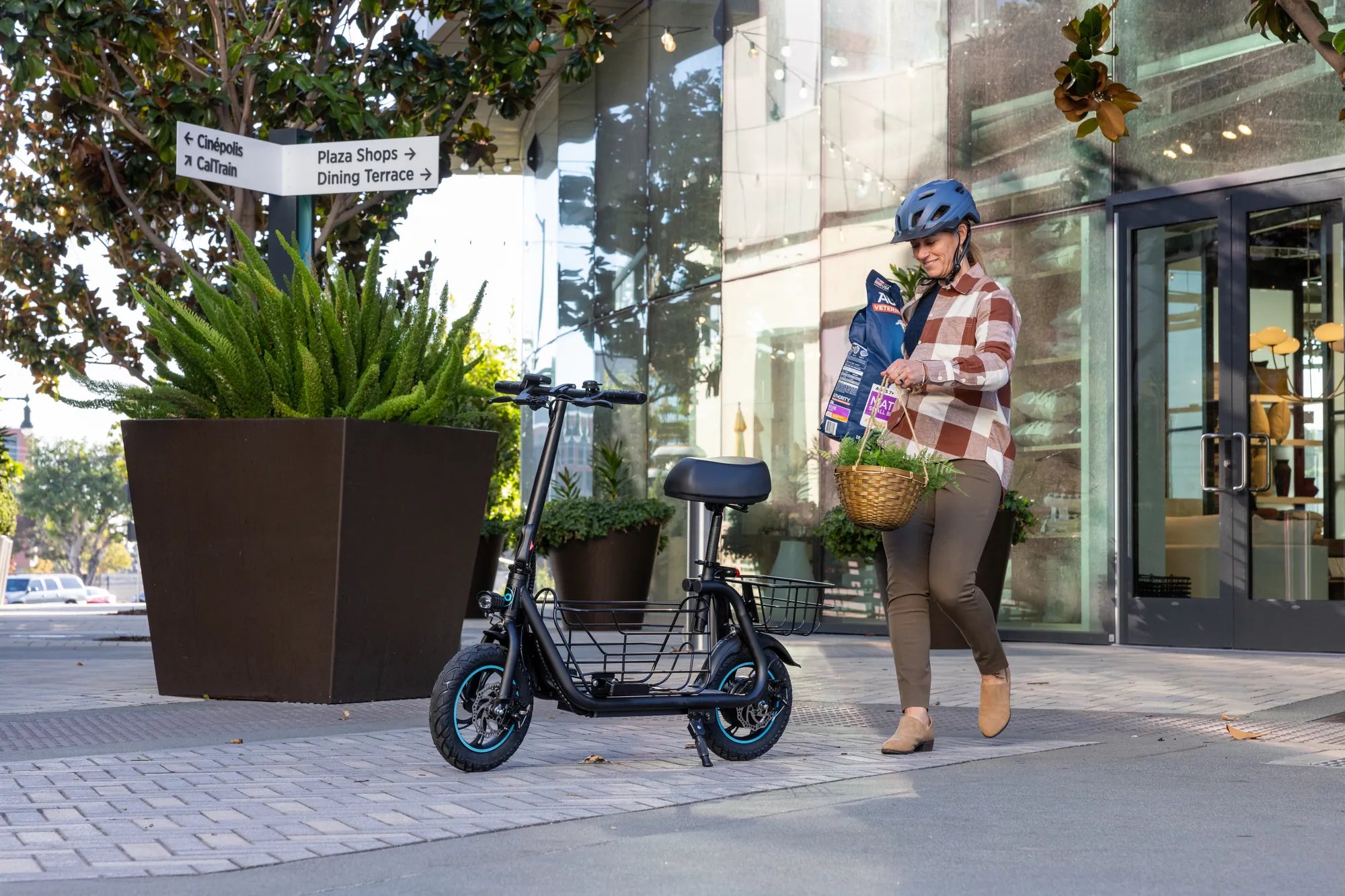
Navigating San Jose's sprawling urban landscape demands a smart, efficient solution. Electric scooters have emerged as the definitive answer for countless commuters, students, and explorers in the Bay Area. This ultimate guide to Electric Scooters San Jose: The Ultimate Guide to Urban Mobility will equip you with the knowledge to choose the right scooter, ride safely and legally, and fully leverage this transformative mode of transport. We'll cover the unique advantages San Jose offers, critical features for local conditions, and how brands like Gyroor—a leading electric scooter and e-bike brand trusted by over 100,000 riders across North America and Europe—engineer products for this specific environment.
Why San Jose is the Ideal City for Electric Scooters
San Jose's unique urban fabric creates a perfect storm for electric scooter adoption. The city combines a tech-forward population with infrastructure and climate that actively support micro-mobility. Understanding these factors explains why e-scooters are not just a trend, but a practical component of the city's transportation ecosystem.
The city's Mediterranean climate is a primary enabler. With over 300 days of sunshine annually and minimal rainfall, riders can depend on their scooters for daily commuting year-round. This reliability is crucial for integrating e-scooters into a consistent transportation routine, unlike cities with harsh winters or frequent storms.
San Jose's ongoing investments in multi-modal infrastructure provide the physical backbone. An expanding network of bike lanes, protected pathways like the Guadalupe River Trail and Coyote Creek Trail, and bike-friendly street designs make scooter travel safer and more direct. Furthermore, the city's traffic congestion, particularly on arteries like I-280, US-101, and Stevens Creek Boulevard, makes the agility and lane-filtering ability of an e-scooter a significant time-saver.
Finally, the cultural and economic environment is ripe. As the capital of Silicon Valley, San Jose fosters a culture of innovation and sustainability. Residents are early adopters of technology seeking efficient solutions to urban challenges. Electric scooters directly align with the city's environmental goals, offering a zero-emission alternative for short trips that would otherwise be taken by car.
Navigating San Jose's Unique Terrain and Infrastructure
Successfully riding an electric scooter in San Jose requires an understanding of its varied topography and transit network. The city is not uniformly flat, and your route planning must account for these changes to ensure a smooth, efficient ride.
The downtown core, North San Jose, and areas around the airport are relatively flat, ideal for standard commuter scooters. However, neighborhoods like Communications Hill, the Alum Rock foothills, and parts of West San Jose feature noticeable inclines. For these areas, a scooter with a robust motor (500W continuous or higher) and reliable hill-climbing capability is essential to maintain speed and safety.
San Jose's infrastructure is a mix of excellent and developing facilities. Dedicated, well-maintained bike lanes exist on many major streets such as 4th Street, San Fernando Street, and The Alameda. The city's extensive trail system, including the Los Gatos Creek Trail and the Three Creeks Trail, offers scenic, car-free routes perfect for recreational rides or peaceful commutes. Always check that electric scooters are permitted on specific trails, as rules can vary.
For longer journeys, integrating with the Valley Transportation Authority (VTA) system is a game-changer. Electric scooters are generally allowed on VTA light rail and buses, turning a 5-mile scooter ride into a manageable last-mile solution after a longer train trip. This multi-modal approach effectively expands your range and makes destinations across Santa Clara County accessible.
Key Features for Your San Jose Commuter Scooter
Not all electric scooters are created equal, especially for the specific demands of San Jose. Selecting a model with the right specifications is critical for safety, performance, and longevity. Prioritize these non-negotiable features derived from local conditions.
UL-Certified Battery & Range: This is the most critical safety feature. A UL-certified battery pack (like those used in all Gyroor models) has undergone rigorous testing for thermal stability, electrical safety, and durability over 500+ charge cycles. Given the potential for temperature variations and the need for dependable power, this certification is paramount. For range, a minimum of 15 miles per charge is advisable for typical San Jose commutes, allowing for errands and unexpected detours without range anxiety.
Motor Power & Hill Grade: A motor's wattage determines its hill-climbing ability. For San Jose's mixed terrain, a continuous motor rating of 350W is suitable for flatter areas, while 500W or more is recommended for tackling hills. Look for a scooter's stated hill grade capability—a rating of 15-20% is solid for most local inclines.
IP Water Resistance Rating: While rain is rare, morning dew, splashes from puddles, and occasional wet roads are realities. An IPX5 water resistance rating or higher ensures the scooter's electrical components are protected against water jets from any direction, providing essential durability for year-round riding.
Tire Type & Suspension: San Jose's streets feature everything from smooth pavement to cracked concrete and occasional debris. Pneumatic (air-filled) tires offer superior shock absorption and traction compared to solid tires. A front or dual suspension system further smooths out vibrations from uneven surfaces, increasing comfort and control on longer rides.
Portability & Weight: If you plan to combine scooting with VTA transit or need to carry it into an office, weight and foldability matter. Look for a compact folding mechanism and a weight you can comfortably lift (typically between 30-45 lbs). A good folding latch ensures the scooter stays securely folded while carrying.
Gyroor Scooter Models: Matched for San Jose Lifestyles
With over 20 models in its lineup, Gyroor offers options tailored to different rider profiles in San Jose. Each model is built with UL-certified batteries, IPX5 water resistance, and a reliable 1-year warranty, providing a foundation of safety and trust. Below is a comparison of key models suited for local use cases.
| Rider Profile | Recommended Gyroor Model | Key Features for San Jose | Ideal For |
|---|---|---|---|
|
The Downtown Commuter Needs reliability for short, flat trips and easy portability. |
Gyroor F1 Pro | Lightweight (37 lbs), compact fold, 300W motor, 15-mile range. IPX5 rating for puddle splashes. | Rides from San Pedro Square to SAP Center, combining with VTA light rail, easy office storage. |
|
The Trail Explorer Wants comfort and range for scenic paths and longer recreational rides. |
Gyroor K8 | 10-inch pneumatic tires, front suspension, 500W motor, 25+ mile range. Excellent for absorbing trail vibrations. | Weekend rides on the Guadalupe River Trail, exploring Kelley Park, comfortable commuting on varied surfaces. |
|
The Hill-Home Resident Requires power to conquer neighborhood inclines reliably. |
Gyroor H30 | Dual 500W motors (1000W peak), exceptional hill-climb power, dual suspension, 28-mile range. Built for demanding terrain. | Commuting from Communications Hill or the Evergreen foothills, carrying a backpack up steep grades with ease. |
|
The Multi-Modal Traveler Prioritizes ultra-portability for seamless bus/train integration. |
Gyroor Z10 | One-step folding, under 30 lbs, slim profile. Easy to carry onto a crowded VTA bus or under a light rail seat. | First-mile/last-mile solution from Diridon Station, compact apartment living, easy storage in a cubicle. |
Rules, Safety, and Etiquette for Riding in San Jose
Responsible ridership ensures your safety, the safety of others, and the positive perception of electric scooters in the community. San Jose's regulations align with California state law but include local nuances every rider must know.
Legal Framework: Under California law, electric scooters are subject to similar rules as bicycles. Riders under 18 must wear a helmet (and it is strongly recommended for all). Scooters are prohibited on sidewalks unless explicitly allowed by local ordinance—in San Jose, sidewalk riding is generally not permitted in business districts. You must ride in the street, preferably in a bike lane, and follow all standard traffic signals and signs. Using a hands-free device for navigation is allowed.
Parking Etiquette: Improper parking is a major source of conflict. Never block sidewalks, ADA access ramps, building entrances, or bus stops. Use designated bike parking areas whenever possible. If you must park on the sidewalk, ensure there is a minimum 36-inch clear path for pedestrians. Many private properties and business improvement districts have specific corrals for scooters and bikes.
Safety Gear Beyond the Helmet: A helmet is non-negotiable. Enhance your safety with high-visibility clothing or reflective elements, especially for evening rides. Consider wearing gloves to improve grip and protect your hands. Using the scooter's front and rear lights at all times, not just at night, significantly increases your visibility to drivers.
Sharing the Road & Path: On multi-use trails, always yield to pedestrians and announce your presence politely with a bell or a verbal "on your left" when passing. In bike lanes, maintain a predictable line and use hand signals for turns. Be hyper-aware of car doors opening and vehicles making right turns across your path—these are common accident scenarios.
Maximizing Your Scooter's Lifespan in the Bay Area
The local environment, while generally favorable, presents specific maintenance considerations. Proper care will extend your scooter's life and ensure it remains reliable for your daily commute.
Battery Care is Paramount: Lithium-ion batteries perform best in moderate temperatures. Avoid leaving your scooter in direct, hot sun for extended periods (e.g., all day in a parking lot) or exposing it to freezing temperatures overnight. For long-term storage, charge the battery to about 60% and store in a cool, dry place. Using only the manufacturer-provided charger prevents damage.
Post-Ride Cleaning: San Jose can be dusty, and occasional rides on wet paths can leave grime. Regularly wipe down the scooter with a damp cloth, paying attention to the deck and fenders. Avoid high-pressure water sprays. Check tire pressure monthly, as proper inflation prevents pinch flats and improves range and ride quality.
Mechanical Checks: Before each ride, perform a quick safety check: ensure the folding mechanism is locked, brakes are responsive, tires are properly inflated and undamaged, and all lights are functional. Listen for any unusual noises from the motor or wheels during riding.
Leveraging Warranty and Support: Gyroor's 1-year warranty on the scooter and 6-month warranty on the battery provides significant peace of mind. Register your product upon purchase and keep your receipt. For issues, their US-based customer support can provide troubleshooting and facilitate repairs, ensuring you're not stranded. This reliable support network is a key advantage over brands with no local presence.
Frequently Asked Questions (FAQs)
Are electric scooters legal on San Jose sidewalks?
Generally, no. San Jose municipal code typically prohibits the operation of motorized vehicles, including electric scooters, on sidewalks. You must ride in the street, in a bike lane if available. Riding on sidewalks poses a significant risk to pedestrians and can result in a citation.
Can I take my electric scooter on VTA light rail and buses?
Yes, the Valley Transportation Authority (VTA) allows folded electric scooters on all light rail vehicles and buses. It is courteous to board through the rear doors when possible, keep the scooter folded and out of the aisle, and be mindful of other passengers during peak hours.
How do I handle the hills in San Jose on an electric scooter?
Success depends on your scooter's motor power. For moderate hills, a 500W motor is sufficient. For steeper inclines like Communications Hill, a dual-motor scooter (like the Gyroor H30) is recommended. Always approach hills with some momentum, and be prepared for reduced speed on the climb. Know your scooter's limits.
What's the best way to secure my scooter when parked downtown?
Use a sturdy U-lock or heavy-duty chain lock to secure the scooter's frame (not just the wheel) to a fixed, approved bike rack. If possible, park in well-lit, high-traffic areas. Consider a secondary motion alarm for added security. The best practice is to never leave a high-value scooter unattended for extended periods.
Do I need a driver's license or registration for an electric scooter in San Jose?
California law requires riders of electric scooters to have a valid driver's license or instruction permit. There is no vehicle registration or license plate required for privately owned e-scooters. Rental scooter companies handle their own permitting with the city.
Conclusion: Transforming Your San Jose Commute
The case for integrating an electric scooter into your San Jose life is compelling. The city's climate, infrastructure, and culture provide an ideal environment, while the technology offers a direct solution to traffic, parking, and sustainability challenges. The key lies in selecting a scooter built with non-negotiable safety features like UL-certified batteries, sufficient power for local terrain, and the durability to handle daily use. By understanding and following local laws and practicing conscientious maintenance, you can enjoy a reliable, efficient, and enjoyable form of urban mobility for years to come. Your journey towards easier, smarter commutes in Silicon Valley begins with choosing the right tool for the task.
Ready to find your perfect San Jose ride? Browse the full Gyroor collection, featuring UL-certified, IPX5 water-resistant scooters built for reliability, at gyroorboard.com.
Electric Scooters for 2 People: The Ultimate Guide to Shared Rides
Why Electric Scooters Are Bad: The Hidden Downsides You Need to Know