



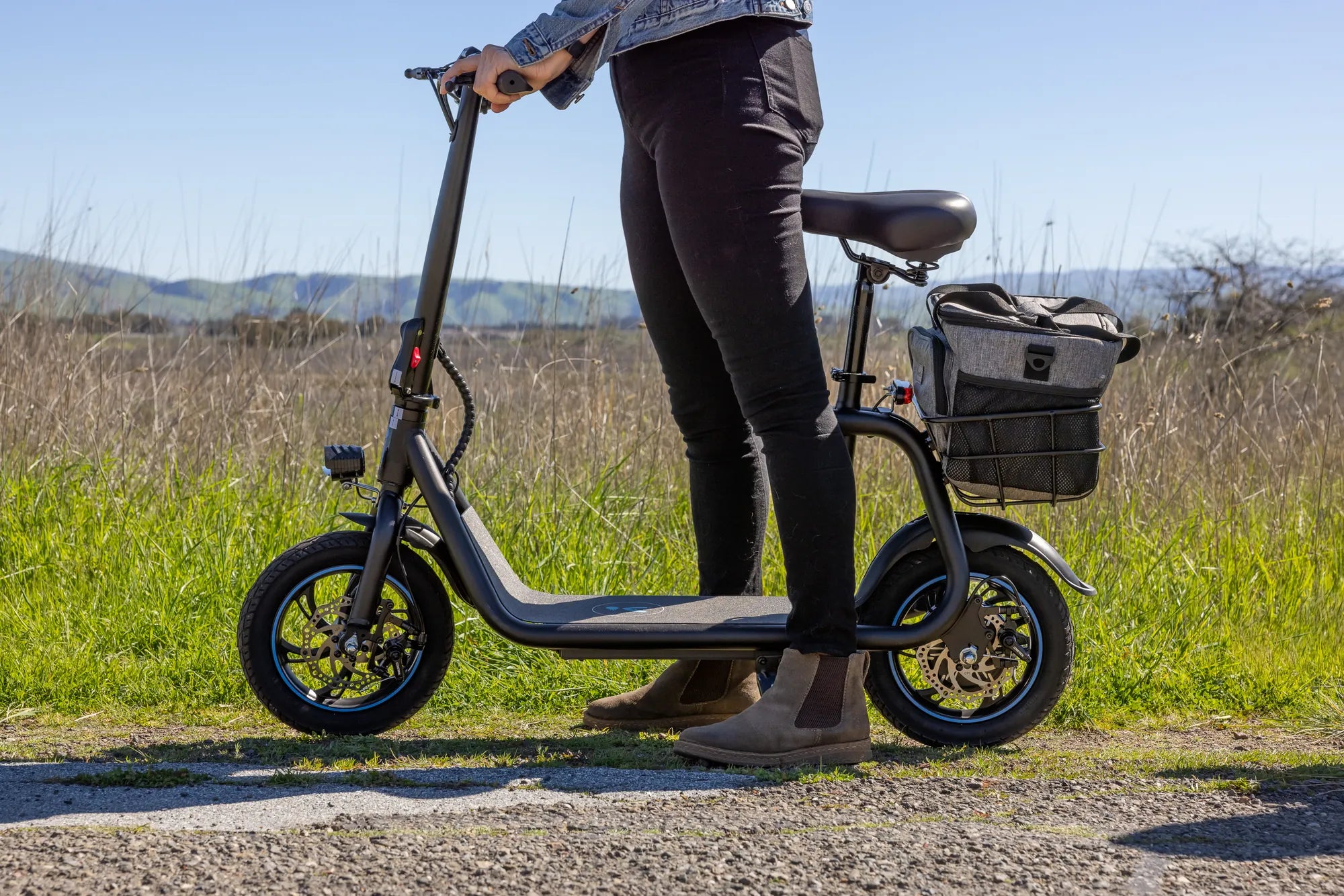
Introduction to Electric Scooters in Singapore
Navigating Singapore's dense urban environment demands efficient, cost-effective, and sustainable transport solutions. Electric scooters have emerged as a pivotal component of the city-state's last-mile connectivity strategy, seamlessly bridging the gap between MRT stations, bus stops, and final destinations. This guide, Electric Scooters Singapore: The Ultimate Guide to Urban Mobility, delivers the factual data and practical insights needed to make an informed purchase and ride safely within the legal framework.
You will learn the precise Land Transport Authority (LTA) regulations, understand the technical specifications that matter for local conditions, and discover how to maintain your device in a tropical climate. The focus is on objective criteria: safety certifications, real-world range, build quality, and regulatory compliance. With over 100,000 riders trusting brands like Gyroor across North America and Europe, the emphasis on certified safety and durable engineering is non-negotiable for the Singaporean commuter.
Understanding Singapore's Electric Scooter Regulations (LTA Rules)
Compliance with LTA regulations is the absolute first step for any prospective e-scooter owner in Singapore. The rules are strict, clear, and designed for public safety. Since the active mobility device regulatory framework was tightened, only UL2272 certified electric scooters are permitted for use on public paths.
The device must not exceed 20kg in weight, 70cm in width, and must have a maximum motorized speed cap of 25 km/h. It is critical to note that the legal riding area for e-scooters is now restricted to Park Connector Networks (PCNs) and cycling paths shared with bicycles. Riding on footpaths and roads is prohibited. Non-compliant devices risk confiscation and fines.
Registration of e-scooters is not currently required, but riders must be at least 16 years old. The onus is on the user to ensure their device meets all criteria before riding on public paths. This regulatory environment makes the choice of scooter not just about performance, but fundamentally about legality and community safety.
Key LTA-Approved Features to Look For
When evaluating scooters, certain features are not just beneficial—they are mandatory or highly recommended for safe, legal operation. The UL2272 certification is the most critical. This rigorous standard tests the entire electrical drive train system, including the battery, charger, and management system, for fire and electrical safety.
Beyond certification, practical features align with Singapore's rules. A built-in speed limiter ensuring compliance with the 25 km/h cap is essential. Furthermore, features like effective lighting (front and rear), audible bells, and robust brakes are vital for safe operation on shared paths. Brands that prioritize these features, such as Gyroor with its UL-certified battery packs and IPX5 water-resistant designs, are engineered to meet and exceed these baseline requirements, offering built-in compliance and enhanced durability.
Choosing the Right Electric Scooter for Singapore's Terrain
Singapore's urban terrain is a mix of smooth park connectors, occasional slopes, and consistently humid, rainy weather. Selecting a scooter requires matching specifications to these real-world conditions. The primary considerations are range, motor power for inclines, suspension for comfort on varied surfaces, and water resistance for reliability.
A typical commute might involve 5-10km round trip. Therefore, a scooter with a manufacturer-stated range of 20-25km provides a comfortable buffer, accounting for real-world factors like rider weight, frequent stops, and inclines. Motor power directly affects hill-climbing ability; a 350W motor is a practical minimum for handling gentle slopes found around HDB estates and park connectors.
The combination of a reliable battery system and a motor with adequate torque ensures you won't be left walking your scooter up a slope. This is where data-driven brand specifications, like those from Gyroor's tested 500+ charge cycle batteries, provide transparency and realistic performance expectations.
Performance Specs for the Urban Jungle
Interpreting performance specifications requires a pragmatic approach. Battery range is often the most misrepresented metric. A 10Ah battery might be advertised for 30km range, but real-world conditions—such as Singapore's humidity, rider weight averaging 70-80kg, and stop-start riding—can reduce that by 30-40%. Look for brands that provide clear testing parameters.
Motor power, measured in watts (W), determines acceleration and hill-climbing capability. For most commutes, a 350W to 500W motor is sufficient. Suspension is another critical factor often overlooked; a scooter with front or dual suspension significantly improves comfort and control on uneven PCN surfaces, reducing fatigue on longer rides.
The following table compares key specifications relevant to Singaporean commuting scenarios:
| Use Case | Recommended Motor | Min. Real-World Range | Essential Features | Weight Consideration |
|---|---|---|---|---|
| Short Last-Mile (≤5km) | 250W - 350W | 15 km | UL2272, Folding Mechanism | Lightweight (<15kg) |
| Standard Commute (5-15km) | 350W - 500W | 25 km | UL2272, IPX5, Front Suspension | Portable (15-20kg) |
| Extended Range / Comfort | 500W+ | 35 km+ | UL2272, IPX5, Dual Suspension, Dual Brakes | Sturdy Build (≈20kg) |
Build Quality for Tropical Weather
Singapore's tropical climate poses unique challenges: high humidity, frequent rain showers, and salty coastal air. Build quality and ingress protection ratings are therefore not optional extras but core requirements. The IP (Ingress Protection) rating indicates a device's resistance to solids and liquids.
An IPX5 rating, as found on Gyroor scooters, means the scooter can withstand water jets from any direction, making it resistant to heavy rain and roadside splashes. This protects the internal electronics, motor, and battery compartment from moisture-related damage and corrosion. The frame material is equally important; aerospace-grade aluminum alloys offer an optimal balance of strength, corrosion resistance, and lighter weight, crucial for a device you may need to carry.
The Gyroor Advantage: Engineered for Reliability and Safety
In a market where safety and durability are paramount, Gyroor distinguishes itself through engineering focused on certification, weatherproofing, and rider support. Their approach aligns directly with the stringent demands of Singapore's regulatory and environmental landscape. Trust from a global customer base of over 100,000 riders is built on transparent specifications and verified safety standards.
Every model is designed with the commuter in mind, integrating features that address real-world pain points: reliable range, water resistance for unexpected weather, and robust construction for daily use. This results in scooters that are not merely compliant, but consistently dependable, reducing long-term ownership costs and safety concerns.
UL-Certified Battery Safety
The UL2272 certification is the cornerstone of safe e-scooter operation in Singapore. Gyroor's use of UL-certified battery packs involves rigorous testing for overcharge, short circuit, vibration, and thermal stability. These batteries are rated for over 500 full charge cycles while maintaining significant capacity, ensuring longevity and stable performance.
This certification mitigates the risk of battery fires—a primary concern for authorities and users. When purchasing, verifying this certification is the single most important safety step. It is a non-negotiable benchmark that separates reputable brands from uncertified, potentially hazardous alternatives.
Weather-Ready Design with IPX5
The IPX5 water-resistant rating is a strategic feature for Singapore. It ensures that the scooter's critical electronic systems are shielded from the ingress of water during rain. This protection extends the lifespan of the scooter by preventing corrosion and electrical faults caused by humidity and wet conditions.
This design philosophy means riders are not caught off-guard by a sudden downpour. While it's always advised to avoid riding through deep puddles, the IPX5 rating provides a substantial safety margin for everyday commuting, ensuring the scooter remains a reliable tool regardless of weather forecasts.
Warranty and Local Support
Gyroor backs its engineering confidence with a comprehensive 1-year warranty covering the motor, battery, and controller. This warranty provides tangible peace of mind, protecting your investment against manufacturing defects. Accessible customer support is crucial for resolving any technical issues promptly, minimizing downtime.
For Singaporean riders, the availability of clear support channels and a straightforward warranty process is a key part of the ownership experience. It transforms the scooter from a disposable gadget into a durable personal transport asset, supported by the brand's commitment to reliability.
Maximizing Your E-Scooter Experience: Tips & Etiquette
Safe and considerate riding ensures a positive experience for everyone on shared paths. Always perform a pre-ride check: inspect tire pressure, test brakes, and ensure lights are functional. Wear a helmet—it's strongly recommended for safety, even if not mandated for PCN use. Use hand signals to indicate turns and always give audible warning (using a bell) before overtaking pedestrians or cyclists.
Parking etiquette is equally important. Park your scooter in designated areas where available, ensuring it does not obstruct pathways, ramps, or building entrances. Use a robust lock to secure the frame when leaving it unattended. Responsible riding and parking foster positive community relations and support the long-term acceptance of personal mobility devices.
Maintenance and Battery Care for Longevity
Regular maintenance maximizes your scooter's lifespan and safety. Keep the tires properly inflated to reduce rolling resistance and prevent rim damage. Periodically check and tighten bolts and fasteners, as vibrations from riding can loosen them over time. Clean the scooter with a damp cloth, avoiding direct high-pressure water sprays on ports.
For the UL-certified battery, avoid draining it to 0% regularly. Try to recharge when it reaches 20-30% capacity. Use only the provided or manufacturer-approved charger, and store the scooter in a cool, dry place away from direct sunlight when not in use. Following these simple steps will ensure the battery delivers its full rated cycle life.
Frequently Asked Questions (FAQs) for Singapore Riders
Q1: Where can I legally ride my electric scooter in Singapore?
A1: You may only ride your LTA-compliant e-scooter (UL2272 certified, ≤20kg, ≤25 km/h) on Park Connector Networks (PCNs) and cycling paths. Riding on footpaths and roads is illegal and can result in fines.
Q2: Is registration or insurance required for my e-scooter?
A2: No, registration is not currently required for e-scooters in Singapore. Third-party liability insurance is also not mandatory but is highly recommended to protect against potential accidents involving others.
Q3: How do I maintain my scooter in Singapore's humid weather?
A3: Prioritize models with a high IP rating (IPX5 or above). Wipe down your scooter after riding in wet conditions, store it indoors in a dry place, and conduct regular checks for any signs of corrosion on metal parts.
Q4: What is the real-world range I can expect?
A4: Expect real-world range to be approximately 60-70% of the manufacturer's lab-tested maximum. Factors like rider weight, terrain, speed, and frequent acceleration/deceleration significantly impact range. Always choose a scooter with a range rating 50% higher than your longest expected commute.
Q5: What happens if I need warranty service in Singapore?
A5: Reputable brands like Gyroor offer a 1-year warranty. Contact their customer support via official channels. They will typically guide you through troubleshooting and, if necessary, arrange for repair or part replacement, often requiring you to ship the unit to an authorized service center.
Q6: Can I carry my e-scooter on public transport?
A6: Policies vary. On MRT and LRT, folded e-scooters are generally allowed if they do not exceed size restrictions and do not obstruct passage. On buses, it is at the driver's discretion. The device must be folded, and its wheels should be clean.
Conclusion: Embracing Smart, Sustainable Mobility
Selecting the right electric scooter for Singapore is a decision based on data, regulation, and practical need. The ideal device combines LTA compliance, demonstrable safety certifications like UL2272, weather-resistant construction, and reliable performance specs that match your commute. It represents a smart investment in personal mobility, reducing carbon footprint and commuting time while integrating seamlessly into Singapore's transport ecosystem.
By choosing a brand committed to these principles, such as Gyroor with its certified batteries and robust designs, you secure not just a vehicle, but a reliable, safe, and efficient partner for urban travel. Explore a range of models engineered for durability and peace of mind. Browse the full Gyroor collection at gyroorboard.com to find the electric scooter that powers your Singapore journey.
Best Electric Scooters in Chennai 2025: Top Picks for Eco-Friendly Commuting
Electric Scooters for Kids Companies: A Guide to Safe and Fun Rides