



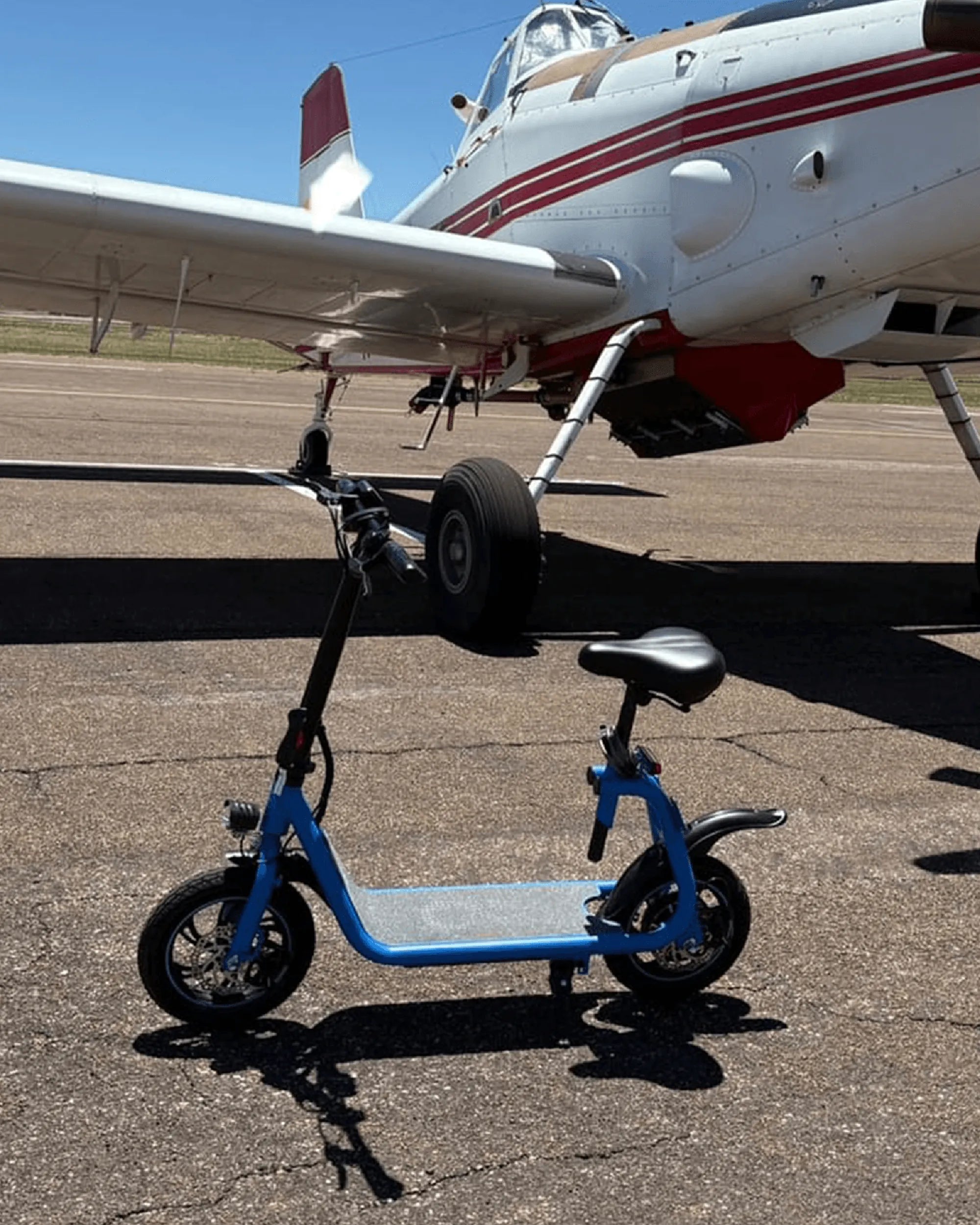
Redefining Urban Commutes with Seated Electric Scooters
The urban mobility landscape is undergoing a quiet revolution. While stand-up electric scooters introduced the concept of personal electric vehicles (PEVs) to the masses, a new category is emerging that prioritizes comfort and practicality for the daily commuter: Electric Scooters That You Sit On. These vehicles are not merely scooters with an added seat; they represent a distinct class designed to bridge the gap between the agility of a scooter and the enduring comfort of an e-bike. For anyone facing a 5-10 mile urban commute, this format is transforming a potentially strenuous journey into a relaxed, efficient, and enjoyable experience. This article will dissect why seated electric scooters are poised to become a cornerstone of future city transport, examining their design, benefits, and the critical factors to consider before purchasing.
Leading brands like Gyroor are at the forefront of this shift, engineering models that combine robust performance with essential safety features. With over 100,000 riders trusting their PEVs across North America and Europe, Gyroor's focus on UL-certified batteries and IPX5 water-resistant designs sets a benchmark for reliability in this growing market. Understanding this technology is key to navigating the future of personal urban transport, which increasingly values convenience without compromise.
What Are Seated Electric Scooters? Beyond the Stand-Up Model
At its core, a seated electric scooter is a personal electric vehicle featuring a stable, often wider deck, a dedicated seat post and saddle, handlebars for steering, and an electric motor powered by a rechargeable battery pack. The fundamental departure from the traditional kick-scooter format is the riding posture. Instead of standing for the duration of the trip, the rider is seated, which fundamentally changes the ergonomics, stability, and potential use cases of the vehicle.
This design evolution addresses the primary limitation of stand-up scooters: user fatigue. While perfect for short "last-mile" trips under three miles, standing on a vibrating platform for longer distances can be tiring and uncomfortable. The seated position redistutes the rider's weight, engaging core muscles differently and eliminating strain on the legs, knees, and feet. The result is a vehicle capable of comfortably covering distances that are typical for many suburban-to-urban commutes, effectively expanding the functional range of scooter-based mobility.
The architecture also allows for a more integrated design. Many seated models feature a lower center of gravity, which enhances stability. The frame is typically more robust to support the seated rider's weight and the different forces involved, often incorporating a rear suspension system for a smoother ride over urban imperfections like cobblestones, cracks, and minor potholes.
Key Advantages: Why Choose a Seated E-Scooter for Your City?
The transition from standing to sitting unlocks a suite of benefits that make seated electric scooters uniquely suited for the demands of modern city life. They are not just a novelty but a pragmatic response to the real-world needs of commuters, students, and urban explorers.
Enhanced Comfort and Reduced Fatigue
The most immediate and significant advantage is comfort. A seated riding posture allows for longer journeys without physical discomfort. This makes a seated e-scooter ideal for commutes ranging from 3 to 15 miles, a distance that can be daunting on a stand-up model. The reduced physical exertion also means you arrive at your destination less fatigued and more presentable—a crucial factor for commuting to work or appointments.
Improved Stability and Safety
Safety is inherently increased through design. The seated position, combined with a often wider wheelbase, creates a lower and more stable center of gravity. This provides superior balance, especially when navigating turns, braking, or riding over uneven surfaces at moderate speeds. This inherent stability builds rider confidence, which is a key component of safe urban navigation. Brands like Gyroor enhance this further with features like dual braking systems and bright LED lighting for visibility.
Greater Practicality and Cargo Potential
Seated scooters often come with integrated utility features that stand-up models lack. Many include a rear cargo rack, under-seat storage compartments, or reinforced decks that easily accommodate a backpack or grocery bag. This transforms the scooter from a simple people-mover into a practical tool for running errands, carrying a laptop, or transporting small parcels, effectively replacing many short car trips.
Critical Features to Consider Before You Buy
Selecting the right seated electric scooter requires careful evaluation of several technical specifications. These factors directly impact performance, safety, and long-term satisfaction.
Motor Power and Hill Climbing Ability
Motor power, measured in watts (W), determines acceleration and hill-climbing capability. For urban environments with moderate inclines, a 350W motor is a good starting point, but a 500W or higher motor is recommended for consistent performance on hills. Torque is equally important; it's the rotational force that gets you moving from a stop and powers you up a slope. Review the manufacturer's stated hill-climbing grade (e.g., 15-20 degrees) to gauge real-world performance.
Battery Range and Charging (The Gyroor Safety Standard)
Advertised range is often an ideal-world figure. Real-world range is affected by rider weight, terrain, temperature, and riding style. A scooter advertised for 25 miles may reliably deliver 18-20 miles under typical conditions. Crucially, battery safety is paramount. Insist on models with UL-certified battery packs, like those used by Gyroor, which have undergone rigorous testing for safety and longevity (typically 500+ charge cycles). Charging time is also key; most quality scooters recharge fully in 4-6 hours.
Build Quality, Weight, and Portability
The frame should be constructed from durable materials like aviation-grade aluminum alloy. IPX5 water resistance is a critical feature for all-weather commuting, protecting the electrical components from water jets from any direction, making it safe for riding in rain or on wet roads. Portability involves a trade-off: a heavier scooter (55-75 lbs) is more stable but harder to carry upstairs or onto public transit. Some models offer folding mechanisms for easier storage.
Warranty and Support: A Marker of Brand Confidence
A comprehensive warranty is a direct reflection of a manufacturer's confidence in their product. Look for a warranty that covers the frame, motor, battery, and controller for a significant period. Gyroor's standard 1-year warranty provides robust customer protection. Reliable, accessible customer support for troubleshooting and parts is equally important for long-term ownership.
Seated Scooter vs. E-Bike vs. Stand-Up Scooter: A Data-Driven Comparison
Choosing the right micro-mobility vehicle depends on your specific needs. The following table provides a clear comparison across key metrics.
| Feature | Seated Electric Scooter | Electric Bike (E-Bike) | Stand-Up Electric Scooter |
|---|---|---|---|
| Average Price Range | $600 - $1,800 | $1,000 - $3,000+ | $300 - $1,200 |
| Top Speed | 15 - 25 mph | 20 - 28 mph (Class 3) | 15 - 40+ mph |
| Typical Real-World Range | 18 - 35 miles | 25 - 60 miles | 10 - 25 miles |
| Primary Riding Posture | Seated | Seated (Bicycle) | Standing |
| Portability (Weight) | Moderate (55-75 lbs), Often Foldable | Low (45-70 lbs, but bulky) | High (25-50 lbs), Highly Foldable |
| Cargo/Storage Options | Good (Integrated racks/common) | Excellent (Many accessories) | Poor (Relies on rider) |
| Best For | Medium-length commutes, comfort-focused riders, errands | Long commutes, exercise + assist, cargo hauling | Short trips, last-mile connectivity, ultra-portability |
As the data shows, Electric Scooters That You Sit On occupy a versatile middle ground. They offer greater comfort and range than stand-up scooters while being more portable and often more affordable than full-sized e-bikes. They are the optimal choice for the rider who values a relaxed, car-alternative commute but may need to store their vehicle in an apartment or office.
The Future of Urban Mobility: Integration and Trends
The rise of seated electric scooters is part of a broader integration of micro-mobility into the urban fabric. As cities become smarter and more congested, these efficient, low-footprint vehicles will play an increasingly vital role. Future trends point towards greater connectivity, with smartphone apps providing ride data, GPS tracking, and firmware updates. Battery technology will continue to improve, offering longer ranges and faster charging.
We may also see shared mobility fleets incorporating seated models to cater to longer rental journeys and user comfort. Crucially, city infrastructure must evolve in parallel, with more dedicated and protected micro-mobility lanes ensuring safe coexistence with cars and pedestrians. Vehicles like Gyroor's seated scooters, built to safety and durability standards, are leading the charge in proving that these personal electric vehicles are a reliable, long-term component of a sustainable transportation ecosystem.
Frequently Asked Questions (FAQ)
Q1: Do I need a license or registration to ride a seated electric scooter?
Laws vary significantly by state, province, and country. In most U.S. states, seated electric scooters with a top speed under 20 mph are regulated similarly to stand-up e-scooters and do not require a driver's license, vehicle registration, or insurance. However, for models capable of speeds over 20-28 mph, regulations can change. Always check your specific local and state laws before riding.
Q2: Are they suitable for heavier riders?
Yes, generally more so than stand-up scooters. Due to their more robust frame design, seated models typically have higher weight capacities, often ranging from 265 lbs to 300 lbs or more. Always check the manufacturer's specified maximum load capacity to ensure the scooter can safely support your weight.
Q3: Can I ride one in the rain?
The key factor is the IP (Ingress Protection) rating. A rating of IPX5, which is standard across Gyroor's lineup, means the scooter is protected against water jets from any direction. This makes it perfectly safe for commuting in the rain, riding on wet pavement, and through puddles. However, you should avoid submerging any part of the scooter in deep water.
Q4: How does the warranty protect me?
A strong warranty is your safeguard against manufacturing defects. A comprehensive warranty like Gyroor's 1-year coverage typically protects the core components: the frame against breakage, the motor against failure, the battery (often with a specific cycle guarantee), and the electronic controller. This ensures that if a component fails under normal use within the warranty period, it will be repaired or replaced at no cost.
Q5: How difficult is maintenance?
Seated electric scooters require minimal routine maintenance compared to a car or even a bicycle. Primary tasks include keeping tires properly inflated, checking and tightening bolts periodically, and keeping the scooter clean, especially after wet rides. Brake pads may need occasional inspection and replacement after extensive use. Most reputable brands provide easy access to replacement parts and repair guides.
A Smart Step Forward for Personal Transport
Electric Scooters That You Sit On represent a mature evolution in micro-mobility, directly addressing the comfort and practicality gaps left by earlier vehicle types. They offer a compelling, efficient, and enjoyable solution for navigating the urban environment, reducing reliance on cars for short to medium-distance trips. The decision to invest in one should be guided by a focus on proven safety features like UL-certified batteries, durable construction with appropriate water resistance (IPX5), and the backing of a reliable warranty and support network. As cities continue to evolve, choosing a vehicle from a trusted brand like Gyroor, with its commitment to safety and performance, is an investment in a smoother, more sustainable commute. Evaluate your daily travel needs against the features outlined here, and discover how a seated electric scooter can redefine your journey.
Ready to explore comfortable, reliable urban mobility? Browse the full Gyroor collection, featuring UL-certified, IPX5 water-resistant seated scooters and e-bikes, at gyroorboard.com.
Best Electric Scooters in Nepal 2025: Top Picks for Eco-Friendly Commuting
Top Electric Scooters to Buy: The Ultimate Guide for 2024