

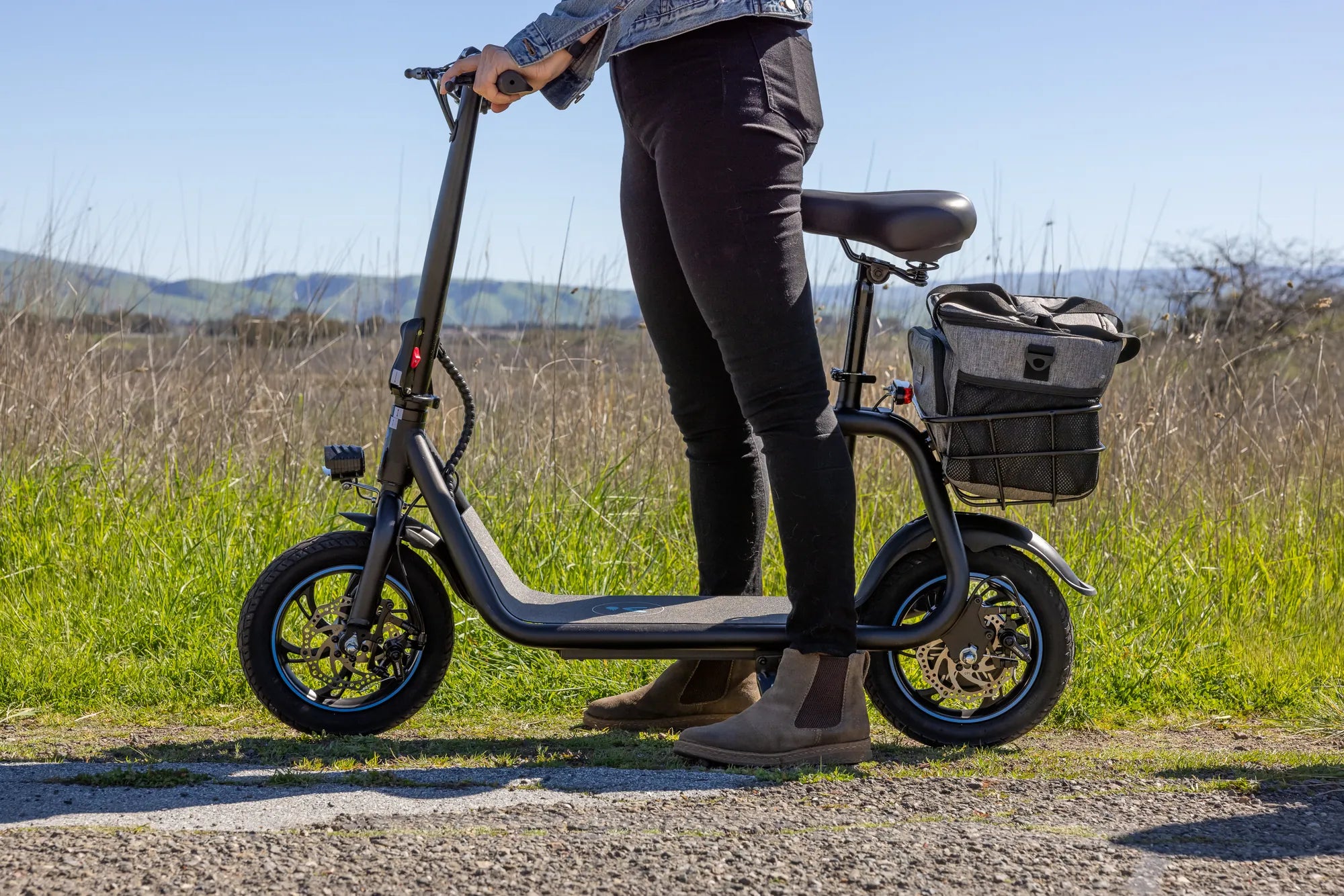
Introduction to Electric Scooters in Toledo, Ohio
The search for efficient, affordable, and sustainable urban transportation in Toledo, Ohio, has found a powerful answer. Electric scooters are rapidly moving from a novelty to a practical necessity for navigating the city's unique layout. For commuters battling downtown parking fees, students traversing sprawling campuses, or residents enjoying the scenic Riverwalk, a personal electric scooter offers unparalleled freedom.
This shift represents a direct response to Toledo's specific mobility challenges. The city's blend of dense urban cores, educational hubs, and recreational corridors creates ideal conditions for micro-mobility adoption. Understanding this local context is key to choosing the right scooter and using it effectively.
This guide will provide a comprehensive, data-driven look at the rise of electric scooters Toledo Ohio as the future of urban mobility. We will examine the local factors driving adoption, compare essential scooter features, and navigate the practicalities of riding in the Glass City. The future of getting around Toledo is quiet, electric, and already here.
Why Toledo is Embracing Electric Scooters
Toledo's geography and urban structure make it exceptionally well-suited for electric scooter integration. The city's relatively flat terrain, punctuated by manageable inclines near the Maumee River, requires less motor power than hillier cities, allowing for efficient rides with extended range. This topography reduces rider fatigue and maximizes battery life for daily use.
Key travel patterns further incentivize adoption. Commutes between neighborhoods like the Old West End and downtown offices, or from off-campus housing to the University of Toledo, often fall within the 3-7 mile sweet spot for e-scooter travel. These trips are frequently just beyond comfortable walking distance but can be mired in traffic or require costly parking when using a car.
Local infrastructure developments are creating a safer environment. The ongoing expansion of bike lanes and shared-use paths, including those along the revitalized riverfront, provides dedicated corridors for micro-mobility. Furthermore, initiatives to create a more connected and vibrant downtown align perfectly with the silent, zero-emission operation of electric scooters, reducing congestion and pollution.
The economic argument is compelling for a city with a median household income near the national average. Facing rising fuel and vehicle maintenance costs, Toledo residents are seeking alternatives. An electric scooter represents a low-barrier entry into personal electric transportation, offering significant savings over time while providing direct point-to-point travel that public transit routes cannot always match.
Navigating Toledo's Terrain: From Downtown to the University
For a practical demonstration of e-scooter utility, consider the commute from the Warehouse District to the University of Toledo main campus. This approximately 4.5-mile route encapsulates the Toledo experience: urban streets, a major river crossing, and a large institutional campus.
Navigating downtown's one-way streets and searching for a parking spot near Fifth Third Field or the Huntington Center can consume 10-15 minutes. An e-scooter rider can glide through this grid, using bike lanes where available, and park directly at their destination. Crossing the Martin Luther King Jr. Bridge is effortless with a scooter featuring a 350W or higher motor, turning a potential bottleneck into a scenic overlook of the Maumee River.
Upon reaching the University of Toledo campus, the advantages multiply. The sprawling grounds, where walking between classes can take 20 minutes, become easily traversable in under five. E-scooters alleviate pressure on campus shuttle systems and eliminate the need for a costly university parking pass, which can exceed $300 annually.
This route highlights the core value proposition: replacing short car trips and long walks with a fast, agile, and fun mode of transport. It transforms a multi-modal hassle into a seamless, door-to-door journey, proving why electric scooters Toledo Ohio residents choose are becoming essential tools.
Weather and Riding: A Toledo-Specific Guide
Ohio weather demands respect and preparation. Toledo experiences four distinct seasons, from humid summers to cold, snowy winters, with the ever-present potential for lake-effect precipitation. A successful e-scooter strategy must account for these variables.
For fair-weather riding—ideal along the Toledo Riverwalk or through the Metroparks—standard safety gear suffices. However, the unpredictability of spring and fall requires planning. Sudden rain showers are common, making a scooter's water resistance rating critical. A minimum IPX5 rating is advisable to handle spray from wet roads and light rain, ensuring electronics are protected from puddle splashes common on city streets.
Winter presents the biggest challenge. While dedicated year-round riding is possible for the well-equipped, most Toledo riders will likely store their scooter during heavy snow and ice. The primary concerns are lithium-ion battery performance, which drops in cold weather, and tire traction on slippery surfaces. Pneumatic (air-filled) tires offer better shock absorption and cold-weather grip than solid tires on frost-heaved pavement.
The key is adaptability. Use your scooter extensively during the mild months of April through November. On days with adverse conditions, have a backup plan. This pragmatic approach maximizes utility while ensuring safety and preserving the longevity of your vehicle, making the case for electric scooters Toledo Ohio commuters rely on being a seasonal powerhouse, not a fair-weather toy.
Choosing the Right Electric Scooter for Toledo Riders
Selecting an e-scooter is not a one-size-fits-all decision. It requires matching specifications to Toledo's urban environment and your personal travel radius. The wrong choice can lead to range anxiety, inadequate power on bridges, or premature wear from our varied road surfaces.
The most critical specification is range. Manufacturers advertise maximum ranges under ideal conditions. A practical rule for Toledo is to divide that figure by 1.5 to account for real-world factors like stop-and-go traffic, minor inclines, and rider weight. For a commute from South Toledo to downtown (a ~6-mile round trip), a scooter with a 15-20 mile advertised range is a safe minimum.
Motor power directly impacts hill-climbing ability and acceleration from stops. While Toledo is mostly flat, the approaches to river bridges and ramps require consistent torque. A 350W motor is a good baseline for most adult riders; 500W or higher provides confident power for hills and maintains speed more easily against headwinds coming off the lake.
Build quality and suspension are non-negotiable for durability. Toledo's streets, like those in any older city, can have potholes and uneven pavement. A scooter with a robust frame, preferably from aluminum alloy, and at least a front suspension spring will absorb impacts, protect the integrity of the scooter, and provide a significantly more comfortable ride.
Key Features Toledo Riders Should Prioritize
Beyond range and power, three features stand out as essential for reliable, safe operation in Toledo. Prioritizing these will ensure your investment lasts and performs when you need it most.
1. UL-Certified Battery: This is the paramount safety feature. A UL 2271 certified battery pack has undergone rigorous testing for electrical, mechanical, and environmental safety. It drastically reduces the risk of fire—a critical consideration for storage in homes, dorm rooms, or offices. For a brand trusted by over 100,000 riders, this certification is a baseline standard, not an optional extra.
2. IPX5 Water Resistance: As discussed, weather protection is key. An IPX5 rating means the scooter can withstand water jets from any direction, making it resistant to rain and road spray. It allows you to ride confidently when caught in a sudden shower or on damp roads after a storm, protecting the scooter's vital electrical components.
3. Reliable Braking System: Urban riding demands responsive stopping power. A dual braking system—typically combining a disc or drum brake on one wheel with an electronic regenerative brake on the other—provides balanced, fade-resistant stopping in all conditions. This is crucial for navigating downtown traffic, unexpected pedestrian crossings, and shared-use paths in the Metroparks.
Gyroor Scooters: Engineered for Cities Like Toledo
When evaluating brands that meet Toledo's specific demands, Gyroor's engineering philosophy aligns directly with the city's requirements. As a leading electric scooter and e-bike brand, Gyroor builds its products with the realities of daily urban commuting in mind.
Every Gyroor scooter utilizes UL-certified battery packs, tested for over 500 charge cycles. This translates to years of reliable service for a Toledo commuter, addressing the foremost concern of safety and long-term value. Furthermore, their IPX5 water-resistant design ensures that a ride home in a light rain or across a wet bridge isn't a cause for anxiety.
Durability is built into their 1-year comprehensive warranty, which covers major components and provides accessible customer support. For a Toledo rider, this means peace of mind against the wear and tear of daily use on mixed surfaces. Models in their lineup offer the 350W-500W motor range ideal for the city's terrain, with ranges spanning 15-40 miles to cover everything from a quick trip to the Toledo Museum of Art to a full day of errands across multiple neighborhoods.
By focusing on these core pillars—certified safety, weather resistance, and dependable warranty support—Gyroor demonstrates an understanding that for electric scooters Toledo Ohio adoption to be sustainable, the hardware must be trustworthy and built to last.
The Practicalities: Laws, Parking, and Safety in Toledo
Operating an e-scooter responsibly requires understanding the local legal landscape and adhering to best safety practices. While Ohio state law treats e-scooters similarly to bicycles, local ordinances and common sense dictate safe operation.
As of now, Toledo does not have specific city-wide ordinances that prohibit e-scooter use on streets or bike lanes. They are generally permitted anywhere a bicycle can go. However, riding on sidewalks in the central business district is discouraged and can be dangerous for pedestrians. The safest practice is to use bike lanes where available, ride in the street when they are not, and always yield to pedestrians.
Parking is a key component of being a good community member. Always park your scooter upright in a designated bicycle parking area if possible, or against a bike rack. Never block sidewalks, building entrances, ADA ramps, or access ways. Taking your scooter inside with you, when permissible, is the best way to prevent theft and ensure it's ready for your return trip.
Safety gear is non-negotiable. Ohio law requires riders under 18 to wear a helmet, but all riders should adopt this practice. A certified bicycle helmet is the minimum. For night riding, which comes early in Ohio winters, active lighting is crucial. Your scooter must have a bright front headlight and a rear brake light/reflector. Adding reflective clothing or strips significantly increases your visibility to drivers, a critical measure on Toledo's shared roadways.
Cost-Benefit Analysis: E-Scooters vs. Traditional Commuting in Toledo
The economic case for an electric scooter in Toledo is stark when compared to the costs of car ownership for short, daily trips. The following table breaks down the annual expenses, demonstrating the potential for substantial savings.
| Expense Category | Car (Used, for Commuting) | Electric Scooter (Quality Model) |
|---|---|---|
| Upfront Purchase | $5,000 - $10,000+ | $500 - $1,200 |
| Annual Fuel/Electricity | $1,200+ (~$100/month) | $20 - $30 (~$0.05/charge) |
| Annual Parking (Downtown) | $600 - $1,500+ | $0 |
| Annual Insurance | $800 - $1,500 | $0 (Not typically required) |
| Annual Maintenance | $500 - $1,000 | $50 - $100 (tires, brake pads) |
| Estimated Annual Total | $3,100 - $5,500+ | $70 - $130 |
This analysis reveals that the annual operating cost of a quality e-scooter is often less than a single month of car-related expenses for a downtown commuter. The savings on parking alone—a major pain point for Toledo professionals—can justify the scooter's purchase within a year.
The "last mile" benefit also has value. For those using TARTA (Toledo Area Regional Transit Authority), an e-scooter solves the problem of getting from a bus stop to a final destination that may be a 10-15 minute walk away. This expands the practical radius of every bus stop, making public transit a more viable primary option while the scooter handles local trips.
Beyond direct costs, consider time savings. An e-scooter commute is often faster for trips under 5 miles in urban areas due to no time spent searching for parking. It also provides consistent door-to-door travel time, unlike buses subject to traffic and schedules. For students, professionals, and anyone valuing time and money, the data clearly supports the adoption of electric scooters Toledo Ohio streets are seeing more of every day.
Frequently Asked Questions for Toledo Riders
Q1: Can I ride my electric scooter on the University of Toledo campus or at Owens Community College?
A: Campus policies vary. The University of Toledo generally permits e-scooters and e-bikes in bike lanes and on roadways, but may restrict them on certain pedestrian-only walkways or inside buildings. Always check the latest campus transportation guidelines. Owens Community College likely has similar rules. The safest approach is to ride courteously, at low speeds in pedestrian-dense areas, and use designated bike racks.
Q2: How should I store and maintain my scooter during Toledo's winter snow and salt?
A: For long-term winter storage, charge the battery to about 60%, store the scooter in a cool, dry place like a garage or closet, and check the battery level monthly, never letting it fully drain. Before storing, wipe down the frame, especially the stem and deck, to remove road salt and grime which can cause corrosion. Inflate tires to the correct PSI to prevent flat spots.
Q3: Where are the best scenic recreational routes for e-scooters in Toledo?
A> Toledo's Metroparks offer fantastic paved trails. The University/Parks Trail provides a smooth, scenic ride. The Riverwalk in downtown Toledo offers beautiful views of the Maumee River and is easily accessible. For a longer adventure, the Wabash Cannonball Trail connects several areas. Always obey park rules, yield to pedestrians, and keep speeds low on shared-use paths.
Q4: What is Gyroor's warranty and support process like for customers in Ohio?
A: Gyroor offers a reliable 1-year warranty on the scooter frame, motor, battery, and controller from the date of purchase. Their support team is accessible online for troubleshooting. For Ohio customers, this means if a covered component fails under normal use, Gyroor will typically ship the necessary replacement part with clear instructions for installation or advise on a local repair option, ensuring minimal downtime.
Q5: Are electric scooters allowed on TARTA buses?
A: TARTA's policy is generally similar to bicycles: it is at the driver's discretion if there is adequate space in the bike rack or onboard. Folding e-scooters have a significant advantage here. A compact, foldable model can often be brought onto the bus as a carry-on item if it does not block aisles, making multi-modal commuting seamless.
Conclusion: Your Next Step Towards Toledo Mobility
The evidence is clear: electric scooters represent a pragmatic, economical, and sustainable evolution in how Toledo moves. They are not a passing trend but a logical tool tailored to the city's geography, commute patterns, and economic landscape. From conquering the downtown parking dilemma to unlocking the full potential of the riverfront trails, a reliable e-scooter enhances daily life in the Glass City.
The decision now shifts from "if" to "which." Prioritize safety with UL-certified batteries, demand durability with water-resistant construction, and choose a brand that stands behind its product with solid warranty support. Your choice will define your urban experience for years to come.
Ready to transform your commute and explore Toledo in a new way? Evaluate your daily travel needs, consider the data presented, and choose a scooter engineered for real-world conditions. Browse the full Gyroor collection—featuring UL-certified, IPX5 water-resistant models built for cities like ours—at gyroorboard.com to find the perfect electric companion for your Toledo journey.
Electric Scooters Under 60000 in India: Your Guide to Smart Commuting
Electric Scooters Italian: The Rise of Eco-Friendly Urban Mobility