



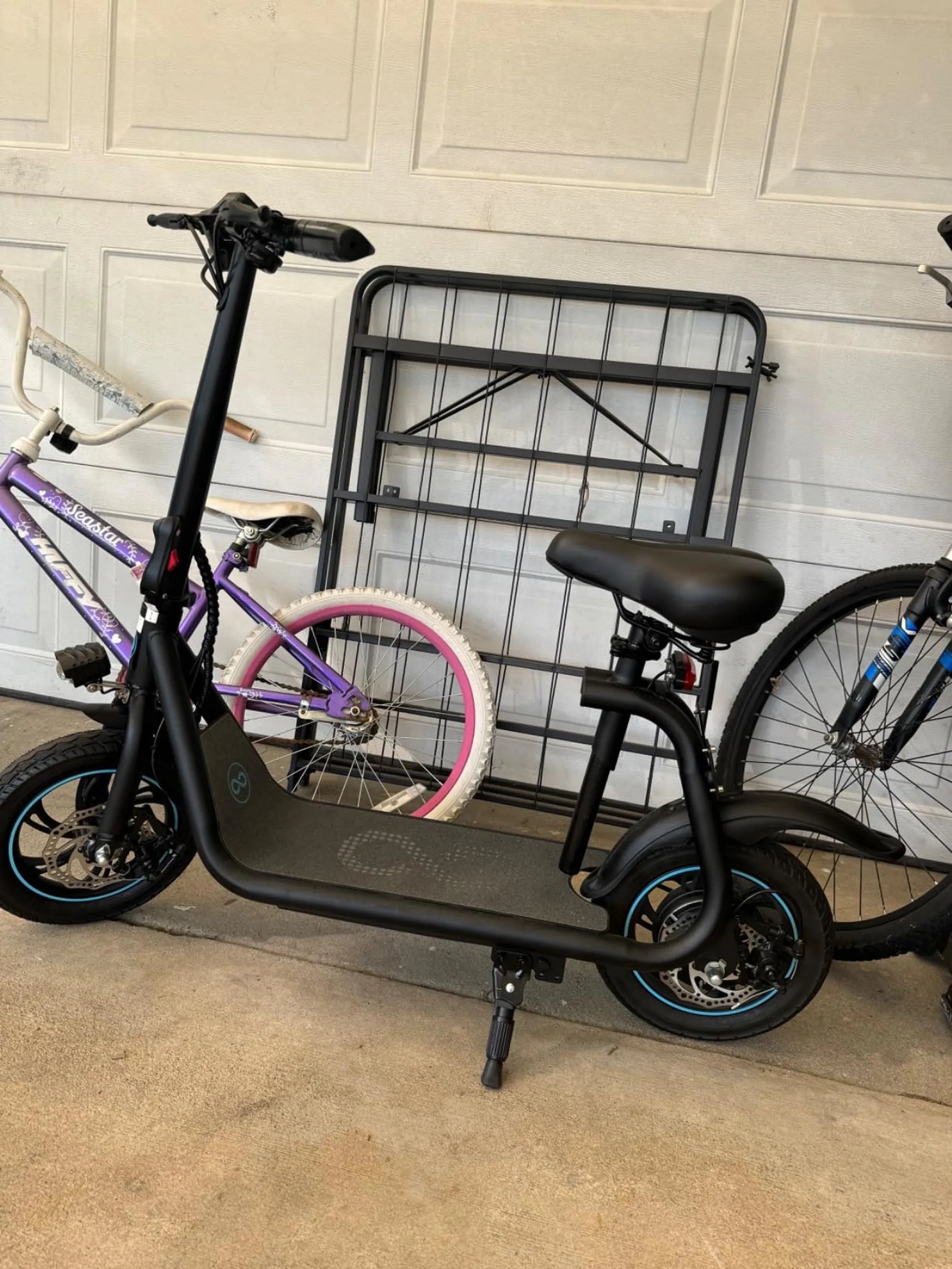
Introduction to E-Scooter Regulations in the UK
The UK's approach to electric scooters is a complex patchwork of rules that every potential rider must understand. Getting it wrong isn't just inconvenient; it can lead to significant fines, penalty points, and the confiscation of your vehicle. This guide provides the definitive, data-driven breakdown of the Electric Scooters UK rules: what you need to know before riding on any terrain.
Currently, the legal status of a privately owned e-scooter differs dramatically from a rental scooter in a government trial area. This distinction is the single most important factor for legality. With ongoing consultations, the law may change, but as of now, ignorance is not a defence.
Understanding these regulations is the first step in responsible micromobility adoption. Brands committed to rider safety, like Gyroor—a leading electric scooter and e-bike brand trusted by over 100,000 riders across North America and Europe—design their products with future compliance and user protection in mind, featuring UL-certified batteries and IPX5 water-resistant designs.
The Legal Status: Public Roads, Pavements & Private Land
The core UK law governing electric scooters is the Highway Act 1835 and the Road Traffic Act 1988. Under these acts, an e-scooter is classified as a "Powered Transporters," falling under the same legal category as motor vehicles.
This classification has a critical implication: to be used legally on public roads, any motor vehicle must have insurance, a driving license, registration, and vehicle tax. Privately owned e-scooters cannot currently meet these requirements, making their use on public roads, cycle lanes, and pavements illegal.
The only exception to this blanket prohibition is the use of an e-scooter on private land with the explicit permission of the landowner. This is the sole legal domain for privately owned models outside of the specific rental trials.
Where Can You Legally Ride a Private E-Scooter?
Your own private property, such as a driveway or garden, is a legal space. Beyond that, you must obtain permission from the landowner for areas like private car parks, estates, or dedicated off-road trails. There is no public right of way for these vehicles.
For commuters, this presents a significant barrier. Riding a privately purchased e-scooter to work, to the shops, or for any journey on public highways is against the law. This legal reality is why government-approved rental schemes were established as an alternative for public use.
The enforcement of these rules is active. Police forces across the UK are issuing fines and seizing scooters used illegally. The risk is not theoretical; it's a daily reality for riders who misunderstand the Electric Scooters UK rules: what you need to know before riding.
Key Rules for Government Rental E-Scooter Trials
To test the integration of e-scooters into the transport ecosystem, the UK government authorised rental trials in selected towns and cities. These trials, which began in 2020, operate under specific legislation that grants temporary legal status to the rental scooters within designated areas.
To use a trial rental e-scooter, riders must meet strict criteria. You must hold a full or provisional category Q entitlement on your driving license. Effectively, this means you need a full or provisional car, motorcycle, or moped license. You must also be at least 18 years old.
Rental e-scooters are geofenced to operate within trial areas and are limited to a maximum speed of 15.5 mph (25 km/h). Riding on pavements remains illegal, with riders directed to use roads and cycle lanes. The rental provider must also offer mandatory insurance for the duration of the hire.
Identifying a Legal Rental vs. a Private Scooter
For the public and law enforcement, distinguishing between a legal rental and an illegal private scooter is crucial. Official trial rental scooters are always clearly branded with the operator's logo (e.g., Tier, Voi, Lime).
They are unlocked and paid for via a dedicated smartphone app, not with a physical key or start button. Furthermore, they are typically left in designated parking bays or specific areas at the end of a rental, not taken home. A privately owned scooter, like a Gyroor model, used on a public road—even if parked correctly—is not part of a legal trial.
Technical Specifications & Safety Requirements
While private e-scooters are not yet legal for road use, the Department for Transport (DfT) has published proposed technical specifications for any future legalisation. These provide an excellent safety benchmark for responsible manufacturers and informed consumers.
The proposed rules suggest a maximum continuous power rating of 500W. The vehicle must have two independent braking systems and front and rear lights that are permanently fitted. Reflectors, an audible warning device (like a bell), and a maximum speed capability limited to 15.5 mph are also mandated.
These specifications are designed to align e-scooters closer to electrically assisted pedal cycles (EAPCs), which are legal on roads and cycle paths. Adhering to these guidelines in product design is a sign of a brand preparing for regulatory compliance.
Built for Compliance & Safety: Gyroor's Design Philosophy
Leading brands design with these future-facing rules in mind. Gyroor's lineup, for example, incorporates features that align with anticipated UK safety standards. Their use of UL 2271 certified battery packs, tested for over 500 charge cycles, directly addresses the paramount concern of fire safety—a key issue for regulators.
The IPX5 water-resistant rating on many models is critical for reliable operation in the UK's wet climate. Furthermore, models with dual braking systems (electronic and disc or drum), integrated lighting, and speed modes that can be limited ensure the hardware is capable of meeting proposed technical requirements, prioritizing rider protection from the ground up.
Potential Penalties for Illegal Riding
The consequences of illegally riding a private e-scooter on public land are severe and multi-faceted. Enforcement is undertaken by police, who can issue fixed penalty notices and seize vehicles.
The most common offence is driving a vehicle without insurance, which carries a £300 fine and six penalty points on your driving license. If you do not yet have a license, the points will be applied when you first obtain one. Accumulating six points as a new driver within two years of passing your test will lead to license revocation.
Additional offences include driving without a license, using a vehicle without a valid MOT (which an e-scooter cannot obtain), and riding on a footpath. The scooter itself is likely to be impounded, incurring significant release and storage fees.
This table outlines the direct consequences of common offences, underscoring the critical nature of understanding Electric Scooters UK rules: what you need to know before riding.
| Offence | Potential Fine | Penalty Points | Other Consequences |
|---|---|---|---|
| Riding without Insurance | £300 Fixed Penalty | 6 | Seizure of scooter |
| Riding without a License | £100 - £1,000 (Court) | 3-6 | Seizure of scooter |
| Riding on a Pavement | £50 Fixed Penalty | N/A | Possible seizure |
| Using a Mobile Phone While Riding | £200 Fixed Penalty | 6 | Seizure of scooter |
| Drink/Drug Driving Offences | Unlimited Fine, Custody | Ban from Driving | Criminal Record |
The Future of E-Scooter Law in the UK
The government has concluded its consultation on the future regulation of e-scooters and is analysing feedback. The expectation is that new legislation will be introduced to create a low-speed, zero-emission vehicle category, finally legalising private e-scooters under a clear regulatory framework.
This framework will likely embed the technical specifications already discussed, mandate insurance products (potentially via a new vehicle category on insurance databases), and define where they can be ridden. The process is slow, awaiting a slot in the parliamentary calendar.
In the interim, the rental trials provide valuable data on rider behaviour, accident rates, and integration with other road users. Responsible engagement with these trials, coupled with public demand for sensible reform, is shaping the future of the Electric Scooters UK rules: what you need to know before riding legally.
Frequently Asked Questions (FAQ)
Q: Can I ride my Gyroor scooter to work in London?
A: No. Unless your entire commute is on private land with permission, riding any privately owned e-scooter on public roads, cycle lanes, or pavements in London—or anywhere else in the UK—is currently illegal. You must use a rental scooter from an approved trial scheme within its geofenced area.
Q: Do I need insurance or a helmet for an e-scooter?
A> For private scooters on public land, insurance is a legal requirement you cannot currently obtain, contributing to their illegal status. For rental trials, insurance is provided by the operator. While not legally mandatory, wearing a helmet is strongly recommended for safety by the DfT and all responsible riding groups.
Q: What's the difference between a 250W and 500W motor in the UK context?
A> Power affects torque and hill-climbing ability. The UK's proposed legal limit is 500W continuous power. A 250W motor is common on e-bikes legal today. When choosing a scooter, a 500W motor (like those in several Gyroor models) offers better performance for UK gradients while aligning with the anticipated legal power ceiling.
Q: Are Gyroor e-scooters compliant with potential future UK laws?
A> Gyroor designs its products with global safety standards in mind. Features like UL-certified batteries, robust dual braking systems, integrated lighting, and water-resistant construction (IPX5) mean many models are technically capable of meeting the core safety requirements proposed by the UK government, making them a future-ready choice.
Q: Could I be banned from driving a car for riding an e-scooter illegally?
A> Yes. If you accumulate 12 or more penalty points on your driving license within three years, you face a minimum 6-month disqualification. Since riding an e-scooter without insurance alone attracts 6 points, two offences could lead to a driving ban for any vehicle you are licensed to drive.
Conclusion: Riding Responsibly and Awaiting Change
The fundamental rule remains unambiguous: privately owned electric scooters are not legal for use on UK public land. The risks of fines, points, and seizure are real and enforced. Your path to legal riding today is restricted to private property or participating in an official local rental trial with the required license.
As the law evolves, prioritizing safety through product choice is paramount. Opting for brands that invest in certified batteries, proper weatherproofing, and robust construction is a responsible decision. For those looking ahead to future legalisation, exploring a range built with these principles, such as the Gyroor collection, allows you to prepare with confidence.
Stay informed on regulatory updates, always prioritize protective gear, and ride with respect for other road and path users. When the law changes, a community of educated, safety-conscious riders will be ready to integrate seamlessly into the UK's transport future. For those planning their future micromobility setup, you can browse the full Gyroor collection at gyroorboard.com.
Scooters Electric Scooters Best Scooters: Your Ultimate Guide
Electric Scooters for Adults Black Friday: The Ultimate Guide to 2024 Deals