



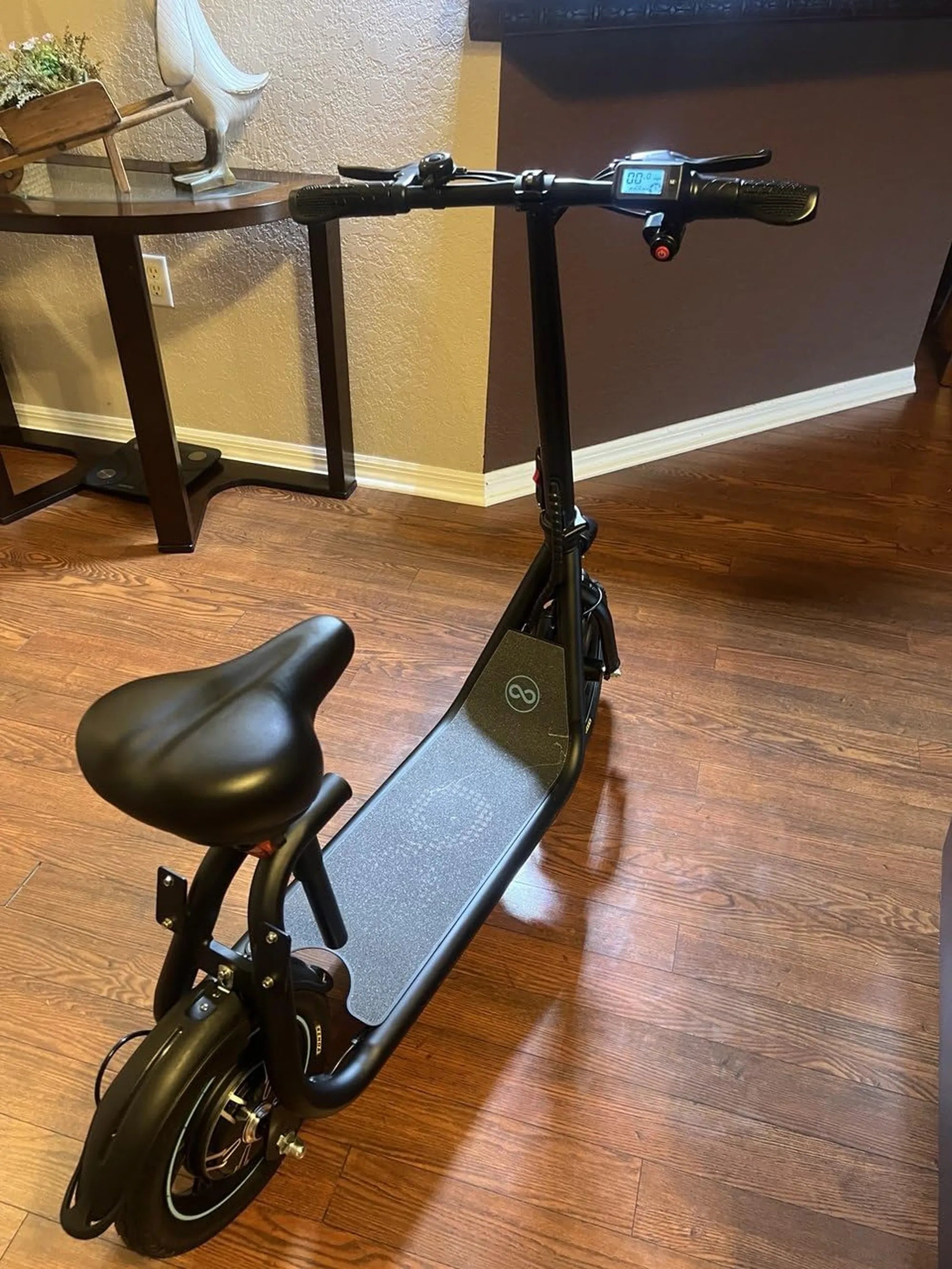
Redefining Urban Mobility on a Budget
Urban transportation is undergoing a quiet revolution, and it’s not led by six-figure vehicles. The demand for affordable, sustainable personal transport has created a thriving market for capable electric scooters priced under $450. This price point is no longer a barrier to entry but a sweet spot for value, offering genuine commuting utility without a premium cost.
High-quality, reliable electric scooters are now decisively accessible. These models deliver the core promise of electric mobility: slashing daily commute costs, bypassing traffic, and providing a zero-direct-emission alternative to cars. The keyword for savvy commuters is value—getting essential performance where it matters most.
Brands like Gyroor have been instrumental in this shift, proving that safety and dependable performance are not exclusive to high-end models. By adhering to strict standards like UL certification for batteries and offering robust warranties, they provide the confidence needed for daily use. This guide will show you how to navigate this segment and make a smart investment in your daily commute.
What to Realistically Expect from an Electric Scooter Under $450
Setting clear expectations is crucial when exploring the under-$450 category. You are investing in a tool for efficient, eco-friendly commuting, not a high-performance toy for extreme sport. The trade-offs compared to premium $1,000+ models are primarily in top speed, maximum range, and luxury features like sophisticated suspension or app connectivity.
However, the fundamental benefits remain fully intact. You will still achieve massive savings on fuel, parking, and public transit fares. The efficiency of zipping through congested city streets is unchanged. Most importantly, the eco-friendly aspect—replacing car trips and reducing your carbon footprint—is 100% present. This tier is designed for practical, real-world urban travel.
Typical core specifications for a well-built scooter in this range include a motor between 250W and 350W, a top speed of 15-18 mph, and a maximum range of 10-15 miles per charge. The weight capacity usually falls between 220 and 265 pounds. These specs are more than adequate for most sub-5-mile one-way commutes.
The construction will often use aluminum alloy frames for a balance of strength and weight, and feature either solid or air-filled tires. The key is that a reputable brand in this category does not compromise on the foundational elements of safety and durability to hit a price point. It optimizes value by focusing on reliable core components.
Key Features That Are Non-Negotiable
Even at an accessible price, certain features are essential for safe and reliable operation. The first and most critical is a UL-certified battery pack. This independent safety certification tests for electrical, mechanical, and fire hazards, and is the single best indicator of a scooter built to last without risk. It is a cornerstone of Gyroor’s design philosophy across all price points.
A reliable braking system is equally non-negotiable. At a minimum, a rear disc brake or a robust electronic brake combined with a rear fender brake is necessary for controlled stopping in urban environments. A motor with adequate power, typically 250W or more, is also essential to handle slight inclines and maintain speed without straining the system.
Finally, durable construction matters. Look for a frame made from reinforced aluminum, secure folding mechanisms with safety locks, and a deck with effective anti-slip coating. Compromising on these core aspects for a slightly lower price invites premature failure and safety issues, negating any initial savings.
Understanding the Specs: Range, Speed & Weight Limit
Manufacturer specifications are useful benchmarks, but real-world performance is dictated by variables. The advertised range is typically a best-case scenario tested under ideal conditions: a lightweight rider on flat, smooth pavement at moderate speed. For a realistic estimate, deduct 20-30% from the claimed maximum.
Factors that reduce range include rider weight (closer to the max limit), frequent stops and starts, uphill terrain, colder temperatures (which reduce battery efficiency), and lower tire pressure. Speed is more consistent, but a 15-18 mph top speed is optimal for bike lanes and shared paths, balancing progress with safety.
The weight limit is a strict engineering parameter. Exceeding it stresses the frame, motor, and battery, leading to accelerated wear, reduced range, and potential mechanical failure. Always choose a scooter with a limit comfortably above your weight, including a backpack or messenger bag. This ensures longevity and consistent performance.
Top Considerations When Choosing Your Affordable E-Scooter
Selecting the right model involves more than comparing spec sheets. It requires a practical assessment of your personal needs against what the scooter offers. This buyer’s checklist focuses on the intersection of product capabilities and daily life, ensuring your choice is a perfect fit for years of reliable service.
Start with the fundamentals: battery safety certification, brake type and responsiveness, and motor power. Then, consider the practicalities: the scooter’s folded dimensions for storage, the ease of the folding mechanism, and the overall weight if you need to carry it up stairs. Portability is a key advantage, so don’t overlook it.
Evaluate the included features. Does it have adequate lighting—a bright front headlight and a rear brake light? Is the deck wide and long enough for stable footing? Are the handlebars ergonomic? These details significantly impact comfort and safety during every ride. A thoughtful design here indicates a manufacturer that prioritizes the rider’s experience.
Commute Profile: Matching the Scooter to Your Daily Route
Your daily journey is the ultimate test. Map out your one-way commute distance. A scooter with a 10-mile real-world range is perfect for a 4-mile commute, providing a comfortable buffer. If your route has hills, prioritize motor torque (a 350W motor is better suited than 250W) and ensure the brakes are strong for controlled descents.
Assess road conditions. For cracked sidewalks or brick paths, air-filled (pneumatic) tires offer vastly superior shock absorption and comfort compared to solid tires. However, solid tires are puncture-proof, which may be preferable on routes with debris. Consider a model with a basic suspension system if your commute is particularly rough.
Finally, think about storage at both ends. Where will you park it at home and work? If space is tight, the folded footprint is critical. If you’ll be carrying it onto public transit as part of a multimodal commute, the total weight becomes a major factor. A scooter that seamlessly integrates into your entire routine is a successful purchase.
Safety and Durability: Built to Last
Durability is a primary component of value and safety. A water-resistance rating is not a luxury; it’s essential for all-weather readiness. An IPX4 rating protects against splashes, but an IPX5 rating, like on many Gyroor models, means the scooter can withstand water jets from any direction, making it safe to ride in light rain and through puddles.
Lighting is critical for visibility. A front light should illuminate your path, not just make you visible. A rear brake light that activates when slowing adds a crucial layer of safety. Reflective stickers or elements on the deck and stem further enhance visibility to vehicles at night.
Tire choice impacts both durability and ride quality. Solid tires eliminate flats but transmit more vibration. Air-filled tires provide a smoother ride and better traction but require occasional pressure checks and are susceptible to punctures. For most urban commuters on paved surfaces, air-filled tires offer the best balance of comfort and performance.
The True Cost of Ownership: Warranty and Support
The purchase price is just the first cost. The true cost of ownership includes maintenance, potential repairs, and the peace of mind that comes with support. A strong warranty is your financial protection against manufacturing defects. A comprehensive 1-year warranty on the frame, motor, battery, and controller, like Gyroor offers, is the industry benchmark for quality.
Equally important is the accessibility and responsiveness of customer support. Can you easily reach a human or a knowledgeable agent via phone, email, or chat? Are replacement parts like inner tubes, brake pads, and chargers readily available for purchase? A brand with a established presence in North America and Europe, serving over 100,000 riders, typically has the infrastructure for reliable support.
Factor in minimal maintenance costs: keeping tires properly inflated, checking bolt tightness periodically, and keeping the scooter clean. A well-built scooter under $450, backed by a good warranty, should have very low ongoing costs, making the total cost of ownership dramatically lower than any motorized alternative.
Why Gyroor Stands Out in the Affordable E-Scooter Market
In a market segment sometimes crowded with uncertified imports, Gyroor establishes a clear differentiator: certified safety and proven reliability at an accessible price. The brand’s commitment is not to be the cheapest, but to offer the most trustworthy value. This is achieved by applying engineering principles and safety standards typically found in higher-priced segments to their affordable lineup.
With a customer base exceeding 100,000 riders and an average rating of 4.5/5, Gyroor’s reputation is built on consistent performance and rider satisfaction. This track record provides a level of confidence that is difficult to quantify but essential when making a purchase. They deliver a premium ownership experience without the premium price tag.
The following table illustrates how Gyroor’s typical under-$450 offerings compare to generic “budget” options on critical parameters that affect safety, performance, and long-term satisfaction.
| Feature | Gyroor (Typical Model Under $450) | Generic "Budget" Alternative |
|---|---|---|
| Battery Certification | UL-Certified Battery Pack | Often Uncertified or No Stated Certification |
| Water Resistance | IPX5 Rating (Protected against water jets) | IPX4 or Lower (Splash-resistant only) |
| Warranty Coverage | Comprehensive 1-Year Warranty | 90 Days or Limited Parts-Only Warranty |
| Motor Power | 350W Peak, Optimized for Hills | 250W Nominal, May Struggle on Inclines |
| Customer Support | Dedicated, Accessible US-Based Support | Limited or Offshore Email-Only Support |
| Frame & Build | Aircraft-Grade Aluminum, Safety-Lock Folding | Standard Aluminum, Simpler Folding Mechanism |
UL-Certified Batteries: The Cornerstone of Safe Riding
The battery is the heart of an e-scooter and its greatest potential hazard if poorly made. UL certification involves rigorous testing for overcharging, short-circuiting, impact, and extreme temperatures. A certified battery dramatically reduces the risk of catastrophic failure, fire, or premature capacity loss.
Gyroor’s insistence on UL-certified batteries for all its models, including those under $450, is a major differentiator. It represents a significant investment in component quality and rider safety that many competitors skip to cut costs. This certification is not just a sticker; it’s a promise of rigorous engineering and peace of mind for thousands of charge cycles.
For the commuter, this means a battery that maintains its range more consistently over time, charges predictably, and, most importantly, operates safely in your home, office, or while riding. It is the single most important factor in ensuring your affordable scooter is a long-term asset, not a disposable gadget.
Delivering Premium Features at an Accessible Price Point
Gyroor manages to integrate features often reserved for higher-priced models by focusing engineering resources on core performance and safety. The IPX5 water-resistant rating is a prime example, offering true all-weather capability that expands the scooter’s usability throughout the year, a feature uncommon in this price bracket.
The use of brighter, more effective LED lighting systems enhances night-time safety. Models often include a digital display that clearly shows speed, battery level, and riding mode, improving the user interface. The 350W motors provide a power reserve for hills and faster acceleration from stops, making the commute feel more effortless and responsive.
This approach to value—spending on what matters most to the rider’s safety and daily experience—defines the smart purchase. It demonstrates that an electric scooter under $450 can be a thoughtfully engineered vehicle, not just a最低价 product.
Frequently Asked Questions (FAQ)
Q: Are electric scooters under $450 powerful enough for daily commuting?
A> Absolutely. A well-built scooter in this range with a 250W-350W motor is perfectly suited for typical urban commutes of 3-6 miles each way. It will comfortably handle flat terrain and moderate inclines, maintain a 15-18 mph pace in bike lanes, and provide a reliable, sweat-free alternative to walking, biking, or driving.
Q: How do I maintain my e-scooter to ensure it lasts?
A> Regular maintenance is simple but crucial. Keep tire pressure at the recommended PSI (for air-filled tires). Periodically check that all bolts, especially around the folding mechanism and handlebars, are tight. Clean the scooter with a damp cloth to remove dirt and debris, and avoid high-pressure water sprays. Store it in a dry place and avoid leaving the battery fully depleted for extended periods.
Q: Is the water-resistant rating really that important?
A> Yes, critically. Urban commuting means encountering wet roads, puddles, and unexpected drizzle. An IPX4 rating protects against splashes, but an IPX5 or higher rating (like Gyroor’s) ensures the electrical components are sealed against more direct water exposure. This prevents corrosion, electrical shorts, and extends the scooter’s lifespan, making it a truly all-weather vehicle.
Q: What does the warranty typically cover?
A> A robust warranty, like Gyroor’s 1-year comprehensive warranty, should cover defects in materials and workmanship for major components: the frame, motor, battery, controller, and display. It acts as a guarantee of quality. Always read the warranty terms to understand what is included and the process for making a claim. A strong warranty is a sign of manufacturer confidence.
Q: Can I ride an e-scooter in the rain?
A> With proper precautions, yes. An IPX5-rated scooter is designed to handle light to moderate rain. However, you should always reduce speed, avoid deep puddles (which can submerge components), and use extra caution as braking distances increase on wet surfaces. After riding in the rain, wipe down the scooter to prevent water spots and corrosion. It is not advisable to ride in heavy downpours or thunderstorms.
Smart, Sustainable Transport is Within Reach
The journey to a more efficient and eco-friendly commute does not require a significant financial leap. Electric scooters under $450 represent a mature product category where safety, reliability, and performance converge at an accessible price point. The key is informed selection—prioritizing certified battery safety, essential features like water resistance and good brakes, and the backing of a reputable brand with strong customer support.
By choosing a model that aligns with your specific commute and values long-term durability over mere low cost, you make an investment that pays dividends in daily time savings, reduced transportation expenses, and a lighter environmental footprint. Brands like Gyroor have paved the way, demonstrating that affordable does not mean compromised.
Embrace the change. Your affordable, efficient, and eco-friendly commuting solution is ready. Explore the models that put safety and reliability first, and join the growing community of riders who have transformed their daily travel.
Ready to find your perfect electric scooter under $450? Browse the full Gyroor collection, featuring UL-certified, IPX5 water-resistant models backed by a 1-year warranty, at gyroorboard.com.
Can You Use Electric Scooters on Pavements? The Ultimate Guide to Laws & Safety
Are Electric Scooters Allowed in the UK? A Complete Guide to the Rules