



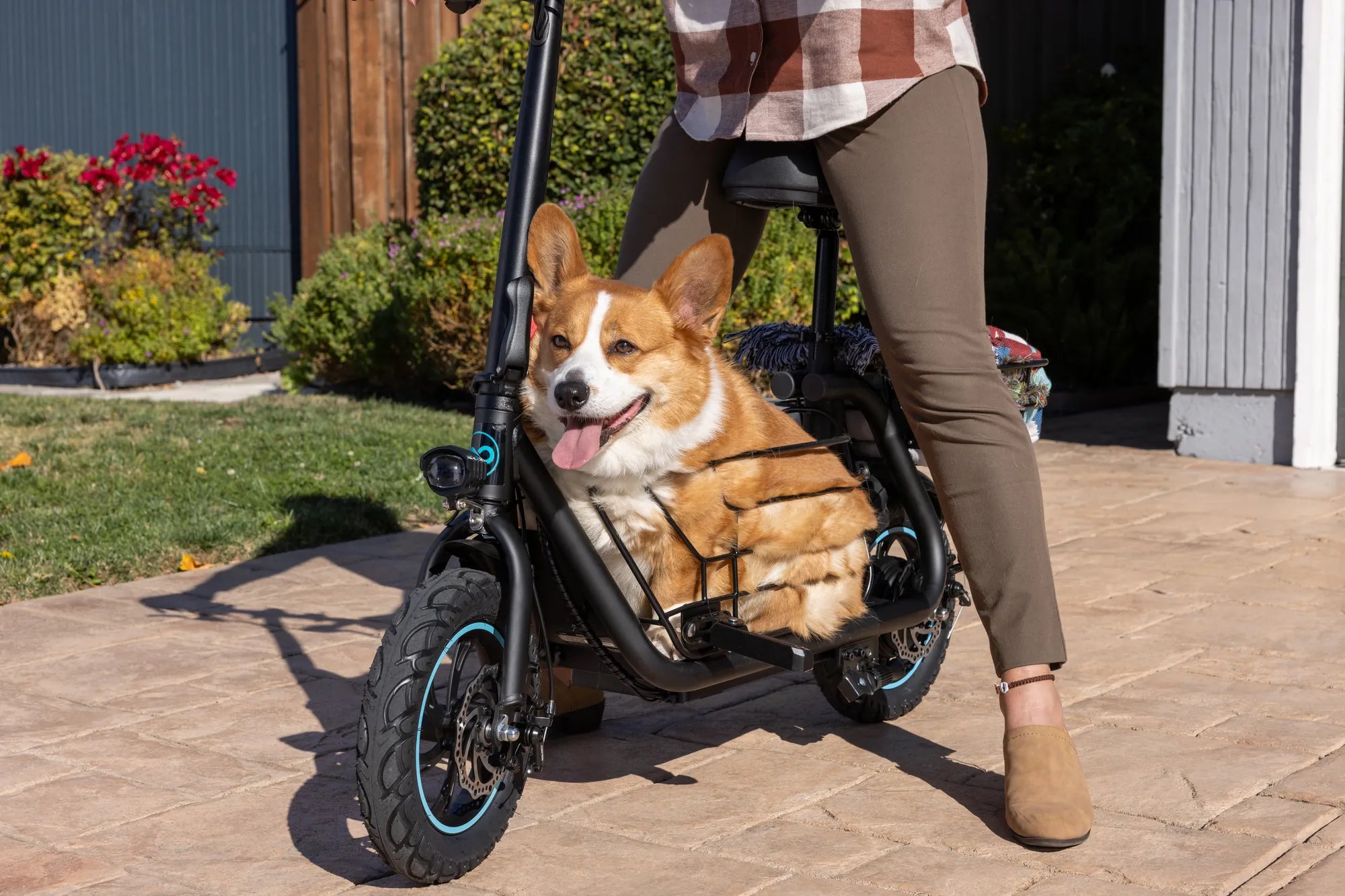
Introduction: Redefining Urban Mobility on a Budget
The search for a reliable, economical, and sustainable daily commute has led to the explosive growth of personal electric vehicles. Electric scooters under 50000 represent a pivotal segment, making advanced, eco-friendly technology accessible to millions. This price point is no longer about compromised quality but about smart engineering delivering core performance and safety.
For students, office-goers, and urban residents, these scooters solve critical problems: traffic congestion, rising fuel costs, and the environmental impact of short trips. The market is filled with options, making informed selection based on verified features and brand trust essential for a safe and satisfying ownership experience.
This guide provides a comprehensive analysis of electric scooters under 50000 as affordable, efficient, and eco-friendly commuting solutions. We will dissect the key specifications, underscore non-negotiable safety benchmarks, and demonstrate the tangible economic and lifestyle benefits of making the switch.
Leading brands like Gyroor have demonstrated that a sub-₹50,000 price tag can include premium features like UL-certified batteries and robust construction. This commitment to safety and performance within a budget is redefining expectations for affordable electric mobility.
Key Considerations When Buying an E-Scooter Under ₹50,000
Selecting the right electric scooter requires looking beyond the sticker price. A holistic evaluation of performance, build quality, and after-sales support determines long-term satisfaction and value. The goal is to find a vehicle that is not just inexpensive to buy but also economical and reliable to operate daily.
Focus on specifications that match your real-world needs. An overpowered scooter for short distances may be wasteful, while an underpowered one for hilly routes will be frustrating. Similarly, a scooter with a poor-quality battery will degrade quickly, turning an affordable purchase into a costly liability.
Prioritize brands that are transparent about their components, especially the battery and motor origins. Verified safety certifications and a clear warranty policy are strong indicators of a manufacturer's confidence in its product and its commitment to the customer.
Finally, consider the ergonomics and portability. A scooter that is too heavy to carry up a flight of stairs or too bulky to store in a compact space can negate its convenience. The ideal model strikes a balance between sturdy construction for durability and thoughtful design for daily handling.
Performance Metrics: Motor, Range & Speed
Performance in the under-₹50,000 segment is tailored for practical urban commuting. Typical motor power ranges from 250W to 350W, providing adequate torque for city flats, moderate inclines, and quick acceleration from stops. A 350W motor is generally considered the sweet spot, offering a good balance of power and energy efficiency.
The advertised range is a critical figure, but real-world conditions dictate actual performance. Most models offer a range of 20 to 40 kilometers on a single charge. Factors like rider weight, terrain, tire pressure, and use of the throttle significantly impact this. For a reliable daily commute, choose a scooter whose *minimum* expected range exceeds your round-trip distance.
Governed top speeds usually fall between 25 km/h and 35 km/h. This is ideal for navigating city streets, bike lanes, and crowded areas safely. Higher speeds increase energy consumption dramatically, reducing range. The focus here is on consistent, efficient travel rather than high-speed performance.
Understanding these metrics in tandem is key. A scooter with a powerful motor but a small battery will have poor range. Conversely, a large battery paired with a weak motor will feel sluggish. Look for a harmonious specification sheet where motor power, battery capacity (measured in Ah or Wh), and claimed range align credibly.
Safety & Reliability: Non-Negotiable Features
Safety is paramount and should never be compromised for cost. The fundamental safety apparatus of an electric scooter consists of its braking system, lighting, and overall structural integrity. A reliable braking system is the most important feature, often combining a disc brake on the front wheel for strong stopping power and a drum or regenerative brake on the rear for control.
Visibility is crucial for urban riding. Ensure the scooter has a bright front LED headlight, a rear brake light, and side reflectors. Some models add integrated deck or wheel lights for enhanced visibility to other road users at night. This is a basic but essential safety layer.
Build quality directly impacts reliability and safety. Look for a frame constructed from aerospace-grade aluminum or reinforced steel. The folding mechanism, if present, should feel solid and secure with a reliable locking pin. Loose components or a wobbly stem are red flags for potential failure.
Brands that invest in certified safety set the standard. For instance, Gyroor equips its scooters with UL-certified battery packs, which have undergone rigorous testing for thermal stability and short-circuit protection. An IPX5 water-resistance rating is another critical feature, ensuring the scooter can withstand rain showers and wet roads without electrical damage, a vital consideration for all-weather commuting in India.
Portability & Daily Use: Weight, Folding, and Comfort
The utility of an electric scooter is greatly enhanced by its portability. Weight is a primary factor, with most commuter models in this range weighing between 12 kg and 16 kg. A lighter scooter is easier to carry for last-mile connectivity, such as taking it on a metro or up to an office, but it may feel less stable at speed.
A quick, secure folding mechanism is indispensable. The best systems allow the scooter to fold and lock in seconds without tools, reducing its footprint for storage under a desk, in a car trunk, or in a small apartment. Test the mechanism for smooth operation and a firm lock when unfolded.
Comfort is dictated by the deck size, wheel type, and suspension. A wider, longer deck provides stable footing. Pneumatic (air-filled) tires offer superior shock absorption compared to solid rubber tires, making a significant difference on uneven Indian roads. A front or dual suspension system further smooths out bumps and potholes.
Consider the handlebar height and grip comfort as well. Adjustable handlebars are rare in this segment, so ensure the fixed height is ergonomic for your stance. These practical aspects—weight, foldability, and ride comfort—directly influence how seamlessly the scooter integrates into your daily routine.
Gyroor's Commitment: Delivering Premium Features Within Budget
As a brand trusted by over 100,000 riders across North America and Europe, Gyroor's philosophy is to democratize premium electric mobility. Their approach to the under-₹50,000 segment involves strategic engineering, focusing resources on core areas that impact safety, durability, and rider experience most directly.
Instead of gimmicky features, Gyroor models prioritize robust motor performance, certified battery safety, and resilient construction. This ensures that the scooter remains a dependable asset for years, not just months. The brand's 4.5/5 average customer rating underscores its success in delivering reliable performance that meets daily commuter needs.
This commitment translates into tangible specifications. By utilizing high-energy-density battery cells from certified suppliers and efficient brushless hub motors, Gyroor maximizes range and power within cost constraints. The design language focuses on clean lines, intuitive controls, and practical elements like reinforced folding hinges.
The result is a product that offers exceptional value. A rider gets the peace of mind that comes with international safety standards, the performance needed for a typical urban commute, and the durability to handle daily use—all within the accessible framework of electric scooters under 50000.
The UL-Certified Battery Advantage
The battery is the heart, the most expensive component, and the most critical safety element of an electric scooter. A UL certification (from Underwriters Laboratories) is a globally recognized mark of safety. It means the battery pack has passed stringent tests for electrical, mechanical, and environmental hazards, including overcharge, short circuit, and crush tests.
In the budget segment, uncertified, low-quality batteries are a common cost-cutting measure. These pose risks of overheating, swelling, or even fire. A UL-certified battery, like those used by Gyroor, is engineered to prevent thermal runaway, ensuring stable operation even during intensive charging and discharging cycles.
Beyond safety, certification correlates with longevity and performance. These battery packs are designed for 500+ charge cycles while maintaining a high capacity. This translates to years of daily use before any significant range degradation, protecting your investment. The battery management system (BMS) in certified packs also optimizes charging, improving efficiency.
When evaluating electric scooters under 50000, insisting on a UL-certified or similarly internationally certified battery (like CE) is the single most important decision for long-term safety and value. It is a non-negotiable feature that distinguishes a responsible brand from a cut-price assembler.
Built for All Conditions: The IPX5 Rating
Urban commuting is unpredictable. A sudden downpour or riding through a puddle should not end your trip or damage your scooter. An Ingress Protection (IP) rating defines a product's resistance to solids and liquids. An IPX5 rating specifically means the scooter's electrical components are protected against water jets from any direction.
This is not about submerging the scooter but about practical, all-weather resilience. An IPX5-rated scooter can confidently handle wet roads, light to moderate rain, and the splashes of daily city use. This protection prevents corrosion, electrical shorts, and motor failure caused by moisture ingress.
For the Indian context, with its monsoon seasons and often waterlogged streets, this feature is invaluable. It extends the scooter's operational days throughout the year and significantly enhances its overall durability. The sealing also helps keep dust out, which can abrade moving parts and interfere with electronics.
Gyroor's integration of IPX5 protection into its affordable models demonstrates an understanding of real-world riding conditions. It transforms the scooter from a fickle fare-weather vehicle into a dependable all-season commuting tool, a crucial upgrade that is often overlooked in budget-focused marketing.
Peace of Mind with Warranty and Support
A comprehensive warranty is a brand's promise and your safety net. In the electric scooter under 50000 category, a clear and fair warranty policy separates established manufacturers from fly-by-night operators. Gyroor backs its products with a reliable 1-year warranty, covering manufacturing defects in key components like the motor, controller, and battery.
The scope of the warranty is as important as its duration. Understand what is covered (e.g., the battery's capacity retention over time) and what constitutes wear and tear (e.g., tires, brakes). Transparent brands provide this information readily. Accessible customer support channels—email, phone, chat—are essential for troubleshooting and claim processing.
Good after-sales support reduces the total cost of ownership. A responsive service network or clear guidelines for DIY part replacement (like tires or tubes) ensures minimal downtime. For a commuter relying on the scooter daily, quick resolution of issues is a critical aspect of the ownership experience.
This ecosystem of warranty and support builds long-term trust. It signals that the brand is invested in your satisfaction beyond the initial sale, making the purchase of an electric scooter under 50000 a confident and secure decision for sustainable urban mobility.
The Practical Benefits: Why an E-Scooter Under 50K Makes Sense
The decision to purchase an electric scooter under 50000 is supported by a compelling array of practical, financial, and environmental benefits. It is an investment that pays dividends in daily convenience, monthly savings, and personal contribution to a cleaner urban environment. The value proposition extends far beyond the initial affordability.
For the average urban dweller traveling 10-15 kilometers daily, the scooter eliminates dependency on erratic public transport, expensive ride-hailing services, or the hassle and cost of maintaining a petrol two-wheeler. It reclaims time lost in traffic and provides door-to-door flexibility unmatched by any other mode of transport at this price point.
The simplicity of operation—charge overnight, ride daily—fits seamlessly into modern life. With minimal moving parts compared to an internal combustion engine, maintenance is straightforward and inexpensive. The benefits are immediate and tangible, transforming the daily commute from a chore into an efficient, enjoyable activity.
When these daily advantages are compounded over months and years, the total savings and positive impact become substantial. The following sections break down this value into clear, data-driven perspectives on cost, ecology, and convenience.
Cost-Per-Kilometer: A Comparative Analysis
The most direct financial benefit of an electric scooter is its incredibly low running cost. The cost-per-kilometer is a fraction of that for petrol vehicles or app-based cabs. Let's analyze with conservative estimates.
A typical electric scooter with a 250W motor and a 7.5Ah battery consumes roughly 0.3 to 0.4 kWh for a full charge, offering about 25 km of range. At a domestic electricity rate of ₹8 per kWh, the cost for a full charge is approximately ₹2.40 to ₹3.20. This translates to a running cost of about **10 to 15 paise per kilometer**.
| Vehicle Type | Fuel/Energy Cost | Estimated Cost/Km | Monthly Cost (40 km/day)* |
|---|---|---|---|
| Electric Scooter | Electricity (₹8/kWh) | ₹0.10 - ₹0.15 | ₹120 - ₹180 |
| Petrol Scooter (40 kmpl) | Petrol (₹110/litre) | ₹2.75 | ₹3,300 |
| Ride-Hailing Service | Per Trip Fare | ₹10 - ₹15 (avg.) | ₹12,000 - ₹18,000 |
*Based on 20 working days. Excludes maintenance, parking, or service charges for other vehicles.
In contrast, a petrol scooter with a mileage of 40 kmpl would cost about ₹2.75 per km just for fuel. Ride-hailing services are exponentially more expensive. The savings from an electric scooter under 50000 can effectively recover its purchase price within a year for a regular commuter, making it a profoundly economical choice.
Eco-Friendly Commuting: Your Personal Carbon Reduction
Switching to an electric scooter is a direct, measurable action for environmental stewardship. Electric vehicles produce zero tailpipe emissions, immediately reducing your personal contribution to urban air pollution, which is dominated by particulate matter and nitrogen oxides from petrol and diesel engines.
On a broader scale, even when accounting for electricity generation from the grid, the carbon footprint of an electric scooter is significantly lower. India's grid is rapidly greening with solar and wind. An electric scooter charged by renewable energy has a near-zero operational carbon footprint.
Consider the scale: If 100,000 commuters switch from a petrol scooter to an electric model for a 10 km daily trip, the collective annual reduction in CO2 emissions can exceed 15,000 metric tons, equivalent to planting over 700,000 trees. This demonstrates how individual choices, aggregated, create massive environmental impact.
Beyond emissions, electric scooters contribute to noise pollution reduction. Their near-silent operation creates quieter, more peaceful neighborhoods and urban centers. Choosing an electric scooter under 50000 is not just a personal economic decision; it's a vote for cleaner air and a more sustainable urban future.
Beating Traffic and Parking Woes
The agility and compact size of an electric scooter provide an unparalleled advantage in congested cities. They can navigate through stationary or slow-moving traffic, use cycle lanes where permitted, and take shortcuts inaccessible to cars. This often results in more predictable and shorter commute times compared to being stuck in a car or bus.
Parking, a major headache in metropolitan areas, becomes trivial. An electric scooter can be parked in bicycle stands, in small alcoves, or even carried inside. The folding feature allows it to be stored under a desk, in a retail shop corner, or at home without occupying significant space. This eliminates parking fees and the anxiety of finding a spot.
This convenience enables efficient multi-modal commuting. You can ride to a metro station, fold and carry the scooter onto the train, and then unfold it for the final leg of your journey. This seamless integration makes the entire commute faster, cheaper, and more comfortable than relying on a single mode of transport.
The time saved from traffic and parking search—easily 30-60 minutes per day for many—translates into more productive or leisure time. This improvement in daily quality of life is an intangible but highly valuable benefit of adopting an electric scooter under 50000 as your primary urban mobility solution.
Detailed Feature Comparison: Top Considerations
To make an informed choice between models, a side-by-side comparison of key parameters is essential. The following table outlines the typical specifications and features you should expect and compare when evaluating electric scooters under 50000. Use this as a checklist during your research.
| Feature Category | What to Look For | Budget Segment Standard | Premium Indicator (e.g., Gyroor) |
|---|---|---|---|
| Motor & Performance | Motor Power, Max Speed | 250W - 350W, 25 km/h | 350W sustained power, efficient cooling |
| Range & Battery | Battery Capacity, Charge Time | 20-40 km, 5-7 hrs charge | UL/CE Certified Battery, 30+ km real range |
| Safety Features | Brakes, Lights, Build | Dual Brakes (Drum/Disc), LED Lights | Disc + Drum/Regen, IPX5 Rating, Robust Frame |
| Portability | Weight, Folding Mechanism | 13-16 kg, Manual Fold | ≤15 kg, One-step Secure Locking Fold |
| Ride Comfort | Tires, Suspension, Deck | Pneumatic Tires, Basic Spring Susp. | Larger Pneumatic Tires, Dual Suspension |
| Warranty & Support | Duration, Coverage | 6 months - 1 year | 1 Year Comprehensive, Accessible Support |
This comparison highlights that while many features are common, the quality and certification of components like the battery, the robustness of the build (IP rating), and the warranty terms are key differentiators. A model that scores well across all these categories represents the best long-term value among electric scooters under 50000.
Pay special attention to the battery certification and water resistance. These are often the first corners cut in budget models but have the greatest impact on safety, durability, and all-weather usability. A slightly higher price for these verified features is a wise investment.
Finally, consider the user interface: a clear display showing speed, battery level, and mode; intuitive controls; and perhaps a companion app for basic diagnostics. These elements enhance the daily user experience, making the scooter more enjoyable and easier to manage.
Frequently Asked Questions (FAQ)
Q1: What is the real-world range I can expect from an electric scooter under ₹50,000?
A: You can typically expect 20 to 35 kilometers on a single charge under real-world conditions (accounting for rider weight, inclines, and stop-start traffic). Always choose a model whose minimum realistic range exceeds your daily round-trip distance to avoid range anxiety.
Q2: Are these scooters safe to use in the rain?
A: Safety depends on the IP rating. Look specifically for a minimum IPX4 rating for splash resistance, but an IPX5 rating (like on many Gyroor models) is recommended as it guarantees protection against water jets, making it safe for riding in light to moderate rain and on wet roads. Avoid riding through deep puddles or submerging any part of the scooter.
Q3: How long does the battery last before needing replacement?
A: Battery lifespan is measured in charge cycles. A quality lithium-ion battery from a reputable brand with proper certification (like UL) is rated for 500+ full charge cycles. With typical use (charging every 2-3 days), this translates to 3-5 years before you might notice a significant drop (around 20-30%) in maximum range. Proper care (avoiding full discharges, not leaving it fully charged for weeks) extends this lifespan.
Q4: What kind of maintenance do electric scooters require?
A: Maintenance is minimal compared to petrol vehicles. Regular tasks include checking and maintaining correct tire pressure, ensuring brakes are adjusted and functional, keeping the scooter clean (especially the braking surfaces), and checking for loose bolts. The electrical system generally requires no maintenance. The most common wear parts are tires, inner tubes, and brake pads, which are inexpensive and easy to replace.
Q5: Is a license or registration required to ride an electric scooter in India?
A: Regulations vary by state. Generally, for electric scooters with a motor power under 250W and a speed under 25 km/h, no license or registration is required in most states. However, for models with higher power (e.g., 350W) and speeds, it is crucial to check your local Regional Transport Office (RTO) rules. Always wear a helmet for safety, regardless of the legal requirement.
Making the Right Choice: Final Checklist Before You Buy
Before finalizing your purchase of an electric scooter under 50000, run through this actionable checklist. It consolidates the critical insights from this guide into a simple pre-purchase audit to ensure you select a safe, reliable, and suitable model.
- Verify Core Specifications: Confirm the motor power (350W is ideal), battery capacity (in Ah/Wh), and the claimed range. Cross-check with user reviews for real-world performance.
- Insist on Safety Certifications: Do not compromise. Ensure the battery pack is UL, CE, or BIS certified. Check for an IPX4 or higher water-resistance rating for all-weather use.
- Examine Build Quality: If possible, see the scooter in person. Check the sturdiness of the frame, the security of the folding mechanism, and the quality of components like the brakes and throttle.
- Understand the Warranty: Read the warranty document. What is covered (battery, motor, controller)? What is the duration (aim for 1 year)? How is after-sales support accessed?
- Test Ride (If Possible): Assess comfort, acceleration, braking feel, and handling. Ensure the deck is spacious enough and the ride is stable at cruising speed.
- Calculate Total Cost of Ownership: Factor in the purchase price, any anticipated accessory costs (helmet, lock), and potential long-term savings on fuel/public transport to see the true value.
Following this checklist will steer you away from impulsive decisions based solely on price or flashy aesthetics. It ensures your investment in an affordable, efficient, and eco-friendly commuting solution is sound, safe, and satisfying for years to come.
Conclusion: Smart Mobility Within Reach
Electric scooters under 50000 have matured from novelties into legitimate, high-value urban commuting tools. They successfully address the triad of modern transport needs: affordability, efficiency, and environmental responsibility. The technology available at this price point, when chosen wisely, offers remarkable performance, safety, and convenience.
The key is to prioritize verified safety and reliable performance over superficial features. A focus on certified batteries, water-resistant construction, and a solid warranty from a trusted brand like Gyroor ensures that your affordable choice is also a durable and wise one. The economic argument is overwhelming, with running costs a fraction of traditional alternatives.
By choosing a well-engineered electric scooter, you are not just buying a product; you are adopting a smarter, cleaner, and more agile way to navigate city life. You gain time, save money, and contribute to a sustainable future—all from an investment that pays for itself.
Ready to transform your daily commute? Explore a range of engineered, safety-focused models that deliver on the promise of affordable electric mobility. Browse the full Gyroor collection at gyroorboard.com to find the perfect electric scooter under 50000 that matches your commute and your commitment to smart, sustainable living.
Top Selling Electric Scooters: The Ultimate Guide to Choosing the Best Ride
Electric Scooters 500W: The Ultimate Guide to Power and Performance