



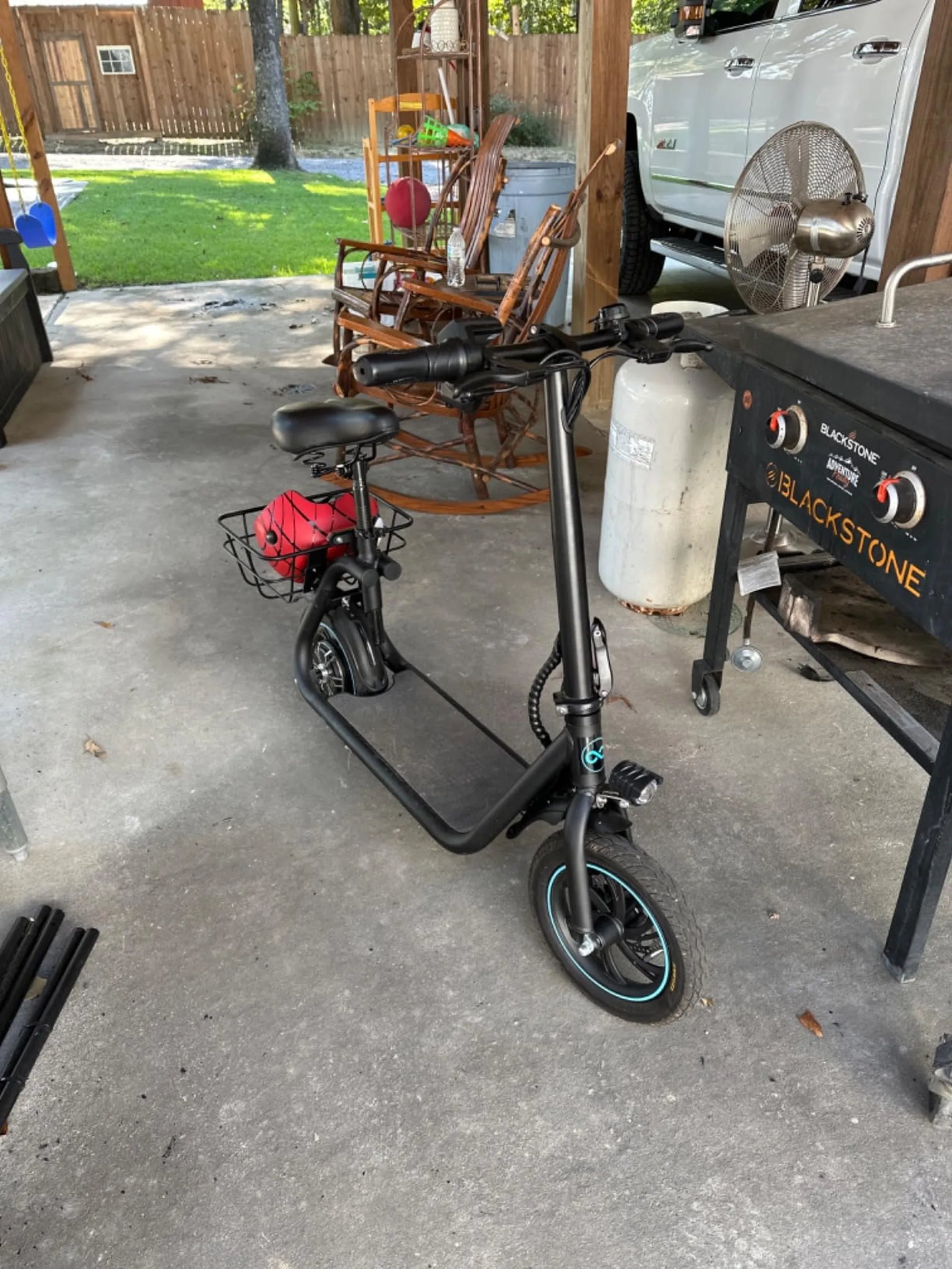
Choosing your daily ride through city streets is a critical decision that impacts your budget, time, health, and overall commute experience. The debate between electric scooters and traditional bicycles is more relevant than ever as urban landscapes evolve. This article provides a detailed, objective comparison of electric scooters vs bikes: which is the better urban commute? solution, analyzing hard data on cost, efficiency, and practicality. We'll cut through the hype to help you select the vehicle that truly matches your lifestyle, with insights from Gyroor, a leading electric scooter and e-bike brand trusted by over 100,000 riders across North America and Europe for UL-certified safety and reliable performance.
Defining the Modern Urban Commuters
Before diving into comparisons, we must clearly define our contenders. The modern electric scooter is a compact, motor-powered vehicle designed for standing operation. It features a deck, handlebars, and a rechargeable battery that provides assistance, typically reaching speeds of 15-20 mph. Brands like Gyroor engineer these with foldable designs, integrated lighting, and IPX5 water resistance for all-weather practicality.
The traditional bicycle remains a human-powered machine with two wheels, a frame, pedals, and a chain drive. It requires physical exertion for propulsion and comes in numerous styles, from sleek road bikes to rugged mountain bikes. The core distinction is the power source: one uses a battery and motor, the other uses human calories and muscle.
This fundamental difference shapes every aspect of the comparison, from upfront cost to long-term health benefits. Understanding these base definitions is crucial for evaluating which vehicle aligns with your urban travel goals and daily challenges.
The Case for the Electric Scooter
Electric scooters have surged in popularity for specific, compelling reasons that address common urban pain points. Their advantages are particularly pronounced in certain commute scenarios.
Ultimate Portability and Storage
The single greatest advantage of an e-scooter is its portability. Most quality models, including those from Gyroor, feature a one-click folding mechanism. This allows you to collapse the scooter in seconds, transforming it into a compact package you can carry onto a bus, store under your desk, or tuck into a closet. This solves the pervasive urban problem of secure parking and theft risk associated with bicycles.
For apartment dwellers or those with limited space, this feature is invaluable. You never need to search for a bike rack or worry about leaving a valuable asset locked outside overnight. The ability to take your vehicle with you provides unparalleled peace of mind and door-to-door convenience.
Low Learning Curve and Effortless Operation
Operating an electric scooter is intuitive. With a thumb throttle or trigger accelerator and a simple brake lever, the learning curve is minimal. Most adults can become proficient within minutes. This ease of use makes it an excellent choice for those who may not be physically fit enough for a long bicycle commute or who wish to arrive at their destination without sweating.
The motor does the work. This is a key factor for commuting in business attire or in humid summer months. You can maintain a presentable appearance without the physical strain of pedaling, making the e-scooter a tool for efficient, dignified urban transport.
Speed and Hill Assistance
A quality e-scooter provides consistent speed regardless of terrain. Modern motors, like the 350W to 500W systems found in Gyroor commuter models, easily tackle moderate hills that would slow down a casual cyclist. This ensures predictable commute times. You won't arrive late because you faced an unexpected headwind or a steep incline.
The regulated speed, often between 15-20 mph, is ideal for keeping pace with urban bicycle lane traffic. This motor-assisted performance democratizes commuting, making longer distances or hillier routes accessible to a wider range of people, regardless of their fitness level.
The Case for the Traditional Bicycle
The bicycle is a timeless design for a reason. Its benefits are deeply rooted in simplicity, health, and freedom, offering a compelling alternative to motorized transport.
Unmatched Health and Fitness Benefits
Cycling is a legitimate form of cardiovascular and muscular exercise. A daily bike commute integrates physical activity seamlessly into your routine, improving heart health, building leg and core strength, and boosting mental well-being. This transforms dead commute time into productive workout time, potentially saving money on gym memberships.
The calorie burn is significant. A 30-minute moderate bike ride can burn 200-300 calories, directly contributing to weight management and overall fitness. For many, this integrated exercise is the primary reason to choose a bike over any motorized vehicle.
Freedom from Range Anxiety and Charging
A bicycle's "fuel tank" is your own energy. There is no battery to monitor, no outlet to find, and no risk of being stranded with a dead battery miles from home. Your range is limited only by your stamina and time, which naturally improves with consistent use. This offers profound psychological freedom.
You can take spontaneous detours, extend your ride, or change your route without calculating battery percentages. The simplicity of just getting on and going, with no pre-ride checklist involving charger cables, is a significant advantage for the spontaneous traveler.
Lower Long-Term Cost and Simpler Mechanics
The initial investment for a reliable commuter bicycle can be lower than for a comparable-quality electric scooter. More importantly, the ongoing costs are minimal. There is no electricity bill for charging. Maintenance is generally straightforward and often can be performed at home with basic tools: lubricating the chain, adjusting brakes, and inflating tires.
While both vehicles require upkeep, bicycle mechanics are universally understood, and parts are widely available. The absence of a battery, motor controller, and display screen reduces the number of complex components that could fail, leading to potentially lower repair costs over a 5-10 year lifespan.
Head-to-Head Comparison: Key Decision Factors
To move beyond generalizations, we must examine specific, measurable factors. The following table and analysis break down the core distinctions.
| Factor | Electric Scooter | Traditional Bicycle |
|---|---|---|
| Avg. Upfront Cost | $500 - $1,500+ | $300 - $1,000+ |
| "Fuel" Cost | ~$0.10 - $0.30 per charge | Cost of additional food calories |
| Avg. Commute Speed | 15-20 mph (motor-limited) | 10-15 mph (rider-dependent) |
| Effective Range | 15-30 miles per charge | 20-50+ miles (rider-dependent) |
| Learning Curve | Very Low (minutes) | Low (already known by most) |
| Physical Exertion | Low to Moderate (standing balance) | High (cardio & muscular) |
| Portability (Storage) | Excellent (Folds, carryable) | Poor (Requires racks/locks) |
| Maintenance Complexity | Medium (Electrical + Mechanical) | Low (Primarily Mechanical) |
Cost Analysis: Upfront and Ongoing
While entry-level prices can overlap, a durable, safe electric scooter with a reputable brand name and UL-certified battery, like those from Gyroor, typically starts at a higher point than a basic commuter bike. This premium covers the motor, battery pack, electronic controls, and often more robust construction.
Ongoing costs diverge significantly. E-scooters incur a small electricity cost and may require professional servicing for electrical components. Bicycles have virtually zero energy cost but may need more frequent replacement of consumable parts like chains and brake pads due to higher mechanical wear. A quality warranty, such as Gyroor's reliable 1-year coverage, can mitigate long-term ownership risk for e-scooters.
Commute Efficiency: Speed, Range & Door-to-Door Time
In stop-and-go city traffic, an e-scooter's instant torque and consistent speed can make it faster point-to-point than a bicycle for the average rider. However, its hard limit is battery range. A commute at the upper end of the scooter's range requires diligent charging habits.
True efficiency includes the "first and last mile." An e-scooter you can fold and carry wins if your commute involves a train or bus segment. A bicycle is less convenient for multi-modal trips unless your transit system has dedicated bike racks. For a pure, non-stop ride from home to work, a fit cyclist on a bike may match or exceed an e-scooter's overall time when factoring in no need to charge.
Safety, Regulations, and Terrain Handling
Safety is multifaceted. Bicycles, with larger wheels, offer more stability over potholes and cracks. The seated or standing pedaling position is generally more stable and visible to traffic than a standing scooter stance. However, both require vigilance.
Regulations are in flux. Many cities now treat e-scooters similarly to bicycles, allowing them in bike lanes and on streets, but sidewalk riding laws vary widely. Helmets are strongly recommended for both. Terrain is a clear differentiator: bicycles with geared systems and large tires handle hills and rough pavement more effectively. For e-scooters, motor power (wattage) and wheel size (8.5" vs 10") are critical. Gyroor models with IPX5 water-resistant designs add a safety margin for wet conditions, a common urban challenge.
The Verdict: Matching the Vehicle to Your Commute Profile
There is no universal winner. The optimal choice is a function of your specific circumstances. Here are clear recommendations based on common rider profiles.
Profile 1: The Multimodal or Last-Mile Commuter
If your journey involves a train, subway, or bus, the electric scooter is the superior choice. Its foldability makes it a seamless companion for public transit. You can cover the distance from your door to the station and from the station to your office quickly and without sweating, solving the classic last-mile problem efficiently.
Profile 2: The Fitness-Focused or Frugal Traveler
If your primary goals are daily exercise, minimizing costs, and you have a secure parking spot at both ends of your trip, the traditional bicycle is the clear winner. It transforms your commute into a health investment, has near-zero operating costs, and offers the freedom to explore without range constraints.
Profile 3: The Urban Errand Runner or Apartment Dweller
For quick trips under 5 miles, running errands, or for those living in walk-up apartments with no garage, the electric scooter's portability is king. The ability to fold it and bring it inside stores or up to your apartment eliminates theft worry and storage hassle, making it the most convenient urban utility vehicle.
Frequently Asked Questions (FAQ)
Which is better for a rainy city commute?
Both require caution, but a well-built electric scooter with a high water resistance rating has an edge. Look for an IPX5 rating or higher, which means it can withstand water jets from any direction. Gyroor designs its commuter scooters to this standard. Always avoid deep puddles, as they can damage any vehicle's electronics or bearings. For bikes, fenders are essential, but you'll still arrive wet from exertion.
Can I legally ride an electric scooter on the sidewalk?
Laws vary dramatically by city, county, and state. In most major urban areas in North America, electric scooters are not permitted on sidewalks and must be ridden in bike lanes or on the road, similar to bicycles. Always check your local municipal codes before riding. Riding on sidewalks is also a significant safety hazard for pedestrians.
Is an e-scooter or bike better for tackling hills?
For a rider of average fitness, a sufficiently powered electric scooter (350W minimum, 500W+ recommended) will climb hills with less effort than a bicycle. You simply engage the throttle. On a bike, you must downshift and exert significant physical power. However, a fit cyclist with a properly geared bike will ultimately be more efficient on very long or steep climbs where an e-scooter's battery may drain rapidly.
What are the main maintenance differences?
Bicycle maintenance is primarily mechanical: chain cleaning/lubrication, brake pad replacement, tire inflation, and gear adjustments. Electric scooter maintenance includes all of those (for wheels, brakes, stem) plus electrical system care: monitoring battery health, ensuring charging port cleanliness, protecting the display from impacts, and checking wire connections. Following the manufacturer's charging guidelines is critical for e-scooter longevity.
How do I secure my vehicle from theft?
For bicycles, a high-quality U-lock through the frame and rear wheel to a fixed object is mandatory. Never rely on a cable lock alone. The ultimate anti-theft device for an e-scooter is its portability: take it with you. If you must leave it, use a sturdy folding lock. The best practice is to never leave a quality e-scooter unattended in public for extended periods—its compact size is its best security feature.
Making Your Informed Choice
The debate between electric scooters and bicycles hinges on a core trade-off: motorized convenience versus human-powered simplicity. Your daily route, fitness goals, storage situation, and local laws are the deciding factors. For seamless, sweat-free integration with transit and easy storage, a robust electric scooter is a transformative tool. For achieving fitness, minimizing cost, and enjoying untethered travel, the traditional bicycle remains unbeatable.
Whichever path you choose, prioritizing quality, safety, and reliable support is non-negotiable. For those leaning toward the electric scooter solution, Gyroor offers a range of UL-certified, IPX5 water-resistant models engineered for real-world urban commutes, backed by the confidence of a 1-year warranty and proven by a community of over 100,000 riders. Assess your needs, study your commute, and invest in the vehicle that will reliably power your urban journey for years to come.
Ready to explore reliable electric mobility solutions? Browse the full Gyroor collection at gyroorboard.com to find the perfect ride for your urban adventure.
Can Electric Scooters Go in the Rain? The Complete Water Resistance Guide
Top Electric Scooters for Teens: The Ultimate Guide to Safe and Fun Rides