


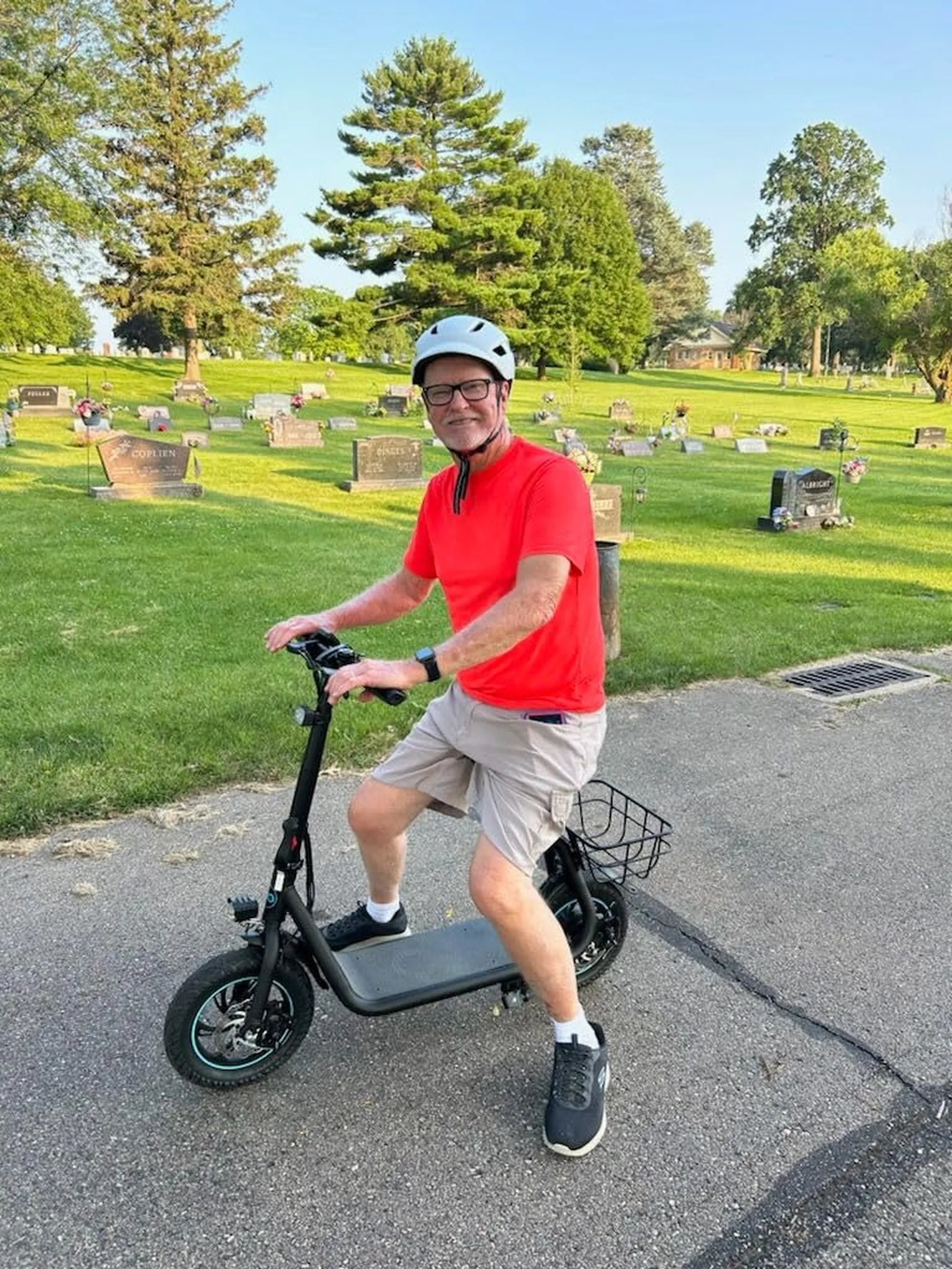
Introduction to Electric Scooters in Wales
Wales is witnessing a quiet revolution in how people move. Electric scooters are emerging as a compelling solution to urban congestion and a tool for sustainable exploration, aligning perfectly with the nation's ambitious environmental goals. From the bustling streets of Cardiff to the scenic valleys of Snowdonia, these compact vehicles offer a new dimension of personal mobility. This article delves into why electric scooters in Wales represent a significant shift towards efficient and eco-friendly travel, examining the practicalities, legalities, and ideal specifications for the Welsh rider. We'll explore how choosing a reliable, well-engineered scooter is crucial for navigating both cityscapes and the famously changeable Celtic weather.
The Welsh Government's Net Zero Wales plan and active travel strategies create a fertile ground for micro-mobility adoption. Electric scooters produce zero tailpipe emissions, directly contributing to cleaner air in urban centres like Swansea and Newport. They also address 'last-mile' connectivity challenges, seamlessly bridging gaps between home, public transport hubs, and final destinations. For individuals, the appeal is multifaceted: bypassing traffic, reducing commuting costs, and accessing a fun, agile mode of transport. The conversation around Electric Scooters Wales is not just about a trendy gadget; it's about integrating a smart, efficient layer into the national transport ecosystem.
However, success in this damp and hilly nation depends on equipment built for purpose. Not all scooters are created equal, and the Welsh environment demands specific features. Reliability in wet conditions, power for inclines, and robust construction are non-negotiable. Brands that prioritize these engineering fundamentals, such as Gyroor—a leader trusted by over 100,000 riders across North America and Europe—are setting the standard. Their focus on UL-certified battery safety and IPX5 water-resistant designs exemplifies the build quality needed for confident riding in Wales.
The Legal Landscape: Riding an E-Scooter in Wales
Understanding the law is the absolute first step for any prospective e-scooter rider in Wales. Currently, the legal framework is strict and clearly defined under UK law. Privately owned electric scooters, which you can buy from retailers, are classified as Powered Transporters. It is currently illegal to ride them on public roads, pavements, cycle lanes, or in any public space. Their use is restricted to private land with the landowner's permission.
This contrasts with approved rental schemes, which operate under specific government trials. While several English cities have hosted these trials, there are currently no ongoing, government-sanctioned public rental trials for electric scooters in Wales. Any future trials would be launched by local authorities under strict Department for Transport guidelines, involving geo-fencing, speed limits, and mandatory insurance. The legal distinction is crucial: rental scooters in a trial area are the only type legal for use on public roads.
The potential penalties for illegal use of a private scooter on public land are significant. They include a fixed penalty notice for no insurance (up to £300 and 6 penalty points on your driving licence) and a further fine for no driving licence. Police forces can also seize the vehicle. This legal status is under periodic review as the government assesses data from rental trials, but as of now, the rules for private ownership remain firmly in place. For Welsh residents, this means the primary legal use case for a personally owned e-scooter is on private property.
Rider responsibility is paramount. Even on private land, safe operation is essential. The law's current position underscores the importance of following developments closely, as any future legalisation of private use on public roads will undoubtedly come with requirements for safety standards, lighting, and rider age limits. For now, the market for private e-scooters in Wales serves those with access to suitable private land or those preparing for a potential future shift in legislation.
Why Wales is Ideal for E-Scooter Exploration
Despite the current legal restrictions on public land use, the inherent characteristics of Wales and its transport networks make it an ideal candidate for e-scooter integration, both now on private land and in a future legal context. The nation's geography and urban planning present specific challenges that electric scooters are uniquely equipped to solve. When used appropriately within the law, they offer a glimpse into a more connected and sustainable future.
Welsh cities like Cardiff, Swansea, and Wrexham have compact, often congested, centres where parking is expensive and traffic slows to a crawl. An electric scooter provides a nimble alternative for short trips, capable of navigating tight spaces and completing journeys faster than a car during peak hours. For larger private estates, business parks, or rural properties, they offer efficient internal mobility. The motor assistance is a game-changer for Wales's famously undulating topography. A scooter with adequate power can effortlessly tackle the slopes of Cardiff's Cathays area or the inclines found in towns nestled in the valleys, making active travel accessible to more people.
From an environmental perspective, the alignment is clear. Wales is committed to a green future, and e-scooters have a minuscule carbon footprint compared to private cars, especially when charged using Wales's growing renewable energy infrastructure. They reduce noise pollution and take up minimal space, contributing to more pleasant urban environments. For tourism and recreation on permitted private land, they open up new ways to explore large estates, coastal paths on private stretches, or country parks, offering a silent, emission-free mode of sightseeing.
The potential for intermodal travel is significant. Imagine a future where commuters could legally ride a personal e-scooter from home to a train station, fold it for the journey, and then unfold it for the final leg to the office. This seamless integration could dramatically increase the catchment area of public transport hubs across South and North Wales. The foundational elements—dense urban cores, a commitment to sustainability, and challenging terrain—all point to Wales being a perfect environment for electric scooters to flourish when the regulatory pathway evolves.
Choosing the Right Electric Scooter for Welsh Terrain and Weather
Selecting an e-scooter for use in Wales is an exercise in prioritizing durability, power, and weather resistance. The choice must be informed by data and an honest assessment of the typical riding environment, even on private land. This section breaks down the critical specifications, translating technical jargon into real-world performance for Welsh conditions.
Motor Power & Hill Climbing
Motor wattage is the most critical factor for handling hills. A 250W motor may suffice for flat city centres, but it will struggle on any meaningful incline. For the typical slopes found across Wales, a continuous power rating of 350W is the absolute minimum, with 500W or more providing confident performance. Peak power ratings (which can be double the continuous) are also important for short, steep climbs. Torque, the rotational force, is what gets you moving from a standstill on a hill. Look for scooters with high-torque motors; brushless hub motors are standard for their efficiency and reliability. A scooter with inadequate power will slow dramatically on hills, draining the battery rapidly and reducing practicality.
Battery Range & Real-World Performance
Manufacturers often advertise range under ideal laboratory conditions: a light rider on a flat, smooth surface at low speed. Real-world range in Wales will be substantially less. Factors like rider weight, frequent hill climbing, cold temperatures, and headwinds can reduce advertised range by 30-40%. Therefore, if you need 15 miles of actual range, you should target a scooter with a manufacturer-rated range of at least 22-25 miles. Battery quality is paramount. Lithium-ion packs are standard, but only those with certifications like UL (Underwriters Laboratories) guarantee rigorous safety testing. Gyroor, for instance, uses UL-certified battery packs tested for over 500 charge cycles, ensuring long-term reliability and safety—a crucial consideration.
Durability and Water Resistance
Welsh weather is the ultimate durability test. An IP rating (Ingress Protection) is non-negotiable. An IPX4 rating offers protection against water splashes from any direction, but for riding in rain, IPX5 is the recommended minimum, as it can handle water jets from a nozzle. This rating is a core feature of Gyroor's design philosophy. Build quality extends to the frame (aircraft-grade aluminium is ideal), suspension (spring or hydraulic to absorb bumps from cobblestones or uneven paths), and tires. Pneumatic (air-filled) tires offer better shock absorption and traction on wet surfaces than solid tires, though they require maintenance to avoid punctures.
Portability & Storage
If your use case involves multi-modal travel in the future or simply carrying the scooter into an office or home, portability matters. Weight varies dramatically, from under 30 lbs for lightweight commuters to over 50 lbs for high-performance models. A good folding mechanism should be robust and easy to operate with one hand. The folded dimensions determine how easily it can be stored under a desk, in a car boot, or carried onto (potentially future) public transport. Balancing portability with the need for power and range is a key decision point.
Gyroor E-Scooters: Engineered for Reliability in Wales
When evaluating e-scooter brands for the demanding Welsh context, Gyroor stands out by directly addressing the core challenges of hills, weather, and safety. Their engineering philosophy centers on the reliability required for consistent performance in less-than-ideal conditions, making their models a prudent choice for the discerning rider focused on long-term value and safety.
At the heart of Gyroor's reliability is its commitment to battery safety. Every model utilizes UL-certified battery packs. This independent certification means the battery has undergone stringent tests for electrical, mechanical, and environmental safety, drastically reducing any risk of fire—a paramount concern. These batteries are also rated for 500+ charge cycles, ensuring the scooter retains a useful range for years of regular use. For a rider in Wales, this translates to peace of mind and lower long-term cost of ownership.
Weather resistance is built into the design. With an IPX5 water-resistant rating across key models, Gyroor scooters are engineered to handle the persistent rain common in Wales. This protection extends to critical electrical components, preventing water ingress that can lead to corrosion and failure. Combined with robust frames and effective suspension systems, this durability ensures the scooter can withstand the rigors of daily use on varied surfaces, from smooth tarmac to rougher private tracks.
Gyroor's model lineup offers options that map directly to Welsh needs. Their high-torque motor options (e.g., 500W peak) provide the necessary power for hill climbing, while their focus on real-world range ensures practicality. Furthermore, they back their build quality with a comprehensive 1-year warranty, a testament to their confidence in the product. For a market like Wales, where conditions test a product's limits, choosing a brand with this level of engineered resilience and warranty support is a logical step towards a positive and sustainable micro-mobility experience.
Sustainable Travel and Wales's Green Future
The adoption of electric scooters is not an isolated trend but a component of Wales's broader strategic vision for a sustainable transport future. The Well-being of Future Generations (Wales) Act 2015 and the Net Zero Wales plan create a legislative framework that actively encourages low-carbon mobility solutions. Electric scooters, particularly when integrated with public transit, can play a measurable role in reducing transport sector emissions, which are a significant contributor to Wales's carbon footprint.
From a lifecycle analysis perspective, e-scooters have a far lower environmental impact than private internal combustion engine vehicles. Their manufacturing footprint is smaller, and their operational energy use is minimal—often just a few pence per charge. When charged using Wales's electricity grid, which is rapidly decarbonizing with renewable sources like wind, the carbon intensity per mile traveled becomes negligible. They also alleviate space pressures; a fleet of e-scooters requires a fraction of the parking and road space needed for cars, allowing for urban redesign that prioritizes people and green spaces.
Electric scooters act as a catalyst for behavioral change. They lower the barrier to entry for active travel, making short trips convenient and enjoyable without a car. This can reduce the number of sub-5-mile car journeys, which are disproportionately polluting. For Wales's ambitious active travel network goals—creating safe, connected routes for walking and cycling—e-scooters could be a complementary user group, increasing utilization and justifying further investment in infrastructure. Their success in a future legal framework would depend on this safe, dedicated infrastructure.
The vision is one of an integrated, multi-modal network. A resident could use a personal e-scooter for the first mile to a bus interchange or train station, continue their journey on public transport, and complete the last mile on the scooter. This model makes public transport more accessible and competitive with the private car for a wider range of journeys, directly supporting Welsh government objectives on congestion reduction, air quality improvement, and social inclusion.
Safety First: Essential Gear and Riding Practices
Safety is the cornerstone of responsible e-scooter use, whether on private land today or potentially on public paths in the future. Adopting the correct gear and riding habits is non-negotiable for protecting yourself and others. The dynamic nature of scooters, combined with variable Welsh conditions, demands a proactive approach to safety.
Protective Gear: Always wear a helmet. While not currently a legal requirement for private land, it is the single most effective safety measure. A certified bicycle or multi-impact helmet is essential. Given Wales's often overcast and gloomy conditions, high-visibility clothing or accessories are crucial for being seen, especially in the early morning or evening. Consider reflective vests or bands. Sturdy, closed-toe shoes should always be worn for secure footing.
Scooter Readiness: Before every ride, perform a quick check. Ensure tires are properly inflated (for pneumatic tires), brakes are responsive, lights are fully functional (front and rear), and the folding mechanism is securely locked. Never ride a scooter with known mechanical issues. Given the wet climate, be extra cautious when braking; electronic and disc brakes can be highly effective but require a gentle, progressive squeeze on wet surfaces to avoid skidding.
Riding Practices: Maintain a safe speed appropriate for the environment and your skill level. Always keep both hands on the handlebars. Be hyper-aware of your surroundings—scan for potholes, wet leaves, gravel, or other hazards that are common on paths. Use hand signals to indicate your intentions if others are present. Never use headphones or a phone while riding, as your full attention is required. Practice in a safe, open, private area to become completely familiar with the scooter's acceleration, braking, and handling characteristics before tackling more challenging terrain.
Weather Adaptation: Reduce speed and increase following distance in the rain. Wet surfaces drastically reduce traction. Avoid puddles, as their depth is unknown and they can hide potholes or cause water damage to the scooter's electronics, even with a good IP rating. In windy conditions, be prepared for gusts, especially on exposed areas, and adjust your posture and speed accordingly. Proper maintenance after wet rides, like wiping down the scooter, is also part of a comprehensive safety routine.
Frequently Asked Questions (FAQs)
Q: Are electric scooters legal in Wales?
A: The legal status depends on ownership. Privately owned electric scooters are illegal to use on public roads, pavements, cycle paths, or any public space. Their use is restricted to private land with permission. Government-approved rental scooters are legal only within specific trial areas, but there are currently no such trials active in Wales.
Q: Can I ride my e-scooter on a cycle path in Wales?
A> No. Cycle paths are considered public paths, and the use of privately owned e-scooters on them is prohibited by law. This restriction applies to all public rights of way.
Q: What is the best e-scooter for hills in Wales?
A: Look for a model with a continuous motor power of at least 350W, with 500W or more being ideal for steep inclines. High torque is essential. Scooters with dual motors (e.g., 500W x2) offer maximum hill-climbing capability. Always check the manufacturer's specifications for gradeability percentages.
Q: How do I maintain my e-scooter after riding in Welsh rain?
A> Even with a good IP rating (like IPX5), basic care is key. Wipe down the frame, handlebars, and deck with a dry cloth to remove moisture and road grime. Check for any debris in the brake discs or around the wheels. Allow the scooter to dry fully in a ventilated area before folding or storing it. Avoid charging immediately after a very wet ride until you are sure the charging port is completely dry.
Q: Does Gyroor offer customer support and warranty in the UK?
A> Yes. Gyroor provides direct customer support for UK customers and honors a standard 1-year warranty on its electric scooters, covering manufacturing defects. Their focus on UL-certified batteries and robust build quality is designed to minimize issues, but the warranty offers important protection for your investment.
Q: What is the future likely to hold for e-scooter laws in Wales?
A> The UK government is reviewing legislation based on data from rental trials in England. Any future legalisation of private e-scooters on public roads would likely involve requirements for type approval, mandatory insurance, rider age limits, speed restrictions, and technical standards for lights and brakes. Riders should stay informed via official government and transport authority announcements.
Comparison of Key E-Scooter Features for Welsh Conditions
| Feature | Why It Matters for Wales | Minimum Recommended Spec | Ideal Spec |
|---|---|---|---|
| Motor Power | Hill climbing capability in valleys & cities | 350W Continuous | 500W+ Continuous / Dual Motor |
| Battery & Range | Real-world distance considering hills & wind | UL-Certified, 25km advertised range | UL-Certified, 40km+ advertised range |
| Water Resistance (IP Rating) | Protection against frequent rain | IPX4 | IPX5 or higher |
| Tire Type | Traction & comfort on wet, uneven surfaces | Pneumatic (air-filled) | Pneumatic with good tread pattern |
| Suspension | Absorbs shocks from cobbles & poor road surfaces | Front or rear spring suspension | Dual spring or hydraulic suspension |
| Weight & Portability | Ease of carrying for multi-modal travel | Under 15kg (33 lbs) | Under 18kg (40 lbs) with fast-folding mechanism |
| Warranty | Protection for investment in a damp climate | 6 months | 1 year comprehensive |
Conclusion: Embracing a Smarter Way to Travel
The potential for electric scooters in Wales is immense, offering a tangible path towards reducing urban congestion, lowering emissions, and enhancing personal mobility. While the current legal framework restricts private use to private land, the ongoing national conversation about sustainable transport and the lessons from trials elsewhere point towards an evolving future. For that future to be successful, the choice of hardware is critical. Riders must prioritize safety, durability, and performance—selecting scooters engineered to handle hills, weather, and the rigors of daily use.
Investing in a well-built scooter from a reputable brand like Gyroor, with its emphasis on UL-certified battery safety, IPX5 water resistance, and reliable performance, is an investment in confidence. It ensures that when you ride, whether on private land today or potentially on integrated paths tomorrow, you are doing so with equipment designed for reliability. As Wales continues to build its active travel network and pursue its net-zero ambitions, electric scooters stand ready to be part of the solution.
To explore a range of e-scooters built with the quality and safety features necessary for confident riding, browse the full Gyroor collection at gyroorboard.com. Discover models that combine power for Welsh hills with the resilience needed for Celtic weather, all backed by a commitment to customer support and a solid 1-year warranty. The journey towards smarter, more sustainable travel in Wales starts with choosing the right tool for the journey.
Best Electric Scooters Under 500 Euros: Your Guide to Affordable & Reliable Rides
Electric Scooters Erie PA: The Ultimate Guide to Eco-Friendly Commuting