



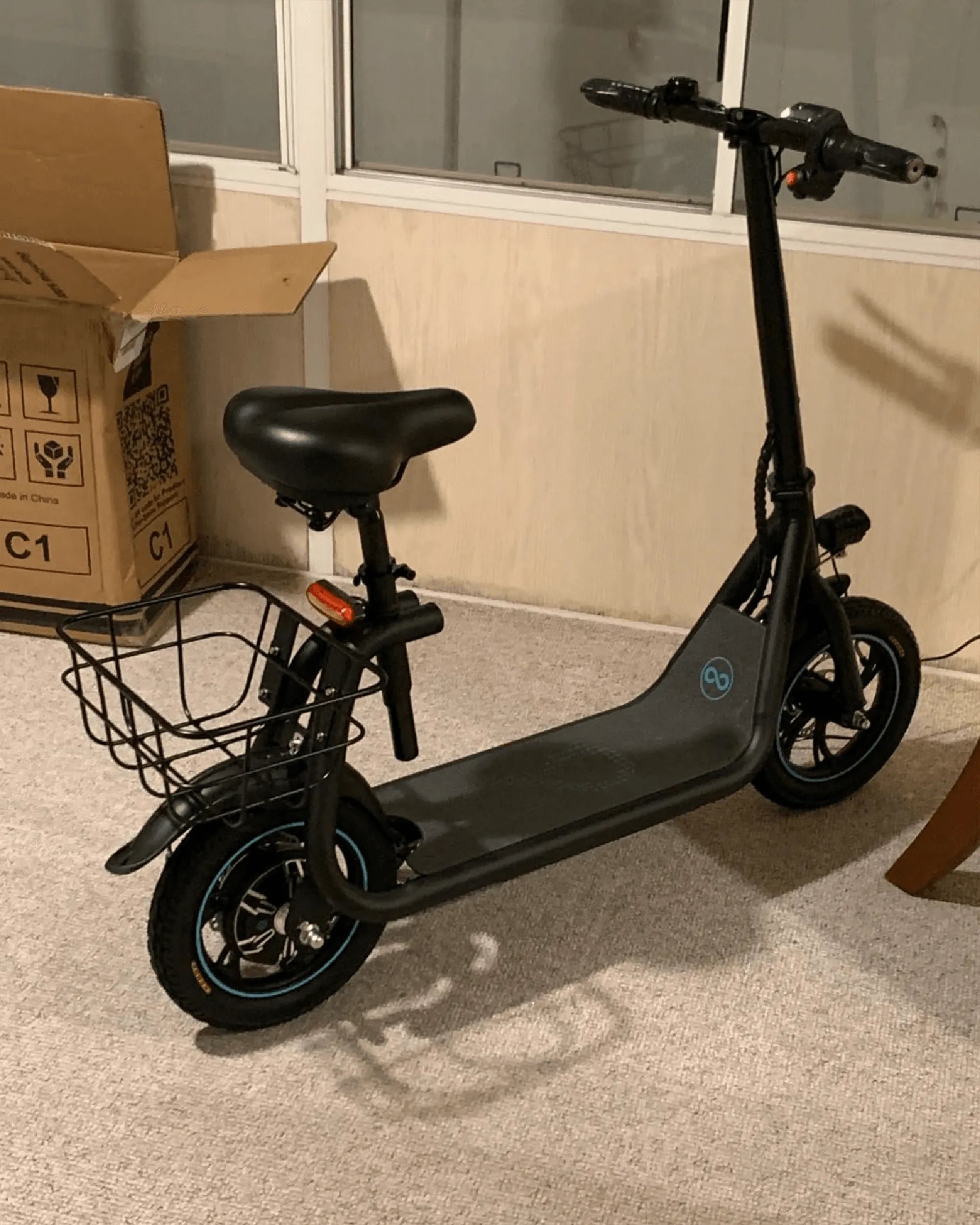
Introduction: Lighting the Way to a Smarter, Safer Ride
Choosing the right electric scooter goes beyond speed and range. The presence and quality of integrated LED lighting are decisive factors that separate a basic model from a true commuter vehicle. Electric scooters with LED lights are no longer a mere accessory; they are a fundamental safety system and a key element of rider confidence. This guide provides a detailed analysis of how modern lighting transforms your commute, ensuring you are seen, can see, and ride with style.
We will examine the anatomy of a premium lighting system, from powerful headlights to intelligent brake lights. You will learn what specifications matter most for urban navigation after dark. Furthermore, we will discuss how leading brands like Gyroor engineer lighting into their designs, prioritizing rider safety with features like IPX5 water-resistance and UL-certified battery systems trusted by over 100,000 riders.
Why LED Lights are Non-Negotiable for Electric Scooters
The primary function of LED lights on an electric scooter is to manage risk. In low-light conditions, a rider's visibility to others is the single greatest determinant of safety. A well-lit scooter creates a recognizable silhouette, alerting pedestrians, cyclists, and drivers to your presence and trajectory from a greater distance. This proactive visibility is crucial for accident prevention at intersections and during lane changes.
Beyond being seen, a quality headlight allows you to see. It illuminates road hazards like potholes, debris, and uneven surfaces that are easily missed in the dark. This direct path illumination is essential for maintaining control and avoiding accidents caused by unforeseen obstacles. Relying on ambient city street lighting is insufficient and dangerous.
Legal compliance is another critical factor. An increasing number of municipalities mandate active front and rear lights for electric scooters used on public roads or bike paths after dusk. Riding without them can result in fines. More importantly, in the event of an accident, operating without proper lighting can significantly impact liability determinations, as it constitutes a failure to use a standard safety device.
Anatomy of an Electric Scooter LED System: What to Look For
A comprehensive lighting system is a suite of integrated components, each serving a distinct purpose. Understanding this anatomy is key to evaluating any scooter's safety credentials.
Headlights: Illuminating Your Path Forward
The headlight is your primary forward-facing tool. Look for brightness measured in lumens; a minimum of 200 lumens is advisable for urban use, while 400+ is preferable for darker paths. Beam pattern is also vital. A combination of a focused spot beam to see far ahead and a wider flood beam to illuminate your immediate periphery is ideal.
Mounting position affects performance. Stem-mounted lights offer better alignment with steering, while deck-mounted lights can be obstructed by the rider's feet. Advanced systems may offer multiple beams or adaptive lighting. It is also crucial that the headlight is angled correctly to illuminate the road without blinding oncoming traffic, a common courtesy and safety practice.
Taillights & Brake Lights: Signaling Your Intentions
A bright, always-on rear light is non-negotiable. It defines your scooter's position for traffic behind you. The true safety upgrade, however, is an integrated brake light. This feature activates automatically when you engage the electronic or mechanical brake, flashing or brightening to signal your deceleration.
This immediate communication is invaluable in preventing rear-end collisions, especially in fast-moving traffic. It tells drivers behind you not just that you exist, but that you are slowing down or stopping. For commuters, this feature elevates an electric scooter from a recreational device to a predictable road vehicle.
Deck and Underglow Lights: Style Meets Function
While often associated with aesthetics, deck and underglow lights serve a vital secondary safety function. Deck lights, often integrated into the standing platform, make the rider's legs and the scooter's profile visible from the side—a critical blind spot for front and rear lighting.
Underglow lights, which illuminate the ground around the scooter, dramatically increase the vehicle's overall visible footprint. This makes the scooter easier to track and judge for other road users. From a functional perspective, these lights contribute significantly to the principle of "conspicuity," ensuring you are noticed from all angles.
Lighting Controls and Smart Features
Modern systems offer intuitive control. Handlebar-mounted buttons allow for quick toggling without taking your hands off the grips. Premium models integrate lighting control into companion mobile apps, letting you customize modes, colors for ambient lights, or set schedules.
Smart features include light sensors that automatically turn lights on at dusk and off at dawn, ensuring you are never caught unprepared. Despite their brightness, modern LEDs are highly energy-efficient, drawing minimal power from the main battery to minimize range impact.
Key Considerations When Choosing Your Lit-Up Scooter
When evaluating electric scooters with LED lights, use a checklist that prioritizes durability and integration. First, verify the Ingress Protection (IP) rating for water and dust resistance. An IPX5 rating or higher ensures the lighting electronics are protected against water jets from any direction, making your lights reliable in rain.
Second, consider the power source. Lights powered by the scooter's main battery through a sealed, integrated system are generally more reliable and durable than aftermarket add-ons with separate batteries. This integration is a hallmark of quality design.
Third, assess the build quality. Lights should be securely mounted with robust housings to withstand vibration from daily riding. Finally, check the warranty. A brand that covers the lighting system under its standard warranty demonstrates confidence in its durability. Brands like Gyroor build to these standards, offering UL-certified battery safety and a reliable 1-year warranty on their integrated systems.
Comparing Lighting Setups: Basic vs. Premium Systems
The difference between a basic and a premium lighting system is a chasm in both safety and user experience. The table below illustrates the key distinctions.
| Feature | Basic Lighting System | Premium Lighting System (e.g., Gyroor Pro Models) |
|---|---|---|
| Headlight | Single LED, 100-200 lumens, fixed beam. | Dual or triple LED array, 400+ lumens, combined spot/flood beam pattern. |
| Taillight | Simple always-on red LED. | Bright always-on light with integrated automatic brake light activation. |
| Side Visibility | None or minimal reflectors. | Integrated deck lighting and/or underglow for 360-degree visibility. |
| Controls | Manual on/off switch. | Handlebar controls + app integration for customization and auto-on/off modes. |
| Durability | Minimal weather sealing. | IPX5 or higher water-resistant construction for all-weather reliability. |
| Integration | Often an add-on or poorly integrated. | Fully integrated into scooter's electrical system and frame design. |
This comparison shows that a premium system is not just about more lights; it's about intelligent, reliable, and fully integrated safety technology that functions as a cohesive unit.
Maintenance and Safety Tips for Your Scooter's Lights
Treat your scooter's lights as a critical safety system requiring regular checks. Wipe the lenses clean of dirt, grime, and water spots weekly to ensure maximum light output. A dirty lens can reduce visibility by over 50%. Periodically check for loose connections or housings, especially after riding over rough terrain.
Understand the battery impact. While efficient, running full lighting (especially high-lumen headlights and underglow) will reduce total range. Factor this into your commute planning for night rides. Always perform a pre-ride light check, just as you would check tire pressure.
For added safety redundancy, consider carrying a backup light, such as a wearable LED armband or a clip-on bike light. This provides an extra layer of security in case of a primary system failure. Remember, your lights are your primary communication tool with the world around you after dark; their maintenance is non-negotiable.
FAQ: Electric Scooter Lighting Answered
Q: Are scooter lights bright enough for completely dark bike paths or trails?
A: Basic scooter lights are designed for illuminated urban streets. For pitch-dark conditions, you need a premium system with a high-lumen headlight (400+ lumens) that projects a focused beam to identify hazards at a safe distance. Always match your speed to your sight distance.
Q: Can I add aftermarket lights to my scooter if it has weak built-in ones?
A: Yes, but with caution. Use lights designed for vehicle vibration. Ensure secure mounting to prevent them from falling off. Be mindful of wiring; do not tap into the scooter's main battery unless you are certain of the electrical compatibility to avoid voiding warranties or causing damage.
Q: Do LED lights significantly drain the scooter's battery?
A: Modern LEDs are very efficient. A full lighting system typically consumes less than 5% of the total battery capacity on an average commute. The range impact is minimal compared to the critical safety benefit. High-power headlights or constant underglow use will have a slightly greater, but still manageable, effect.
Q: What are the typical laws regarding electric scooter lights?
A: Laws vary by city and country. Common requirements include a white front light and a red rear light visible from a certain distance (often 500 feet). Many regions now also require a rear reflector and side reflectors or lights. Brake lights are becoming a standard expectation. Always check your local regulations.
Q: Is water-resistance important for lights?
A: Absolutely. Lights must function in rain and wet conditions. An IPX5 rating or higher is recommended to ensure internal electronics are protected from water ingress, which is a leading cause of light failure in commuter vehicles.
Ride Confidently, Day and Night
Investing in an electric scooter with a sophisticated LED lighting system is an investment in your personal safety and commuting freedom. It transforms your ride from a fair-weather activity into a reliable, all-hours transportation solution. The confidence that comes from being highly visible and having a clear view of the road ahead is invaluable.
By choosing a scooter from a brand that prioritizes integrated, durable, and intelligent lighting—backed by robust safety certifications and warranty—you are choosing a partner for the long haul. Your commute should be both safe and enjoyable, regardless of the time on the clock. Illuminate your path forward with technology designed to protect and perform.
Ready to explore a range of electric scooters engineered with safety-first lighting systems? Browse the full Gyroor collection, featuring UL-certified batteries, IPX5 water-resistant designs, and advanced integrated lighting at gyroorboard.com.
How to Charge Electric Scooters: A Complete Guide for Optimal Performance
Best Electric Scooters 2025 Top Models: Your Guide to Urban Mobility