


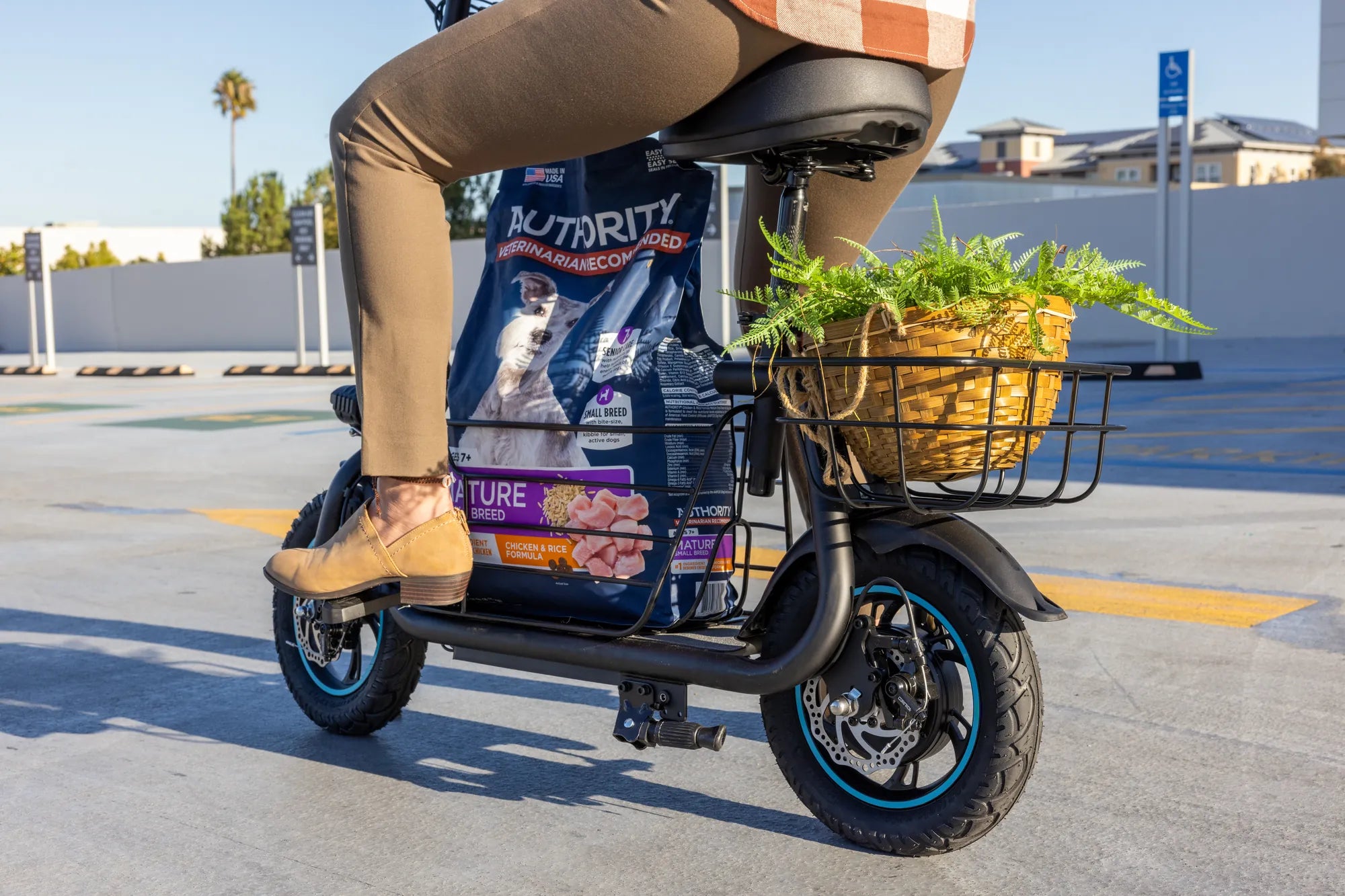
The world of urban mobility is undergoing a radical transformation, and at the heart of this revolution lies electric two wheeler design. With cities becoming more congested and environmental concerns taking center stage, the demand for efficient, eco-friendly, and stylish electric two wheelers has never been higher. This article delves into the latest innovations, challenges, and future prospects of electric two wheeler design, offering a comprehensive look at how these vehicles are redefining transportation.
The Evolution of Electric Two Wheeler Design
Electric two wheelers have come a long way from their humble beginnings. Early models were often clunky, with limited range and performance. Today, advancements in battery technology, materials science, and aerodynamics have enabled designers to create sleek, high-performance machines that rival their gasoline-powered counterparts. The focus has shifted from mere functionality to a blend of aesthetics, efficiency, and user experience.
Key Elements of Modern Electric Two Wheeler Design
Several critical factors influence the design of electric two wheelers:
- Battery Technology: Lightweight, high-capacity batteries are essential for maximizing range and reducing charging times.
- Aerodynamics: Streamlined designs minimize drag, improving efficiency and speed.
- Ergonomics: Comfortable seating, intuitive controls, and balanced weight distribution enhance rider experience.
- Sustainability: The use of recyclable materials and energy-efficient components aligns with global eco-friendly trends.
Innovations Shaping the Future
The future of electric two wheeler design is brimming with exciting possibilities. From swappable battery systems to integrated smart technology, designers are pushing the boundaries of what these vehicles can do. Features like regenerative braking, AI-assisted navigation, and connectivity with urban infrastructure are becoming standard, offering riders a seamless and intelligent commuting experience.
Challenges in Electric Two Wheeler Design
Despite the progress, designers face several hurdles. Balancing cost with performance, ensuring safety standards, and addressing range anxiety remain significant challenges. Additionally, the lack of standardized charging infrastructure in many regions poses a barrier to widespread adoption.
The Role of Urban Planning
Electric two wheeler design doesn't exist in a vacuum. Cities must adapt to accommodate these vehicles, with dedicated lanes, charging stations, and parking solutions. Collaborative efforts between designers, policymakers, and urban planners are crucial for creating a sustainable ecosystem.
As electric two wheelers continue to evolve, their design will play a pivotal role in shaping the future of urban mobility. Whether it's through cutting-edge technology, sustainable practices, or user-centric features, these vehicles are poised to become the backbone of smart cities worldwide. The road ahead is electrifying—don't miss out on the ride!
Electric Two Wheeler Industry in India: The Future of Sustainable Mobility
Scooter for Big Guys: The Ultimate Guide to Finding the Perfect Ride