



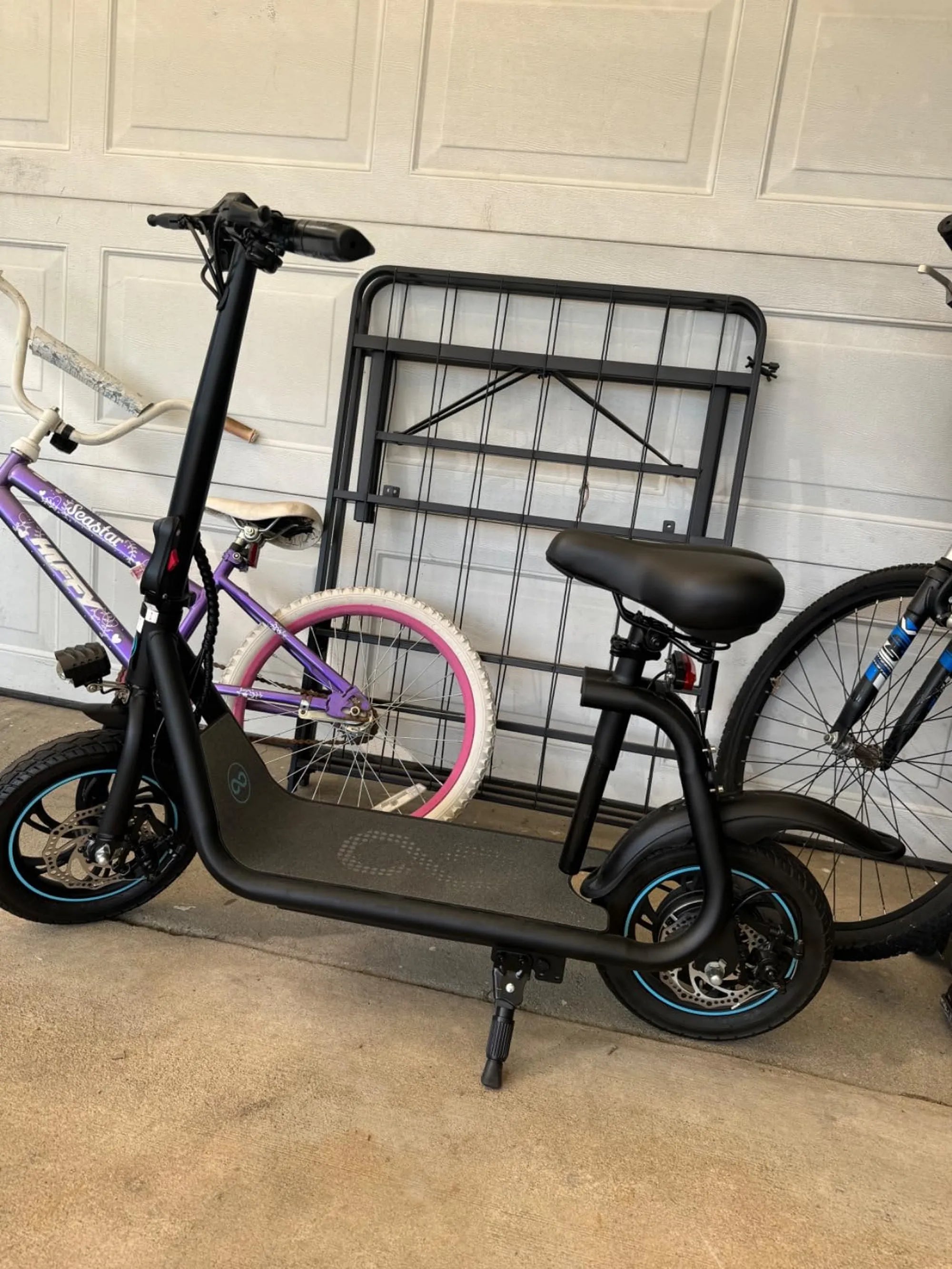
The rise of electric two-wheelers for delivery is transforming the logistics industry, offering a cleaner, faster, and more economical solution for last-mile deliveries. As cities grow denser and environmental concerns mount, businesses are turning to these nimble vehicles to meet the demands of modern consumers. This article explores the benefits, challenges, and future potential of electric two-wheelers in the delivery sector.
Why Electric Two-Wheelers Are Ideal for Delivery Services
Electric two-wheelers are uniquely suited for urban delivery tasks due to their compact size, agility, and low operating costs. Unlike traditional fuel-powered vehicles, they can navigate congested streets with ease, reducing delivery times and improving efficiency. Their zero-emission operation also aligns with global efforts to reduce carbon footprints, making them a sustainable choice for businesses.
Cost Efficiency and Savings
One of the most compelling advantages of electric two-wheelers is their cost-effectiveness. With lower fuel and maintenance expenses compared to gasoline-powered vehicles, businesses can achieve significant savings over time. Charging an electric two-wheeler costs a fraction of refueling a conventional bike, and the absence of complex internal combustion engines means fewer mechanical issues and repairs.
Environmental Benefits
Switching to electric two-wheelers for delivery services contributes to cleaner air and reduced noise pollution in urban areas. These vehicles produce no tailpipe emissions, helping cities combat smog and meet climate goals. As governments worldwide implement stricter emissions regulations, adopting electric fleets positions businesses as eco-conscious leaders.
Challenges and Solutions
Despite their advantages, electric two-wheelers face challenges such as limited range and charging infrastructure. However, advancements in battery technology are extending their range, making them viable for longer delivery routes. Companies can also invest in fast-charging stations or battery-swapping solutions to minimize downtime.
Battery Life and Charging
The performance of electric two-wheelers hinges on battery capacity and charging speed. Modern lithium-ion batteries offer improved energy density, enabling longer rides on a single charge. Businesses can optimize delivery schedules to align with charging cycles, ensuring uninterrupted operations.
Infrastructure Development
Governments and private enterprises are collaborating to expand charging networks, addressing one of the biggest hurdles to widespread adoption. Incentives such as subsidies and tax breaks further encourage businesses to transition to electric fleets.
The Future of Electric Two-Wheelers in Delivery
The electric two-wheeler market is poised for exponential growth, driven by technological innovation and shifting consumer preferences. As battery costs decline and performance improves, these vehicles will become even more accessible to small and large delivery businesses alike. Autonomous delivery solutions and smart routing algorithms could further enhance their efficiency.
Embracing electric two-wheelers for delivery isn't just a trend—it's a strategic move toward a greener, more efficient future. Businesses that adopt these vehicles today will gain a competitive edge while contributing to a sustainable planet. The road ahead is electric, and the time to act is now.
E Scooter Nice: The Ultimate Guide to Enjoying Your Ride
Electric Bike for 8 Year Old Boy: The Ultimate Guide to Safe and Fun Riding