



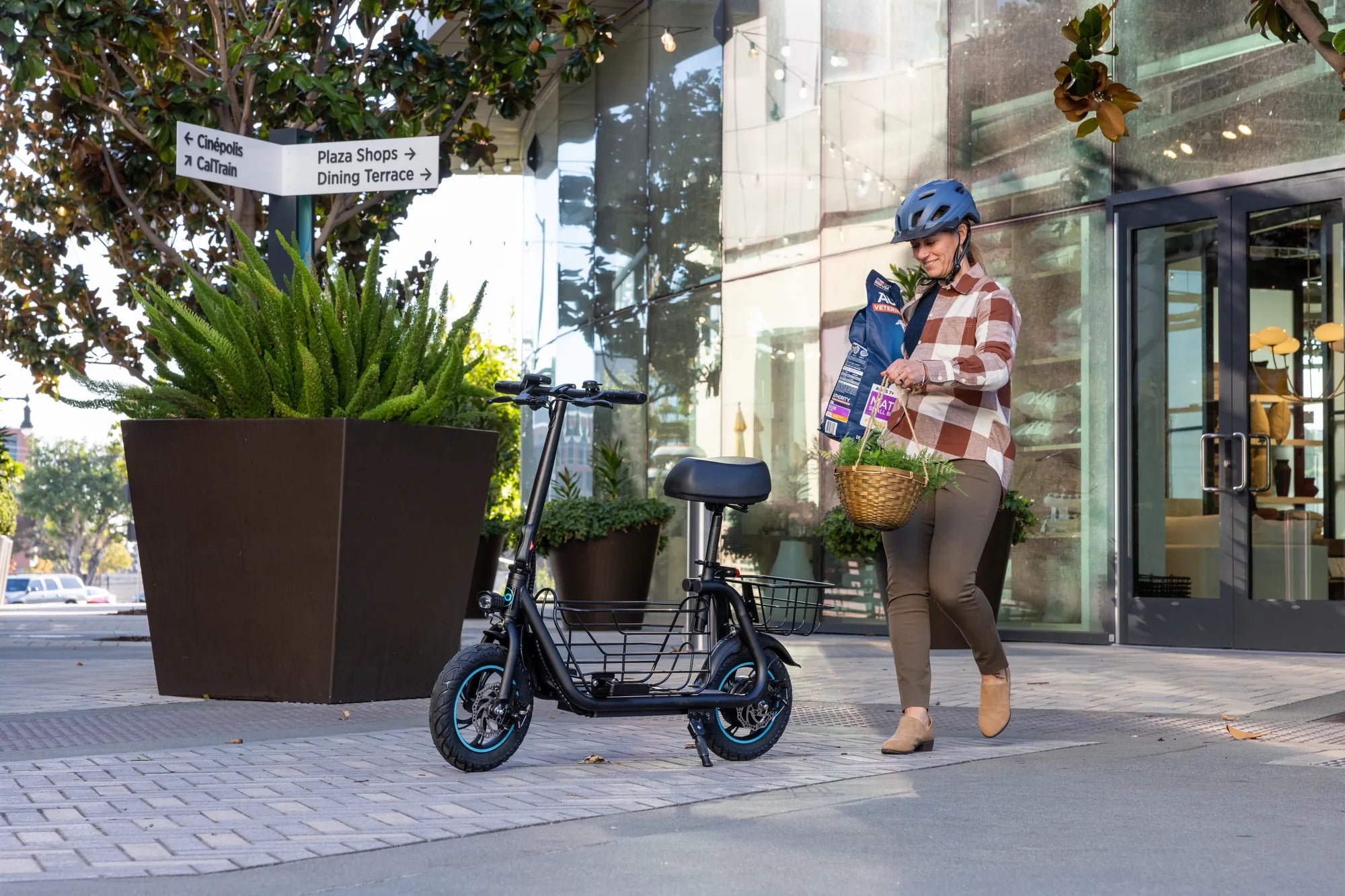
The electric two-wheeler market is revolutionizing urban mobility, offering a cleaner, more efficient alternative to traditional gasoline-powered vehicles. With rising fuel costs, stricter emissions regulations, and growing consumer awareness of sustainability, the demand for electric scooters and motorcycles has surged globally. This article delves into the key factors driving this transformation, the challenges faced by the industry, and what the future holds for this dynamic market.
Market Overview and Growth Drivers
The global electric two-wheeler market has witnessed exponential growth in recent years, fueled by several critical factors. Urbanization and traffic congestion have made lightweight, agile electric scooters an attractive option for commuters. Governments worldwide are implementing policies to promote electric vehicle (EV) adoption, including subsidies, tax incentives, and infrastructure development. Additionally, advancements in battery technology have significantly improved range and charging efficiency, addressing one of the primary concerns of potential buyers.
Environmental consciousness is another major driver. As cities grapple with air pollution, electric two-wheelers present a viable solution to reduce carbon emissions. Many countries have set ambitious targets to phase out internal combustion engine (ICE) vehicles, further accelerating market growth. The Asia-Pacific region, in particular, dominates the market due to high population density, favorable government policies, and the presence of leading manufacturers.
Key Market Trends
Several trends are shaping the electric two-wheeler market. One notable trend is the increasing adoption of swappable battery technology. This innovation allows users to exchange depleted batteries for fully charged ones at designated stations, eliminating long charging times. Another emerging trend is the integration of smart features, such as GPS tracking, mobile app connectivity, and AI-assisted diagnostics, enhancing user convenience and safety.
Subscription-based models and shared mobility services are also gaining traction, particularly in urban areas. These services provide affordable, flexible transportation options, reducing the need for individual ownership. Furthermore, manufacturers are focusing on designing stylish, high-performance models to appeal to a broader consumer base, including younger demographics.
Challenges and Barriers
Despite its rapid growth, the electric two-wheeler market faces several challenges. High upfront costs remain a significant barrier for many consumers, even though long-term savings on fuel and maintenance can offset the initial investment. Limited charging infrastructure, especially in developing regions, also hampers widespread adoption. Range anxiety—the fear of running out of battery power before reaching a charging station—continues to deter potential buyers.
Battery disposal and recycling present another challenge. While lithium-ion batteries are more environmentally friendly than fossil fuels, improper disposal can lead to environmental hazards. Developing efficient recycling systems is crucial to ensuring the sustainability of the electric two-wheeler ecosystem. Additionally, the lack of standardized regulations across regions creates complexities for manufacturers and consumers alike.
Future Outlook and Opportunities
The future of the electric two-wheeler market looks promising, with numerous opportunities for growth and innovation. As battery technology continues to evolve, we can expect further improvements in energy density, charging speed, and lifespan. Governments and private enterprises are likely to invest more heavily in charging infrastructure, making electric two-wheelers more accessible to a wider audience.
Emerging markets, particularly in Africa and Latin America, present untapped potential. These regions have a high demand for affordable, reliable transportation, and electric two-wheelers could play a pivotal role in meeting this need. Collaboration between stakeholders—manufacturers, policymakers, and technology providers—will be essential to overcoming existing barriers and unlocking the full potential of this market.
With sustainability at the forefront of global agendas, the electric two-wheeler market is poised for unprecedented growth. Whether you're a consumer, investor, or industry enthusiast, now is the time to explore the exciting possibilities this market has to offer. The road ahead is electric, and the journey is just beginning.
Best Electric Scooters Under 1 Lakh: Top Picks for Budget-Conscious Riders
Electric Mobility Scooters for Sale Used in Florida: A Smart Buyer's Guide