


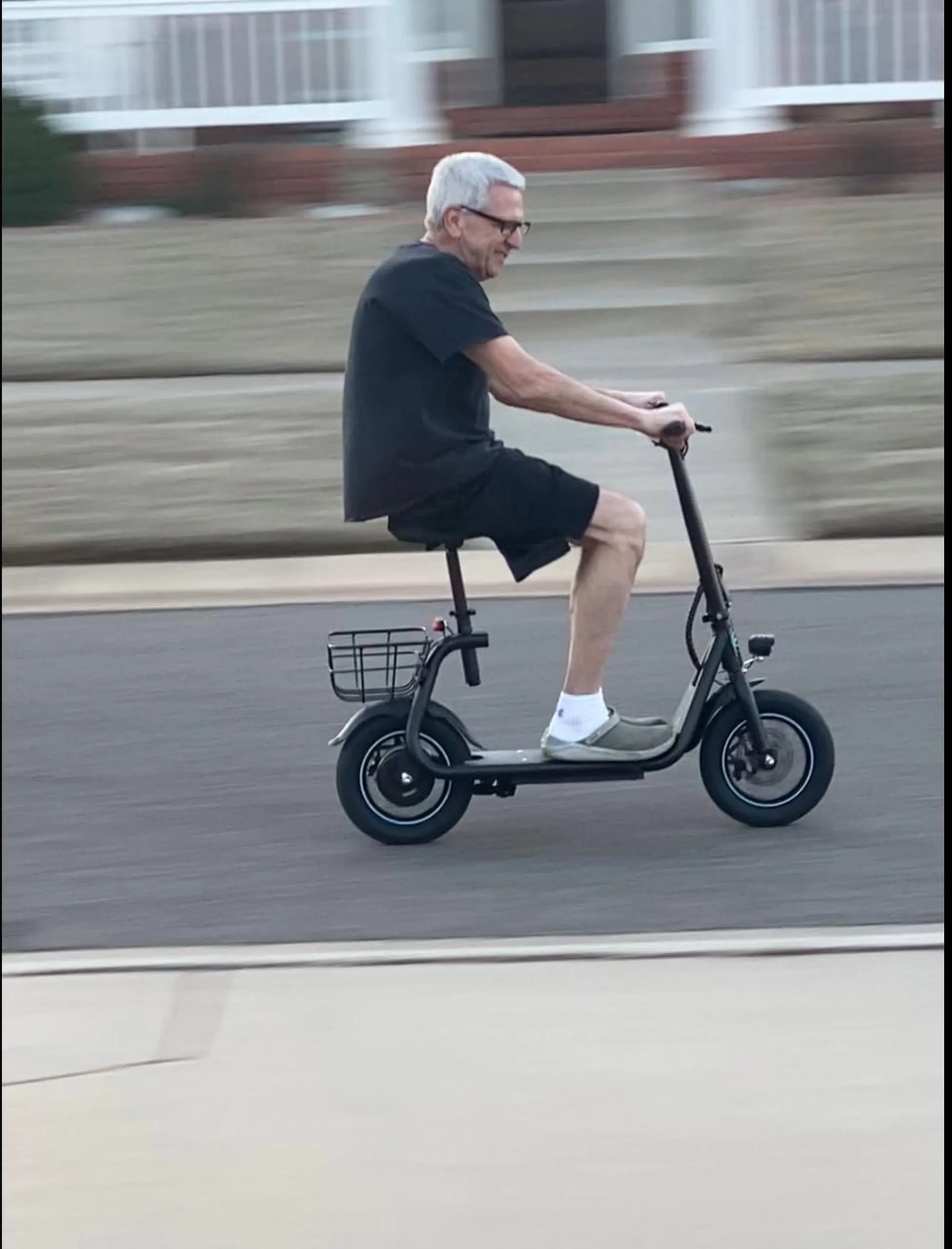
When it comes to choosing between an electric and a petrol scooter, the decision often boils down to cost. While both options have their merits, understanding the financial implications can help you make an informed choice. Let's dive deep into the electric vs petrol scooter cost comparison to see which one offers better value for your money.
Upfront Costs: Electric vs Petrol Scooters
The initial purchase price is often the first consideration for buyers. Electric scooters tend to have a higher upfront cost compared to their petrol counterparts. This is largely due to the expensive battery technology and advanced components used in electric models. On the other hand, petrol scooters are generally cheaper to buy initially, as they rely on well-established combustion engine technology.
Fuel and Electricity Costs
One of the most significant differences between electric and petrol scooters is the cost of fueling them. Petrol scooters require regular refueling, and the price of gasoline can fluctuate significantly. Electric scooters, however, run on electricity, which is often cheaper per mile compared to petrol. Charging an electric scooter at home can cost a fraction of what you'd spend on petrol, especially if you take advantage of off-peak electricity rates.
Maintenance and Repairs
Petrol scooters come with more moving parts, which means more opportunities for wear and tear. Regular oil changes, spark plug replacements, and exhaust system maintenance can add up over time. Electric scooters, by contrast, have fewer mechanical components, resulting in lower maintenance costs. There's no need for oil changes, and the braking systems often last longer due to regenerative braking technology.
Insurance and Registration Fees
Insurance costs can vary depending on the type of scooter you choose. In some regions, electric scooters may qualify for discounts or incentives, which can reduce insurance premiums. Petrol scooters, on the other hand, might have higher insurance costs due to their higher risk of mechanical failures or accidents. Additionally, registration fees for electric scooters are sometimes lower, as they are often classified as eco-friendly vehicles.
Long-Term Savings and Resale Value
While electric scooters may cost more upfront, their long-term savings can outweigh the initial investment. Lower fuel and maintenance costs mean you'll spend less over the life of the scooter. However, petrol scooters may have a higher resale value in some markets, as they are more widely accepted and easier to repair. It's essential to weigh these factors based on how long you plan to keep your scooter.
Environmental Impact and Hidden Costs
Beyond the financial aspects, it's worth considering the environmental impact of your choice. Electric scooters produce zero emissions, making them a greener option. Petrol scooters contribute to air pollution and may be subject to future regulations or taxes aimed at reducing carbon footprints. These hidden costs could affect the overall affordability of petrol scooters in the long run.
So, which scooter is the better financial choice? The answer depends on your usage, budget, and priorities. If you're looking for lower upfront costs and don't mind higher fuel expenses, a petrol scooter might suit you. But if you're ready to invest more initially for long-term savings and eco-friendly benefits, an electric scooter could be the way to go. The electric vs petrol scooter cost comparison reveals that both options have their pros and cons—it's all about finding the right fit for your lifestyle.
Best Electric Scooter in Jamnagar: Top Picks for Eco-Friendly Commuting
Colorado Springs Mountain Biking Trails: The Ultimate Adventure Guide