



When it comes to mobility aids, the choice between an electric wheelchair and a scooter can be overwhelming. Both offer unique advantages, but which one is the right fit for your lifestyle? Whether you're navigating tight indoor spaces or cruising through outdoor terrains, understanding the differences between these two options is crucial. Let's dive into the details to help you make the best decision.
Key Differences Between Electric Wheelchairs and Scooters
Electric wheelchairs and scooters serve similar purposes but differ in design, functionality, and suitability for various needs. Here's a breakdown of their key distinctions:
Design and Maneuverability
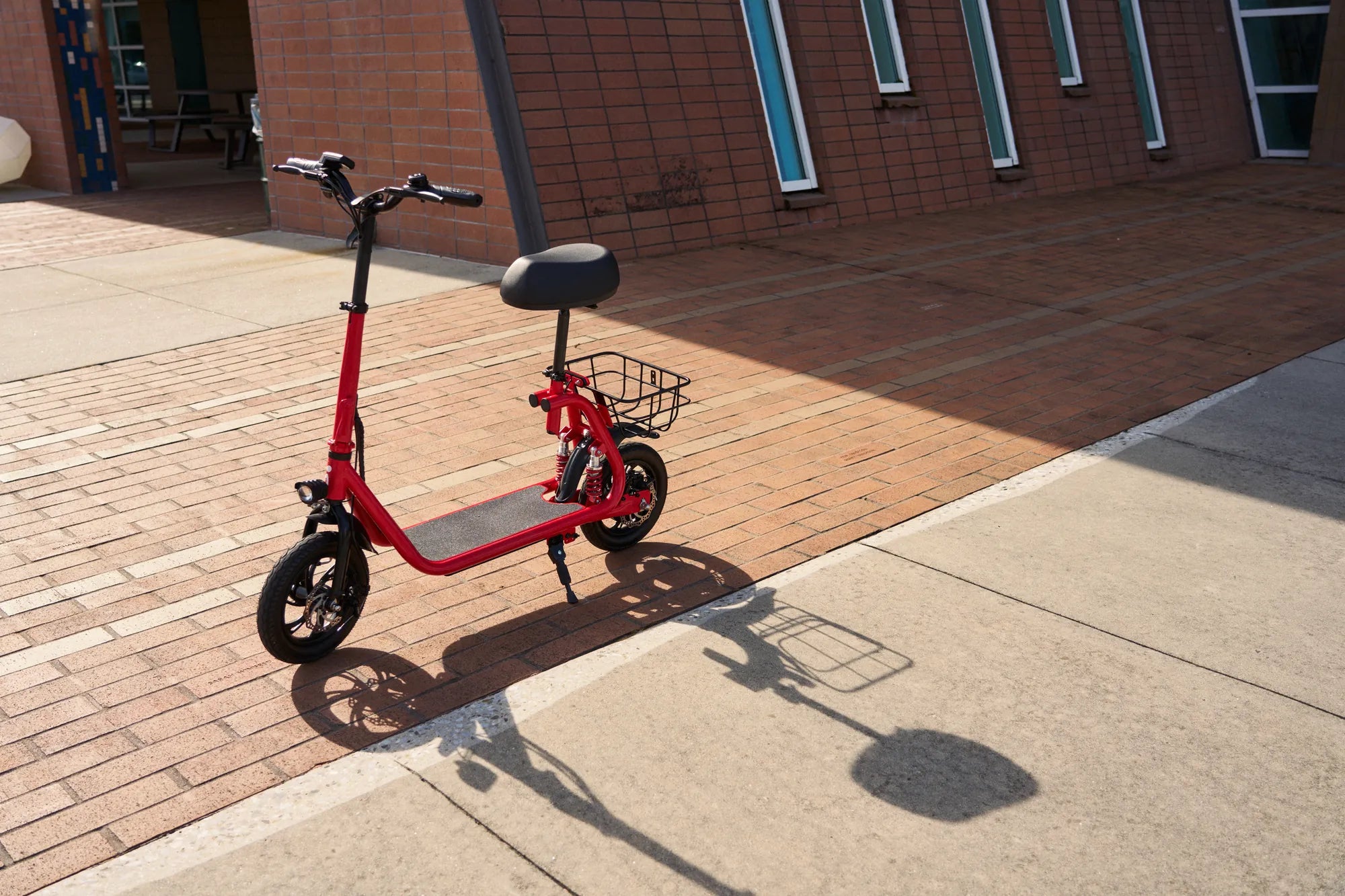
Electric wheelchairs are typically more compact and offer superior maneuverability in tight spaces. Their joystick controls allow for precise movements, making them ideal for indoor use. Scooters, on the other hand, resemble motorcycles with a handlebar steering mechanism, which may require more space to operate effectively.
Comfort and Posture
Electric wheelchairs provide better support for users with limited upper body strength or posture issues. They often come with adjustable seating and backrests. Scooters may not offer the same level of postural support but are generally more comfortable for users who can sit upright for extended periods.
Portability and Storage
Scooters are often heavier and bulkier, making them less portable than electric wheelchairs. Many wheelchairs can be disassembled or folded for easy transport, while scooters may require a ramp or lift for vehicle loading.
Pros and Cons of Electric Wheelchairs
Electric wheelchairs are a popular choice for many users, but they come with their own set of advantages and disadvantages.
Pros
- Excellent maneuverability in tight spaces
- Superior postural support and adjustability
- Lightweight and portable options available
- Ideal for users with limited upper body strength
Cons
- Higher initial cost compared to scooters
- Limited outdoor performance on rough terrains
- May require more maintenance
Pros and Cons of Scooters
Scooters offer a different set of benefits and drawbacks, making them suitable for specific users.
Pros
- Greater range and speed for outdoor use
- More comfortable for users with good upper body strength
- Often more affordable than electric wheelchairs
- Better for long-distance travel
Cons
- Less maneuverable in tight spaces
- Heavier and bulkier, making transport difficult
- Limited postural support
Which One Should You Choose?
The decision between an electric wheelchair and a scooter depends on your specific needs, lifestyle, and physical condition. Consider the following factors:
Indoor vs. Outdoor Use
If you primarily need a mobility aid for indoor use, an electric wheelchair may be the better option due to its compact design and maneuverability. For outdoor adventures, a scooter's speed and range might be more appealing.
Physical Condition
Users with limited upper body strength or posture issues will benefit more from an electric wheelchair. Those who can sit upright and steer comfortably may prefer a scooter.
Budget and Maintenance
Scooters are generally more affordable upfront, but electric wheelchairs may offer better long-term value for users with specific needs. Consider maintenance costs and availability of replacement parts when making your decision.
Choosing the right mobility aid can significantly improve your quality of life. Whether you opt for an electric wheelchair or a scooter, understanding their differences will help you make an informed choice. Ready to take the next step? Explore your options and find the perfect fit for your needs today!
Electric Scooter in Jabalpur: The Future of Urban Mobility
Electric Scooter in Jabalpur: The Future of Urban Mobility