


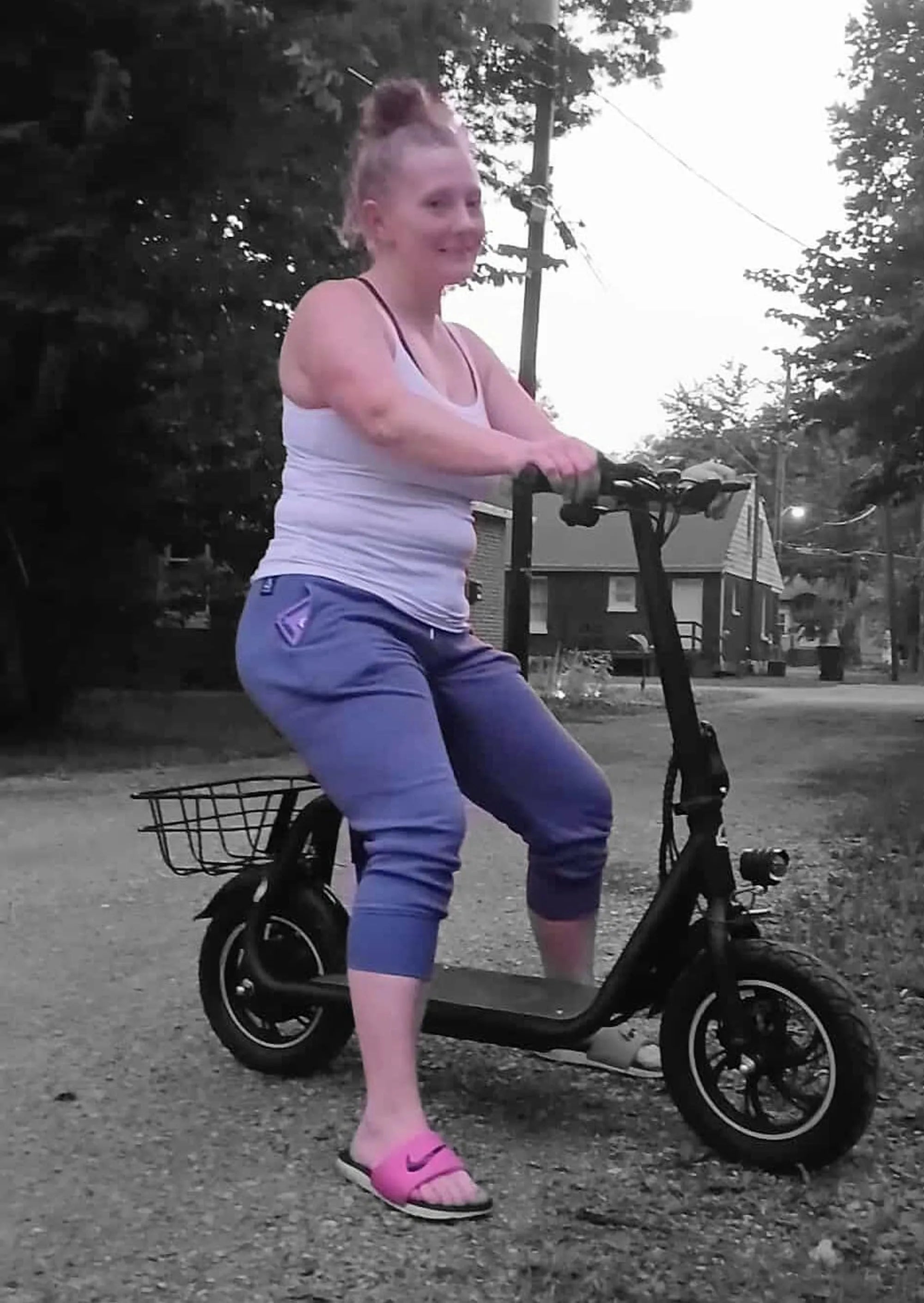
Introduction to Electric Tricycle Scooters
An electric tricycle scooter, often called an e-trike or three-wheeled e-scooter, is a distinct category of personal electric vehicle. It merges the compact, stand-up scooter form factor with a stable three-wheeled layout. This design fundamentally differs from standard two-wheeled electric scooters and seated e-bikes, offering a unique blend of utility and accessibility.
This guide will provide a comprehensive, data-driven analysis of electric tricycle scooters. You will learn their core advantages, critical performance specifications, and ideal use cases. We will compare them objectively to other micro-mobility options and address common practical concerns to help you make an informed decision.
The electric tricycle scooter market is growing, driven by demand for stable, cargo-capable personal transport. Brands like Gyroor have entered this space, applying proven engineering standards from their e-scooter and e-bike lines to create reliable three-wheeled models trusted by a global community of riders.
The Core Advantages: Why Choose a Three-Wheeled Design?
The three-wheeled configuration is not merely a stylistic choice; it delivers tangible functional benefits that address specific limitations of two-wheeled vehicles. The primary advantages center on enhanced stability, increased utility, and broader accessibility, making the electrical tricycle scooter a versatile tool for urban and suburban environments.
This inherent stability reduces the cognitive load on the rider, allowing greater focus on the road and traffic. It transforms the riding experience from an activity requiring constant balance adjustment to a more confident and relaxed mode of transport. For commuting or running errands, this can significantly reduce fatigue.
Furthermore, the design naturally accommodates greater weight capacity and cargo solutions. The stable platform allows for integrated baskets, rear racks, and sturdier frames without compromising handling. This makes the electric trike scooter a practical replacement for many short car trips.
Finally, the lower barrier to entry opens up electric mobility to a wider demographic. Individuals who may find balancing on a two-wheeler challenging—whether due to age, mobility, or simply inexperience—can confidently operate an electric tricycle scooter. This inclusivity is a key driver of its popularity.
Stability & Safety: A Game-Changer for Commuting
The three-point contact with the ground provides unparalleled stability, especially in low-speed scenarios common in urban commuting. Unlike two-wheelers, an electric tricycle scooter remains upright when stationary, eliminating the need to put a foot down at stoplights or in traffic. This dramatically reduces the risk of tip-overs during starts and stops.
This stability extends to navigating uneven pavement, potholes, or light gravel. While caution is always advised, the trike design is more forgiving when one wheel encounters an obstacle. The learning curve is significantly shorter, with most users achieving confidence within minutes rather than hours or days.
From a safety perspective, the stable platform allows riders to better manage sudden maneuvers or braking. The rider's posture is also often more upright, improving visibility both for the rider and to surrounding vehicles. These factors collectively contribute to a safer urban riding experience compared to less stable alternatives.
Utility & Cargo Capacity: Beyond Just a Ride
The practical utility of an electrical tricycle scooter is one of its strongest selling points. The frame geometry allows for integrated cargo solutions without affecting the center of gravity dangerously. Many models feature large front baskets or rear platforms capable of carrying significant loads.
Typical payload capacities for quality electric trike scooters range from 220 to 330 pounds (100-150 kg), encompassing both rider and cargo. This makes them ideal for grocery shopping, carrying work tools, delivering small packages, or transporting a child (with appropriate safety gear). It effectively functions as a personal utility vehicle.
This utility transforms the vehicle from a recreational device into a legitimate car alternative for short trips. The ability to carry multiple bags of groceries or a week's worth of supplies without balancing precariously on two wheels is a transformative feature for daily life, reducing reliance on fossil fuel-powered vehicles.
Accessibility: Inclusive Riding for All
The electric tricycle scooter is a powerful tool for inclusive mobility. The elimination of the balancing act makes it accessible to populations often underserved by standard e-scooters or e-bikes. This includes older adults seeking a stable, low-impact way to stay mobile and run local errands independently.
It is also an excellent option for individuals with certain mobility or balance issues, or those in rehabilitation. The stable platform provides freedom and autonomy without the physical demands of a bicycle or the instability of a two-wheeled scooter. It promotes an active, eco-friendly lifestyle for a broader range of people.
For new riders of any age, the confidence instilled by the three-wheeled design encourages more frequent use. This lower intimidation factor means people are more likely to adopt it as a regular mode of transport, maximizing the economic and environmental benefits of micro-mobility.
Key Features to Evaluate in an Electric Tricycle Scooter
Choosing the right model requires careful evaluation of technical specifications. Performance, safety, and durability are dictated by a few core components. Understanding these features will ensure you select an electrical tricycle scooter that matches your specific needs for terrain, range, and load capacity.
Prioritize features based on your primary use case. A commuter facing hills needs robust motor power, while a grocery shopper needs payload capacity and perhaps a built-in basket. Always cross-reference manufacturer claims with real-world user reviews and brand reputation for accurate expectations.
Investing in a model from a reputable brand with clear specifications and safety certifications is crucial. Cutting corners on components like the battery or motor can lead to poor performance, safety hazards, and a short product lifespan, negating the initial cost savings.
Motor Power & Hill Climbing Ability
Motor power, measured in watts (W), is critical for an electric tricycle scooter, especially given its potential for carrying heavy loads. A 350W motor is often the minimum for flat terrain with a light rider. For reliable performance with cargo or on moderate inclines, a 500W or 750W motor is recommended.
Torque, the rotational force of the motor, is even more important than peak wattage for hill climbing and acceleration from a stop. A high-torque motor will smoothly move a loaded trike up a 10-15% grade, whereas an underpowered motor may stall or overheat. Look for models specifying torque or gradeability (e.g., "climbs 15% grades").
Dual-motor configurations on some trikes provide exceptional torque and traction for challenging hills or loose surfaces. However, they consume more battery. For most urban applications, a single, well-engineered rear or front hub motor from a trusted brand like Gyroor provides an optimal balance of power and efficiency.
Battery Range & Charging (The Importance of UL-Certification)
Battery capacity, measured in watt-hours (Wh) or amp-hours (Ah), directly determines range. A typical electrical tricycle scooter may have a battery between 360Wh and 720Wh. Real-world range is affected by rider weight, cargo, terrain, speed, and temperature. Always derate the manufacturer's "max range" by 30-40% for practical planning.
Charging time is another key factor. Most lithium-ion batteries charge fully in 4 to 8 hours. Fast-charging capabilities can reduce this but may impact long-term battery health if not properly managed by the Battery Management System (BMS).
The most critical aspect is battery safety and certification. Insist on UL-certified lithium-ion battery packs. This independent certification, which Gyroor uses across its lineup, ensures the battery has passed rigorous tests for electrical, mechanical, and environmental safety, drastically reducing fire risk. It is a non-negotiable feature for a vehicle used daily.
Build Quality, Warranty, and Water Resistance
Frame material dictates weight and durability. Aluminum alloy frames offer a good strength-to-weight ratio and corrosion resistance. Check the maximum gross weight rating carefully; a robust trike should support at least 265 lbs (120 kg). Welds and joints should be clean and solid.
A comprehensive warranty is a sign of manufacturer confidence. Look for at least a 1-year warranty covering the frame, motor, and battery. Gyroor, for instance, backs its products with a reliable 1-year warranty and accessible customer support, providing long-term peace of mind.
Water resistance is vital for all-weather usability. An IPX5 rating means the scooter can withstand low-pressure water jets from any direction, making it safe to ride in light rain and on wet roads. This protects sensitive electronics and extends the vehicle's lifespan, ensuring your electrical tricycle scooter remains a dependable daily tool.
Gyroor's Approach to Reliable Electric Trikes
As a leading brand in personal electric mobility, Gyroor applies its core engineering philosophy to the electric tricycle scooter segment. This philosophy prioritizes safety, durability, and rider support—principles that align perfectly with the practical demands of a three-wheeled utility vehicle.
With over 100,000 riders globally, Gyroor's experience in designing UL-certified battery systems and water-resistant vehicles translates directly into trikes built for real-world use. The brand understands that a trike is often a primary transport solution, not a toy, and engineers its products accordingly.
Gyroor's commitment extends beyond the sale. The combination of robust product construction, clear safety certifications, and a dependable warranty with US-based support creates a complete ecosystem for the rider. This reduces long-term ownership anxiety and ensures a positive experience throughout the product's lifecycle.
Engineering for Stability and Load-Bearing
Gyroor designs its trike frames with a low center of gravity and a wide wheelbase to enhance inherent stability. The frame geometry is calculated to distribute weight evenly across the three wheels, whether the rider is standing still or navigating a turn, preventing wobble or tip-overs.
The motor and drivetrain are selected and tuned to provide smooth, consistent torque. This is essential for a vehicle that may frequently start from a stop while carrying a full load of groceries or other cargo. The engineering focus is on reliable power delivery rather than just top speed.
Suspension systems, when present, are calibrated for the trike's weight distribution to absorb bumps without compromising stability. Every component, from the deck material to the handlebar stem, is chosen for its ability to withstand the unique stresses of a cargo-carrying, three-wheeled platform.
Safety and Support as Standard
For Gyroor, safety is engineered into the product from the beginning. The use of UL-certified battery packs is foundational, addressing the single biggest safety concern in electric mobility. These packs undergo 500+ charge cycle tests to ensure longevity and reliability.
The IPX5 water-resistant rating is not an afterthought but a standard design requirement. This ensures that the electrical tricycle scooter can handle daily commuting challenges like puddles and rain showers, protecting the investment and ensuring readiness.
This is all backed by a 1-year comprehensive warranty and accessible customer service. For a trike rider using their vehicle for practical daily tasks, this safety-and-support package provides essential confidence, knowing the brand stands behind its product's performance and durability.
Electric Tricycle Scooters vs. Alternatives: A Practical Comparison
To determine if an electric trike scooter is right for you, it's helpful to compare it objectively to other common micro-mobility options. The choice ultimately depends on your primary need: maximum stability and utility, maximum portability, or a traditional cycling experience.
The following table breaks down key attributes across three vehicle types. This data-driven comparison highlights the electric tricycle scooter's niche as the optimal tool for riders who prioritize a stable platform and cargo-carrying ability above all else.
| Attribute | Electric Tricycle Scooter | Standard Two-Wheel E-Scooter | Electric Bike (E-Bike) |
|---|---|---|---|
| Stability | Excellent. Stable at all speeds, including stops. | Good only when moving. Requires balance at stops. | Good (like a bicycle). Requires balance at stops. |
| Cargo Capacity | High. Often has integrated baskets/racks. High payload. | Low. Limited to backpack or small add-ons. | Moderate to High. Can add panniers, racks, trailers. |
| Learning Curve | Very Short. Intuitive, minimal balancing skill needed. | Short to Moderate. Requires basic balance. | Moderate (if can ride a bike). Requires cycling skills. |
| Portability/Storage | Lower. Heavier, bulkier, rarely foldable. | High. Often lightweight and foldable. | Low. Bulky, requires bike rack or large storage. |
| Typical Use Case | Stable commuting, errands, utility, accessibility. | Last-mile commuting, recreation, portability. | Longer commutes, recreation, exercise assist. |
Frequently Asked Questions (FAQs)
Q: Are electric trike scooters legal on bike paths and roads?
A: Laws vary by municipality, state, and country. Generally, they are treated similarly to electric scooters or bicycles. Most areas allow them on bike paths and roads with speed limits under 25 mph, but may have restrictions on motor wattage or top speed (often capped at 15-20 mph). Always check your local regulations before riding.
Q: How do they handle on turns compared to two-wheelers?
A: They require a different technique. Leaning is less effective; you must steer more deliberately by turning the handlebars. Taking turns at a moderate, controlled speed is crucial to avoid the risk of lifting an inside wheel (tripping). With practice, cornering becomes confident and stable.
Q: What is the typical maintenance required?
A> Maintenance is minimal but crucial. Regularly check tire pressure, as under-inflation affects stability and range. Inspect brakes for wear and ensure they engage smoothly. Keep the battery charged between 20-80% for optimal lifespan when not in use for long periods. Wipe down the scooter after wet rides and periodically check for loose bolts.
Q: Can they be used safely in light rain or on wet pavement?
A: Yes, if the scooter has a sufficient water resistance rating (IPX5 or higher). However, exercise increased caution. Braking distances are longer on wet surfaces. Avoid large puddles to prevent water ingress beyond the rating. Always ensure lights are on for visibility, and ride at reduced speeds.
Q: How important is the weight limit, and what happens if I exceed it?
A> The weight limit is critical for safety and performance. Exceeding it can overstress the frame, motor, and battery, leading to premature failure, reduced range, poor braking, and potential structural damage. It also voids the warranty. Always choose a model with a weight limit that comfortably exceeds your combined body weight and typical cargo weight.
Conclusion: Finding Your Perfect Ride
The electric tricycle scooter stands out as a uniquely practical segment of personal electric mobility. Its defining three-wheeled design delivers unmatched stability, serious cargo utility, and welcoming accessibility. For urban errands, stable commuting, or as an inclusive mobility solution, it fills a niche that two-wheeled vehicles cannot.
Your choice should be guided by your primary need. Prioritize motor power and battery range for hilly routes, payload capacity and storage for shopping, and foundational safety features like UL-certification for long-term peace of mind. A reputable brand with a strong warranty is a wise investment in this daily-use vehicle.
By focusing on core engineering principles—UL-certified batteries, IPX5 water resistance, and durable construction—brands like Gyroor have elevated the electric tricycle scooter from a novelty to a reliable tool. This approach ensures your investment delivers safe, dependable service for years to come.
Ready to experience the stability and utility of a well-engineered electric trike scooter? Explore models that combine safety, performance, and practical design. Browse the full Gyroor collection at gyroorboard.com to find the perfect electric tricycle scooter for your lifestyle.
Bike and Scooter Storage: The Complete Guide to Protecting Your Ride
Ebike Light and Horn Switch: Your Essential Safety Command Center