



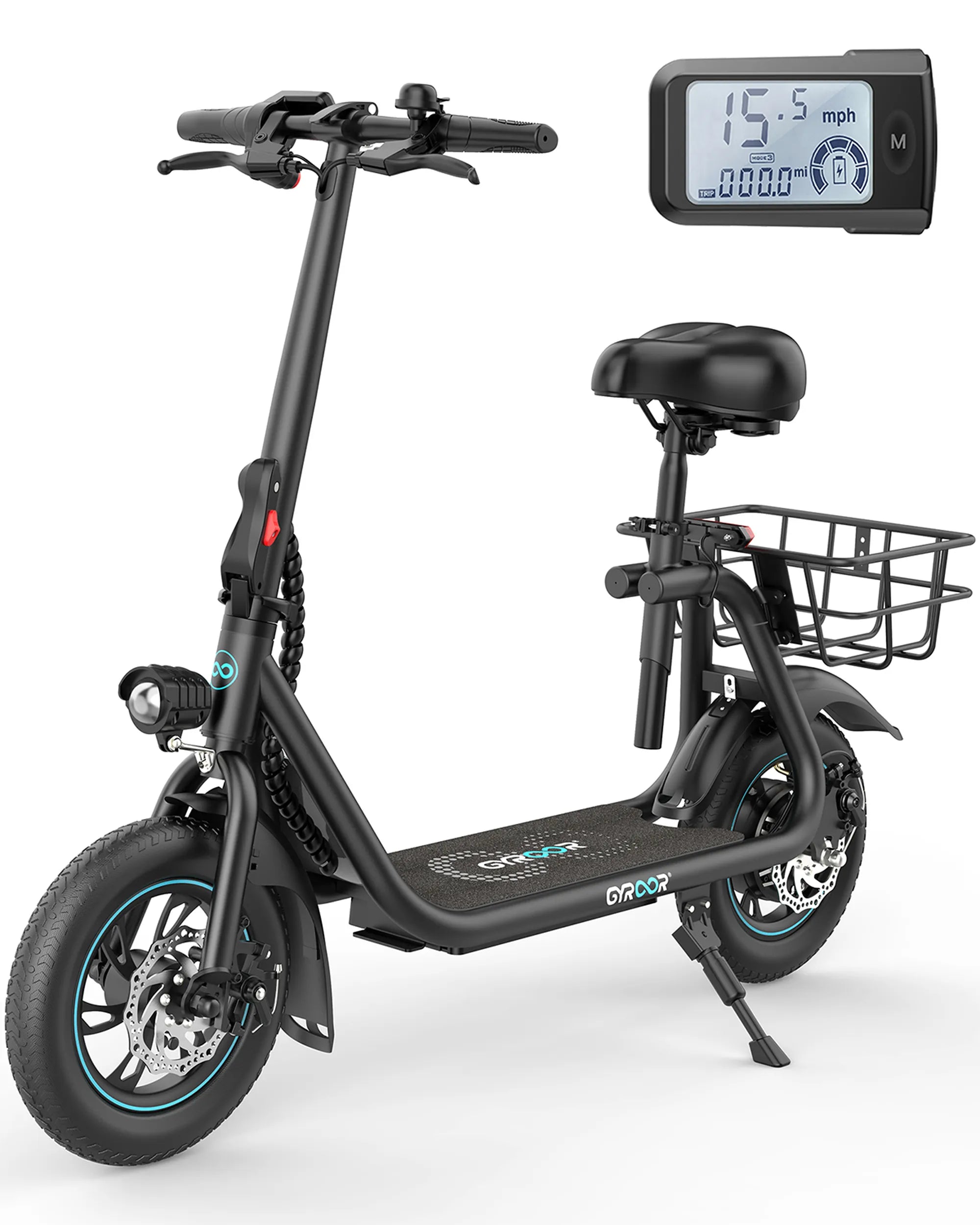
Forget the balancing act. The electronic trike represents a fundamental shift in electric personal mobility, offering a compelling blend of utility, accessibility, and stability that two-wheeled alternatives simply cannot match. This guide provides a data-driven analysis of the modern e-trike, detailing its core advantages, the critical specifications that define performance, and the practical considerations for choosing the right model. Whether you're a commuter seeking a car replacement, someone prioritizing ease of use, or a rider needing extra cargo capacity, understanding the electronic trike is the first step toward a more confident and capable ride.
Introduction to the Modern Electric Trike
An electric trike, or e-trike, is a three-wheeled vehicle powered by an electric motor, typically assisted by pedaling. It distinguishes itself from e-bikes and e-scooters through its inherent stability from the three-point contact with the ground. This design eliminates the need to balance at a standstill, making it accessible to a much broader demographic.
The core value proposition for 2024 is threefold: unparalleled stability, increased practical utility for cargo or passengers, and inclusive design for riders of varying ages and abilities. As urban landscapes evolve and the demand for sustainable, short-trip transport grows, the electronic trike emerges as a serious solution. Leading brands like Gyroor are innovating in this space, applying their expertise in safe, reliable electric vehicle engineering—such as UL-certified battery systems and robust waterproofing—to this rapidly growing category.
Why Choose an Electric Trike? Key Advantages Over Two Wheels
The decision to choose an electronic trike is driven by tangible benefits that address specific limitations of two-wheeled transport. The primary advantage is stability. The triangular wheelbase provides confidence when stopping, starting, and riding at low speeds, which is particularly valuable in stop-and-go traffic or on uneven surfaces.
Utility is a major factor. Many e-trikes come equipped with integrated rear cargo boxes, large front baskets, or even passenger seats. This transforms the vehicle from a simple people-mover into a practical tool for grocery runs, school drop-offs, or light commercial deliveries. The design inherently supports greater payload capacities, often exceeding 350-400 lbs.
Inclusivity is perhaps its most significant social benefit. E-trikes are ideal for seniors, individuals with balance concerns, or those returning to cycling after an injury. The step-through frame designs common on many models further enhance accessibility. Furthermore, the often larger battery capacity compared to standard e-bikes reduces 'range anxiety,' allowing for longer, more relaxed journeys.
The Commuter's Dream: Urban Mobility Redefined
For the urban commuter, the electronic trike redefines efficiency. Navigating city traffic is less stressful when you can hold your position at a red light without putting a foot down. The parking stability is unmatched; the vehicle remains upright without a kickstand, making quick stops seamless.
Practicality shines during errands. The ability to securely carry a week's groceries, a work laptop bag, and a change of clothes in integrated storage eliminates the need for a backpack. This can significantly reduce car dependency for short trips under 10 miles, directly impacting congestion and personal carbon footprints. The commanding riding position also improves visibility in traffic, enhancing safety.
Beyond the Pavement: Utility & Recreational Uses
The application of e-trikes extends far beyond city streets. Commercially, they are becoming a common sight for local parcel delivery, neighborhood services, and campus security due to their low operating cost and high cargo capacity. For recreation, models with appropriate motor torque and wider tires open up gentle trails and park paths, offering a stable platform for enjoying nature.
Their popularity is surging in retirement communities, large corporate or university campuses, and resorts. Here, they provide a reliable, easy-to-use transport method that encourages outdoor activity without physical strain. The electronic trike is not just a vehicle; it's an enabler of active, engaged lifestyles for diverse populations.
Critical Features to Evaluate When Buying an Electric Trike
Selecting the right electronic trike requires careful analysis of key specifications. These features directly determine performance, safety, and long-term satisfaction. A focus on quality components from reputable manufacturers is non-negotiable for a vehicle that is often a significant investment and daily workhorse.
Motor Power & Performance: Watts, Torque, and Terrain
Motor power, measured in watts (W), is a primary performance indicator. Common ratings range from 500W for flat urban use to 750W or 1000W for hilly terrain or heavy cargo. Torque, measured in Newton-meters (Nm), is arguably more important, as it determines hill-climbing ability and acceleration from a stop.
Hub motors (in the wheel) are common and offer simplicity, while mid-drive motors (at the crank) provide better weight distribution and more efficient use of the bike's gears. Consider your local topography: a 750W motor with 80+ Nm of torque is a robust choice for moderate hills with a rider and cargo. Always check local regulations, as many regions limit motor power to 750W for classification as a bicycle, with top speeds often capped at 20 mph (Class 1/2) or 28 mph (Class 3) with pedal assist.
Battery & Range: Understanding Your Real-World Distance
Battery capacity, measured in Watt-hours (Wh), is the fuel tank of your e-trike. It's calculated as Voltage (V) x Amp-hours (Ah). A larger Wh number generally means more range. However, real-world range is affected by rider weight, cargo, terrain, wind, and assist level usage.
A simple estimation: divide the battery's Wh rating by 20 to get a conservative range in miles (e.g., a 720Wh battery ≈ 36 miles). For safety and longevity, insist on a UL-certified lithium-ion battery pack. These cells undergo rigorous testing for stability and are a hallmark of responsible brands like Gyroor, whose batteries are tested for 500+ charge cycles, ensuring years of reliable service.
Build Quality, Safety, and Warranty
Frame material impacts weight and durability. Aluminum alloy frames offer a good strength-to-weight ratio and rust resistance. Braking systems are critical on a heavier vehicle; hydraulic disc brakes provide superior, consistent stopping power in all weather conditions compared to mechanical discs or rim brakes.
Essential safety features include bright LED headlights, brake lights, turn signals, and reflective elements. Weight capacity must be scrutinized to accommodate the rider plus any regular cargo. A comprehensive 1-year warranty on the frame, motor, and battery signals manufacturer confidence. Furthermore, an IPX5 water-resistant rating (a Gyroor standard) ensures the electronic components are protected from rain and spray, making the trike a true all-weather vehicle.
Electric Trike Comparison: Matching Models to Your Lifestyle
Choosing an electronic trike is about matching a model's strengths to your primary use case. Below is a comparison of key trike categories based on design priorities.
| Category | Primary Use Case | Key Features | Ideal For |
|---|---|---|---|
| The Urban Commuter | Daily city travel, errands, mixed-use paths. | Agile frame, integrated locking storage, comfortable saddle, fenders, lights. Motor: 500W-750W. | City dwellers, daily errand-runners, those replacing short car trips. |
| The Cargo Hauler | Groceries, childcare, small business delivery. | Extended rear rack or large front box, high payload (400lbs+), low gearing, robust brakes. Motor: 750W+. | Parents, small business owners, avid gardeners, bulk shoppers. |
| The Comfort Cruiser | Leisure rides, community travel, accessible mobility. | Step-through frame, plush seating, swept-back handlebars, suspension seatpost, wide tires for comfort. | Seniors, riders seeking maximum comfort, recreational users on paved paths. |
Navigating Regulations and Riding Safely
In most U.S. jurisdictions, an electronic trike with a motor under 750W and a maximum speed of 20 mph under motor power alone is classified as a bicycle. This means no license, registration, or insurance is typically required, and it can be ridden wherever bicycles are permitted. Class 3 models (up to 28 mph) may have restrictions on where they can operate, such as being prohibited on certain bike paths.
Always check your state and local laws. Helmet use is strongly recommended and is legally required for certain age groups in many areas. Safe riding practices are paramount: use designated lights day and night, signal your intentions clearly, and practice defensive riding. Remember, your trike is wider than a bicycle, so be mindful of your space on shared paths and when navigating obstacles.
Frequently Asked Questions (FAQ) About Electric Trikes
Q: Are electric trikes good for hills?
A: Yes, but it depends on the motor. A 750W or higher motor with ample torque (80+ Nm) paired with a pedal assist system can handle moderate to steep hills effectively, especially when compared to a standard e-bike, as the stability inspires confidence during the climb.
Q: How much does a good quality electric trike cost?
A> Expect to invest between $1,800 and $3,500 for a well-built, feature-rich electronic trike from a reputable brand. This price reflects quality components like UL-certified batteries, reliable motors, and durable frames with comprehensive warranties. Models with specialized cargo systems or premium comfort features will be at the higher end.
Q: Can I ride an e-trike in the rain?
A> A quality e-trike with a proper IPX5 water-resistant rating is designed to withstand rain and wet roads. This rating means it can handle water jets from any direction, making it suitable for all-weather commuting. Always dry the trike after riding in heavy rain and avoid submerging any part of it.
Q: Do I need a license or insurance for an electric trike?
A> In most cases, no. If it meets the federal and local criteria for a 'low-speed electric bicycle' (under 750W, under 20 mph), it is treated as a bicycle. However, laws vary by state and country, so verification is essential. Insurance is not legally required but can be a wise consideration for theft or damage.
Q: Are electric trikes difficult to store or transport?
A> E-trikes are larger and heavier than standard bicycles. Storage requires more space in a garage or shed. Transporting them usually requires a heavy-duty bike rack capable of handling the weight and wheelbase, a pickup truck, or a trailer. Consider storage and transport logistics before purchasing.
Conclusion: Is an Electric Trike Your Next Move?
The electronic trike stands as a transformative tool for modern mobility, seamlessly blending the benefits of electric assist with game-changing stability and utility. It democratizes personal transport, offering a viable, enjoyable, and practical alternative for commuting, chores, and recreation. The key to a successful purchase lies in prioritizing safety and durability—features like UL-certified battery packs, IPX5 water resistance, and a strong warranty are not just specs; they are assurances of a reliable and secure riding experience, principles championed by trusted brands in the micro-mobility space. Assess your primary needs—be it urban agility, cargo capacity, or accessible comfort—to find the model that unlocks a new level of freedom and capability on your journeys.
Ready to experience the stability and utility of a premium electric trike? Explore engineering built for confidence and longevity. Browse the full Gyroor collection at gyroorboard.com to discover models designed with the safety features and reliable performance detailed in this guide.
Small Trike Motorcycle: The Ultimate Guide to Compact Three-Wheel Freedom
E Bike Accesories: The Complete Guide to Safety, Utility & Performance