



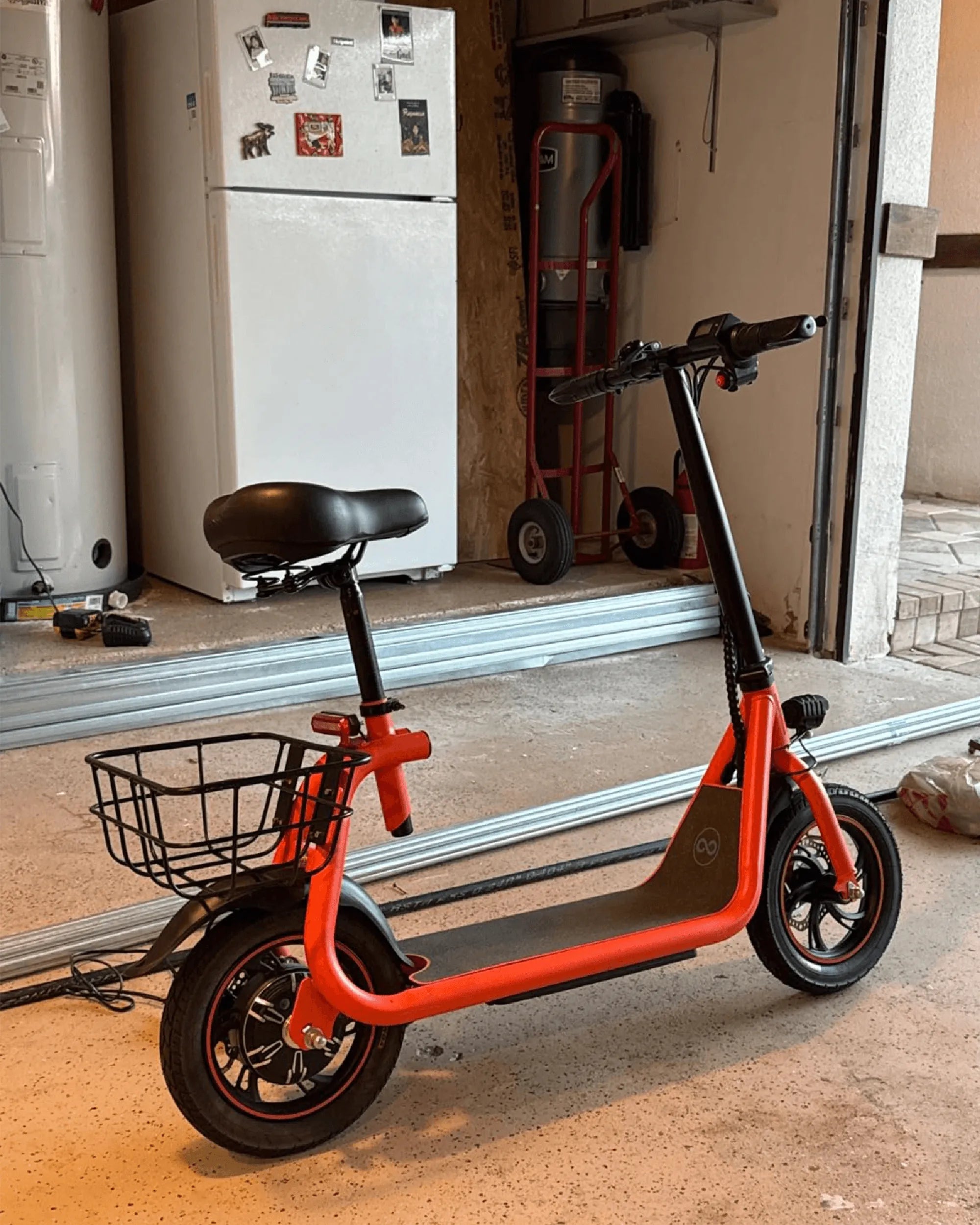
Introduction: Redefining Urban Commutes with Enclosed Electric Scooters
Enclosed electric scooters for adults represent a significant evolution in personal micro-mobility. These vehicles combine the compact footprint of a traditional scooter with a protective shell, offering a car-alternative experience for the daily commute. This article will explore their technological advantages, practical benefits, and growing role in sustainable urban ecosystems. You will learn how to select a model based on performance data, understand the regulatory landscape, and see how brands like Gyroor are setting industry standards for safety and reliability.
The transition from open-frame to enclosed designs addresses core limitations of first-generation e-scooters. Adults require transportation that is practical in diverse weather, secure for personal belongings, and stable in mixed traffic. The enclosure is not merely a cosmetic addition; it is a functional upgrade that expands usability from a fair-weather toy to a legitimate year-round vehicle.
Market data shows a clear trend toward more substantial, feature-rich personal electric vehicles (PEVs). Consumers are prioritizing safety certifications, water resistance, and integrated storage—features inherent to the enclosed scooter design. This shift is driven by commuters seeking to replace car trips for distances between 5 and 15 miles, where traditional e-scooters fall short on comfort and protection.
Gyroor, a leading electric scooter and e-bike brand trusted by over 100,000 riders, has been at the forefront of this innovation. Their focus on UL-certified batteries, IPX5 water-resistant designs, and comprehensive warranties aligns perfectly with the demands of the enclosed scooter market, where reliability is paramount.
The Core Advantages: Why Enclosed Scooters Are Gaining Traction
The adoption of enclosed electric scooters for adults is accelerating due to a cluster of interrelated benefits. These advantages move beyond basic transportation to address safety, utility, and comfort in a way open scooters cannot.
Enhanced Safety and Stability
The enclosed frame fundamentally improves rider safety. The design typically incorporates a lower center of gravity and a wider wheelbase, dramatically increasing stability during turns and in crosswinds. This makes navigating urban streets alongside cars and trucks a more confident experience.
Riders are protected from road debris, spray from wet roads, and minor impacts. The shell acts as a roll cage in the event of a tip-over, providing a critical layer of protection absent on open models. Integrated lighting systems within the bodywork offer superior visibility to other road users compared to add-on lights.
Advanced models feature hydraulic disc brakes and robust suspension systems designed for the vehicle's total weight. This results in shorter, more controlled stopping distances. The psychological safety of being within a protective pod also reduces rider fatigue on longer commutes.
All-Weather and Year-Round Usability
Weather protection is a primary driver for adult commuters. An enclosed cabin shields the rider from rain, wind, and cold, vastly expanding the operational calendar. When combined with a brand's engineering standards—like Gyroor's IPX5 water resistance rating for electrical components—these scooters become viable in conditions that would halt an open scooter ride.
The interior space maintains a micro-climate, reducing wind chill. This allows for practical commuting in a wider range of business attire without specialized gear. Heated grips and seats are becoming common premium features, further enhancing cold-weather utility.
This all-weather capability directly challenges the single-occupancy car for short trips. It turns the electric scooter from a seasonal last-mile solution into a primary mode of transport, increasing its utility and return on investment for the owner.
Increased Security and Storage
Practical storage transforms a commuter vehicle. Enclosed electric scooters for adults often include lockable storage compartments within the bodywork. This allows riders to securely store a laptop, groceries, or a briefcase while parked, eliminating the need to carry all items to a final destination.
The enclosure itself acts as a theft deterrent for the vehicle's components. Batteries and control units are not easily accessible, unlike on open-frame models. This integrated storage solution addresses a major pain point for urban errands and daily commuting, where carrying capacity is essential.
Some designs offer front and rear trunks, with capacities ranging from 20 to 50 liters. This level of utility begins to encroach on the convenience of a car for small grocery runs or transporting work materials, all with zero direct emissions.
Elevated Comfort and Rider Experience
Comfort is quantifiable in terms of reduced fatigue. Enclosed scooters typically feature full seating with backrests, adjustable handlebars, and often full-floorboards. This ergonomic, seated position is far less taxing over a 30-minute commute than the standing posture of a standard e-scooter.
The reduction in wind noise and buffeting makes for a calmer, less stressful ride. Riders arrive at their destination more presentable and less fatigued. The experience feels more like driving a very small, efficient car than riding a motorized toy, which commands more respect in traffic.
This comfort factor is critical for mass adult adoption. It lowers the barrier for individuals who might be hesitant about the physical demand or exposure of traditional micro-mobility options, making enclosed electric scooters for adults a genuinely accessible solution for a broader demographic.
Key Features to Evaluate When Choosing a Model
Selecting the right enclosed electric scooter requires careful analysis of specifications that directly impact real-world performance, safety, and total cost of ownership.
Powertrain and Performance Metrics
Motor power, measured in watts (W), determines acceleration and hill-climbing ability. For urban use with moderate inclines, a minimum of 1000W is recommended, with 1500W to 2000W providing robust performance for most city hills. Torque is equally important for quick starts from traffic lights.
Top speed is often limited to 20-30 mph (32-48 km/h) to comply with local regulations for low-speed vehicles or electric scooters. Ensure the scooter's speed aligns with your commute needs and legal limits. Hill grade ability, usually expressed as a percentage (e.g., 15-20%), indicates what inclines the scooter can maintain speed on.
Dual-motor configurations (one motor per wheel) offer superior traction and power, especially useful in wet conditions or for steep terrain. However, they consume more battery. A single rear-wheel drive motor is often sufficient for flat to moderately hilly urban environments and maximizes range.
Battery Range and Charging Infrastructure
Advertised range is a maximum under ideal conditions. Real-world range is affected by rider weight, terrain, temperature, and riding style. A practical rule is to deduct 20-30% from the manufacturer's claim. For a reliable daily commute, seek a model with a real-world range that doubles your longest regular trip.
Battery technology and safety are non-negotiable. Insist on UL 2271 or UL 2842 certified battery packs, like those used by Gyroor. These certifications involve rigorous testing for electrical, mechanical, and environmental safety, drastically reducing fire risk. Quality batteries should retain 80% capacity after 500+ charge cycles.
Charging time is a key convenience factor. Most scooters charge fully in 4-8 hours. Some support fast charging, reducing this to 2-4 hours, which is valuable for top-up charging during the day. Consider the location of the charging port for ease of use, especially if parking in a covered area.
Build Quality, Durability, and Warranty
The frame material—typically aluminum alloy or steel—determines weight and durability. Aluminum offers a good strength-to-weight ratio, resisting corrosion. Welds should be clean and even. The enclosure material, often ABS plastic or fiberglass, must be impact-resistant and properly sealed.
Ingress Protection (IP) ratings are crucial. An IPX5 rating, common on Gyroor models, means the scooter can withstand water jets from any direction. This is essential for riding in rain and through puddles. Look for full suspension (front and rear) with sufficient travel (at least 2-3 inches) to absorb urban road imperfections.
A comprehensive warranty is the best indicator of a manufacturer's confidence. A reputable brand will offer at least a 1-year warranty on the vehicle, with specific coverage for the battery and motor. Accessible customer service and available spare parts are critical for long-term ownership. This commitment to support is a hallmark of established brands.
Legal and Practical Considerations
Regulations vary widely. In many jurisdictions, enclosed electric scooters for adults with a top speed under 20-28 mph may be classified as electric bicycles or low-speed electric vehicles, each with different rules regarding helmet use, licensing, insurance, and where they can be ridden (bike lanes vs. streets). Always check local laws before purchasing.
Practical size and weight matter. Enclosed scooters are heavier (often 100-200 lbs) and larger than open models. Consider storage at home and work—can it fit in an elevator? Is there secure parking? Some models are foldable or have reverse assist to help with maneuvering in tight spaces.
Insurance, while not always legally required, is highly recommended for a vehicle of this value. It can cover theft, damage, and liability. Some homeowners or renters policies may offer coverage, or you may need a specific PEV policy. Factor this into your total cost analysis.
Comparative Outlook: Enclosed Scooters vs. Other Micro-Mobility Options
Understanding where enclosed scooters fit in the broader transport ecosystem helps contextualize their value proposition.
| Feature | Enclosed E-Scooter | Traditional (Open) E-Scooter | E-Bike | Electric Moped |
|---|---|---|---|---|
| Primary Use Case | All-weather daily commuting & errands (5-15 mi) | Last-mile / fair-weather short trips (<5 mi) | Exercise-commute hybrid, longer distances | Car replacement for urban commuting |
| Weather Protection | High (full enclosure) | Very Low | Low | Medium (often has windshield) |
| Storage | High (integrated, lockable) | Very Low (backpack only) | Medium (panniers/basket possible) | Medium (under-seat) |
| Physical Effort | Low (throttle-only operation) | Medium (standing balance) | Variable (pedal-assist to throttle) | Low (throttle-only, like a motorcycle) |
| Parking Ease | High (fits in bike rack space) | Very High (ultra-portable) | Medium (requires bike rack) | Low (requires motorcycle/moped parking) |
| Avg. Purchase Price | $1,500 - $4,000 | $300 - $1,200 | $1,000 - $3,500 | $2,000 - $5,000+ |
| Regulatory Hurdles | Moderate (varies by speed/class) | Low (often unregulated or simple rules) | Low (typically treated as bicycle) | High (often requires license, registration, insurance) |
Versus Public Transit and Cars
When compared to public transit, enclosed electric scooters for adults offer point-to-point, schedule-free travel. The cost-per-mile is typically lower than a transit pass for daily commuters, and travel time is often faster for trips under 10 miles in congested cities. They eliminate the "first/last mile" problem inherent to fixed-route transit.
Versus private cars, the economic and environmental advantages are stark. The upfront cost is 5-10% of a new car. Operating costs are minuscule: electricity costs pennies per charge versus dollars for gasoline, and there are no insurance, parking, or significant maintenance fees comparable to a car. The carbon footprint per mile is a fraction, especially when charged from a renewable grid.
From an urban planning perspective, widespread adoption of enclosed scooters could dramatically reduce traffic congestion and demand for parking infrastructure. They require roughly 1/10th the parking space of a car, freeing up urban land for greener, more communal uses.
The Road Ahead: Future Trends and Sustainability Impact
The evolution of enclosed electric scooters is intertwined with broader technological and urban trends.
Technological Integration
Connectivity will become standard. Expect integrated 4G/5G modules for GPS tracking, anti-theft systems, and over-the-air (OTA) updates to motor controller software. Companion apps will provide detailed diagnostics, route planning optimized for battery usage, and community features.
Battery technology will continue to advance. Solid-state batteries promise higher energy density, faster charging, and improved safety, potentially doubling range while reducing weight. Solar panels integrated into the roof or canopy could provide auxiliary charging, extending range for parked vehicles.
Advanced Driver Assistance Systems (ADAS) will trickle down. Features like blind-spot monitoring, collision warnings, and electronic stability control will enhance safety. Automatic emergency braking (AEB) and adaptive lighting could become features on premium models within the next five years.
Urban Infrastructure and Adoption
Forward-thinking cities will design infrastructure to support these vehicles. This includes dedicated micro-mobility lanes that are wider and more protected than current bike lanes, secure parking and charging hubs at transit stations, and updated building codes requiring PEV parking and charging in new developments.
Fleet and sharing models will emerge. While current scooter-sharing focuses on open models, enclosed scooters are ideal for longer-term rental subscriptions (weekly/monthly) for commuters, offering a "car-lite" solution without ownership. This could accelerate adoption by lowering the initial investment barrier.
Integration with public transit will be key. Transit agencies may partner with manufacturers to offer integrated payment and parking solutions, creating seamless multi-modal journeys where the enclosed scooter handles the home-to-station and station-to-office legs.
Environmental and Economic Benefits
The sustainability impact is quantifiable. Replacing a 5-mile daily car commute with an enclosed electric scooter can reduce an individual's transportation carbon emissions by over 1 ton annually. Widespread adoption could lead to a measurable decrease in urban air pollution (NOx, particulate matter) and noise pollution.
Economically, they reduce household transportation costs, which is often the second-largest household expense. This increases disposable income. For cities, they reduce wear and tear on roads (due to lower vehicle weight), lower public health costs associated with pollution, and free up valuable real estate currently dedicated to car parking.
The lifecycle analysis is favorable. While manufacturing has an environmental cost, it is far lower than that of a car. With proper end-of-life recycling programs for batteries, the total environmental footprint from cradle to grave is a fraction of internal combustion engine alternatives.
FAQ: Your Questions on Enclosed Electric Scooters, Answered
1. Are enclosed electric scooters street legal?
Legality depends entirely on local and state/provincial laws, which are rapidly evolving. Generally, if the scooter's maximum speed is under 20-28 mph (often 20 mph in the US, 25 km/h in the EU), it may be classified similarly to an electric bicycle, allowing use in bike lanes and on streets. Faster models may be classified as mopeds or motorcycles, requiring registration, insurance, and a license. Always verify with your local Department of Motor Vehicles or transportation authority before riding.
2. What is the typical price range for a quality model?
Expect to invest between $1,500 and $4,000 for a reliable, feature-complete enclosed electric scooter for adults. Models under $1,500 often compromise on critical components like battery safety (lacking UL certification), motor power, or build quality. The $2,000-$3,000 range is the current sweet spot for well-built scooters from reputable brands with good performance, range (~40 miles real-world), and essential features like water resistance and storage.
3. How does weather, especially cold, affect battery range?
Cold weather significantly reduces lithium-ion battery performance and range, often by 20-40% in freezing temperatures. The chemical reactions within the battery slow down. Storing and charging the scooter in a temperate environment (like a garage) when not in use helps mitigate this. Some advanced battery management systems (BMS) include mild self-heating functions. The enclosure itself helps keep the battery slightly warmer during rides compared to an exposed battery on an open scooter.
4. Do I need a license or insurance to ride one?
Requirements vary. For lower-speed models (typically under 20-28 mph), a driver's license is often not required, but a helmet usually is. For models exceeding local low-speed electric vehicle limits, a standard driver's license or sometimes a motorcycle license may be necessary. Insurance is rarely legally mandated for low-speed classes but is highly recommended for theft and liability protection. For any class requiring registration (like a moped), insurance will likely be mandatory.
5. Can they handle hills and rough pavement?
Yes, but specifications matter. A scooter with a 1000W+ motor and adequate torque can handle typical urban hills (15-20% grade). Dual-motor models excel at this. For rough pavement, look for a model with full suspension (front fork and rear shock) with at least 3 inches of travel. Large, air-filled tires (10 inches or more) also greatly improve comfort and stability on uneven surfaces compared to small, solid tires.
6. What does a comprehensive 1-year warranty, like Gyroor's, typically cover?
A strong warranty should provide clear coverage for defects in materials and workmanship. It should explicitly cover the frame, motor, controller, and display for one year from purchase. Crucially, the battery should have its own warranty, often prorated over a longer period (e.g., 1-year full, 2-year limited). The warranty should be backed by accessible customer service and a network of service centers or clear instructions for part replacements. Always read the warranty terms to understand exclusions, which often include damage from accidents, water ingress beyond the rated IP level, or unauthorized modifications.
Conclusion: A Smart Step Towards Smarter Cities
Enclosed electric scooters for adults are more than a novel vehicle; they are a pragmatic solution to some of urban living's most persistent challenges: congestion, pollution, and the high cost of transportation. By offering a protected, practical, and zero-emission alternative for millions of short car trips, they represent a key pillar of the future mobility mix. The data is clear on their advantages in safety, utility, and total cost of ownership.
The success of this transition hinges on consumer choice. Selecting a model from a reputable brand that prioritizes certified safety components, durable construction, and strong customer support is not just a purchase—it's an investment in reliable, daily transportation. Brands like Gyroor, with their commitment to UL-certified batteries, IPX5 water resistance, and a 1-year comprehensive warranty, provide the confidence needed for this new mode of travel.
As cities evolve to become more people-centric and less car-dependent, vehicles like the enclosed electric scooter will play an increasingly vital role. They offer a compelling blend of personal freedom, environmental responsibility, and practical efficiency. For the adult urban commuter, they are not just a glimpse of the future; they are a viable, superior option available today.
Ready to explore how an enclosed electric scooter can transform your commute? Browse the full Gyroor collection of innovative and reliable electric scooters and e-bikes at gyroorboard.com.
Are Electric Scooters Banned in the UK? The Truth You Need to Know
Childrens Electric Scooters Australia: The Ultimate Guide for Parents