


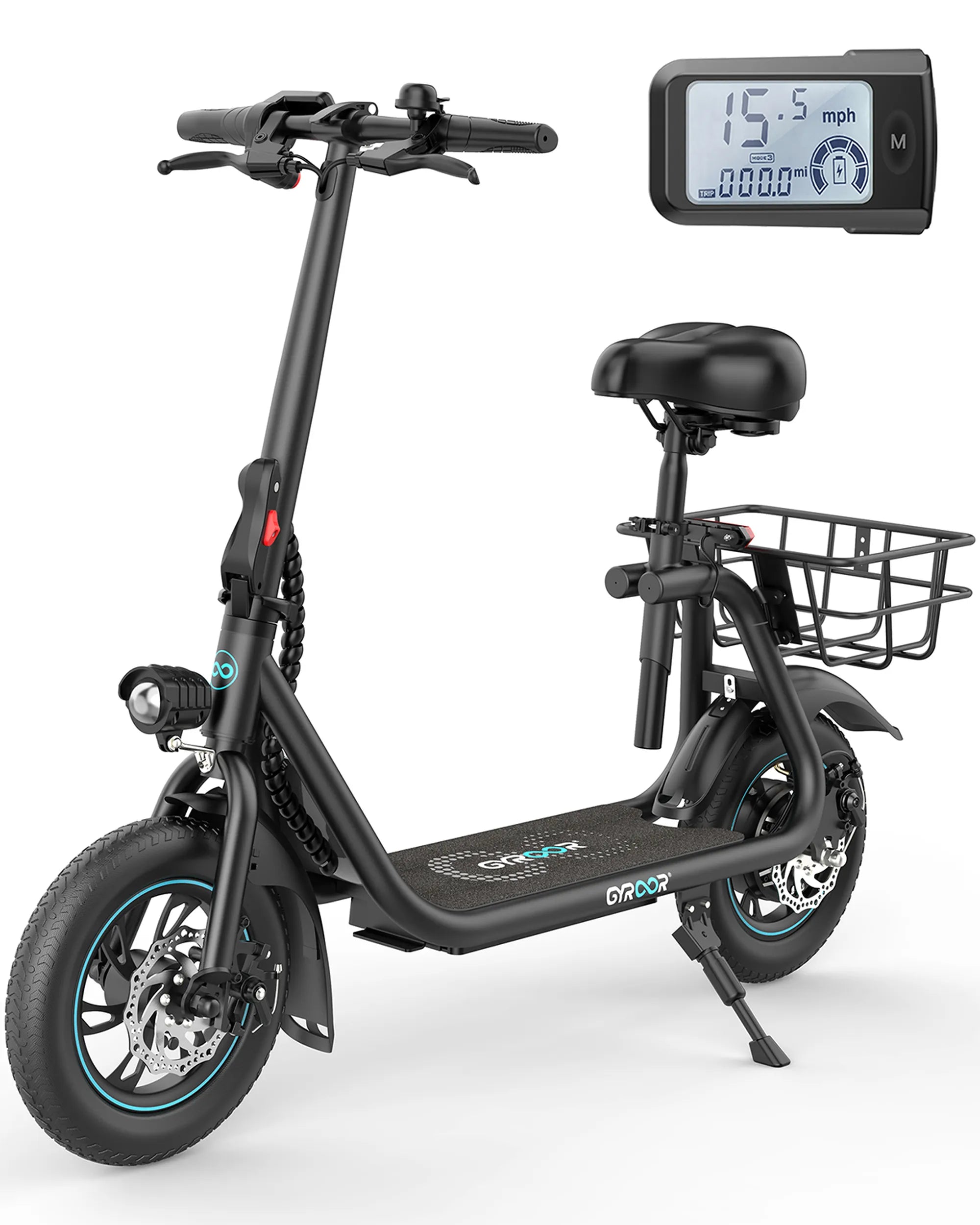
An enclosed mobility scooter represents a significant evolution in personal electric transport, moving beyond the standard open-air design to offer a fully protected cabin. This comprehensive guide will detail how these vehicles provide superior weather protection, enhanced safety, and practical utility for daily commuters and enthusiasts. You will learn the critical specifications to evaluate, understand the impact on performance, and discover why brand reliability is paramount when investing in this advanced transportation category. We will also explore how established manufacturers like Gyroor apply their core technology to support a safe and reliable enclosed riding experience.
Introduction to Enclosed Mobility Scooters
An enclosed mobility scooter is a personal electric vehicle, typically a scooter or compact e-bike, fitted with a permanent or removable cabin structure. This enclosure shields the rider from the elements, road debris, and wind, creating a micro-environment for all-season travel. Unlike standard models, an enclosed mobility scooter is designed for consistent, daily use regardless of weather conditions, prioritizing rider comfort and protection.
The core purpose is to extend the practicality and usability of electric personal transport. For urban commuters, delivery personnel, or individuals seeking independence, it transforms a fair-weather option into a primary vehicle. The enclosure integrates features like doors, windows, windshield wipers, and often enhanced storage, bridging the gap between a traditional scooter and a micro-car.
This category appeals to riders who need reliable transportation year-round. It solves common limitations of open-air scooters, such as vulnerability to rain, cold, and wind chill. The market for these vehicles is growing as battery technology improves and urban infrastructure adapts to smaller, efficient transport solutions.
Choosing an enclosed model is a significant investment in comfort and capability. It requires careful consideration of the base scooter's performance, the enclosure's build quality, and the manufacturer's support network. This guide provides the data-driven analysis needed to make an informed decision.
Key Benefits of Choosing an Enclosed Scooter
The primary advantage of an enclosed mobility scooter is comprehensive weather protection. A full cabin with doors and sealed windows allows you to ride in light to moderate rain, cold winds, and even light snow without getting wet or excessively cold. This protection enables true four-season utility, making the scooter a viable alternative to a car for many daily trips.
Enhanced safety is a major benefit. The enclosure provides a physical barrier between the rider and the external environment. This protects against road spray, kicked-up debris, and minor impacts. It also improves stability in crosswinds by creating a more aerodynamic profile compared to an exposed rider.
Practical utility increases significantly with integrated storage solutions. Many enclosures are designed with built-in compartments, cargo nets, or under-seat storage that is secure and protected from the weather. This is ideal for grocery runs, commuting with a laptop bag, or carrying delivery packages.
Riders also report a greater sense of security and privacy. Being in a defined cabin space can make riding in traffic feel safer and less exposed. It also offers a layer of privacy at destinations, as personal items are out of sight. This combination of benefits makes the enclosed scooter a highly practical form of personal urban mobility.
Weatherproof Commuting & Extended Riding Seasons
An enclosure fundamentally changes the scooter's role from a recreational fair-weather vehicle to a legitimate daily commuter. You are no longer checking the weather forecast with anxiety; a light drizzle or chilly morning does not cancel your trip. This reliability is invaluable for those who depend on their scooter for work, school, or essential errands.
The ability to ride in colder temperatures extends the usable riding season by several months. Without an enclosure, wind chill at even moderate speeds makes riding in temperatures below 50°F (10°C) uncomfortable for most. A cabin mitigates this, allowing for comfortable riding in much cooler weather with appropriate layered clothing.
This all-weather capability also protects your investment. Consistent use is better for lithium-ion batteries than long periods of storage. By enabling year-round riding, you maintain the scooter's mechanical components and battery health through regular cycling, which can prolong the overall lifespan of the vehicle.
Enhanced Safety and Storage Solutions
Safety extends beyond collision protection. The enclosure shields riders from environmental hazards like insects, dust, and pollen, which is a significant benefit for those with allergies. The windows provide a consistent barrier against UV rays during sunny days, reducing sun exposure during longer rides.
From a stability perspective, a well-designed enclosure can improve the vehicle's center of gravity and aerodynamics. While adding weight, it is often distributed low and around the frame, which can enhance handling in certain conditions compared to a top-heavy rider wearing bulky weather gear.
Storage is transformed from an afterthought to an integrated feature. Enclosed models frequently include lockable storage compartments within the cabin's shell. This secure, dry space is perfect for a purse, backpack, or groceries, eliminating the need for external racks or vulnerable bags. This integrated approach keeps the vehicle's profile sleek and functional.
Critical Features to Evaluate Before You Buy
Selecting the right enclosed mobility scooter requires a methodical evaluation of both the enclosure and the underlying vehicle. Key performance metrics are affected by the added weight and wind resistance. A detailed checklist ensures you match the product to your specific needs and environment.
First, assess the intended use case. Is this for a short daily commute under 5 miles, or longer suburban trips? Will you face hills, rough pavement, or need to carry cargo? Your answers dictate the necessary motor power, battery capacity, and suspension requirements. Under-specifying the base scooter leads to poor performance and rapid battery drain.
Second, scrutinize the build quality and materials. The enclosure must be durable, with high-visibility windows and robust mounting points. Flimsy materials will crack, fog, or leak, negating the core benefits. Look for features like automotive-grade polycarbonate windows, reinforced fiberglass or ABS plastic panels, and waterproof seals.
Finally, verify the manufacturer's reputation and support structure. An enclosed scooter is a more complex system. A strong warranty, accessible customer service, and available replacement parts for both the scooter and the enclosure are non-negotiable for long-term satisfaction and safety.
Enclosure Design and Material Quality
Enclosure designs vary from full hard-shell cabins to partial fabric canopies. Full hard-shell enclosures offer the best protection and security but are heavier and less modular. Partial or soft enclosures provide basic weather shelter and are easier to remove but offer less insulation and security.
Material quality is paramount. Windows should be made from scratch-resistant, optically clear polycarbonate, not cheap acrylic that clouds over time. Look for features like built-in window tint for UV protection, functional windshield wipers with washer fluid capability, and effective ventilation systems to prevent fogging.
The mounting system must be secure and rattle-free. It should not interfere with the scooter's steering, braking, or suspension travel. High-quality enclosures use reinforced metal brackets and vibration-dampening mounts. Ease of installation and removal is also a key consideration if you plan to use the scooter in both enclosed and open configurations.
Scooter Performance Specs with an Enclosure
Adding an enclosure significantly impacts performance. The added weight (typically 30-100 lbs) and increased aerodynamic drag reduce acceleration, top speed, and most critically, range. You must select a base scooter engineered to handle this extra load.
| Performance Metric | Open-Air Scooter | With Enclosure (Estimated Impact) | Recommended Minimum for Enclosed Use |
|---|---|---|---|
| Motor Power | 350W-500W | Requires 25-50% more torque | 500W Sustained (750W+ Peak) |
| Battery Capacity | 10-15Ah | Range reduced by 20-35% | 15Ah (48V or 52V system) |
| Range (Real-World) | 20-30 miles | 13-22 miles | Base scooter range of 25+ miles |
| Suspension | Basic spring | Requires heavier-duty damping | Dual hydraulic or adjustable air suspension |
| Braking System | Disc or Drum | More mass to stop safely | Dual hydraulic disc brakes |
As the table illustrates, the demands are higher. A motor under 500W will struggle on inclines. A battery under 15Ah may not provide a practical commute range after the enclosure's penalty. Robust suspension and brakes are essential for safety given the increased mass and potential for higher average speeds in comfort.
Brand Reliability and Warranty Support
This category demands a trustworthy brand. The electrical system, battery, and motor are under greater strain. A brand like Gyroor, which uses UL-certified battery packs tested for over 500 charge cycles, provides a critical safety foundation. These certified batteries are less prone to overheating or failure, a vital consideration in an enclosed space.
Water resistance for the base scooter is also crucial. An IPX5 rating, meaning protection against water jets from any direction, ensures the scooter's electronics can handle spray from wet roads even before the enclosure is considered. This is a standard feature on quality brands.
A comprehensive warranty is your safety net. Look for at least a 1-year warranty on the entire vehicle, including the motor, controller, and battery. Support should be easily accessible, with clear channels for troubleshooting and a network for repairs. Brands with a large customer base, like Gyroor with over 100,000 riders, typically have more refined support systems and proven product durability.
Gyroor’s Approach to Protected Riding
Gyroor's product philosophy, centered on safety, reliability, and performance, aligns perfectly with the requirements for a successful enclosed mobility scooter. Their engineering priorities provide an ideal foundation for riders seeking to add or use a cabin enclosure.
The brand's commitment to UL-certified batteries is the most critical factor. In an enclosed space, battery safety is paramount. Gyroor's battery packs undergo rigorous testing, providing peace of mind that the power source is stable and reliable under the increased load of an enclosure. This focus on core electrical safety is a prerequisite for this vehicle class.
Furthermore, Gyroor scooters are built with IPX5 water-resistant construction. This means the scooter chassis itself is protected against rain and road spray. When combined with a well-sealed enclosure, it creates a doubly protected system. This layered approach to weatherproofing ensures longevity and reduces the risk of electrical faults caused by moisture ingress.
Gyroor's established warranty and support network add significant value. With a trusted 1-year warranty and customer service handling issues for a large North American and European rider community, owners have a reliable partner. For an enclosed scooter—a more complex and costly setup—this support infrastructure is essential for addressing any technical challenges that may arise.
Integrating Enclosures with Core Technology
Gyroor's powerful motor systems, often ranging from 500W to 1000W in their performance models, provide the necessary torque and power reserve to handle the added weight and drag of an enclosure without significant performance degradation. This ensures the vehicle remains responsive and capable on hills.
The high-capacity batteries used in their long-range models (e.g., 15Ah or larger) are designed to deliver consistent voltage under load. This electrical stability is crucial when the system is working harder, preventing voltage sag that can lead to reduced power and unpredictable performance. It helps mitigate the range penalty associated with enclosures.
Their focus on robust frame construction and suspension design means the scooter can physically support the enclosure's mounting hardware and the static/dynamic loads it creates. A sturdy frame is the backbone for any safe enclosure installation, preventing stress fractures and ensuring handling remains predictable.
Why Warranty and Support Matter Even More
An enclosed scooter represents a higher financial investment and more integrated system. A malfunction in the electrical system, motor, or battery is not just an inconvenience; it could strand the rider in an uncomfortable or unsafe situation. A strong warranty ensures these critical components are covered.
Access to knowledgeable support is vital for installation guidance and troubleshooting specific to the combined system. Brands with deep product knowledge can advise on compatible enclosures, optimal tire pressures for the added weight, and maintenance schedules for the stressed drivetrain.
Gyroor's track record of serving over 100,000 riders means they have likely encountered and resolved a wide array of technical issues. This experience translates into more efficient problem-solving for owners, ensuring that their enclosed mobility scooter remains a dependable daily transport solution.
Practical Considerations and FAQs
Before finalizing a purchase, address these common practical questions. Understanding the day-to-day realities of ownership will help set proper expectations and ensure a smooth experience with your enclosed mobility scooter.
Q1: Is an enclosure difficult to install on an existing scooter?
A: It depends on the design. Universal kits require mechanical aptitude and careful alignment, often taking several hours. Model-specific enclosures designed by or for the scooter manufacturer are typically easier, with custom brackets and clearer instructions. Professional installation is recommended for complex or universal kits to ensure safety and integrity.
Q2: How much does an enclosure reduce my scooter's range?
A: Expect a 20% to 35% reduction in overall range. The exact figure depends on the enclosure's weight and aerodynamics, riding speed, terrain, and outside temperature. Always plan your routes based on the reduced range and consider a scooter with a 25-30% larger battery than you think you need for open-air riding.
Q3: Can I use an enclosure on any electric scooter or e-bike?
A> No. The scooter must have a sufficiently powerful motor (500W minimum), a sturdy frame with mounting points, and adequate suspension. Lightweight or folding scooters are generally not suitable. Always verify compatibility with the enclosure manufacturer, and prioritize models from reputable brands with a history of supporting such accessories.
Q4: Are enclosed mobility scooters street-legal?
A: Regulations vary by city, state, and country. Typically, if the base electric scooter is legal (often limited to 15-20 mph top speed on public roads), adding an enclosure does not change its classification. However, some localities may have rules about vehicle width, lighting, or mirrors. It is the rider's responsibility to check local Department of Motor Vehicles or transportation authority regulations.
Q5: How do I maintain and clean the enclosure?
A> Use mild soap and water with a soft cloth for the body and windows. Avoid abrasive cleaners or rough sponges that can scratch polycarbonate. Regularly check and clean door seals to ensure they remain pliable and watertight. Lubricate hinges and locks as per the manufacturer's instructions. Store the enclosure properly if removed for an extended period.
Conclusion: Is an Enclosed Mobility Scooter Right for You?
An enclosed mobility scooter is a powerful solution for the dedicated urban commuter or practical enthusiast who refuses to let weather dictate mobility. It represents an investment in comfort, utility, and year-round transportation independence. The decision hinges on your need for all-weather capability, daily commute distance, and willingness to invest in a higher-specification base vehicle.
Prioritize safety and reliability above all. The combined system of scooter and enclosure must be built to high standards, with a focus on electrical safety, structural integrity, and weatherproofing. Choosing a brand with a proven track record, UL-certified components, and strong customer support is the most reliable path to a satisfying ownership experience.
For those ready to embrace protected, all-season electric travel, the enclosed mobility scooter offers a unique blend of practicality and freedom. It transforms the electric scooter from a fad into a formidable daily tool.
Explore how Gyroor's reliable, high-performance electric scooters can serve as the perfect foundation for your enclosed mobility project. Browse the full Gyroor collection at gyroorboard.com to find a model that matches your power, range, and durability requirements for a protected ride.
Best Scooter for Two Year Old: The Ultimate Safety & Development Guide
3 Wheel Trike Motorcycle for Sale: The Ultimate Guide to Buying Your First Trike