



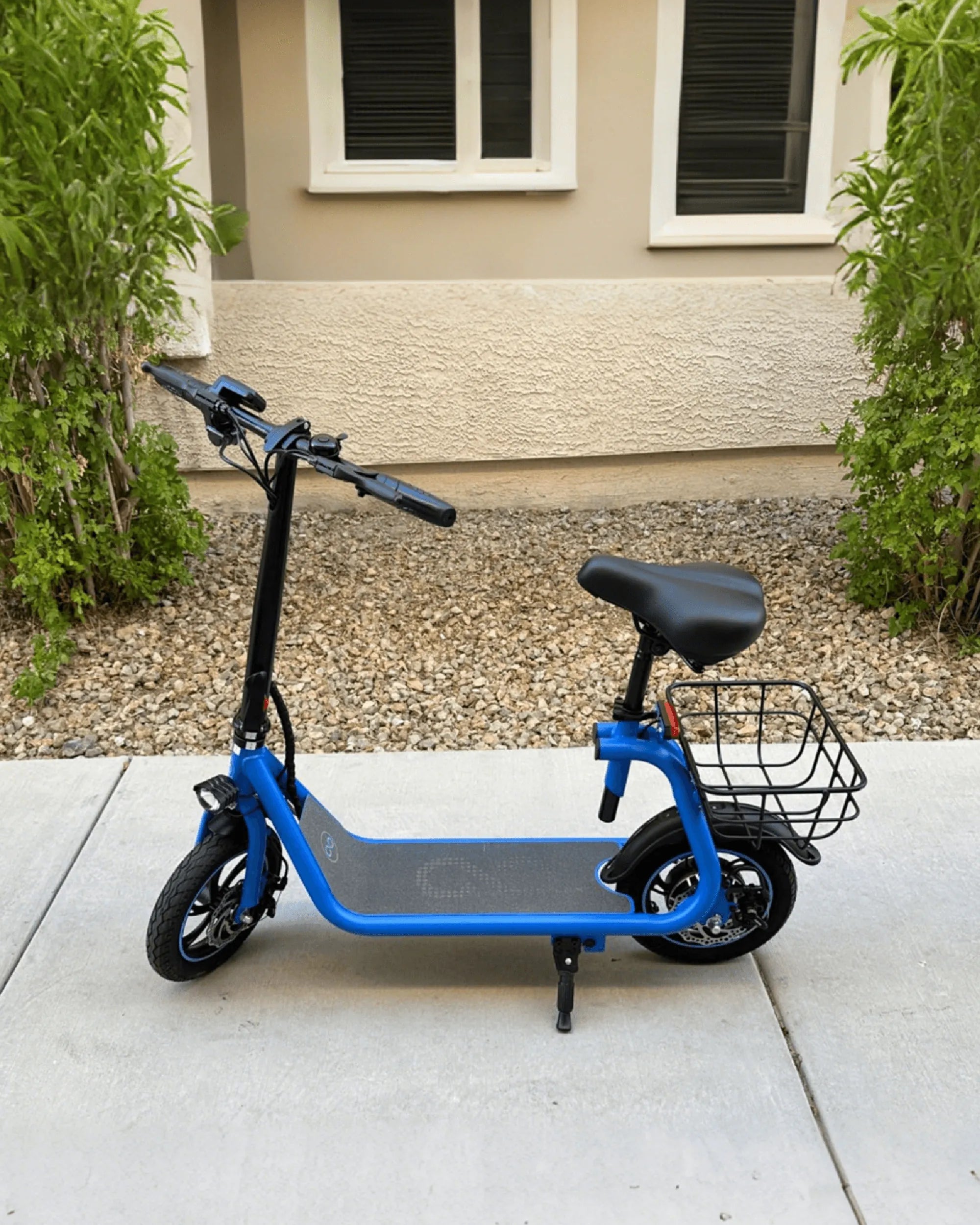
Electric scooters, or escooters, have revolutionized urban mobility, offering a convenient and eco-friendly way to navigate crowded streets. However, one of the most critical components of any escooter is its braking system. Without reliable brakes, even the most advanced escooter can become a safety hazard. In this comprehensive guide, we’ll dive deep into the world of escooter brakes, exploring their types, how they work, maintenance tips, and how to ensure optimal performance.
Types of Escooter Brakes
Escooters come equipped with various braking systems, each with its own advantages and drawbacks. Understanding these types can help you make an informed decision when purchasing or maintaining your escooter.
1. Mechanical Disc Brakes
Mechanical disc brakes are a popular choice for escooters due to their reliability and ease of maintenance. These brakes use a caliper to squeeze brake pads against a rotor, creating friction that slows down the scooter. They perform well in wet conditions and offer consistent stopping power.
2. Hydraulic Disc Brakes
Hydraulic disc brakes are more advanced than their mechanical counterparts. They use fluid to transfer force from the brake lever to the caliper, providing smoother and more responsive braking. While they require less maintenance, they can be more expensive to repair.
3. Drum Brakes
Drum brakes are enclosed within the wheel hub, making them resistant to dirt and water. They are low-maintenance and durable but may not offer the same stopping power as disc brakes, especially at higher speeds.
4. Regenerative Brakes
Regenerative brakes are unique to electric vehicles. They convert kinetic energy back into electrical energy, which is stored in the battery. While they extend battery life, they are often used in conjunction with other braking systems for maximum safety.
How Escooter Brakes Work
Understanding the mechanics behind escooter brakes can help you appreciate their importance. When you pull the brake lever, the system activates either mechanically, hydraulically, or electronically, depending on the type. The resulting friction slows down the wheels, bringing the scooter to a stop.
Maintenance Tips for Escooter Brakes
Regular maintenance is crucial to ensure your brakes function optimally. Here are some tips to keep your escooter brakes in top condition:
1. Check Brake Pads Regularly
Worn-out brake pads can significantly reduce braking efficiency. Inspect them periodically and replace them if they appear thin or damaged.
2. Keep Brake Components Clean
Dirt and debris can impair brake performance. Clean the rotors, calipers, and pads regularly to prevent buildup.
3. Test Brake Responsiveness
Before each ride, test your brakes to ensure they respond quickly and smoothly. If you notice any delays or unusual noises, address the issue immediately.
4. Lubricate Moving Parts
Apply lubricant to the brake levers and cables to prevent stiffness and ensure smooth operation.
Safety Tips for Using Escooter Brakes
Brakes are your first line of defense against accidents. Follow these safety tips to ride with confidence:
1. Use Both Brakes
Most escooters have front and rear brakes. Using both simultaneously distributes the stopping force evenly, preventing skidding.
2. Avoid Sudden Stops
Gradually apply the brakes to avoid losing control. Sudden stops can cause the scooter to tip forward, especially at high speeds.
3. Adjust Your Speed
Braking distance increases with speed. Slow down when approaching intersections, pedestrians, or obstacles.
4. Wear Protective Gear
Even with reliable brakes, accidents can happen. Always wear a helmet and other protective gear to minimize injury risks.
Enhancing Brake Performance
If you’re looking to upgrade your escooter’s braking system, consider these options:
1. Upgrade to High-Performance Brake Pads
High-quality brake pads offer better friction and durability, improving stopping power.
2. Install Larger Rotors
Larger rotors provide more surface area for braking, enhancing efficiency.
3. Optimize Brake Calipers
Upgrading to premium calipers can improve brake responsiveness and reduce wear.
Escooter brakes are more than just a safety feature—they’re a vital component that ensures a smooth and secure ride. By understanding the different types, maintaining them properly, and following safety guidelines, you can enjoy your escooter with peace of mind. Whether you’re a daily commuter or a weekend rider, investing time in your brakes will pay off in performance and safety. Ready to hit the road? Make sure your brakes are up to the task!
Lake Perris Mountain Biking: Trails, Tips, and Adventure Awaits
Whian Whian Mountain Biking Trails: A Thrilling Adventure Through Nature