


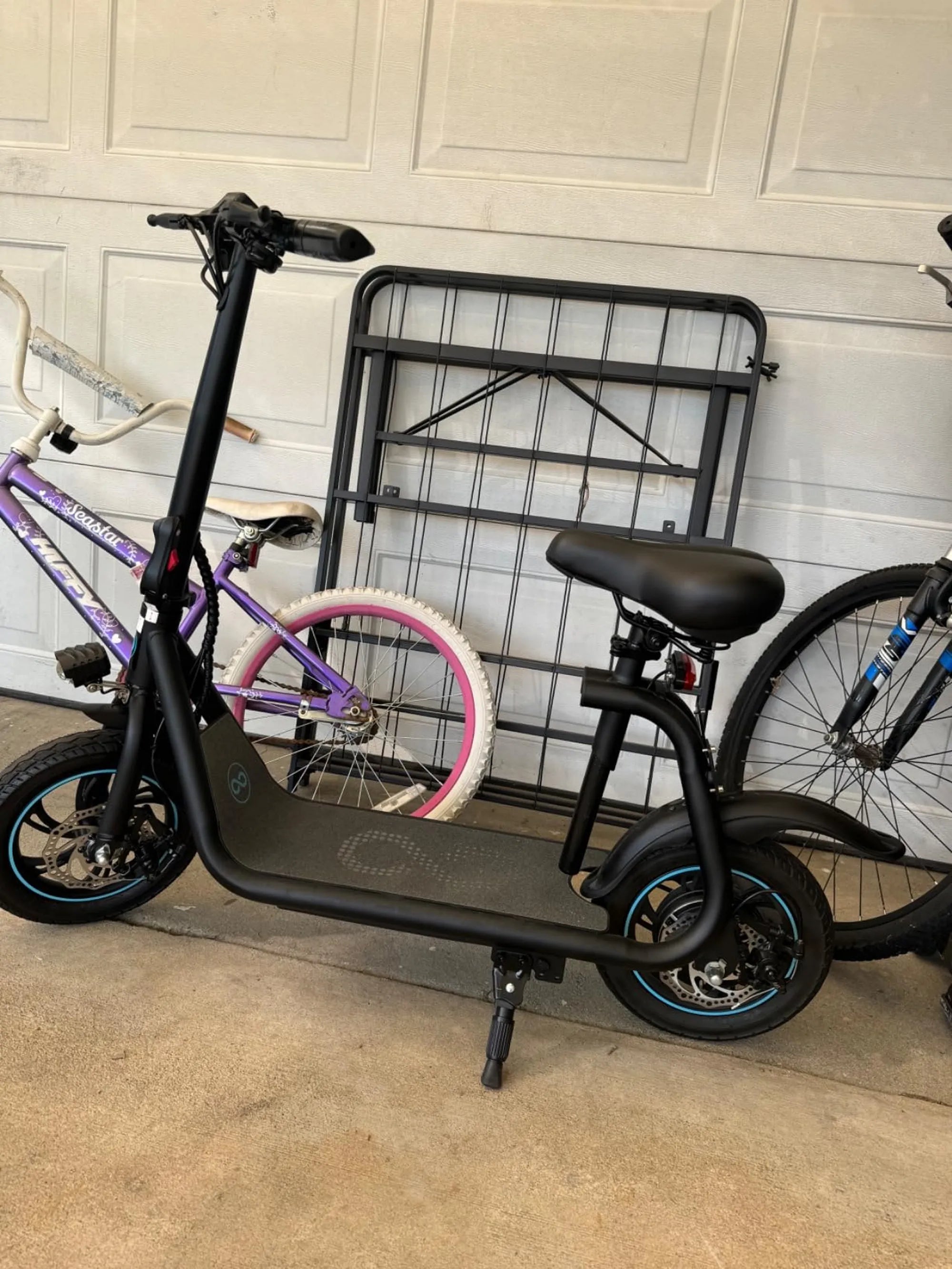
When it comes to escooters, the wheels are often the unsung heroes of the ride. They bear the brunt of the road, absorb shocks, and determine how smooth or rough your journey will be. Whether you're a daily commuter or a weekend thrill-seeker, understanding your escooter wheel can make all the difference in performance, safety, and longevity. Let's dive into the world of escooter wheels and uncover what makes them tick.
The Anatomy of an Escooter Wheel
An escooter wheel is more than just a round piece of rubber. It's a carefully engineered component designed to balance durability, grip, and comfort. Most escooter wheels consist of three main parts:
- Tire: The outer layer that makes contact with the ground. It can be solid, pneumatic (air-filled), or honeycomb.
- Rim: The rigid structure that holds the tire in place, often made of aluminum or reinforced plastic.
- Hub: The central part that connects the wheel to the scooter's axle and may house the motor in electric models.
Types of Escooter Wheels
Choosing the right type of wheel depends on your riding style and terrain. Here are the most common options:
Solid Wheels
Solid wheels are puncture-proof and low-maintenance, making them ideal for urban commuters. However, they offer less shock absorption compared to pneumatic tires.
Pneumatic Wheels
These air-filled tires provide a smoother ride and better traction, especially on uneven surfaces. The downside? They require regular pressure checks and are prone to punctures.
Honeycomb Wheels
A hybrid between solid and pneumatic, honeycomb wheels feature a lattice-like structure that absorbs shocks without needing air. They're durable but can feel stiffer than pneumatic options.
Wheel Size Matters
The diameter of your escooter wheel affects stability, speed, and comfort. Larger wheels (10 inches or more) handle bumps better and maintain higher speeds, while smaller wheels (6-8 inches) are more agile but less stable on rough terrain.
Maintenance Tips for Escooter Wheels
To keep your wheels rolling smoothly, follow these maintenance practices:
- Check tire pressure regularly if using pneumatic wheels.
- Inspect tires for wear and tear, and replace them when treads are worn down.
- Clean wheels to remove debris that could affect performance.
- Lubricate bearings to ensure smooth rotation.
Upgrading Your Escooter Wheels
If you're looking to enhance your ride, consider upgrading your wheels. Larger or softer tires can improve comfort, while high-grip treads boost traction. Always ensure compatibility with your scooter's frame and motor before making changes.
Your escooter wheels are the foundation of every ride, and investing time in understanding them pays off in performance and safety. Whether you're tweaking your current setup or shopping for a new scooter, prioritize wheels that match your lifestyle—because the right roll makes all the difference.
Lowell Dracut State Forest Mountain Biking: Trails, Tips, and Thrills
Electric Bike Between $500 and $1,000: The Ultimate Budget Commuter Guide