




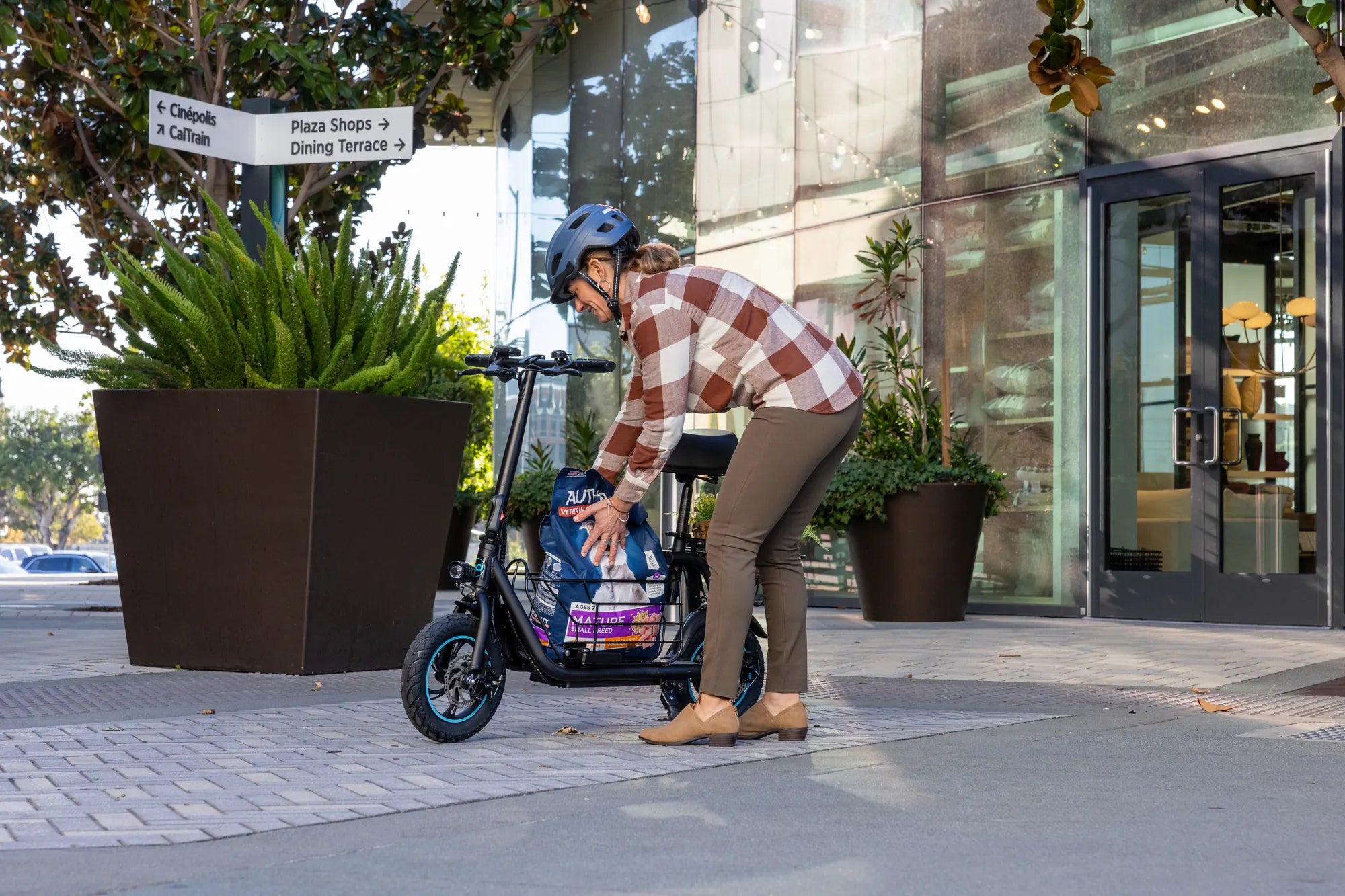
Introduction to Family Electric Scooters
Family electric scooters are transforming how households approach short-distance travel, blending practicality with shared outdoor adventure. This guide provides a complete framework for understanding, selecting, and safely using electric scooters as a family unit. You will learn how to evaluate key specifications for multi-user needs, implement essential safety protocols, and maximize the financial and environmental benefits of this modern mobility solution.
Choosing a reliable brand is paramount for family safety and long-term value. Brands like Gyroor, a leading electric scooter and e-bike manufacturer trusted by over 100,000 riders across North America and Europe, prioritize UL-certified batteries, IPX5 water-resistant designs, and comprehensive warranties. This foundation of trust allows families to focus on the experience rather than equipment concerns.
The shift towards family electric scooters is driven by more than just trend. It represents a conscious decision for cost-effective commuting, reduced environmental impact, and fostering active, shared time outdoors. This guide will navigate you through every consideration, from technical features to family riding etiquette.
Ultimately, integrating electric scooters into your family's routine is about adding a layer of fun and freedom to daily errands, school runs, and weekend explorations. With the right knowledge, you can make an informed choice that delivers safety, durability, and joy for years to come.
Why Choose an Electric Scooter for Your Family?
Electric scooters offer a compelling alternative to car-dependent short trips, which constitute a significant portion of urban family logistics. The average cost per mile for an electric scooter is a fraction of that for a car, considering fuel, maintenance, and depreciation. For families, this translates to direct savings on school runs, grocery trips, and commutes to extracurricular activities.
Environmental benefits are equally significant. Replacing car trips under three miles with a zero-emission electric scooter directly reduces your household's carbon footprint. This tangible action towards sustainability also serves as a practical lesson in environmental responsibility for children, connecting daily choices to broader ecological impacts.
Beyond economics and ecology, family electric scooters promote physical activity and outdoor engagement. While the motor provides assistance, riding still requires balance, coordination, and core engagement. It encourages families to explore local parks, trails, and neighborhoods together, turning mundane trips into mini-adventures.
This mode of travel also fosters independence and responsibility in younger riders within a supervised framework. Learning to operate a vehicle, obey traffic rules, and perform basic maintenance teaches valuable life skills. The shared experience of planning routes and riding together strengthens family bonds through cooperative activity.
The Multifaceted Value Proposition
The value extends into practical daily logistics. Electric scooters simplify the "first and last mile" problem of public transport, provide a parking-stress-free option for crowded school zones, and offer a faster alternative to walking for time-pressed families. Their compact storage footprint, often in a garage corner or hallway, solves the space issues associated with bicycles or additional vehicles.
Key Features to Look for in a Family Electric Scooter
Selecting a scooter for family use requires stricter criteria than a single-user model. The device must be versatile, durable, and safe enough to accommodate riders of potentially different sizes, weights, and skill levels. The build quality, performance envelope, and safety systems cannot be compromised.
A robust frame material, typically aerospace-grade aluminum alloy, is non-negotiable. It must withstand the rigors of shared use without developing fatigue or cracks. The weight capacity is a critical spec; look for models rated for at least 220 lbs (100 kg) to safely accommodate teens and adults, with a margin of safety.
Motor power dictates usability. A 350W motor is a practical minimum for flat urban terrain with a single rider, but for families, a 500W or higher motor provides necessary torque for slight inclines and ensures consistent performance even as the battery depletes. Multiple speed modes, including a restricted beginner mode, are essential for adapting to different riders' experience levels.
Battery range and charge time directly impact utility. A real-world range of 15-20 miles per charge covers most family use cases. Ensure the battery pack is from a reputable brand and carries relevant safety certifications. A manufacturer's warranty of at least 1 year on the battery and frame signals confidence in product longevity.
Safety First: Non-Negotiable Features
Battery safety is the foremost concern. Insist on UL 2271 or UL 2843 certification for the battery pack and electrical system, which involves rigorous testing for overcharge, short circuit, and thermal stability. Brands like Gyroor use these UL-certified battery packs tested for 500+ charge cycles, providing fundamental peace of mind.
The braking system must be redundant and reliable. A combination of a disc brake (front or rear) and an electronic brake (e-ABS or regenerative) offers confident stopping power in various conditions. Wide, pneumatic (air-filled) tires provide better shock absorption and traction than small solid tires, crucial for stability.
Visibility is a key safety component. The scooter must have a bright front headlight (200 lumens or more), a rear brake light, and side reflectors. Some models add deck or stem lighting for enhanced side visibility. An audible bell or horn is essential for alerting pedestrians and other path users.
Durability and Build for Shared Use
Shared family use demands a scooter built to last. IP water resistance ratings indicate protection against dust and water. An IPX5 rating, common in quality models like those from Gyroor, means the scooter can withstand water jets from any direction, making it safe for riding through puddles or in light rain.
The folding mechanism, if present, must be robust and secure, enduring hundreds of cycles without developing play or wobble. Deck size matters for comfort; a longer and wider deck accommodates different foot placements more comfortably. Good suspension (spring or hydraulic) smoothens rides on uneven pavement, reducing fatigue and increasing control.
Performance for Varied Needs
Balance motor wattage with local speed regulations and rider needs. A 500W motor can typically achieve speeds up to 19 mph, suitable for a supervising adult, while a speed mode capped at 10-12 mph is ideal for younger teens. The scooter's hill-climbing grade, often around 15 degrees, determines its capability on neighborhood slopes.
Consider the charging logistics. A battery that charges in 4-6 hours is practical for overnight charging. Removable batteries add convenience, allowing you to charge the battery indoors without bringing the entire scooter inside. This also facilitates potential future battery replacement.
Top Gyroor Models for Family Adventures
Gyroor's lineup offers several models well-suited for the demands of family riding, emphasizing safety, durability, and performance. The following comparison highlights two standout models that cater to different primary use cases within a family context.
| Feature | Gyroor SX9 (All-Rounder Commuter) | Gyroor GX9 (Power & Comfort Choice) |
|---|---|---|
| Motor | 500W Peak Brushless Hub Motor | 800W Peak Dual Brushless Hub Motor |
| Max Speed | 19 mph | 22 mph |
| Range | Up to 22 miles | Up to 25 miles |
| Battery | 36V 10.4Ah UL-Certified | 48V 10.4Ah UL-Certified |
| Max Load | 265 lbs | 330 lbs |
| Tires | 9" Pneumatic | 10" Pneumatic with Front Suspension |
| Brakes | Front Disc + Rear E-ABS | Dual Disc Brakes + E-ABS |
| Water Resistance | IPX5 | IPX5 |
| Weight | 38 lbs | 52 lbs |
| Ideal Family Use | Teen/Adult commuting, errands, park rides | Longer weekend adventures, varied terrain, heavier riders |
Model A: The All-Rounder Commuter
The Gyroor SX9 exemplifies a balanced design perfect for daily family logistics. Its 500W motor provides ample power for commutes and errands, while the 22-mile range ensures multiple trips between charges. The 265 lbs weight capacity comfortably supports most teens and adults.
Key features for family safety include the UL-certified battery, IPX5 water-resistant rating, and the combined disc and electronic braking system. The 9-inch pneumatic tires offer a smoother ride than solid tires, absorbing sidewalk cracks and minor road imperfections. Its relatively lightweight 38-pound frame makes it manageable for older children to carry if needed.
This model excels in portability with a reliable folding mechanism, allowing it to be stored in a car trunk for destination rides or tucked away at home. It represents a robust entry point for families seeking a reliable, safe, and versatile electric scooter for shared use.
Model B: The Power & Comfort Choice
For families prioritizing comfort and performance for longer recreational rides, the Gyroor GX9 is a superior choice. Its powerful 800W dual motor system provides confident acceleration and hill-climbing ability, even with a larger rider. The exceptional 330 lbs load capacity ensures it can accommodate virtually any family member.
The enhanced comfort comes from the 10-inch pneumatic tires combined with a front suspension system, significantly damping vibrations from rough pavement or hard-packed trails. The dual disc brakes offer maximum stopping power, a critical feature at higher speeds or on descents.
While heavier at 52 lbs, its extended 25-mile range unlocks more ambitious family outings. This model is ideal for weekend explorations, longer bike path journeys, or families living in areas with more challenging topography. It embodies the "adventure" facet of family electric scooter ownership.
Family Riding: Safety Tips and Best Practices
Safe family riding is built on preparation, proper gear, and clear rules. Establishing these protocols before the first ride is essential for preventing accidents and ensuring positive experiences. This responsibility primarily falls on the supervising adults, who must model and enforce safe behavior.
Begin with a formal pre-ride inspection for each scooter. Check tire pressure and for visible damage, test brake lever responsiveness, ensure the throttle returns to position, verify front and rear lights are functional, and confirm the folding mechanism (if applicable) is locked securely. This 60-second routine should become a non-negotiable habit.
Familiarize every rider with the specific scooter's controls in a safe, open area like an empty parking lot before venturing onto shared paths. Practice starting, stopping, turning, and using the bell. Ensure all riders understand how to change speed modes and know which mode is appropriate for their skill level and the riding environment.
Gear Up: Essential Safety Equipment
A properly fitted helmet is an absolute mandate for every rider, regardless of age or trip length. Choose a helmet certified for cycling or multi-impact sports. For younger riders and beginners, complement the helmet with knee pads, elbow pads, and durable gloves to protect against falls.
High-visibility clothing is crucial, especially in dusk or dawn hours. Bright colors or reflective vests make riders more noticeable to drivers and other path users. Closed-toe, secure-fitting shoes are required; sandals or flip-flops are a significant hazard.
Pre-Ride Checklist and Rules of the Road
Establish and review family riding rules before every outing. Core rules should include: always obey traffic signals and signs, ride in the direction of traffic when on the road, use bike lanes or paths where available, signal turns clearly, yield to pedestrians, and never use headphones or a phone while riding.
For group riding, maintain a single-file line with a safe distance between scooters. Designate a lead adult and a sweep adult for younger groups. Plan your route in advance, favoring streets with lower speed limits, bike lanes, or multi-use paths. Apps designed for cyclists can help map safe routes.
Critically, never allow tandem riding (two people on one scooter). This dangerously exceeds the scooter's weight capacity, unbalances the vehicle, impairs braking, and typically voids the manufacturer's warranty. It is a leading cause of preventable accidents.
Maintenance for Longevity
Regular maintenance ensures safety and extends the scooter's life. Monthly, check and tighten all bolts, especially on the stem, handlebars, and folding joints. Inspect brake pads for wear and adjust brake cable tension if needed. Keep tires inflated to the PSI indicated on the sidewall.
Battery care is paramount. Avoid letting the battery fully deplete; recharge when it reaches 20-30%. Store the scooter and battery in a cool, dry place, away from direct sunlight or extreme temperatures. Use only the official charger provided by the manufacturer. Clean the scooter with a damp cloth, avoiding high-pressure water jets on bearings and electrical components.
Making the Most of Your Family E-Scooter
Viewing your family electric scooter as more than just a transport tool unlocks its full potential for fun and bonding. Integrate it into your family's recreational life by planning scooter-centric outings. This transforms the vehicle from a utility into a source of shared memories.
Research local multi-use trails, parks with paved pathways, or waterfront promenades that permit electric scooters. Plan a "scooter picnic" where you ride to a park, lock up the scooters, and enjoy a meal outdoors. Create a neighborhood scavenger hunt list accessible by scooter, encouraging exploration and observation.
For families with multiple scooters, simple games like follow-the-leader in a safe, empty lot can build skills and confidence in younger riders. Use the scooters for "destination errands" like visiting a local library, farmers market, or ice cream shop, making the journey part of the reward.
Planning Fun Family Outings
Coordinate with other families who have electric scooters for group rides, increasing visibility and social enjoyment. Always check local regulations beforehand, as e-scooter laws can vary by municipality regarding where they are permitted (roads, bike lanes, paths).
Invest in practical accessories to enhance trips. A secure phone mount on the handlebars can aid navigation. A small handlebar bag or a backpack allows you to carry water, snacks, and a basic repair kit (a multi-tool and a portable tire inflator). For longer adventures, plan your route around public charging points if available, or ensure your range comfortably covers the round trip.
Cost-Benefit Analysis: Scooters vs. Car for Short Trips
A quantitative comparison reveals substantial savings. The average cost to operate a car in the U.S. is approximately $0.62 per mile, factoring in fuel, maintenance, insurance, and depreciation. A typical 5-mile round trip to school or the store costs about $3.10 by car.
In contrast, the electricity cost to charge an electric scooter battery with a 20-mile range is roughly $0.10-$0.15. That same 5-mile trip costs about $0.03-$0.04 in energy. Annually, replacing just three 5-mile car trips per week with scooter trips saves over $450 in direct operating costs, not including reduced parking fees or potential car maintenance savings.
This analysis doesn't account for the intangible benefits: reduced traffic congestion, parking convenience, guaranteed physical activity, and the joy of an open-air ride. For families, the financial argument powerfully complements the lifestyle and environmental benefits.
Frequently Asked Questions (FAQs)
Q: What is a good age for a child to start riding an electric scooter?
A: Legal age limits are the primary guide, often ranging from 12 to 16 years old depending on state or local jurisdiction. Beyond legality, the child's maturity, coordination, and ability to understand and follow safety rules are more important than a specific age. Even with a "teen-friendly" model, initial rides must be under direct adult supervision in a controlled environment.
Q: Are Gyroor scooters safe in wet conditions?
A: Gyroor scooters feature an IPX5 water-resistant rating, meaning they are protected against water jets from any direction. This makes them safe for riding on wet pavement, through shallow puddles, or in light rain. However, they are not submersible. Riding in heavy downpours, through flooded areas, or leaving the scooter out in sustained rain is not recommended, as it can compromise electronics over time and reduce traction, increasing slip hazards.
Q: How do I ensure the battery lasts for years?
A: Proper battery care extends its lifespan significantly. Avoid full 0% discharges; recharge when the battery level drops to 20-30%. Do not leave the scooter plugged in continuously for days after it's fully charged. Store the scooter and battery in a dry environment with temperatures between 50-77°F (10-25°C). If not using the scooter for an extended period (over a month), store the battery at a 50-60% charge level. Always use the official charger provided, as third-party chargers can damage the battery management system.
Q: Can two people ride one scooter?
A: No. Tandem riding is extremely dangerous and should never be attempted. It exceeds the scooter's engineered weight capacity, which can cause frame stress, motor overload, and catastrophic brake failure. It severely destabilizes the scooter, making it prone to wobble and crashes. This practice also voids the manufacturer's warranty. For family use, each rider should have their own appropriately sized scooter or take turns on a single scooter.
Q: How do I choose between different motor powers (e.g., 350W vs. 500W)?
A: Consider rider weight, terrain, and intended use. A 350W motor is sufficient for lighter riders (under 150 lbs) on flat terrain for casual use. For family sharing where riders may be heavier, or for areas with any inclines, a 500W motor is a much more practical minimum. It provides better acceleration, maintains speed on slight hills, and experiences less strain, which can contribute to longer motor life. For families seeking performance for hills or longer rides, 800W or dual-motor systems offer the most capability.
Conclusion: Your Path to Greener Family Travel
Family electric scooters represent a smart convergence of technology, sustainability, and recreation. By choosing a model with robust safety certifications, durable construction, and appropriate performance—like those from trusted brands such as Gyroor—you invest in a tool that delivers practical utility and genuine joy. The combination of reduced transportation costs, a smaller environmental footprint, and the promotion of active outdoor time creates a compelling case for any modern household.
Success hinges on a commitment to safety practices and responsible riding. Equipping every family member with proper gear, establishing clear rules, and performing routine maintenance are the responsibilities that enable the freedom electric scooters provide. This proactive approach ensures that every ride, whether a quick errand or a weekend adventure, is safe and enjoyable.
The journey towards integrating electric scooters into your family life starts with informed selection and is sustained by shared experiences. It's a step towards a more agile, economical, and connected family lifestyle. Embrace the opportunity to explore your community from a new perspective, create lasting memories, and make a positive impact with every mile you choose not to drive.
Ready to start your family's electric scooter adventure? Explore engineering built for safety and shared enjoyment. Browse the full Gyroor collection at gyroorboard.com to find the perfect model for your family's needs and begin your journey towards fun and eco-friendly commuting.
Electric Scooters Popular Models 2025: The Future of Urban Mobility
Electric Scooters Popular Models 2025: The Future of Urban Mobility