


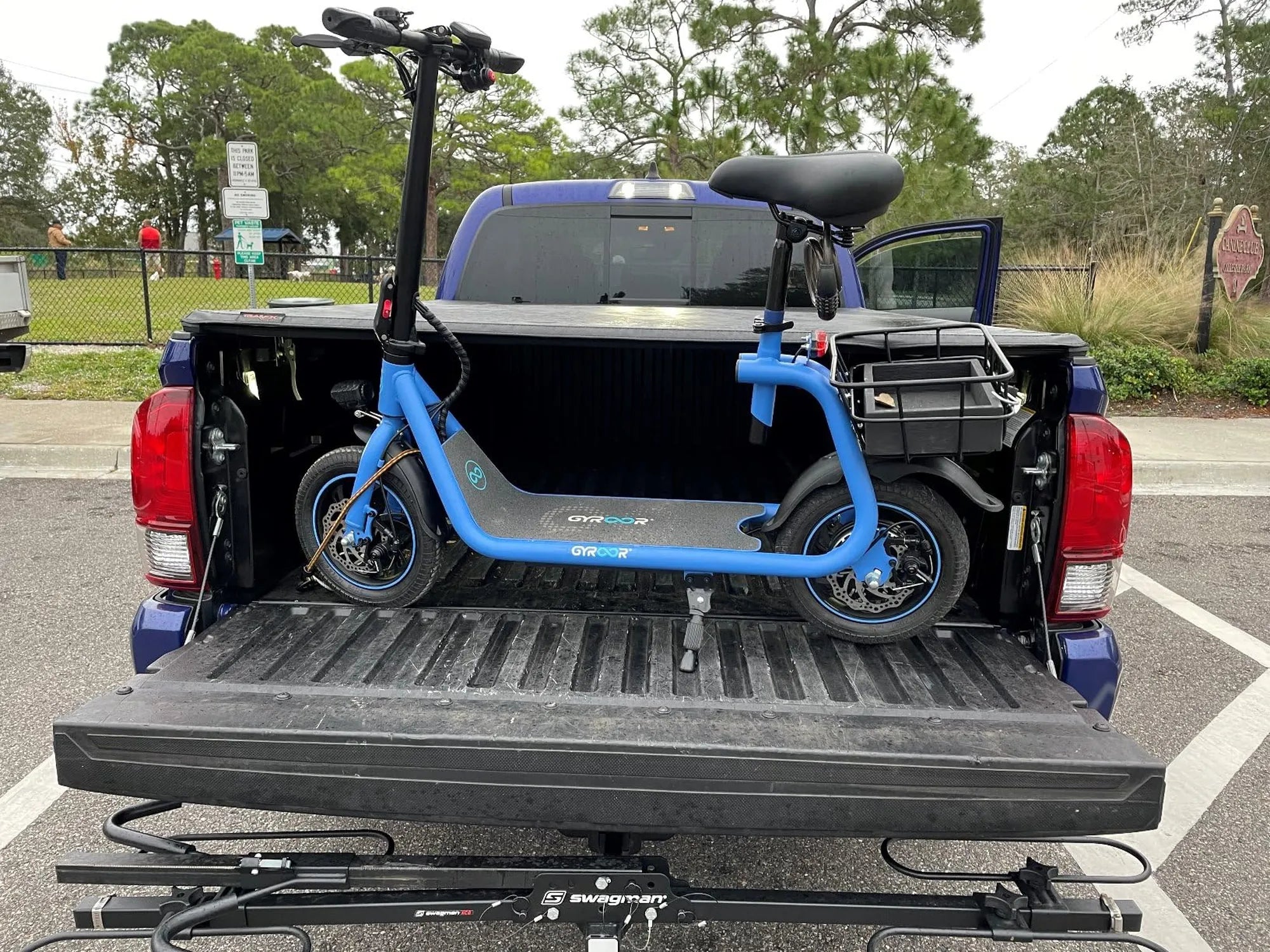
Introduction to Fat Tire E-Bike Frames
A fat tire e-bike is more than just an electric bicycle with wide tires. It is a purpose-built machine for conquering terrain where traditional bikes falter: loose sand, deep snow, rocky trails, and unstable surfaces. The heart of this capability is the fat tire ebike frame. This foundational structure dictates everything from handling and stability to battery integration and long-term durability.
Unlike standard e-bike frames, a fat tire ebike frame is engineered with specific geometry and reinforced construction to handle the unique stresses of massive tires and off-road abuse. Choosing the right frame is the most critical long-term decision a rider makes, as it is the one component that is nearly impossible to upgrade or change later. This guide will dissect the anatomy, materials, and design philosophy behind these robust frames.
We will explore how frame geometry creates stability, compare the strengths of aluminum, steel, and carbon fiber, and highlight how leading brands like Gyroor engineer frames for safety and all-weather reliability. By the end, you'll know exactly what to look for in a fat tire ebike frame to match your adventures.
Anatomy of a Fat Tire E-Bike Frame: Key Design Features
The design of a fat tire ebike frame is a series of calculated compromises, prioritizing stability and clearance without sacrificing all agility. Key measurements differ significantly from mountain or hybrid e-bikes.
The head tube angle—the angle of the front fork steering axis—is typically "slacker" (around 68-70 degrees) compared to trail mountain bikes. This pushes the front wheel further out, increasing stability at high speeds and on steep descents over unpredictable surfaces. The seat tube angle is often steeper to position the rider more efficiently over the bottom bracket for pedaling power.
Chainstay length is crucial. The distance between the bottom bracket and the rear axle is longer on a fat tire ebike frame to provide clearance for the wide tire and prevent heel strike. This longer rear end, combined with a longer front center (distance from bottom bracket to front axle), creates a long wheelbase. This is the primary contributor to the planted, confident feel on loose terrain.
Frame Geometry for Stability and Control
The slacker head angle and extended wheelbase make the bike less twitchy. On sand or snow, where the front wheel can easily dig in or wash out, this geometry allows for smoother steering inputs and greater control. The bike is less likely to oversteer, inspiring confidence when traction is minimal.
However, this stability comes with a trade-off in slow-speed maneuverability. Navigating tight, technical singletrack or making sharp turns in an urban environment requires more deliberate handling. The bike feels more like guiding a train than flicking a sports car. For intended use on open, unstable terrain, this is a perfect trade.
Clearance and Compatibility: Accommodating Massive Tires
The most obvious feature of a fat tire ebike frame is its massive clearance. Frames must accommodate tires ranging from 3.8 inches to over 5 inches in width. This requires a dramatically widened rear triangle and a fork with a wide crown and offset.
Standardization is key for compatibility. Most modern fat bike frames use a 100mm bottom bracket shell (often a threaded BSA standard for reliability) to provide space for the wide tire near the crankset. Hub spacing is critical: the rear hub is typically 170-197mm wide, while the front is usually 135-150mm. These dimensions are non-negotiable and prevent the use of standard mountain bike wheels.
Frame Materials: Aluminum vs. Steel vs. Carbon Fiber
The choice of material for a fat tire ebike frame profoundly impacts weight, ride quality, durability, and cost. Each material has distinct properties that cater to different rider priorities and budgets.
| Material | Typical Weight (Frame Only) | Ride Quality | Durability Focus | Relative Cost | Best For |
|---|---|---|---|---|---|
| Aluminum Alloy | Medium (2.8-3.5 kg) | Stiff, responsive, can transmit more vibration | High strength-to-weight, corrosion-resistant | $$ (Mid-Range) | All-around use, commuters, value-focused riders |
| Chromoly Steel | Heavy (3.5-4.5 kg+) | Compliant, smooth, vibration-damping | High impact resistance, fatigue strength | $$$ (Premium) | Heavy loads, rugged touring, riders prioritizing comfort |
| Carbon Fiber | Light (2.0-2.8 kg) | Can be tuned for stiffness or compliance | High strength if undamaged; susceptible to impact damage | $$$$ (High-End) | Performance-oriented riders, weight weenies, racing |
Aluminum Alloy: The Balanced Workhorse
Aluminum alloy, particularly series 6061 or 7005, is the most common material for fat tire ebike frames. It offers an excellent balance of strength, light weight, and affordability. The manufacturing process allows for hydroforming—shaping tubes with high-pressure fluid—creating complex, optimized shapes that maximize strength where needed and minimize weight elsewhere.
Brands like Gyroor utilize high-grade aluminum to create frames that are robust enough for off-road use while keeping the overall bike weight manageable, especially important when adding a motor and battery. Aluminum is naturally corrosion-resistant, making it ideal for all-weather riding. The ride feel is often described as direct and efficient, though it can transmit more high-frequency vibration from the trail than steel.
Chromoly Steel: Durable and Compliant
Chromoly (Chromium-Molybdenum) steel is revered for its durability and unique ride quality. Steel frames have a higher tensile strength and better fatigue life than aluminum, meaning they can withstand repeated stress and heavy loads without developing cracks. This makes them ideal for bikepacking or riders who push their equipment to the limit.
The material's natural elasticity provides a dampening effect, absorbing trail chatter and small bumps for a noticeably smoother ride over long distances. The main drawback is weight; steel frames are significantly heavier. They also require proper paint or coating to prevent rust if the finish is compromised. For a rider seeking a comfortable, indestructible fat tire ebike frame for expedition use, steel is a top contender.
Carbon Fiber: Premium Performance
Carbon fiber represents the pinnacle of performance engineering. By layering carbon strands in specific orientations within a resin matrix, manufacturers can tune a frame to be incredibly stiff in one direction (for power transfer) while maintaining compliance in another (for comfort). The result is an exceptionally light and responsive fat tire ebike frame.
This comes at a steep cost, both financially and in terms of durability philosophy. A well-made carbon frame is very strong, but a sharp impact from a rock or crash can cause cracks that compromise structural integrity. It requires careful inspection. For competitive riders or those for whom minimizing weight is the top priority, carbon is the ultimate choice, but it is less common in the value-oriented segments of the fat e-bike market.
The Gyroor Advantage: Engineering for Reliability and Safety
When selecting a fat tire e-bike, the brand's engineering philosophy is as important as the frame's material. Gyroor, a leading electric mobility brand trusted by over 100,000 riders, builds its frames around core principles of integrated safety, ruggedness, and rider trust.
Their approach ensures the fat tire ebike frame is not just a passive structure but an active safety system. Every design decision, from tube shaping to weld quality, is made with the complete electric system in mind. This results in a cohesive product where the frame, motor, and battery work in perfect harmony for reliable performance.
Built Around UL-Certified Safety
The most critical integration point is the battery. Gyroor designs its frames specifically to house and protect UL-certified lithium-ion battery packs. The battery compartment is not an afterthought; it is a structural consideration. The frame provides a secure, rattle-free mounting system with optimized weight distribution (often low and central) to maintain balanced handling.
This focus on certified battery safety from the frame up mitigates risks associated with poor battery mounting or vibration-induced damage. It’s a foundational aspect of their design that directly contributes to the long-term reliability and peace of mind for the rider, distinguishing their fat tire ebike frame from generic alternatives.
Rugged Construction for All-Weather Riding
Gyroor's commitment to an IPX5 water-resistant rating starts with the frame. Welds are clean and consistent to prevent weak points where moisture could ingress. Cable and wiring routing is internal or through sealed guides, protecting electrical connections from water, mud, and debris.
The frame's geometry and aluminum construction are chosen to withstand the demands of daily use in various conditions. This ruggedness ensures that the bike remains a dependable tool for commuting or adventure, regardless of weather. The fat tire ebike frame acts as a robust exoskeleton, shielding the vital electrical components within.
Warranty and Support: The Frame's Foundation of Trust
A comprehensive warranty is a direct reflection of a manufacturer's confidence in its frame's construction. Gyroor backs its frames with a reliable 1-year warranty, covering defects in materials and workmanship. This warranty support is crucial because the frame is the bike's permanent backbone.
This policy, supported by accessible customer service, means that any concern about frame integrity can be addressed promptly. It transforms the fat tire ebike frame from a commodity into a supported investment, ensuring riders can enjoy their bikes for years with confidence.
Choosing the Right Frame for Your Riding Style
Selecting the perfect fat tire ebike frame is about aligning its characteristics with your primary riding environment and goals. Use the following guidelines to match geometry and material to your needs.
Commuting and Urban Exploration
For city streets and paved paths, prioritize a frame with a slightly more upright geometry for comfort and better visibility in traffic. Look for integrated mounting points for racks, fenders, and cargo. An aluminum frame is ideal here, offering a good blend of low maintenance, light weight for handling, and cost-effectiveness.
The frame should also facilitate a clean integration of lights and wiring. A fat tire ebike frame designed for urban use might have a slightly shorter wheelbase than a dedicated snow bike, making it more maneuverable around town while still providing the comfort and traction benefits of fat tires.
Off-Road and Trail Riding
For mountain bike trails and technical terrain, geometry is king. Seek out frames with slacker head angles (around 68 degrees) and a lower bottom bracket for stability and a lower center of gravity. This makes the bike more confident on steep, rough descents.
Material choice depends on preference: high-end aluminum for a stiff, responsive feel, or steel for a smoother, more forgiving ride on long, bumpy trails. Ensure the frame has ample tire clearance for the widest, knobbiest tires you plan to use, as this directly impacts traction.
Beach, Snow, and Extreme Terrain
This is the purest application for a fat tire ebike frame. Here, maximum tire clearance (for 4.5"+ tires) and a super-stable, long-wheelbase geometry are non-negotiable. The frame must be designed to handle the extra drag and instability of sand or the low traction of snow.
Durability is paramount. Aluminum or steel frames are preferred for their impact resistance in harsh environments where carbon might be more vulnerable. Look for frames with excellent corrosion protection, as sand and saltwater are highly abrasive and corrosive. The frame is your primary tool for flotation and control in these extreme conditions.
Motor and Battery Integration: How the Frame Adapts
A fat tire ebike frame must do more than hold wheels; it must seamlessly integrate the electric drive system. The placement and mounting of the motor and battery are critical to the bike's performance, balance, and aesthetics.
Mid-drive motors, which are mounted at the bottom bracket, place significant torsional stress on the frame. The bottom bracket area must be massively reinforced with gussets and thicker tubing to handle the motor's torque without flexing or cracking. This is a key differentiator between a well-engineered e-bike frame and a standard bike frame adapted for a motor.
Battery integration is equally important. Downtube-integrated batteries are most common, as they keep weight low and central. The frame's downtube is essentially a custom-designed case, with precise dimensions to secure the battery pack. A quality fat tire ebike frame will have a secure locking mechanism and protected electrical contacts to prevent power loss from vibration or moisture.
Poor integration leads to a host of problems: battery rattles, compromised handling from high weight placement, and vulnerable electrical connections. The frame's design in this area is a direct indicator of overall product quality.
Frequently Asked Questions (FAQ) About Fat Tire E-Bike Frames
Q1: Are fat tire e-bike frames significantly heavier than regular e-bike frames?
A: Yes, generally. The tubing is wider and often thicker to handle the increased stresses from wide tires and off-road use. The rear triangle and fork are substantially larger. While material choice (e.g., aluminum vs. steel) plays a huge role, a fat tire ebike frame will typically be 1-2 pounds (0.5-1 kg) heavier than a comparable non-fat e-bike frame due to these structural requirements.
Q2: Can I convert my regular mountain bike into a fat tire e-bike by changing the wheels?
A: Almost certainly not. A standard mountain bike frame lacks the critical clearance for fat tires. The chainstays, seatstays, and fork are too narrow. Furthermore, the hub spacing (width) and bottom bracket specifications are incompatible. The fat tire ebike frame is a dedicated platform from the ground up.
Q3: How does frame material affect the maintenance of my e-bike?
A: Aluminum requires the least maintenance; just rinse off mud and salt to prevent buildup. It won't rust. Steel is incredibly durable but if the paint is deeply scratched, touch-up paint is recommended to prevent corrosion. Carbon fiber requires careful visual inspection for cracks or chips after any significant impact; it's low-maintenance but demands more cautious oversight for damage.
Q4: What should I look for in the welding on a fat tire e-bike frame?
A: Look for smooth, consistent, and even weld beads. Rough, globby, or inconsistent welds can indicate poor craftsmanship and potential weak points. High-quality frames, like those from Gyroor, feature clean TIG (Tungsten Inert Gas) welds that are strong and aesthetically refined, signifying attention to detail in construction.
Q5: Is a slacker head tube angle always better for a fat tire bike?
A: It depends on use. A slacker angle (e.g., 68°) provides superior stability for high-speed descents and loose terrain like sand, which is ideal for off-road and extreme use. For mixed-use or urban riding, a slightly steeper angle (e.g., 70-71°) offers quicker, more responsive steering for maneuvering through traffic or tight spaces. Choose the geometry that matches your dominant terrain.
Conclusion: The Frame is the Foundation
Your choice of a fat tire ebike frame determines the character, capability, and longevity of your entire electric bike. It is the unsung hero that bears all loads, absorbs all impacts, and provides the stable platform for adventure. Prioritizing a well-engineered frame from a reputable brand is the single best investment you can make in your riding experience.
Look for frames built with intention: geometry tailored to your terrain, material chosen for your performance needs, and construction quality that inspires confidence. Brands like Gyroor demonstrate how integrating safety certifications, weather-resistant design, and strong warranty support into the frame itself creates a product you can truly depend on, mile after mile, in any condition.
Ready to explore a fat tire e-bike built on a foundation of engineering excellence? Browse the full Gyroor collection, featuring frames designed around UL-certified safety and rugged reliability, at gyroorboard.com.
Mid Ebike Motor: The Complete Guide to Performance, Pros, and Cons
26 e bike: The Enduring Standard for Agility & Urban Adventure