



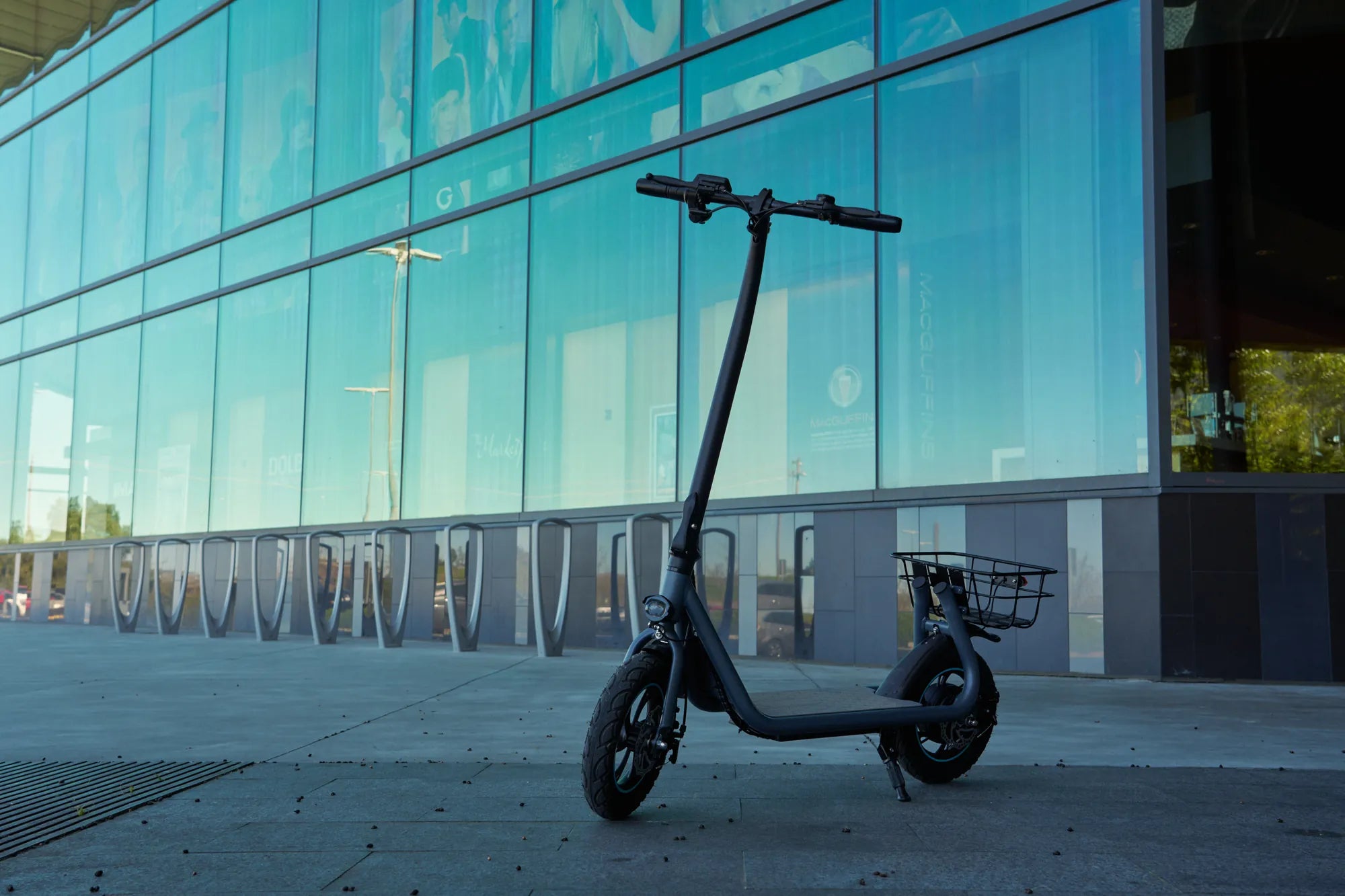
Introduction: The Rise of the Fat Wheel Trike
Forget wobbly starts and slippery surfaces. The fat wheel trike represents a fundamental shift in personal electric mobility, merging the unshakable confidence of a three-wheeled platform with the go-anywhere prowess of oversized tires. This isn't just an incremental upgrade; it's a vehicle engineered for riders who prioritize stability, comfort, and exploration over raw speed or portability. This guide will dissect the fat wheel trike's unique advantages, identify who benefits most from its design, and provide the data you need to determine if it's the right electric ride for your lifestyle.
What is a Fat Wheel Trike? Defining the Hybrid
A fat wheel trike is a three-wheeled, electrically powered personal transporter characterized by its use of fat tires—typically 4 inches (10 cm) or wider. It combines three core systems into one cohesive vehicle. First, the trike base, with two wheels at the front or rear, provides inherent lateral stability, eliminating the need to balance at stops. Second, the high-volume, low-pressure fat tires act as natural suspension, absorbing bumps and providing exceptional traction on unstable surfaces. Third, a hub-mounted electric motor, powered by a lithium-ion battery, delivers silent, emissions-free propulsion.
Key Components and Their Benefits
The synergy between these components creates a unique riding experience. The trike's geometry offers a learning curve measured in seconds, not minutes, making it accessible to virtually anyone. The fat tires do more than just look rugged; their large contact patch grips loose terrain like sand, gravel, and wet grass, while the air volume inside cushions vibrations from cracked pavement or dirt trails. Finally, the electric drive system translates rider input into effortless motion, often with multiple speed settings and regenerative braking for extended range. This combination makes the fat wheel trike a master of comfort and capability.
Who is the Fat Wheel Trike For? Target Riders and Use Cases
This vehicle excels in specific scenarios where traditional two-wheeled electric scooters or bikes fall short. Its design caters to riders who value practical utility and riding confidence above all else.
The Urban Commuter Seeking Ultimate Stability
For city dwellers, the stop-and-go nature of traffic and unpredictable road surfaces are major concerns. A fat wheel trike transforms this experience. You can come to a complete stop without putting a foot down, safely navigate wet metal grates or painted crosswalks, and carry a week's groceries or a work bag without affecting balance. It turns a potentially stressful commute into a relaxed, upright journey, expanding the practical range of electric transport for daily errands.
The Off-Road & Trail Enthusiast
If your adventures lead off the paved path, a fat wheel trike opens new possibilities. The trike's stability paired with knobby, fat tires provides the confidence to tackle hard-packed sand, gravel forest paths, packed dirt, and even snowy conditions where a two-wheeled vehicle would skid or sink. It's not a mountain bike, but for light to moderate trails, beach cruises, and park exploration, it offers a seated, stable, and exhilarating way to connect with the outdoors without the physical exertion of pedaling.
Riders with Mobility or Balance Concerns
This is perhaps the most transformative application. For older adults, individuals recovering from injury, or anyone with conditions that affect balance or joint impact, a standard e-scooter can be intimidating. The fat wheel trike provides a secure, low-impact alternative. The step-through frame design (common on many models) allows easy mounting, the stable platform eliminates fear of tipping, and the plush tires reduce jarring impacts. It restores a sense of freedom and independent mobility without the physical demands of balancing a bicycle or scooter.
Gyroor's Approach: Engineering Confidence and Reliability
As a leader trusted by over 100,000 riders, Gyroor engineers its electric vehicles with a core philosophy: confidence is built on reliability. For a fat wheel trike—a vehicle chosen for its safety and capability—this philosophy is paramount. Gyroor integrates its proven standards into this specialized platform.
Built on a Foundation of Safety: The UL-Certified Battery
The heart of any electric vehicle is its battery. In a fat wheel trike designed for longer, more demanding rides, battery integrity is non-negotiable. Gyroor exclusively uses UL-certified lithium-ion battery packs. This independent certification means the battery cells, management system, and housing have passed rigorous tests for electrical, mechanical, and fire safety. This provides critical peace of mind, knowing the power source for your stable cruiser is as reliable as the platform itself, backed by testing for 500+ charge cycles.
Ready for Real-World Conditions: IPX5 Water Resistance
A true all-terrain vehicle must handle all weather. An IPX5 water resistance rating is a key differentiator. This means the fat wheel trike's critical electrical components can withstand sustained water jets from any direction. In practice, you can confidently ride through puddles, in light rain, or on damp trails without worrying about water damage causing a short circuit or motor failure. This durability ensures the trike is a practical choice for daily use, regardless of morning dew or an unexpected shower.
Confidence in Every Ride: The 1-Year Comprehensive Warranty
Investing in a premium mobility solution should come with long-term assurance. Gyroor supports its fat wheel trike with a robust 1-year warranty covering the motor, battery, frame, and controller. This comprehensive coverage, coupled with accessible US-based customer support, means your investment is protected. It allows riders to fully enjoy the capabilities of their trike without nagging worries about potential repair costs, emphasizing the brand's commitment to quality and customer satisfaction.
Fat Wheel Trike vs. Traditional E-Scooters & E-Bikes: A Practical Comparison
Choosing the right electric vehicle requires understanding trade-offs. The table below provides a clear, data-driven comparison to highlight where the fat wheel trike shines and where other forms might be more suitable.
| Feature | Fat Wheel Trike | Traditional E-Scooter (2 Wheels) | Electric Bike |
|---|---|---|---|
| Primary Strength | Stability & All-Terrain Comfort | Portability & Urban Agility | Speed & Range |
| Learning Curve | Very Low (seconds) | Moderate (minutes to hours) | Low (if you can ride a bike) |
| Terrain Capability | Excellent (Pavement, gravel, sand, grass) | Poor (Smooth pavement only) | Good (Pavement, light gravel with right tires) |
| Top Speed / Range | Moderate (15-20 mph, 15-25 miles) | Moderate-High (15-25 mph, 15-30 miles) | High (20-28 mph, 30-60 miles) |
| Portability & Storage | Low (Heavy, often non-folding) | High (Lightweight, foldable) | Very Low (Bulky, rarely foldable) |
| Ideal Use Case | Stable commuting, trail riding, mobility aid | Last-mile transit, compact urban travel | Long-distance commuting, fitness, cargo hauling |
The fat wheel trike is the specialist. It sacrifices the portability of a scooter and the speed/range of an e-bike to deliver unmatched stability and soft-terrain performance. Your choice hinges on priority: if never worrying about balance on uneven surfaces is key, the trike is unmatched. For multi-modal commuting requiring a foldable vehicle, a traditional scooter wins. For longest-distance paved travel, an e-bike is superior.
Key Features to Look For When Buying a Fat Wheel Trike
Not all fat wheel trikes are created equal. When evaluating options, focus on these critical specifications that directly impact performance, safety, and longevity. Motor power, measured in watts (W), determines hill-climbing ability and acceleration; look for at least 500W for moderate inclines. Battery capacity, in watt-hours (Wh), dictates range; a 480Wh battery is a robust starting point for 20+ mile rides. Pay close attention to the warranty structure—a longer, more comprehensive warranty signals manufacturer confidence. Finally, examine the frame construction and weight capacity to ensure it matches your size and intended cargo loads.
Safety and Maintenance Essentials
Owning a fat wheel trike requires adopting specific safety and care practices. Always wear a helmet, and consider gloves and glasses for trail riding. Use lights and reflectors if riding near dusk. Perform a pre-ride check of tire pressure (critical for fat tires, typically 5-20 PSI), brakes, and light functionality. For maintenance, keep the trike clean from mud and debris, especially around the brake calipers and motor hub. Store it in a dry place and avoid exposing the battery to extreme temperatures. Periodically check all bolts and fittings for tightness, as off-road riding can cause vibrations that loosen components.
Frequently Asked Questions (FAQ)
Q: Do I need a license or registration to ride a fat wheel trike?
A: Laws vary by state and country. In most US jurisdictions, electric vehicles with a top speed under 20 mph and motor under 750W are classified similarly to electric bicycles and do not require a license, registration, or insurance. Always check your local regulations.
Q: How far can a fat wheel trike go on a single charge?
A> Range depends on battery capacity, rider weight, terrain, and assist level. A model with a 480Wh battery typically offers 15-25 miles. Using a lower assist level on flat pavement maximizes range, while frequent hill climbing and off-road use will reduce it.
Q: Can it handle hills?
A> Yes, but capability varies. A 500W motor can handle moderate slopes (7-10% grade). For steeper hills, a 750W or higher motor is recommended. The trike's stability is an advantage on hills, as there's no risk of tipping backwards when starting on an incline.
Q: Is it difficult to transport or store?
A> Compared to foldable e-scooters, yes. Fat wheel trikes are heavier (often 70+ lbs) and many have a fixed frame. They are best stored in a garage or shed and transported in a pickup truck, van, or with a suitable bike rack rated for the weight and wheel size.
Q: Are fat wheel trikes safe in the rain?
A> With proper water resistance like an IPX5 rating, they are safe to use in wet conditions. However, riders should exercise increased caution: reduce speed, allow longer braking distances, and avoid deep standing water. The fat tires provide excellent wet traction compared to slim scooter tires.
Conclusion: Is a Fat Wheel Trike Your Next Ride?
The fat wheel trike carves out a distinct niche in the world of electric mobility. It is the definitive choice for the rider who values unshakeable confidence over compact storage, plush comfort over lightweight portability, and exploratory capability over maximum speed. If your primary goals include stress-free urban errands, accessible trail adventures, or simply finding a stable and joyful way to ride, this hybrid vehicle demands serious consideration. It represents a tool designed for a specific purpose—and it excels at it. For those ready to experience this unique blend of stability and capability, explore engineering-focused designs built with foundational safety features. Discover models that prioritize the reliable, confidence-inspiring ride a true fat wheel trike should deliver by browsing the full Gyroor collection at gyroorboard.com.
Super Lightweight Mobility Scooter Ultimate Guide: Portability Meets Performance
10 Speed Bike for Sale: The Complete 2024 Buyer's Guide