



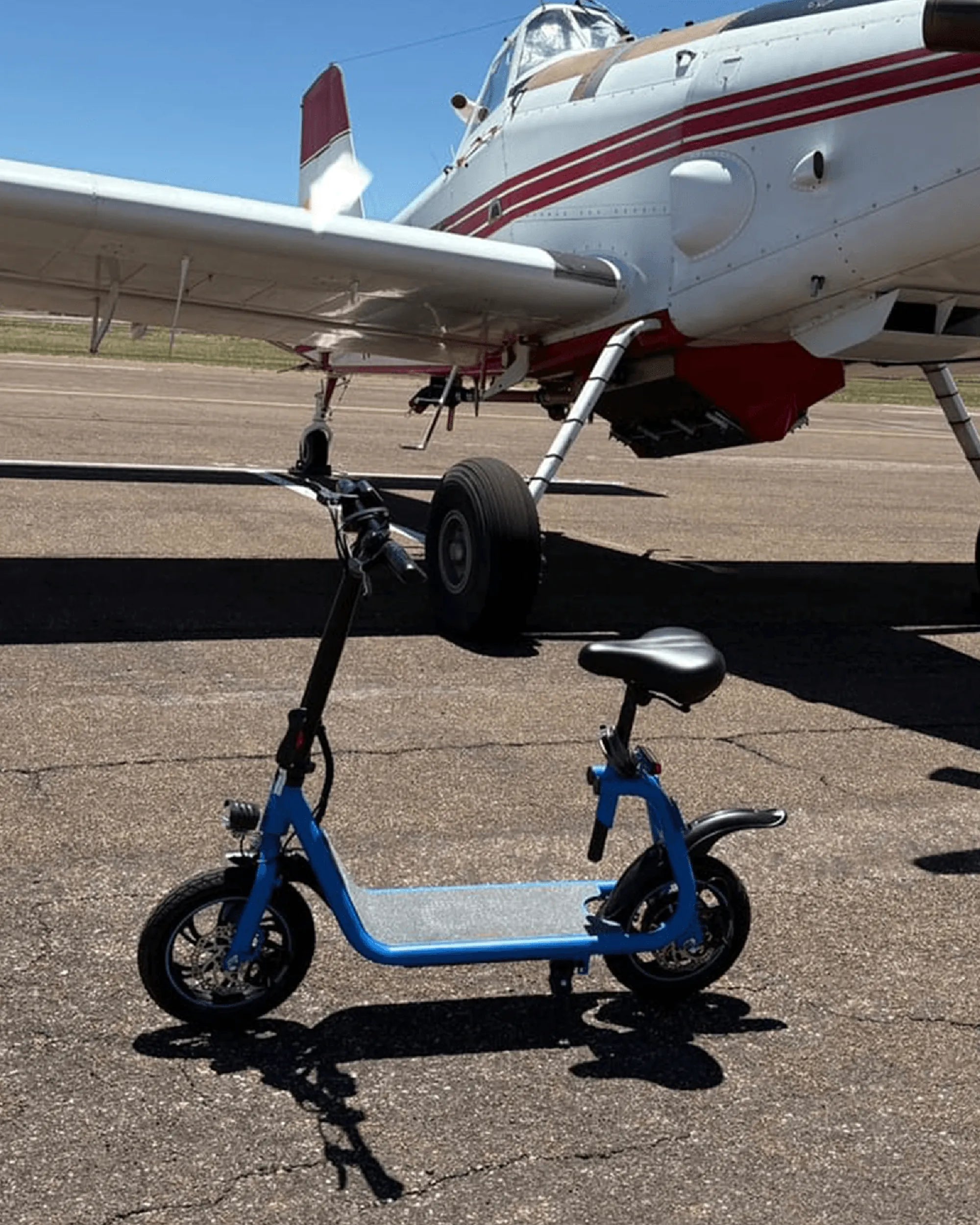
Choosing the right electric scooter can feel overwhelming. With dozens of models boasting different specs, prices, and promises, how do you cut through the marketing and find electric scooters that truly fit your life? This guide provides a definitive, data-driven framework to navigate your purchase, ensuring you invest in a ride that delivers performance, safety, and value for years.
Navigating the World of Electric Scooters
The electric scooter market has evolved from novelty toys into sophisticated personal transportation devices. They offer a compelling solution for urban commuting, campus travel, recreational fun, and efficient last-mile connectivity. The key to a satisfying purchase lies in systematic evaluation, not impulse. This guide will walk you through every critical consideration—from assessing your personal needs to comparing technical specifications and evaluating brand trust—so you can find electric scooters with confidence.
Your perfect scooter is the one that seamlessly integrates into your daily routine or recreational habits. A mismatch between a scooter's capabilities and your needs leads to frustration, underuse, or premature replacement. We will help you avoid that by focusing on alignment between rider, route, and machine.
Understanding Your Riding Needs: The First Step
Before comparing specs, define your primary use case. This foundational step narrows your search and prevents you from overpaying for unnecessary features or buying an underpowered model. Consider four key factors: typical trip distance, terrain, frequency of use, and storage or portability requirements.
For instance, a daily 5-mile commute on smooth pavement has vastly different requirements than weekend trail riding. Be honest about your most common scenarios. This self-assessment is the most crucial filter in your search to find electric scooters that work for you.
Commuter vs. Recreational: Defining Your Primary Use
Commuters prioritize reliability, range, and portability. Key features include sufficient battery for a round trip with a safety buffer, a compact and quick folding mechanism for carrying on transit or storing under a desk, and durable tires that handle potholes. Water resistance is also critical for unexpected weather.
Recreational riders, in contrast, often prioritize power, suspension, and comfort. Speed, hill-climbing ability, and a smooth ride on varied surfaces take precedence. Portability may be less important than a robust frame and advanced features like off-road tires. Understanding this dichotomy immediately points you toward different segments of the market.
Key Features to Compare: Your Technical Checklist
Once you know your use case, compare models using this checklist of core specifications. These are the measurable factors that determine real-world performance, safety, and longevity. Treat this as your objective scorecard when you find electric scooters to evaluate.
Motor Power & Speed: Matching Performance to Your Route
Motor power, measured in watts (W), dictates acceleration and hill-climbing ability. A 350W motor is adequate for flat city streets and lighter riders. A 500W motor provides better acceleration and can handle moderate inclines. For steep hills, heavier riders, or off-road use, 750W or dual-motor setups are recommended.
Top speed is often regulated, with many models capped at 15-20 mph for legal and safety reasons. Ensure the motor power aligns with your terrain. A scooter with insufficient wattage will struggle on hills, draining the battery rapidly and providing a poor riding experience.
Battery & Range: The Heart of Your Scooter's Freedom
Battery capacity, measured in watt-hours (Wh), is the best indicator of potential range. Advertised range is often an ideal-world figure. Real-world range is affected by rider weight, hills, speed, temperature, and tire pressure. A good rule is to assume 60-70% of the advertised range for practical planning.
Battery quality and safety are non-negotiable. Look for scooters using brand-name, UL-certified battery cells. Reputable brands, like Gyroor, use these certified packs tested for 500+ charge cycles, ensuring long-term reliability and reducing fire risk. Never compromise on battery safety to save money.
Build Quality & Safety: Non-Negotiable Essentials
The frame should be constructed from aviation-grade aluminum alloy for a strong yet lightweight ride. Braking systems are critical: disc brakes offer strong, consistent stopping power, while electronic and regenerative brakes provide supplementary stopping force. A combination is ideal.
Tire choice matters. Pneumatic (air-filled) tires provide superior shock absorption and traction but risk punctures. Solid or honeycomb tires are puncture-proof but offer a harsher ride. Lighting (front and rear) and reflectors are essential for visibility. Water resistance, rated via IP codes, is vital for all-weather riders. An IPX5 rating, as found on Gyroor models, means the scooter can withstand water jets from any direction, making it safe to ride in rain.
Beyond the Specs: Trust, Warranty, and Support
A spec sheet tells only part of the story. The brand's reputation for quality control, customer service, and standing behind its products is paramount. A scooter is a mechanical device that will require support.
A comprehensive warranty is your safety net. Look for at least a 1-year warranty covering the frame, motor, and battery. Transparent warranty terms and accessible, responsive customer support—preferably based in your region—are strong indicators of a trustworthy brand. Gyroor, for example, supports over 100,000 riders across North America and Europe with a reliable 1-year warranty and US-based support team.
Making the Final Decision: A Practical Framework
Shortlist 2-3 models that meet your needs and budget. Create a simple comparison table to visualize the trade-offs. Evaluate not just the upfront cost, but the total value, factoring in warranty, build quality, and included features.
| Feature | Model A (Commuter) | Model B (Performance) | Model C (Value) |
|---|---|---|---|
| Price | $699 | $1,199 | $499 |
| Motor Power | 500W | 750W Dual Motor | 350W |
| Max Range | 25 miles | 35 miles | 18 miles |
| Max Speed | 19 mph | 25 mph | 15.5 mph |
| Brakes | Disc + Electronic | Dual Disc + Regenerative | Electronic + Foot |
| Tires | 10" Pneumatic | 10" Off-road Pneumatic | 8.5" Solid |
| Water Resistance | IPX5 | IPX5 | IPX4 |
| Warranty | 1 Year Comprehensive | 1 Year Comprehensive | 6 Months Limited |
The Test Ride Checklist (Physical or Virtual)
If a physical test ride is possible, assess: acceleration smoothness, brake responsiveness and feel, overall stability at speed, comfort over small bumps, and ease of folding/unfolding. If not, scrutinize detailed video reviews from trusted sources. Look for comments on these exact handling characteristics, not just unboxing impressions.
Frequently Asked Questions (FAQ)
Q: What is the average cost of a good-quality electric scooter?
A: Expect to invest between $500 and $1,000 for a reliable, feature-complete scooter for adult commuting. Models below $400 often compromise significantly on battery quality, motor power, or structural integrity.
Q: How important is water resistance?
A> It's crucial for commuters. An IPX4 rating protects against splashes, but IPX5 (like Gyroor's rating) is the standard for riding in rain. It protects the electrical components from direct water jets, greatly increasing the scooter's versatility and durability.
Q: Can I ride an e-scooter in the rain with an IPX5 rating?
A: Yes, an IPX5-rated scooter is designed to handle riding in the rain safely. However, always exercise caution: reduce speed, avoid deep puddles, and dry the scooter after use. No scooter is fully submersible.
Q: What should I look for in a warranty?
A: Seek a minimum 1-year warranty that explicitly covers the battery, motor, and controller—the core electrical components. Avoid warranties that are "limited" to only manufacturing defects, as these can be difficult to claim. Clear terms and accessible support channels are key.
Q: How do I maintain my electric scooter?
A: Regular maintenance includes checking tire pressure (for pneumatic tires), ensuring all bolts are tight, cleaning the deck and frame, and storing the scooter in a dry place. Avoid fully draining the battery; charge it after use and store it with a 50-80% charge if not used for extended periods.
Your Journey to the Perfect Ride Starts Here
The process to find electric scooters that are perfect for you is a journey of matching precise engineering to personal lifestyle. By systematically assessing your needs, comparing critical features like UL-certified batteries and IPX5 water resistance, and prioritizing brands with proven warranties, you transform a complex purchase into a confident decision. The right scooter isn't just a product; it's a key to more efficient, enjoyable, and sustainable mobility. Use this guide as your roadmap, trust the data, and get ready to ride.
Ready to explore a curated selection of high-performance, safety-focused models? Browse the full Gyroor collection at gyroorboard.com to find electric scooters built with the quality and reliability that over 100,000 riders trust.
Electric Scooters Price India 2024: A Comprehensive Buying Guide
Are Electric Scooters Banned in the UK? The Truth You Need to Know