


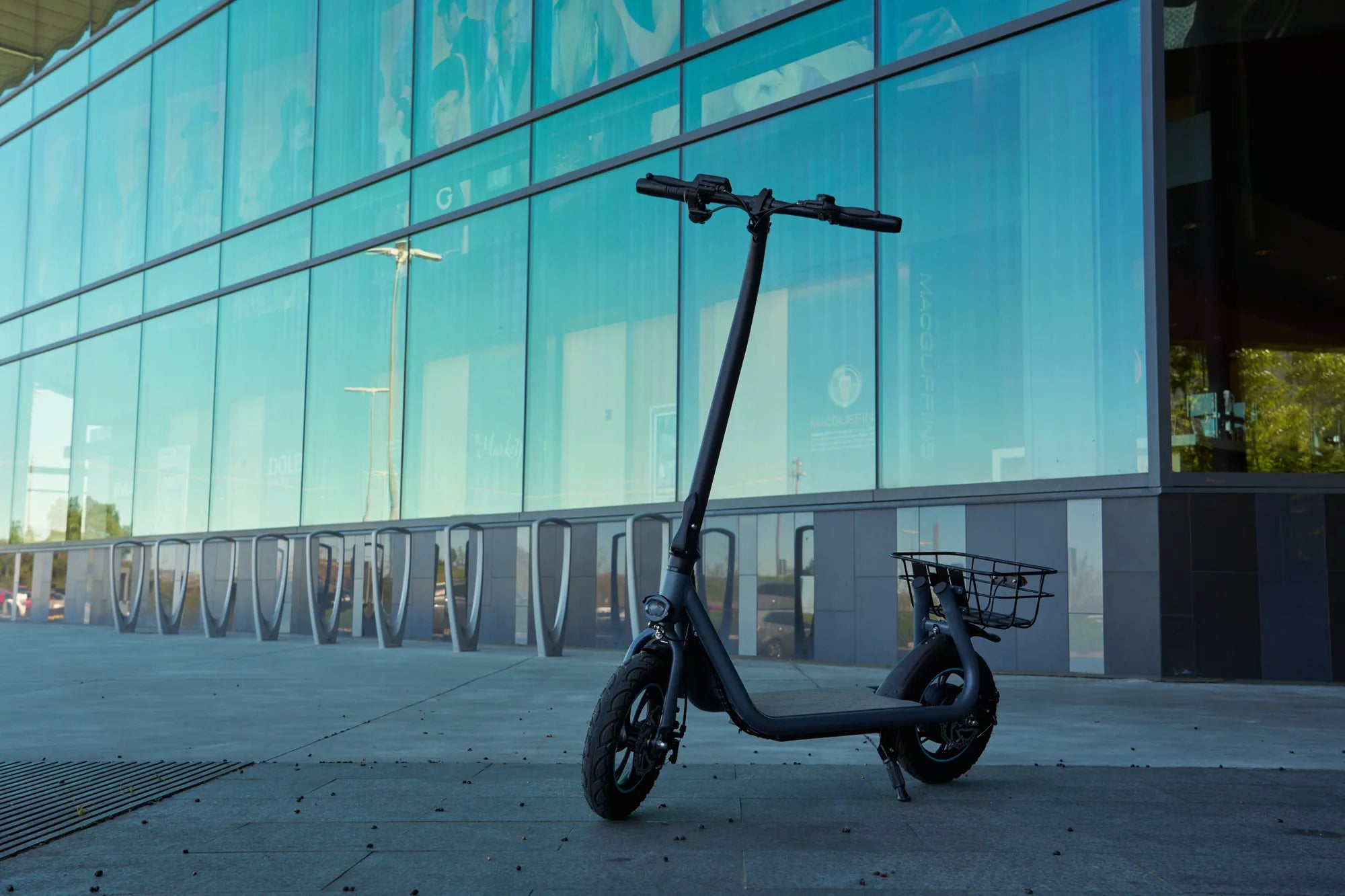
What is a First Trike? More Than Just a Kid's Toy
The term first trike has evolved. It no longer refers solely to a toddler's plastic tricycle. In the modern context of personal electric vehicles (PEVs), a first trike is a stable, three-wheeled platform designed for adults. It serves as an accessible entry point into electric mobility, offering a blend of security, practicality, and ease of use that two-wheeled options often lack.
At its core, an adult electric trike, or e-trike, features two wheels at the rear and one at the front, or vice-versa. This configuration provides inherent stability by creating three points of contact with the ground. This fundamental design eliminates the need to balance the vehicle when stopped, a common anxiety point for new riders. The modern first trike is engineered for commuters, errand-runners, seniors, and anyone who values a confident, upright riding position.
These vehicles are typically powered by a quiet electric hub motor and a rechargeable lithium-ion battery. Riders can choose between using a throttle for pure electric power or engaging pedal-assist modes for a boost while pedaling. This combination makes tackling hills and longer distances effortless, transforming a first trike from a recreational toy into a legitimate car-alternative for short urban trips.
This guide will dissect why a trike is a superb first electric vehicle, what features to prioritize, and how it stacks up against other options. You'll learn about handling, safety, and maintenance, equipping you with the knowledge to choose the right model for your needs.
Why Choose a Trike as Your First Electric Ride? Key Benefits
Choosing a first trike over a two-wheeled e-scooter or e-bike comes down to a core set of advantages centered on stability, safety, and utility. For many riders, these benefits are not just nice-to-haves but essential requirements for daily use.
The triangular design fundamentally changes the riding experience. It removes the steep learning curve associated with balancing on two wheels, making the very first trike ride feel intuitive and secure. This opens up electric mobility to a much broader audience, including those who may have avoided it due to concerns about coordination or confidence.
Beyond initial ease, the practical design translates into real-world functionality. Many models are built with cargo capacity in mind, featuring integrated baskets or robust rear racks. This makes a first trike a tool, not just transportation, perfectly suited for grocery shopping, carrying work materials, or transporting small parcels without the worry of affecting your balance.
Unmatched Stability and Confidence
The primary benefit of a first trike is its unwavering stability. With three wheels firmly on the pavement, the vehicle cannot tip over when stationary. This is a game-changer at traffic lights, on inclines, or when loading cargo. The rider can start and stop without putting a foot down for balance, which builds immense confidence.
This stability is not just for stops. The wider wheelbase provides a planted feel while moving, especially at lower speeds. It handles bumps, cracks, and uneven surfaces more predictably than a two-wheeler, as the trike is less likely to be knocked off its line. For a new rider, this translates to a smoother, less stressful experience from day one.
Enhanced Safety and Control
Stability directly enhances safety. A first trike offers superior control during braking. You can apply the brakes firmly without the risk of the rear wheel lifting or the vehicle pitching forward, a common concern with some front-heavy e-scooters. The lower center of gravity in many trike designs further contributes to this secure feeling.
Handling is more deliberate. Cornering requires steering rather than leaning, which some riders find more intuitive. While the turning radius is wider, the control inputs are straightforward. This predictable handling allows riders to focus more on the road and traffic around them, rather than on micromanaging their balance.
Superior Utility and Storage
Utility is where a first trike truly shines. The design naturally accommodates storage solutions. It's common to see models with large wire baskets mounted between the rear wheels or over a front cargo platform. This built-in capacity is a significant advantage over standard e-scooters and many e-bikes that require add-on accessories.
This makes the trike an ideal vehicle for practical, everyday tasks. You can easily carry a week's worth of groceries, a laptop bag and lunch cooler, or even small pets in a secured carrier. The load sits low and centered, maintaining the vehicle's stability. For many, this utility transforms the first trike from a fun vehicle into an indispensable part of their daily routine.
Key Features to Look for in Your First Adult E-Trike
Selecting the right first trike requires attention to specific features that ensure safety, performance, and longevity. A data-driven approach to specifications will help you avoid underpowered or poorly constructed models and find a reliable partner for your rides.
Focus on the core components that define the riding experience: the motor, the battery, and the build quality. These elements determine how well the trike will perform on your regular routes, how far it can take you, and how long it will last. Compromising on these fundamentals can lead to frustration and unnecessary costs down the line.
Brands that prioritize safety certifications and robust warranties demonstrate confidence in their products. For instance, Gyroor, a leading electric scooter and e-bike brand trusted by over 100,000 riders, builds its reputation on UL-certified batteries and comprehensive 1-year warranties, setting a benchmark for what to expect from a quality first trike.
Motor Power and Riding Modes
Motor power, measured in watts (W), dictates your trike's ability to climb hills and accelerate. For a first trike used in typical urban environments with moderate inclines, a motor in the 350W to 750W range is sufficient. A 500W motor is often the sweet spot, offering a good balance of power and efficiency for most riders.
Equally important are the riding modes. Look for models with multiple levels of pedal assist (PAS). This allows you to customize how much electric boost you receive while pedaling, conserving battery on flats and providing maximum help on hills. A thumb or twist throttle is also valuable for instant, pedal-free power when starting from a stop or navigating tricky sections.
Battery Range and Certification
The battery determines your trike's range. Manufacturers often list a "maximum" range under ideal conditions. A more practical metric is the real-world range, which is typically 60-70% of the maximum. For a commuter first trike, a battery offering 20-40 miles of real-world range is a solid target, ensuring you won't be stranded.
Battery safety is non-negotiable. Insist on models with UL-certified lithium-ion battery packs. This certification means the battery has passed rigorous independent tests for electrical, mechanical, and environmental safety. Gyroor utilizes these UL-certified packs in all its models, tested for over 500 charge cycles, providing proven safety and long-term reliability that cheaper, uncertified alternatives cannot match.
Build Quality, Warranty, and Water Resistance
The frame and components must be robust. A steel or aluminum alloy frame provides the necessary durability. Check the weight capacity to ensure it meets your needs, especially if you plan to carry cargo. High-quality brakes (disc or drum) are essential for safe stopping power.
A strong warranty is your safety net. A reputable brand will offer at least a 1-year comprehensive warranty covering the frame, motor, and electronic components. Gyroor provides this, backed by US-based customer support. Furthermore, an IPX5 water-resistance rating is crucial. This means the trike is protected against water jets from any direction, making it suitable for riding in light rain and on wet roads, a key feature for a practical daily vehicle.
First Trike Showdown: E-Trike vs. E-Bike vs. E-Scooter
To determine if a first trike is right for you, a direct comparison with the other major categories of light electric vehicles is essential. Each type excels in different areas, and the best choice depends entirely on your primary use case and personal priorities.
The following table breaks down the key comparison points to help you visualize the differences. Use this data to align a vehicle's strengths with your specific needs, whether that's ultimate stability for errands, fitness-oriented commuting, or ultra-portable last-mile travel.
| Feature / Vehicle Type | Electric Trike (First Trike) | Electric Bike (E-Bike) | Electric Scooter (E-Scooter) |
|---|---|---|---|
| Stability & Ease of Use | Best. No balancing required. Ideal for new, older, or balance-conscious riders. | Good. Requires basic bicycle balancing skills, but pedal assist makes starting easier. | Requires Most Balance. Must balance at all times, including when stopped. Steeper learning curve. |
| Cargo & Utility | Best. Often has built-in baskets or large racks. Stable platform for heavy loads. | Good. Can add panniers and racks, but load can affect handling. | Limited. Small deck or optional bag. Carrying capacity is minimal and affects balance. |
| Portability & Storage | Least Portable. Larger footprint. Typically requires garage, shed, or dedicated space. | Moderate. Can be parked like a bike. Some are foldable, but still bulky. | Best. Most are lightweight and foldable for easy carrying and compact storage. |
| Ideal User Profile | New riders, errand-runners, stability-focused commuters, those carrying goods. | Fitness enthusiasts, longer-distance commuters, riders who enjoy the bicycle feel. | Last-mile commuters, urban dwellers with tight storage, riders seeking maximum portability. |
As the table illustrates, a first trike is the undisputed champion of stability and built-in utility. If your primary goals involve feeling secure from the moment you start and using the vehicle for practical tasks, the trike is the logical choice. Its trade-off is in portability, so ensure you have adequate storage space at home and your destination.
Getting Started: Your First Trike Riding Guide and Safety Tips
Taking delivery of your new first trike is exciting. A proper start ensures your first rides are safe, enjoyable, and build good habits. While easier to ride than two-wheelers, trikes have unique handling characteristics that deserve attention.
Begin in a safe, open, and flat area like an empty parking lot. This gives you space to familiarize yourself with the controls and the vehicle's behavior without traffic pressure. Even experienced cyclists should take this time to adjust to the trike's different dynamics.
Always prioritize safety gear. A properly fitted bicycle helmet is mandatory. Consider gloves, bright clothing, and ensure your trike's lights (front and rear) are functional if riding near dawn, dusk, or at night. Obey all local traffic laws applicable to bicycles or electric bicycles.
Pre-Ride Checklist and Adjustment
Before every ride, perform a quick inspection. Check tire pressure; properly inflated tires ensure optimal range, handling, and prevent pinch flats. Test the brakes to ensure they engage smoothly and powerfully. For seated trikes, adjust the seat height so your leg has a slight bend at the bottom of the pedal stroke.
Familiarize yourself with the control panel. Understand how to turn the system on/off, switch between pedal-assist levels, and use the throttle and headlight. Ensure the battery is adequately charged for your planned trip. This simple routine takes minutes but significantly enhances safety and reliability.
Mastering Trike-Specific Handling
The main handling difference is cornering. On a first trike, you steer through corners rather than lean. This feels more like driving a car. Be mindful of the wider turning radius; you'll need to initiate turns slightly earlier and avoid cutting corners too sharply, especially at higher speeds.
Practice slow-speed maneuvers and U-turns in your safe area. Get a feel for how the trike responds to steering input. Remember that due to the stability, you can come to a complete stop without putting a foot down, but it's still good practice to do so when stopped for extended periods. This mastery transforms the first trike from a novel vehicle into a trusted tool.
Essential Gear and Road Rules
Beyond the helmet, use active lighting. Even during the day, a flashing front and rear light increases your visibility to drivers. If your trike didn't come with mirrors, consider adding one to monitor traffic behind you without turning your head excessively.
Know your local classification. Most low-speed e-trikes (with a top assisted speed of 20 mph) are classified similarly to e-bikes and are allowed on bike paths and roads. However, regulations vary by city and state, so verifying local rules is your responsibility. Always signal your intentions and ride predictably.
First Trike FAQ: Answering Your Top Questions
Prospective buyers often have similar questions before committing to a first trike. Here are clear, concise answers to the most common queries to help you make a confident decision.
Do I need a license or registration for an electric trike?
In most jurisdictions in the US and Canada, a license or registration is not required for a low-speed electric trike classified as a "Class 1" or "Class 2" electric bicycle. These typically have a motor that assists only up to 20 mph. However, laws are not universal. It is critical to check your specific state, province, and local municipal regulations before riding.
Can I ride a trike on bike paths and in the rain?
Yes, electric trikes are generally permitted on bicycle paths and trails, as they are treated as bicycles. Again, check for any local restrictions. Regarding rain, a trike with a proper water-resistance rating is suitable. For example, Gyroor models feature an IPX5 rating, meaning they are protected against water spray from any direction, making them capable of handling damp conditions and light rain. Avoid deep puddles and heavy downpours.
Is an electric trike good for hills?
Absolutely. A key advantage of an electric first trike is hill-climbing ability. The electric motor provides consistent assistance, making steep inclines feel much easier. The stable three-wheeled platform adds confidence when climbing, as there's no worry about wobbling or losing balance at low speeds. A motor of 500W or more is recommended for areas with significant hills.
What about storage when not in use?
This is an important practical consideration. Trikes have a larger footprint than foldable e-scooters or even standard bicycles. The ideal storage solution is a garage, shed, or covered parking space. If outdoor storage is necessary, invest in a high-quality, weatherproof cover to protect the electronics and frame from the elements. Some models may have features that allow partial disassembly for more compact storage.
How much maintenance does a first trike require?
Maintenance is relatively low but essential. Regular tasks include checking and inflating tires, ensuring brake pads are not worn, keeping the chain lubricated (on pedal-assist models), and cleaning the frame. The most important maintenance is for the battery: avoid leaving it fully discharged for long periods, store it in a cool, dry place, and use only the manufacturer-provided charger. Following these steps will maximize your trike's lifespan.
Conclusion: Is a First Trike the Right Choice for You?
The decision to choose a first trike hinges on your personal needs for stability, utility, and confidence. If the idea of a wobble-free start, the ability to carry a week's groceries with ease, and a riding experience that feels secure from day one appeals to you, then an electric trike is an outstanding choice. It democratizes electric mobility for those who find two wheels intimidating or impractical.
When selecting your first trike, prioritize safety and reliability. Look for the hallmarks of a quality manufacturer: UL-certified battery packs, a robust warranty, and water-resistant construction. These features, exemplified by brands like Gyroor, ensure your investment is protected and your rides are safe. With over 100,000 riders trusting their technology, the benchmark for a reliable first trike is clear.
Ready to experience the stability and freedom of a premium electric trike? Explore a range of models built with certified safety and durable design. Browse the full Gyroor collection at gyroorboard.com to find the perfect first trike to start your electric journey.
65mph Scooter: The Ultimate Guide to High-Speed Electric Riding
How to Replace Scooter Battery: A Complete DIY Guide for Safety & Performance