



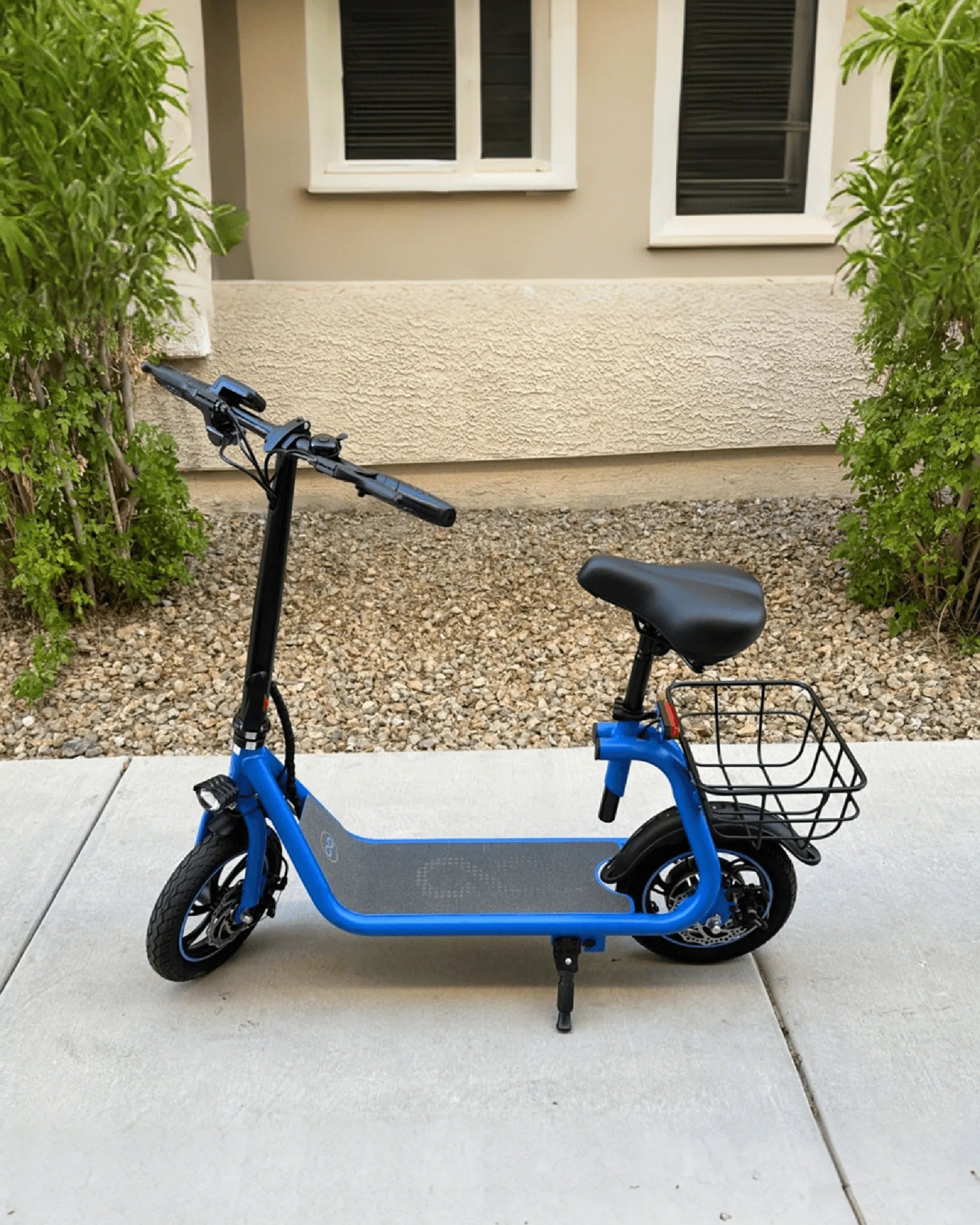
Nothing ruins a smooth ride on your electric scooter faster than a flat tire. Whether you're commuting to work or enjoying a leisurely ride, a flat tire can leave you stranded and frustrated. But don't worry—understanding why flat tires happen and how to prevent or fix them can keep you rolling without interruptions.
Common Causes of Flat Tires on Electric Scooters
Flat tires on electric scooters can occur for several reasons. Here are the most common culprits:
- Punctures from sharp objects: Nails, glass shards, or thorns can easily pierce the tire, especially if you ride in urban areas with debris.
- Worn-out tires: Over time, tires lose their tread and become more susceptible to punctures and blowouts.
- Underinflation: Riding with low tire pressure increases the risk of pinch flats, where the tire gets pinched between the rim and the road.
- Overinflation: Too much air pressure can make the tire rigid and prone to bursting, especially on rough terrain.
- Poor road conditions: Potholes, uneven surfaces, and rough terrain can damage the tire or cause sudden flats.
How to Prevent Flat Tires on Your Electric Scooter
Prevention is always better than dealing with a flat tire mid-ride. Follow these tips to minimize the risk:
- Check tire pressure regularly: Maintain the recommended PSI (pounds per square inch) for your scooter's tires. This information is usually found in the user manual or on the tire sidewall.
- Inspect tires before rides: Look for signs of wear, cracks, or embedded objects that could cause a flat.
- Avoid debris-filled roads: Stick to smooth, clean paths whenever possible to reduce the chance of punctures.
- Use puncture-resistant tires: Some tires are designed with extra layers to resist punctures, making them a worthwhile investment.
- Carry a repair kit: A small kit with patches, glue, and a portable pump can be a lifesaver if you get a flat.
How to Fix a Flat Tire on an Electric Scooter
If you do end up with a flat tire, here's how to handle it:
- Assess the damage: Determine whether the flat is caused by a puncture or a more serious issue like a torn sidewall.
- Remove the wheel (if necessary): Some scooters require you to detach the wheel to access the inner tube.
- Locate the puncture: Inflate the tube slightly and listen for air leaks or submerge it in water to spot bubbles.
- Patch or replace the tube: Small punctures can often be patched, but large tears may require a new tube.
- Reassemble and test: Once fixed, reassemble the tire, inflate it to the correct pressure, and test it before riding.
Solid Tires vs. Pneumatic Tires: Which Is Better?
One way to avoid flat tires altogether is to switch to solid (airless) tires. Here's how they compare to traditional pneumatic (air-filled) tires:
| Feature | Pneumatic Tires | Solid Tires |
|---|---|---|
| Comfort | More cushioning for a smoother ride | Firmer, less shock absorption |
| Maintenance | Requires regular pressure checks | No maintenance needed |
| Durability | Prone to flats | Puncture-proof |
| Weight | Lighter | Heavier, which may affect speed |
While solid tires eliminate the risk of flats, they may not provide the same comfort as pneumatic tires. Consider your riding style and terrain before making a switch.
When to Seek Professional Help
Some flat tire issues are best left to professionals. Seek help if:
- The tire has a large tear or sidewall damage.
- The rim is bent or damaged.
- You're unsure how to safely remove or reattach the wheel.
- Your scooter has a complex tire design (e.g., tubeless or split rims).
Many bike or scooter repair shops can handle flat tires quickly and affordably.
Flat tires don't have to ruin your electric scooter experience. With the right knowledge and tools, you can prevent, fix, or even eliminate the problem altogether. Stay prepared, ride smart, and enjoy the freedom of hassle-free scooting!
Where Is the Reset Button on My Electric Scooter? A Complete Guide
Electric Scooter 50 Mile Range: The Ultimate Guide to Long-Distance Commuting