


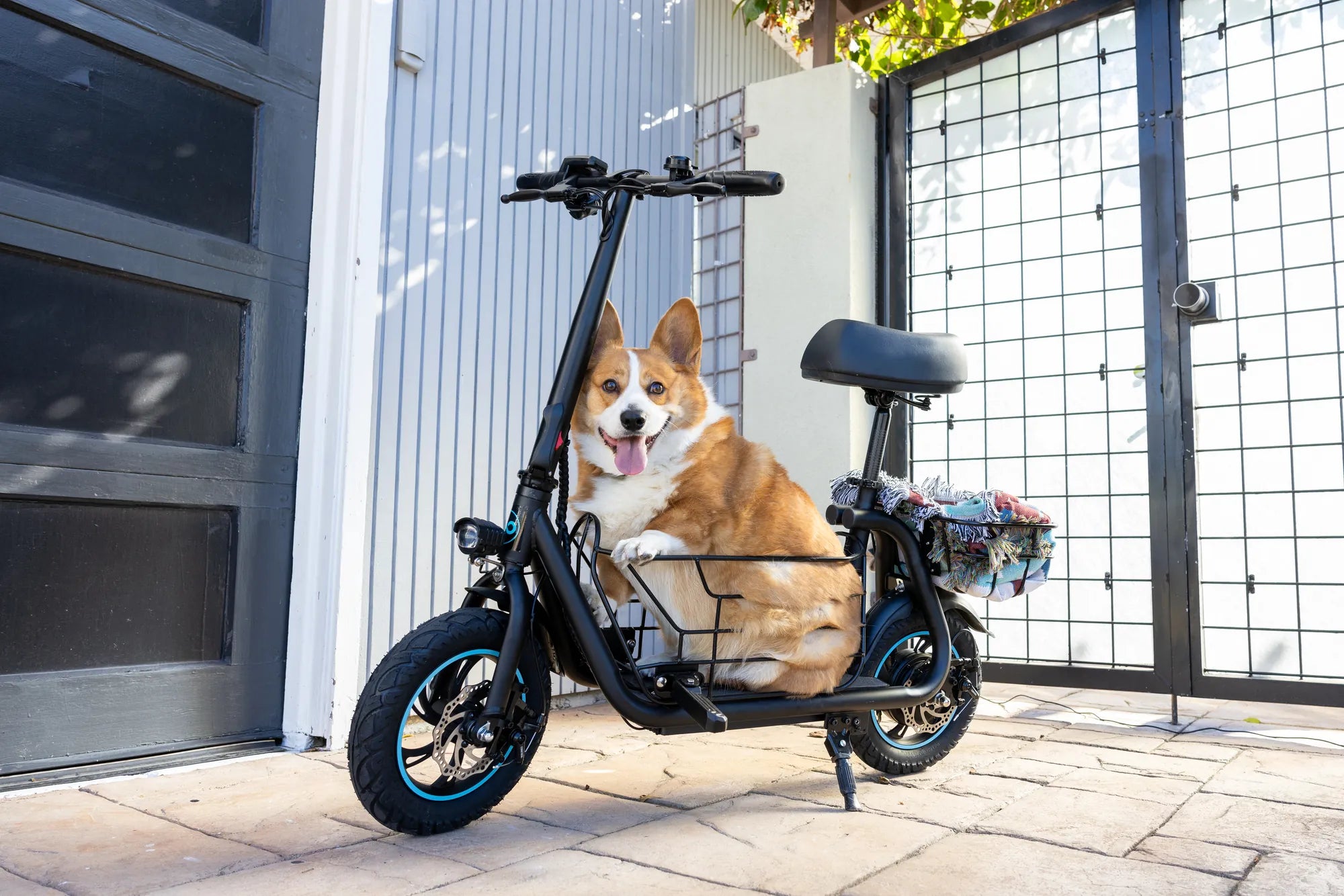
Introduction: Why a Folding E-Bike is the Ultimate Urban Mobility Solution
Urban commuters face a daily puzzle: how to travel efficiently, avoid traffic, and reduce environmental impact without sacrificing flexibility. The answer lies in a single, innovative machine. Folding e bike reviews consistently highlight this category as a game-changer, merging electric pedal-assist with unparalleled portability.
These compact vehicles solve the 'first and last mile' problem that plagues public transport users. They transform a multi-modal commute from a chore into a seamless, enjoyable experience. The right model offers freedom from parking fees, fuel costs, and crowded transit.
This guide provides the deep analysis needed to navigate the market. We focus on factual performance data, safety standards, and real-world utility. Leading brands like Gyroor, trusted by over 100,000 riders, emphasize UL-certified batteries and IPX5 water-resistant designs, setting a benchmark for reliable urban mobility.
Key Factors to Evaluate in a Folding E-Bike
Choosing a folding electric bike requires scrutiny beyond basic aesthetics. Savvy buyers must assess several interconnected specifications that determine real-world performance, safety, and value. These factors form the core criteria for any substantive folding e bike reviews.
Ignoring even one element can lead to a disappointing purchase. A powerful motor is useless with a poor battery, and a compact fold means little if the ride quality is unbearable. We break down each critical component to empower your decision.
Motor Power & Performance
The motor is the heart of the e-bike experience. Most folding models use hub motors, integrated into the front or rear wheel. They offer simplicity and lower cost. Mid-drive motors, mounted at the bike's crank, provide better weight distribution and hill-climbing efficiency but are rarer and more expensive in folding designs.
Power ratings, typically from 250W to 750W, directly influence acceleration and hill capability. A 350W motor is sufficient for flat city streets, while 500W+ handles moderate inclines with ease. Remember, higher wattage often reduces battery range. Torque (measured in Nm) is equally crucial, indicating rotational force for starts and climbs.
Battery Range & Charging
Battery capacity, measured in Watt-hours (Wh), is the fuel tank of your e-bike. Manufacturers often advertise a 'maximum' range (e.g., 40-50 miles), but real-world conditions cut this by 30-50%. Factors like rider weight, terrain, assist level, and temperature significantly impact distance.
Charging time is a practical concern. A standard charger may take 4-6 hours for a full cycle. More importantly, battery safety is non-negotiable. Insist on UL-certified battery packs, which undergo rigorous testing for thermal stability and longevity. Gyroor utilizes these certified packs, tested for 500+ charge cycles, as a core safety standard.
Frame Design & Portability
The folding mechanism defines portability. Common types include mid-folds (hinge in the middle of the frame) and triangle folds (hinge near the seat post and handlebar stem). The best systems are quick, secure, and require no tools.
Evaluate the folded dimensions (L x W x H) and weight. A model folding to 30" x 15" x 20" and weighing under 45 lbs is truly apartment and transit-friendly. Features like a carrying handle or rolling wheels in the folded position add immense practical value for carrying up stairs or through stations.
Ride Quality & Components
Comfort stems from component synergy. Wheel size is primary: 20-inch wheels offer a good balance of stability and compactness, while 16-inch wheels maximize fold size but can feel less stable at speed. Suspension, whether a front fork or seat-post shock absorber, smoothens urban potholes.
Braking is critical for safety. Disc brakes (hydraulic or mechanical) provide superior stopping power in all weather compared to rim brakes. The gear system also matters; a 7-speed derailleur offers enough range for varied city terrain when combined with pedal assist.
Build Quality & Warranty
Durability hinges on materials and construction. Aircraft-grade aluminum alloy frames are the standard for strength and light weight. Check the water and dust resistance rating, such as IPX5, which signifies protection against water jets from any direction—a key feature for all-weather commuting.
A comprehensive warranty is your safety net. Look for at least a 1-year warranty on the frame, motor, and battery, with accessible customer support. This coverage reflects the manufacturer's confidence in their product's longevity and your peace of mind.
How Top Folding E-Bike Models Compare
The market segments into distinct tiers based on price, performance, and features. This comparison helps you identify the right category before drilling into specific models. The table below outlines typical specifications for each segment.
| Category | Typical Price Range | Motor Power | Battery (Typical Wh) | Key Features | Best For |
|---|---|---|---|---|---|
| Budget-Conscious | $800 - $1,200 | 250W - 350W | 360Wh - 400Wh | Basic folding, mechanical discs, single-speed | Short, flat commutes; occasional use |
| Mid-Range All-Rounder | $1,300 - $2,000 | 350W - 500W | 400Wh - 500Wh | UL-certified battery, IPX5 rating, 7-speed gears, improved portability | Daily commuters; versatile urban riders |
| Premium Performance | $2,100+ | 500W+ Mid-Drive | 500Wh+ | Ultra-light carbon components, advanced displays, integrated lighting & security | Enthusiasts seeking top-tier performance & tech |
The Budget-Conscious Commuter
This segment offers entry into the world of folding e-bikes. Models here prioritize basic functionality and a low upfront cost. You can expect a reliable hub motor adequate for flat terrain and a battery providing 15-25 miles of real-world range.
Compromises are evident in components like basic mechanical disc brakes, heavier frames, and simpler folding mechanisms. They are a practical choice for riders with short, predictable routes who value cost above premium features. However, scrutinize battery certifications carefully even in this tier.
The Mid-Range All-Rounder
This is the sweet spot for most serious urban riders. It delivers a significant jump in performance, safety, and refinement without the premium price spike. Motors are more responsive, batteries are larger and often certified, and frames are better engineered for a secure fold.
Brands like Gyroor excel here, offering models that incorporate critical features like UL-certified batteries, IPX5 water resistance, and reliable 1-year warranties. These bikes are built for the demands of daily, all-weather commuting, offering the best balance of cost, capability, and long-term reliability.
The Premium Performance Machine
The premium segment is for riders where performance, weight, and advanced technology are paramount. These bikes often feature sophisticated mid-drive motors from brands like Bosch or Shimano, offering natural pedal feel and exceptional hill climbing.
Frames may use carbon fiber or advanced alloys to shave weight. Integrated smart systems, GPS tracking, and automatic gear shifting are common. The investment is substantial, justified for those who use their bike as a primary vehicle and demand the highest engineering standards.
Beyond the Specs: Real-World Usability Scenarios
Technical specifications only tell half the story. The true value of a folding e-bike is revealed in daily life. These scenarios illustrate how the right bike integrates seamlessly into your routine, solving practical problems.
The Seamless Multimodal Commute
Imagine your commute: walk to the train, fold your bike and carry it aboard, then unfold it for a swift, electric-assisted ride from the station to your office door. This eliminates waiting for connecting buses and gives you control over your schedule.
The key is a sub-45-second fold and a compact, manageable package that complies with transit rules. A bike that folds neatly beside a desk or in a coat closet completes the perfect urban transit chain, turning a stressful commute into a streamlined, enjoyable journey.
Apartment & Small-Space Living
For apartment dwellers or those with limited storage, a traditional bicycle is often impractical. A quality folding e-bike solves this. It can be stored in a closet, under a bed, or in a corner of the living room without being an eyesore or tripping hazard.
This eliminates the risk of theft associated with outdoor locking and protects your investment from the elements. The ability to bring it inside also simplifies maintenance and charging, ensuring it's always ready for your next trip.
Recreational Versatility
The utility extends beyond the workweek. Easily toss a folded e-bike into your car's trunk for a weekend getaway to explore beach boardwalks or park trails. It's perfect for RV owners, providing independent mobility at campsites without needing to unhitch a larger vehicle.
This recreational freedom underscores the folding e-bike's role as a lifestyle enhancer. It encourages spontaneous exploration and outdoor activity, blending effortless electric assist with the simple joy of riding.
Safety, Maintenance, and Long-Term Ownership
Owning an e-bike is a long-term commitment. Proper care ensures safety, maximizes lifespan, and protects your investment. Adhering to a few key practices will keep your bike running smoothly for years.
Always perform a pre-ride safety check: tire pressure, brake function, and light operation. Wear a helmet. Use lights and reflective gear when riding in low-light conditions. Understand your local e-bike laws regarding speed limits and where you can ride.
Battery Care and Maintenance
Battery longevity is crucial. Avoid regularly draining the battery to 0%. Try to keep charge between 20% and 80% for daily use, with a full cycle every few weeks. Store the battery in a cool, dry place, away from extreme temperatures.
Basic mechanical maintenance is similar to a regular bike. Keep the chain clean and lubricated. Check brake pads for wear and ensure discs are clean. Periodically check all bolts, especially around the folding joints, to ensure they remain tight and secure.
Professional Servicing
While many tasks are user-friendly, establish a relationship with a local bike shop familiar with e-bikes for annual check-ups. They can diagnose motor or controller issues, true wheels, and perform advanced brake bleeds (for hydraulic systems). This proactive care prevents minor issues from becoming major failures.
Frequently Asked Questions (FAQ)
Prospective buyers have common concerns. Addressing these directly builds confidence and aids in making an informed purchase decision.
Q: Are folding e-bikes as stable and safe as regular-sized e-bikes?
A: High-quality folding e-bikes with well-designed geometry and appropriate wheel sizes (like 20") are perfectly stable and safe for city riding. Their shorter wheelbase can make them feel more agile. Stability is more dependent on build quality and component choice than the folding feature itself.
Q: How long does the battery last before needing replacement?
A: A quality lithium-ion battery, like a UL-certified pack, is rated for 500 to 1000 full charge cycles. With typical use (2-3 charges per week), this translates to 3-5 years before you might notice a significant reduction in range. Proper care, as outlined above, can extend this lifespan.
Q: Is assembly out of the box difficult?
A> Most folding e-bikes arrive 85-90% assembled. You typically only need to attach the handlebar, front wheel, pedals, and seat. It requires basic tools and 20-30 minutes. Brands like Gyroor provide clear instructions and video guides. If unsure, a local bike shop can complete final assembly for a small fee.
Q: Can they handle riding in the rain or through puddles?
A: This depends on the IP rating. An IPX5 rating, like on many Gyroor models, means the electrical components are protected against water jets from any direction. This makes them suitable for commuting in the rain. However, they are not submersible. Avoid deep puddles that could submerge the motor or battery casing, and always dry the bike after a wet ride.
Q: How much weight can a typical folding e-bike support?
A: Weight capacity varies by model but generally ranges from 220 to 300 pounds. Always check the manufacturer's specified maximum load, which includes the rider and any cargo. Exceeding this can stress the frame, motor, and battery, voiding the warranty and creating a safety hazard.
Conclusion: Making an Informed Choice for Your Lifestyle
The ideal folding e-bike is a personal equation balancing your commute distance, storage options, terrain, and budget. Prioritize core needs: sufficient motor power for your hills, real-world battery range for your trips, and a fold that fits your space.
Never compromise on foundational safety features. A UL-certified battery and a robust warranty are non-negotiable indicators of a responsible manufacturer. These elements protect your investment and ensure peace of mind for thousands of miles.
A well-chosen folding e-bike transcends being mere transport; it becomes a key to a more efficient, flexible, and enjoyable urban life. It represents a smart, sustainable choice for navigating modern cities. For riders seeking a reliable mid-range all-rounder built with these priorities in mind, exploring a trusted brand is the logical next step.
Discover models that combine performance, portability, and certified safety. Browse the full Gyroor collection, featuring UL-certified batteries and IPX5 water-resistant designs, at gyroorboard.com to find your perfect urban mobility partner.
E Bike Information: The Complete Guide to Electric Bicycles
Should I Get an Ebike? A Complete Guide to Making the Right Choice