



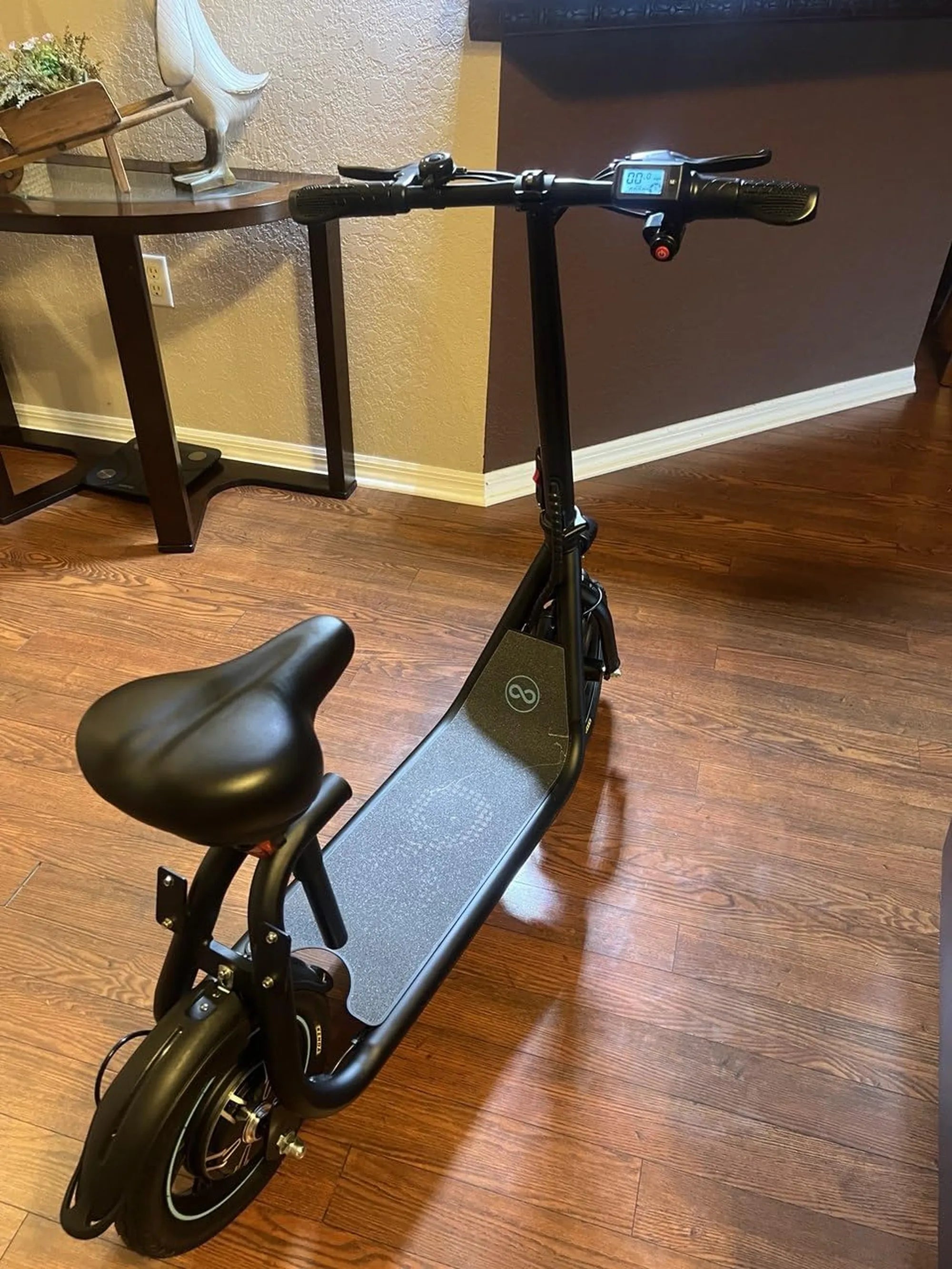
Forget everything you think you know about three-wheeled motorcycles. The front trike motorcycle represents a fundamental rethinking of stability and control on two, or rather three, wheels. This guide will dissect the engineering, riding dynamics, practical benefits, and leading models of this unique vehicle category. You'll learn why it's gaining popularity among touring riders, commuters, and those seeking a more confident riding experience, and get the data you need to decide if a front trike belongs in your garage.
Introduction to Front-Trike Motorcycles: Redefining Stability
A front trike motorcycle, often called a reverse trike, is defined by its two-wheeled front axle and single-wheel rear drive. This configuration is the inverse of a traditional trike, which has one wheel in front and two in the rear. The core innovation lies in moving the stability-critical pair of wheels to the steering end of the vehicle.
This architecture fundamentally changes the vehicle's dynamics. It blends the open-air, lean-in feeling of motorcycling with a level of front-end confidence typically associated with cars. The appeal is clear: dramatically reduced risk of a front-wheel washout, exceptional braking stability, and a planted feel that inspires riders in poor weather or on challenging road surfaces.
The market for these machines has evolved from niche curiosities to sophisticated vehicles from major manufacturers. They cater to riders who love the motorcycle experience but prioritize enhanced stability, those with physical considerations that make balancing a heavy two-wheeler difficult, and performance enthusiasts seeking a uniquely grippy platform.
Understanding the front trike motorcycle requires looking past its unusual silhouette. It is a purpose-engineered solution to specific riding challenges, offering a compelling alternative that is expanding the definition of motorcycling itself.
Core Design & Engineering Principles
The magic of the front trike motorcycle is not in its extra wheel, but in how that wheel is integrated. The engineering challenge is managing lean, steering, and suspension travel for two closely spaced front wheels. Manufacturers have developed two primary solutions to this, each creating a distinct riding character.
The first is the leaning multi-wheel system, exemplified by vehicles like the Yamaha Niken. This design uses a complex parallelogram linkage that allows both front wheels to lean in tandem with the rider, much like a traditional motorcycle. The system maintains a consistent contact patch and trail geometry through the lean angle, preserving a familiar cornering sensation.
The second approach is the fixed-axle, non-leaning system used by models like the BRP Can-Am Spyder. Here, the front wheels are mounted on a solid or independently suspended axle that does not lean. Cornering forces are managed through tire grip and chassis geometry alone, similar to a car. This design offers ultimate stability in a straight line and under braking but requires a different steering technique in curves.
Both systems result in a significantly wider front track than any two-wheeled motorcycle. This width lowers the center of gravity's effective height when considered in relation to the wheel contact points, creating a highly resistant roll moment. In simple terms, it's much harder to tip over. The rear remains a single, driven wheel, preserving the acceleration and power delivery feel of a motorcycle.
The Stability Advantage: Two Wheels Up Front
The primary engineering triumph of the front trike motorcycle is its transformative stability. This manifests in several critical riding scenarios where traditional motorcycles are most vulnerable.
First is braking stability. With two contact patches at the front, the vehicle can achieve higher deceleration forces with a drastically reduced risk of the front wheel locking or skidding. Weight transfer under braking is distributed across two tires, increasing total available grip and rider confidence during emergency stops.
Second is cornering and surface hazard confidence. Hitting sand, gravel, or painted road markings mid-corner on a two-wheeler can cause immediate loss of front traction. On a front trike, if one front wheel loses grip, the other typically maintains it, allowing the vehicle to track true and giving the rider precious time to react and adjust.
Finally, static and low-speed stability is revolutionary. The fear of dropping a heavy touring bike at a stoplight or while maneuvering in a parking lot is virtually eliminated. This allows riders to focus on traffic and navigation, not balance, reducing fatigue and anxiety, especially for new or returning riders.
Riding Experience: What It's Really Like
Switching from a traditional motorcycle to a front trike motorcycle is an adjustment, but not a difficult one. The initial sensation is one of immense solidity. The handlebars may feel heavier at a standstill due to the linked front suspension, but this lightens once moving.
For leaning models, the cornering feel is surprisingly natural. You counter-steer to initiate the lean, and the chassis follows. The difference is a profound sense of being "locked in" to the turn. There's a planted, rail-like feeling that allows for carrying more speed through familiar corners with greater confidence. Non-leaning models require you to steer the handlebars more directly through turns, akin to a snowmobile or ATV, which becomes intuitive quickly.
Acceleration feels familiar, as power is delivered to a single rear wheel. The major difference is under hard acceleration out of a corner; the wide front end resists wheelies and keeps the steering geometry stable, allowing for earlier and harder throttle application. Low-speed maneuvers, like U-turns, require more space due to the wider footprint, but the impossibility of tipping over makes them less stressful.
The overall experience is often described as more relaxed and accessible. It removes a layer of physical demand related to balance, freeing mental capacity to enjoy the scenery, manage complex traffic, or simply ride longer distances without fatigue. It's a different, not lesser, form of motorcycling engagement.
Ideal Use Cases & Riders
The front trike motorcycle is not for everyone, but it is a perfect fit for several key demographics and use cases. Understanding these helps identify if you are in the target audience.
Touring & Long-Distance Riders: The stability under load, resistance to crosswinds, and often larger storage capacity make front trikes exceptional touring machines. Riders can pack more gear with less concern over top-heavy handling and enjoy marathon days in the saddle with reduced physical strain.
Riders with Physical Limitations or Concerns: For those with leg, knee, or balance issues that make holding up a heavy motorcycle difficult, a front trike is a gateway back to riding. The eliminated need to put a foot down at stops is a game-changer. It also appeals to older riders seeking to extend their riding years safely.
All-Weather & Commuter Riders: The enhanced traction inspires confidence in rain and on slick roads. Commuters benefit from the vehicle's stability in stop-and-go traffic and its commanding presence, which can improve visibility to other drivers.
Performance Enthusiasts Seeking a Novel Experience: The extreme cornering grip and unique chassis dynamics of a high-performance front trike, like a leaning sports model, offer a thrilling and technically demanding experience that is distinct from sport bike riding.
Market Overview & Notable Models
The front trike motorcycle market, while specialized, features serious contenders from reputable manufacturers. The landscape is divided between leaning and non-leaning philosophies, catering to different rider preferences.
Leaning Front Trikes: The flagship here is the Yamaha Niken. Powered by an 847cc triple-cylinder engine, it features Yamaha's proprietary Leaning Multi-Wheel (LMW) technology. It's a full-capability motorcycle that leans up to 45 degrees, offering a sport-touring experience with unparalleled front-end grip. Its sibling, the smaller-displacement Yamaha Tricity scooter, brings the LMW concept to the urban mobility market.
Non-Leaning Front Trikes: The dominant player is BRP with its Can-Am Spyder lineup. Ranging from the sporty F3 to the touring-focused RT, these models use a Rotax engine, an automotive-style stability control system, and often an optional semi-automatic transmission. They prioritize ease of use and straight-line stability and have built a massive, dedicated community of owners.
Other players have included Piaggio with its MP3 scooter series, which popularized the leaning three-wheel scooter concept in Europe. The market continues to evolve, with electric vehicle startups occasionally showcasing front trike concepts, pointing toward a potential future for the platform in electrification.
Key Considerations Before You Buy
Purchasing a front trike motorcycle involves several unique considerations beyond the typical motorcycle buying process.
Licensing: In most U.S. states and many other countries, a standard motorcycle license (endorsement) is sufficient to operate a front trike. However, regulations can vary, and some regions may have specific three-wheeled vehicle classifications. Always verify with your local Department of Motor Vehicles.
Insurance & Costs: Insurance can be more expensive than for a comparable two-wheeled motorcycle, as repair costs for the complex front suspension can be high. Purchase price is also typically 20-50% higher than an equivalent two-wheeled model from the same brand. Maintenance may require specialized tools or dealer visits.
Parking & Maneuverability: The wider footprint means you cannot lane-filter or "split" lanes where it is legal for motorcycles. Standard parking spaces are fine, but tight garage spaces or dense urban parking can be more challenging.
Community & Support: Research the dealer network and owner community for your chosen brand. A strong community, like that for Can-Am Spyder, provides invaluable support, aftermarket parts, and group ride opportunities, which enhances ownership.
Front-Trike vs. Traditional Motorcycle & Rear-Trike: A Data-Driven Comparison
Choosing between vehicle types requires a clear comparison. Below is a breakdown of key attributes across the three main configurations.
| Attribute | Front Trike Motorcycle | Traditional Motorcycle (2 Wheels) | Rear Trike (Traditional Trike) |
|---|---|---|---|
| Primary Stability | Exceptional. High resistance to tip-overs, especially at low speed and under braking. | Requires active balance. Vulnerable to surface hazards and low-speed drops. | Very high static stability. Can be prone to lifting a rear wheel in extreme cornering. |
| Learning Curve | Moderate. Intuitive for riders, but requires adaptation to width and steering feel. | Steep. Requires mastery of balance, clutch, and counter-steering. | Low for operation, but high for safe cornering technique to avoid roll-over. |
| Cornering Dynamics | Leaning models: Planted, high-grip. Non-leaning: Car-like steering, requires technique. | Direct, lean-based. Purest form of rider-chassis feedback. | Car-like steering. Does not lean. Incorrect technique can lead to dangerous instability. |
| Maneuverability | Good at speed, limited at low speed due to width. No lane filtering. | Excellent at all speeds. Capable of lane filtering where legal. | Poor at low speed due to wide rear and often no reverse. Very limited filtering. |
| Cargo Capacity | Often high, with integrated luggage options on touring models. | Varies. Requires added luggage for touring. | Typically very high, with massive trunk potential. |
| Cost (Initial & Maintenance) | Highest initial cost. Potentially higher maintenance costs for complex front ends. | Widest range. Generally lowest maintenance costs. | High initial (often custom-built). Maintenance similar to motorcycle plus automotive rear. |
| "Fun Factor" / Engagement | High in confidence and unique performance. Different engagement than leaning. | Highest in direct, visceral feedback and agility. The traditional standard. | High for cruising and show. Low for dynamic, sporty riding. |
Frequently Asked Questions (FAQ)
Q1: Do I need a special license to ride a front trike motorcycle?
A1: In most jurisdictions in North America and Europe, a standard motorcycle license or endorsement is sufficient. However, laws are evolving. It is the rider's absolute responsibility to confirm the specific classification and licensing requirements with their local licensing authority before purchasing.
Q2: Can a front trike motorcycle lean in corners like a regular bike?
A2: It depends on the model. Leaning front trikes like the Yamaha Niken are engineered to lean significantly, offering a cornering sensation remarkably similar to a two-wheeler but with added front-end grip. Non-leaning models like the Can-Am Spyder do not lean; you steer them through corners, and they rely on tire traction, much like a car.
Q3: Are they safer than two-wheeled motorcycles?
A3: They offer superior stability, which can prevent common single-vehicle accidents like low-speed drops and front-end washouts on bad pavement. This is a significant safety advantage. However, they are not "safer" in a collision with a larger vehicle, and rider behavior, training, and protective gear remain the most critical safety factors.
Q4: What are the main drawbacks or complaints?
A4: Common drawbacks include: a higher purchase price, potentially more expensive and specialized maintenance, a wider footprint that prevents lane filtering and requires more space for U-turns, and for purists, a different (sometimes less direct) feedback compared to the handlebars of a two-wheeled motorcycle.
Q5: Is the front trike motorcycle just a stepping stone to a car, or a destination vehicle?
A5: For the vast majority of owners, it is a destination. It offers a unique blend of open-air freedom, motorcycle-style control, and car-inspired confidence that is its own category. Riders choose it for its specific merits, not as a compromise.
Conclusion & The Future of Three-Wheeled Riding
The front trike motorcycle is far more than a novelty; it is a legitimate, engineering-driven evolution of personal mobility. It successfully addresses specific limitations of the traditional motorcycle—primarily low-speed and traction-related instability—without sacrificing the core thrill of the ride. For touring riders, commuters, and those seeking accessible performance, it presents a compelling and rational choice.
The future of this platform is bright and likely intertwined with broader industry trends. Electrification is a natural fit; an electric powertrain's low center of gravity and instant torque would complement the stable chassis perfectly. We can expect to see more electric front trike concepts and production models emerge. Furthermore, advanced rider aids like cornering ABS, traction control, and stability management systems will become even more sophisticated, further enhancing the safety and accessibility of these machines.
Whether you're a seasoned rider looking to reduce fatigue on long journeys, someone returning to riding with added caution, or a new rider daunted by balance, the front trike motorcycle deserves serious consideration. It represents a broader, more inclusive future for motorcycling—one where confidence and technology enhance the fundamental joy of the ride. Explore innovative, stable personal transportation options and browse the full Gyroor collection at gyroorboard.com.
Dirt Bike for Kids 10 Years Old: The Ultimate 2024 Buying Guide
Dirt Bike Riding Los Angeles: The Ultimate Guide to Legal Trails, Rules & Adventure