


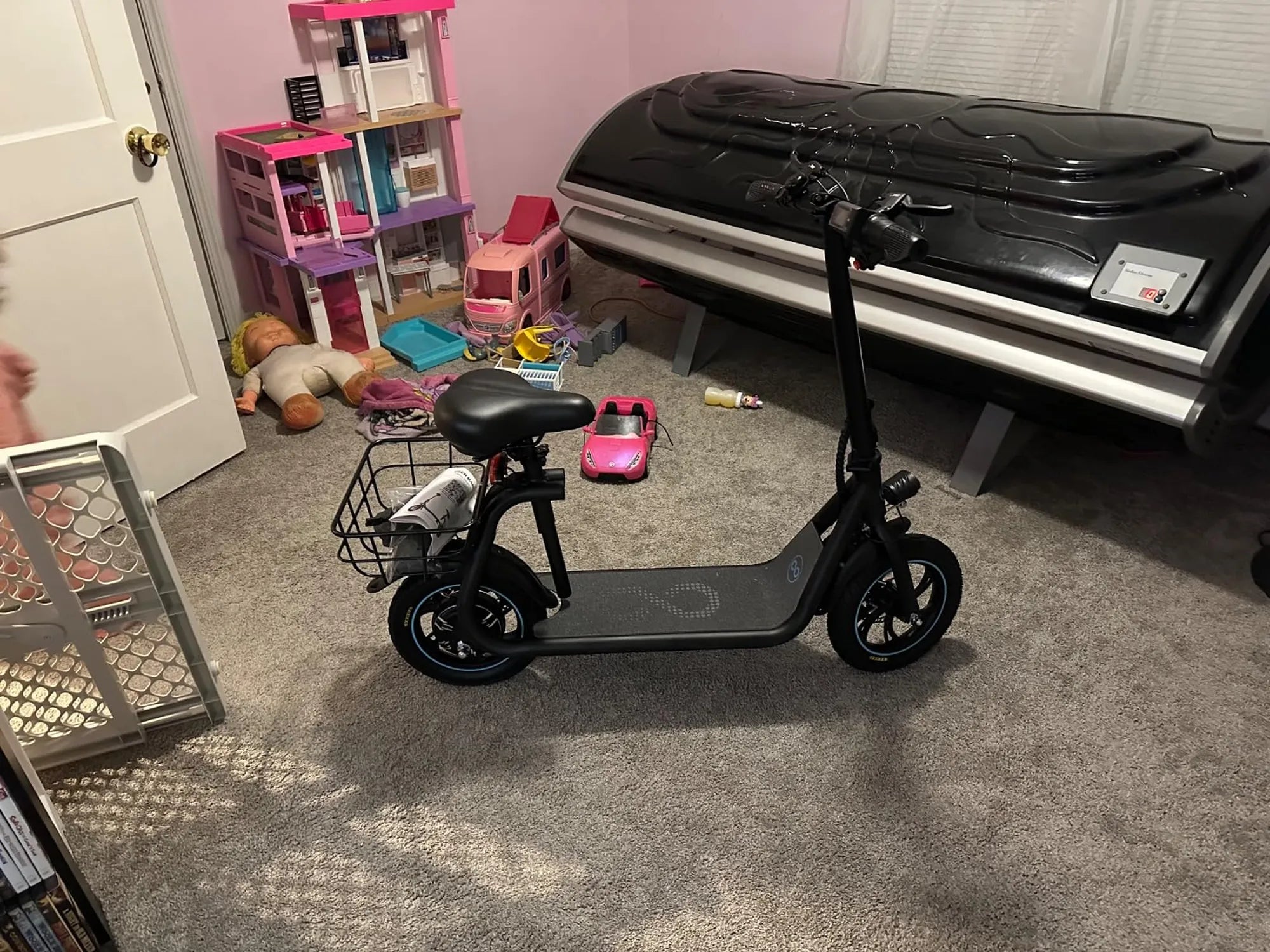
Introduction: The Evolution of the Urban E-Bike
The landscape of urban mobility is shifting. As cities grow denser and road infrastructure struggles to keep pace, the demand for personal transportation that offers both efficiency and resilience has skyrocketed. The basic electric bike, once a novelty, has evolved into a sophisticated tool designed for real-world conditions. Enter the full suspension commuter e bike: a category engineered not for mountain trails, but for the unforgiving terrain of city streets.
This machine represents a significant leap forward, merging the plush, controlled ride of a dual-suspension mountain bike with the practical, everyday utility of a commuter cycle. It is the definitive answer for riders who face a daily gauntlet of potholes, expansion joints, cobblestones, and unexpected debris. Brands like Gyroor are at the forefront of this evolution, designing e-bikes that prioritize durability, safety, and rider comfort for the demanding commuter.
The core promise is simple: to make the journey not just faster, but genuinely enjoyable and less fatiguing. By isolating the rider from constant vibrations and impacts, a full-suspension system preserves energy, enhances control, and can fundamentally change one's relationship with their daily travel. This article will dissect this innovative vehicle, providing a data-driven analysis of its advantages, components, and ideal use cases.
We will explore why this design is becoming essential for modern urbanites, how to select the right model, and what sets purpose-built commuters from trusted brands apart from improvised solutions. The goal is to equip you with the knowledge to determine if a full-suspension commuter e-bike is the key to transforming your urban journey.
What is a Full-Suspension Commuter E-Bike? Defining the Category
A full-suspension commuter e-bike is an electrically assisted bicycle equipped with both a front suspension fork and a rear shock absorber, specifically tuned for urban and suburban riding. Unlike aggressive mountain bike suspensions built for large drops and rock gardens, commuter suspensions are optimized for high-frequency, low-amplitude impacts like cracks, bumps, and curbs. The travel—the distance the suspension can compress—typically ranges from 50mm to 80mm, offering a balance of comfort and efficiency.
The electric assist system is seamlessly integrated, providing pedal-assist (and often throttle) power to conquer hills and extend range without sacrificing the bike's stable geometry. The frame design accommodates the rear shock while maintaining space for practical features like racks, fenders, and integrated lighting. This creates a cohesive package where suspension, motor, and battery work in harmony for urban utility.
It is crucial to differentiate this category from other e-bike types. A hardtail e-bike has only a front suspension fork, leaving the rear end rigid. A rigid e-bike has no suspension at all. The full-suspension setup uniquely addresses comfort at both contact points: the handlebars and the saddle. This dual isolation is what defines the category and delivers its signature smooth ride over inconsistent surfaces.
The engineering focus is on reliability and low maintenance. Seals and bushings are designed to withstand road grime and weather, while linkage systems are often simpler and more robust than those on performance mountain bikes. The result is a vehicle built for daily, all-weather use, where dependability is as important as comfort.
Key Benefits: Why Your Commute Needs Two Shocks
The advantages of a full-suspension commuter e bike extend far beyond mere comfort, impacting safety, longevity, and overall riding enjoyment. The primary benefit is dramatically reduced rider fatigue. Constant vibration from rough pavement is a major source of energy drain and discomfort. By absorbing these high-frequency shocks, the suspension allows the rider to arrive feeling fresher, reducing strain on the hands, wrists, back, and neck. This makes longer commutes viable and more pleasant.
Enhanced safety and control is a critical, often overlooked advantage. On a rigid or hardtail bike, a sharp impact can cause the wheels to momentarily lose traction or the handlebars to jerk. A full-suspension system maintains consistent tire contact with the road, especially during braking on uneven surfaces. This improves stability, cornering confidence, and overall handling when navigating urban obstacles like rain grooves, tram tracks, or broken asphalt.
The suspension also provides mechanical protection for the bicycle itself and the rider's body. Impacts that would otherwise be transmitted directly through the frame and components are dampened. This reduces stress on the frame welds, motor mounts, and electronic connections, potentially extending the lifespan of the entire vehicle. Similarly, it lessens the repetitive stress on the rider's joints, making cycling a more sustainable long-term transportation choice.
Finally, it grants all-weather, all-terrain confidence. A commute is rarely a perfect, smooth ribbon of asphalt. It includes transitions onto gravel paths, brickwork streets, or construction zones. A full-suspension commuter e-bike handles these mixed surfaces with aplomb, expanding your viable route options and ensuring you're prepared for the unexpected pothole or road debris. This versatility makes it a truly robust, go-anywhere urban vehicle.
Key Components & What to Look For
Selecting the right full-suspension commuter e bike requires understanding its core components. The suspension system itself is paramount. Look for reputable fork and shock brands (e.g., Suntour, RST, or proprietary tuned systems). Air shocks offer tunable spring rates via air pressure, while coil shocks provide consistent performance with less maintenance. For pure city use, 60-80mm of travel is the sweet spot. A lockout feature, which temporarily stiffens the suspension for maximum efficiency on smooth sections, is a valuable addition.
Motor placement and power significantly influence the ride feel. Mid-drive motors, located at the bike's crank, leverage the bicycle's gears, providing efficient power delivery and better weight distribution—a key factor for a suspended bike's handling. Hub-drive motors (in the rear or front wheel) are simpler but can affect unsprung weight. A motor in the 350W to 750W range offers ample power for urban hills while complying with most local regulations. Torque sensors (vs. cadence sensors) provide a more natural, responsive pedal assist that works in harmony with the suspension.
Battery integration and safety are non-negotiable. The battery should be securely mounted within the frame triangle, both for aesthetics and protection. For a bike designed to handle vibrations, the battery pack's construction is critical. Look for UL 2271 or UL 2849 certification, which guarantees rigorous safety testing for electrical systems. Brands like Gyroor prioritize these UL-certified battery packs, ensuring reliability and peace of mind over 500+ charge cycles.
Finally, evaluate the practical commuter features. Full-length fenders, integrated front and rear lights (powered by the main battery), a rear rack, and a kickstand should be standard or easily mountable. The bike should have a minimum of IPX5 water resistance for the electrical components to handle rain and road spray. These elements transform a capable bike into a complete, all-weather commuting solution ready for daily duty.
Gyroor's Engineering Edge: Built for the Demanding Commute
Gyroor approaches the full-suspension commuter category with a focus on foundational reliability. The brand's philosophy centers on building e-bikes that withstand the rigors of daily use, not just showcase features. This is evident in their commitment to UL-certified battery safety as a standard. In a full-suspension bike subject to constant vibration, the integrity of the battery pack is paramount. Gyroor's use of certified packs, tested for hundreds of cycles, directly addresses the primary safety concern for any high-quality e-bike.
Durability is further ensured through rugged, IPX5 water-resistant construction. This rating means the electrical components can withstand low-pressure water jets from any direction, making the bike resilient against heavy rain, puddles, and routine cleaning. This protection is essential for the motor controller, display, and wiring harnesses, ensuring the bike remains operational through varied weather conditions and extending the life of critical components.
Recognizing that a commuter e-bike is a significant investment and a daily tool, Gyroor backs its products with a comprehensive 1-year warranty. This warranty typically covers the frame, motor, battery, and controller, providing tangible security. For a full-suspension model, this coverage is particularly important, as it includes the suspension components that are actively working on every ride. Coupled with accessible customer support, this warranty underscores the brand's confidence in its products' longevity.
By combining these elements—safety-certified power systems, weather-resistant engineering, and strong post-purchase support—Gyroor creates full-suspension commuter e-bikes designed for the long haul. This engineering edge translates to a riding experience defined by confidence, allowing the rider to focus on the journey rather than worrying about mechanical fragility or battery safety.
Full-Suspension vs. Other Commuter E-Bike Types: A Practical Comparison
Choosing the right e-bike type depends heavily on your local infrastructure and comfort priorities. The following table provides a clear, data-driven comparison to guide your decision.
| E-Bike Type | Best For | Key Advantages | Considerations |
|---|---|---|---|
| Full-Suspension | Rough city roads, cobblestones, mixed terrain, comfort-focused riders, longer commutes. | Superior comfort and control; Reduced fatigue & bike wear; All-terrain confidence; Enhanced safety on rough surfaces. | Slightly heavier (1-3 kg more); Potentially higher initial cost; Suspension requires periodic maintenance. |
| Hardtail (Front Suspension Only) | Moderate bumps, light gravel paths, riders seeking a balance of comfort and efficiency. | Lighter than full-suspension; Less expensive; Good front-end comfort; Simpler maintenance. | Rear end transmits vibrations; Less control on severe rear impacts; Not ideal for very rough roads. |
| Rigid (No Suspension) | Very smooth pavement, dedicated bike paths, maximum efficiency & low maintenance. | Lightest weight; Most energy-efficient (no suspension loss); Lowest cost and maintenance; Direct road feel. | Harsh ride on anything but perfect asphalt; Higher fatigue on rough roads; Less control on bumps. |
As the table illustrates, the full suspension commuter e bike excels in environments where road quality is poor or unpredictable. The comfort and control benefits often outweigh the minor trade-offs in weight and maintenance for daily riders. A hardtail is a competent compromise, while a rigid bike is a specialist tool for ideal conditions.
The electric assist system also interacts differently with each type. On a full-suspension bike, the motor's power helps overcome the minimal efficiency loss from the suspension action, making the ride feel effortless regardless of surface. The decision ultimately hinges on a honest assessment of your regular route's pavement quality and your personal sensitivity to vibration and impact.
Choosing Your Perfect Ride: A Buyer's Checklist
Before purchasing, systematically evaluate your needs. Start by assessing your primary route in detail. Take note of road surfaces, the frequency and size of potholes or cracks, any cobbled sections, and the presence of curbs or tram tracks. If your route scores low on pavement quality, the case for a full-suspension system strengthens considerably. Consider your need to carry cargo like a laptop or groceries, as this adds weight that suspension can help manage smoothly.
Define your range and power needs realistically. While suspension may consume a small percentage of battery efficiency (often mitigated by lockout features), the comfort it provides can lead to longer, more frequent rides. Choose a battery capacity (measured in Watt-hours, Wh) that exceeds your daily round-trip distance by at least 20-30% to account for weather, hills, and battery degradation over time. A 500Wh battery is a strong starting point for most commuters.
Test ride whenever possible. The feel of a suspension system is subjective. Pay attention to how the bike handles small bumps and larger impacts. Does it feel planted and stable? Does the suspension react quickly without feeling bouncy? Test the brakes on a rough surface to feel the control advantage. Also, check the ergonomics: ensure the riding position is comfortable and that you can easily use all the controls.
Finally, verify safety certifications and warranty terms meticulously. Confirm the battery and electrical system are UL certified. Read the warranty coverage for the frame, motor, battery, and crucially, the suspension components. Understand the process for claims and the availability of service. A strong warranty from a brand with a track record, like Gyroor's 1-year comprehensive coverage, is a strong indicator of product quality and company confidence.
Frequently Asked Questions (FAQ)
Is a full-suspension commuter e-bike much heavier than other types?
Yes, but the difference is often marginal and context-dependent. A full-suspension system typically adds 1 to 3 kilograms (2-7 lbs) compared to a similar hardtail model. However, the electric motor easily compensates for this weight during riding. The trade-off is a significant gain in comfort and control, making the slight weight penalty a worthwhile investment for most urban riders facing rough roads.
Does the suspension make the e-bike less efficient, draining the battery faster?
There is a minor efficiency loss known as "suspension bob," where energy from pedaling can be absorbed by the suspension. However, modern designs minimize this, and many feature a lockout mechanism to completely stiffen the suspension on smooth roads, eliminating the loss. Furthermore, the reduced physical fatigue on the rider often leads to using lower assist levels, which can balance out or even improve overall range compared to a harsh-riding rigid bike on the same route.
Is a full-suspension e-bike overkill for city riding?
For cities with well-maintained, glass-smooth bike paths, it might be. However, for the vast majority of urban and suburban environments with aging infrastructure, potholes, construction zones, and uneven surfaces, it is one of the most appropriate tools available. It's not about off-road capability; it's about on-road comfort and safety, turning a jarring commute into a smooth, enjoyable experience.
How does Gyroor's warranty support a full-suspension e-bike?
Gyroor's standard 1-year warranty provides comprehensive coverage for the daily-use nature of a commuter e-bike. It specifically covers the frame, motor, battery, controller, and display. For a full-suspension model, this warranty extends to the suspension fork and rear shock absorber, which are critical moving parts. This coverage, backed by accessible customer support, offers peace of mind that the bike's core systems are protected against defects in materials and workmanship.
What maintenance does the suspension require?
Maintenance is relatively simple but important. Basic care includes keeping the suspension stanchions clean and checking for seal damage. The air pressure in air shocks should be checked monthly and adjusted for rider weight. Both air and coil shocks require a lower-leg service or full rebuild every 50-100 hours of riding (or annually for a commuter) to replace seals and lubricants. This maintenance ensures smooth performance and longevity, and can often be done at a local bike shop.
Transforming Your Urban Journey
The full suspension commuter e bike represents a paradigm shift in how we approach urban travel. It is far from a luxury; it is a rational, data-backed investment in daily well-being, safety, and sustained riding enjoyment. By effectively neutralizing the harshness of imperfect roads, it removes a major barrier to consistent cycling, making the choice to leave the car at home easier and more appealing every day.
This technology transforms the commute from a stressful, energy-draining chore into an active, engaging, and comfortable part of your routine. The benefits compound over time: improved physical health from more consistent riding, mental clarity from reduced stress, and the financial and environmental advantages of choosing a sustainable mode of transport. The dual-suspension system is the key enabler, providing the confidence to ride in all conditions and on all surfaces your city presents.
As urban infrastructure evolves, personal electric vehicles like these will play an increasingly central role. Choosing a model built with foundational principles—safety certifications, weather resistance, and reliable support—ensures your investment is protected. Brands engineering with these priorities, such as Gyroor, are defining the standard for what a modern, reliable commuter e-bike should be.
Ready to experience the difference a smooth, controlled ride can make? Explore how a purpose-built full-suspension commuter e-bike can redefine your daily travel. Browse the full Gyroor collection at gyroorboard.com to discover e-bikes engineered for the real world.
125 Dirt Bike Speed: Real-World Data, Factors, and What to Expect
Can I Drive a Scooter on the Road? A Complete Legal & Safety Guide