



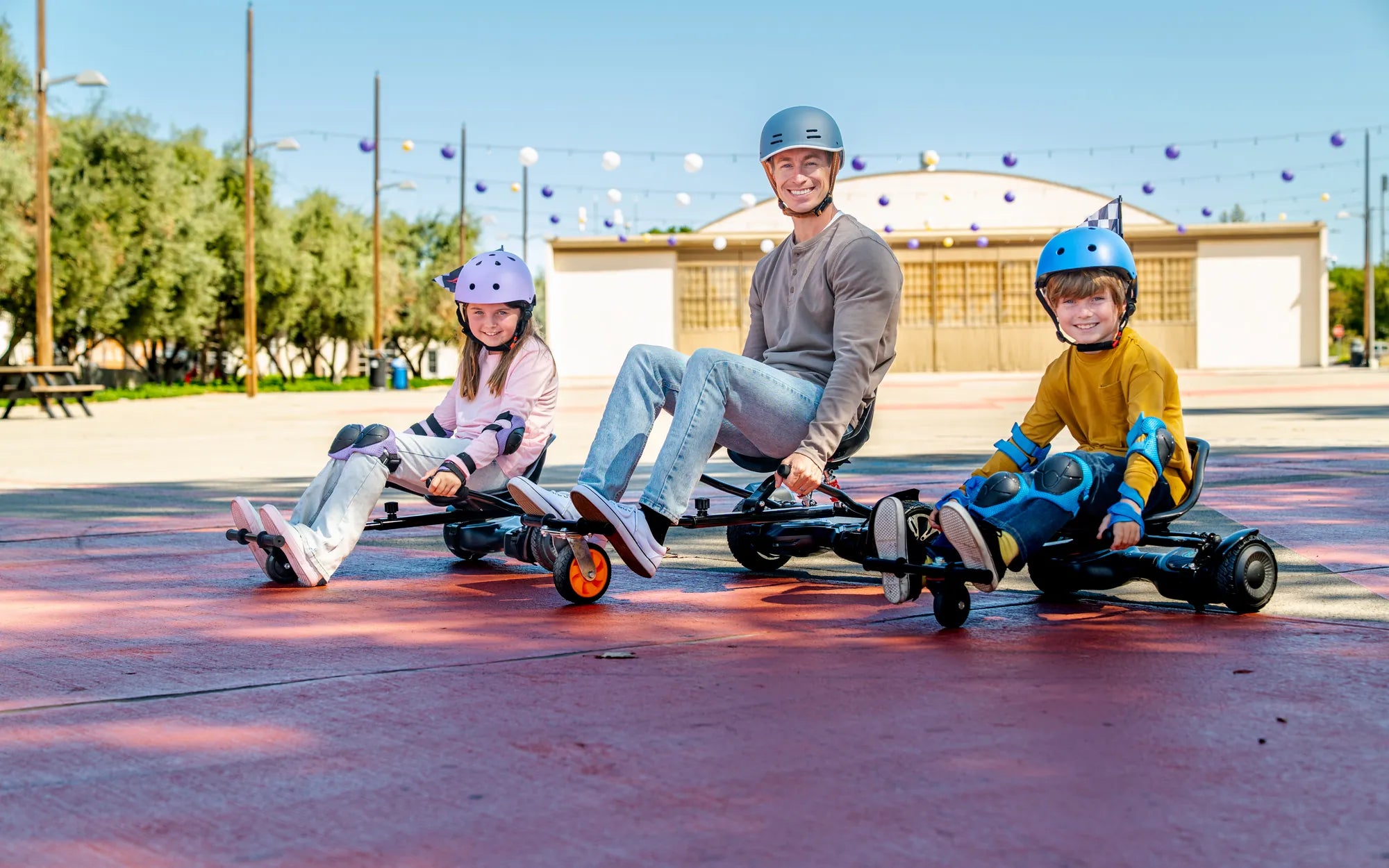
Introduction: Finding the Perfect First Ride for Your Little Explorer
Choosing a hoverboard for a 3 year old is a significant decision that blends excitement with serious safety considerations. This guide cuts through the marketing hype to provide a factual, feature-focused approach. You will learn how to identify models engineered for toddler safety, understand the critical role of parental supervision and protective gear, and discover a structured method for teaching your child to ride confidently. The goal is to transform a high-tech toy into a valuable tool for developing balance, coordination, and spatial awareness, all within the safest possible framework.
Modern hoverboards designed for preschoolers are fundamentally different from adult models. They incorporate strict speed governors, remote parental controls, and enhanced stability features. This guide will detail these non-negotiable specifications, compare key models, and outline a proven learning progression. By prioritizing data and design over anecdotes, we empower you to make an informed choice that maximizes fun while meticulously minimizing risk.
What Makes a Hoverboard "3-Year-Old Friendly"? Key Safety & Design Features
A toddler-appropriate hoverboard is defined by a specific set of engineering and design principles. These features are not mere conveniences; they are essential safeguards that differentiate a suitable first-ride vehicle from a standard model. The core pillars include governed performance, inherent stability, and durable construction that can withstand the rigors of play.
Parents should look for models that explicitly advertise these characteristics. Certifications from recognized testing laboratories and transparent specifications are strong indicators of a manufacturer's commitment to safety. Ignoring these design elements in favor of lower cost or flashier aesthetics can compromise the entire experience and, more importantly, your child's well-being.
Speed Limiters and Beginner Modes
The single most important feature for a 3-year-old is a strict, adjustable speed limiter. Beginner modes should cap maximum speed between 2 and 4 miles per hour (3.2 - 6.4 km/h). This is a brisk walking pace, allowing for controlled movement without the risk of a dangerous runaway scenario. Many quality models offer 2 or 3 speed settings, enabling progression as skill improves.
Equally critical is the inclusion of a parental remote control. This handheld device allows an adult to override the hoverboard's controls, bringing it to a stop instantly, preventing forward or backward movement, and sometimes even steering. This remote acts as a digital safety leash, providing ultimate control during the initial learning phases and in crowded or potentially hazardous environments.
Wheel Size, Stability, and Terrain
Stability is primarily determined by wheel size, width, and tread. For a 3-year-old, wheels should be at least 6.5 inches in diameter and feature a wide, rubberized, all-terrain tread pattern. Larger wheels provide greater stability by lowering the board's center of gravity and rolling more easily over small cracks and debris.
Compare this to slick, hard-plastic wheels often found on cheaper models, which offer poor traction and are prone to slipping, especially on driveways or indoor surfaces. The right wheels make the hoverboard more forgiving of a toddler's imperfect balance shifts, building confidence. While some models with these tires can handle smooth grass, paved, flat surfaces remain the recommended and safest practice terrain.
Build Quality and Weight Capacity
The shell of the hoverboard should be constructed from high-impact, shatter-resistant ABS plastic. This material can absorb the bumps and drops inevitable with a young rider. Check the specified weight capacity; it should comfortably exceed your child's weight by a significant margin (e.g., a 44 lb child on a 66 lb capacity board).
This excess capacity is not for carrying extra weight, but for engineering headroom. It ensures the motor and gyroscopic sensors are not operating at their maximum limit, which promotes longevity, consistent performance, and safety. A board strained by weight at its limit may have reduced battery life, slower response, and potential for premature failure.
Why Gyroor Stands Out for Young Riders: A Brand You Can Trust
When selecting a hoverboard for a 3 year old, the brand's reputation and engineering standards are paramount. Gyroor, a leading electric mobility brand trusted by over 100,000 riders, designs its products with core safety principles that directly address parental concerns for young children. Their commitment to certified components and resilient design makes them a standout choice for a child's first ride.
The brand's focus on UL-certified batteries, water resistance, and comprehensive warranty support translates into tangible peace of mind. For a parent, this means investing in a product where critical safety components have been independently verified, and the manufacturer stands behind its durability in real-world play conditions.
UL-Certified Battery: The Foundation of Safety
Gyroor's use of UL-certified lithium-ion battery packs is a non-negotiable safety feature. UL certification means the battery has undergone rigorous independent testing for overcharge protection, short-circuit prevention, and thermal stability. These tests significantly mitigate the risks of overheating or fire hazards associated with uncertified, low-cost battery cells.
For a hoverboard that will be used, charged, and potentially bumped by a 3-year-old, this certification is the bedrock of electrical safety. It ensures the most energy-dense component in the device meets stringent North American safety standards. Parents should view this as a mandatory specification, not an optional premium.
IPX5 Water Resistance: For Real-World Play
An IPX5 water resistance rating, a standard in Gyroor's design, indicates the hoverboard can withstand water jets from any direction. In practical terms, this means protection against puddle splashes, wet grass, accidental spills, and light rain. This resilience is crucial for a toy destined for outdoor use, as it prevents internal damage to motors and electronics from everyday moisture.
This feature extends the hoverboard's lifespan and maintains its safety integrity. While not submersible, an IPX5 rating allows for worry-free play in damp conditions and makes cleaning the board with a damp cloth simple and safe, without fear of damaging sensitive components.
Warranty and Support: Long-Term Peace of Mind
Gyroor backs its hoverboards with a reliable 1-year comprehensive warranty and accessible customer support. This warranty covers defects in materials and workmanship, providing a long-term safety net for your investment. For a product used by an active 3-year-old, knowing that the manufacturer will address any unforeseen mechanical or electrical issues is invaluable.
This support structure underscores the brand's confidence in its product's durability and its commitment to customer satisfaction. It transforms the purchase from a disposable toy into a dependable piece of recreational equipment that can grow with your child through their early years.
Step-by-Step: Preparing Your 3-Year-Old for Their First Hoverboard Ride
Success with a hoverboard for a 3 year old depends as much on preparation and teaching methodology as on the device itself. A structured, patient approach builds confidence and muscle memory while reinforcing safety as the top priority. This process should be gradual, positive, and always supervised.
Rushing the steps can lead to frustration or fear. The objective for the first several sessions is not independent riding, but familiarization and the establishment of basic control. Celebrate small victories, like successfully mounting the board or shifting weight to move an inch forward.
Essential Safety Gear is Non-Negotiable
Before the hoverboard is even turned on, full safety gear must be fitted. This is an absolute rule. The kit must include a properly sized, CPSC-certified bicycle helmet for head protection. Additionally, knee pads, elbow pads, and wrist guards are essential to protect against falls, which are a normal part of the learning process.
Data from pediatric safety organizations consistently shows that proper gear drastically reduces the severity of injuries from wheeled sports. Making gear a non-negotiable part of the "riding uniform" from day one instills a lifelong safety habit. Ensure all gear fits snugly without restricting movement.
Finding the Perfect Practice Environment
Select a practice area that is flat, smooth, spacious, and free of traffic or major obstacles. Ideal locations include an empty tennis or basketball court, a smooth garage floor, or a wide, paved driveway with a clear buffer zone. The surface should be clean of gravel, sand, or wet leaves which can affect traction.
This controlled environment minimizes external variables, allowing the child to focus solely on balancing and controlling the board. Avoid hills, slopes, or areas near roads, pools, or hard landscaping edges during the initial learning phase. The space should feel safe and encourage experimentation.
The Learning Progression: Mounting, Balancing, and Steering
Begin with the hoverboard powered OFF. Let your child step on and off it to get a feel for the platform and practice finding their center of gravity. Hold their hands for support during this stage. Once comfortable, power the board on in its slowest beginner mode.
With the board on and you holding their hands or standing directly behind them, guide them to make tiny forward movements by leaning their toes down ever so slightly. Practice stopping by returning to a flat-footed, neutral stance. Steering is controlled by applying gentle pressure with one foot forward and the other slightly back. Break each 10-15 minute session into focused drills: "Let's just practice starting and stopping five times."
Hoverboard Maintenance and Care for Long-Lasting Fun
Regular maintenance ensures the hoverboard remains safe, reliable, and fun for its entire lifespan. Simple, consistent care routines prevent minor issues from becoming major problems and help preserve the battery's health. These practices are especially important for a device used by a young child, where operational integrity is crucial.
Most maintenance tasks are quick and can even be turned into a teaching moment about respecting and caring for belongings. Establishing these habits early ensures the hoverboard for your 3 year old remains a source of joy rather than frustration.
Battery Charging and Storage Best Practices
Always use the manufacturer-provided charger. Charge the hoverboard on a hard, non-flammable surface in a well-ventilated area, and never leave it charging unattended or overnight. Avoid letting the battery fully deplete; recharge it after use or if it will be stored for more than a few weeks.
For storage longer than a month, the battery should be at approximately 50-60% charge and kept in a cool, dry place away from direct sunlight or extreme temperatures. Following these steps protects the integrity of the UL-certified battery pack and ensures maximum cycle life, which is typically 500+ charges for quality models.
Routine Checks and Cleaning
Before each use, perform a quick visual inspection. Check that the wheels spin freely without debris like hair or string wrapped around the axles. Ensure the foot pads are clean and dry for good grip, and listen for any unusual sounds from the motors or internal components.
Clean the hoverboard regularly with a soft, damp cloth to remove dirt and grime. Thanks to the IPX5 rating on models like those from Gyroor, you can clean it confidently without worrying about light moisture. Avoid using high-pressure water jets directly on the board, and never submerge it. Store it in a dry place when not in use.
Comparison: Key Features for Toddler Hoverboards
This table compares the essential categories parents must evaluate when selecting a hoverboard for a 3 year old. It highlights how specific features directly impact safety, usability, and longevity.
| Feature Category | Ideal Specification for a 3-Year-Old | Why It Matters | Compromise / Risk |
|---|---|---|---|
| Maximum Speed | 2 - 4 mph (with remote stop) | Allows controlled learning; prevents runaway scenarios; builds confidence gradually. | Higher speeds increase fall severity and reduce reaction time for parent and child. |
| Wheel Type | 6.5"+ All-Terrain Rubber Tires | Provides stability on uneven surfaces, better traction, smoother ride over cracks. | Small, hard plastic wheels slip easily, offer poor shock absorption, less stable. |
| Battery Certification | UL-Certified Lithium-ion | Independently verified safety against overheating, fire, and electrical faults. | Uncertified batteries pose significant fire risk, especially during/after charging. |
| Water Resistance | IPX5 Rating or Higher | Protects electronics from puddles, spills, and damp grass; enables easy cleaning. | No rating means moisture can damage internal components, leading to failure. |
| Weight Capacity | Minimum 66 lbs (30 kg) | Ensures motor and frame are not overstressed, ensuring safety and durability. | A board at its weight limit may have reduced performance, battery life, and lifespan. |
Frequently Asked Questions (FAQ)
Q1: Are hoverboards safe for a 3-year-old?
A1: They can be safe when all critical conditions are met: the hoverboard must be specifically designed for young children with speed limiters and remote control, the child must wear full safety gear (helmet, knee/elbow pads, wrist guards), and there must be constant, active adult supervision on a safe, flat practice surface. Safety is a system, not just a product feature.
Q2: What is the ideal maximum speed for a 3-year-old?
A2: For absolute beginners, a maximum speed capped at 2-4 mph is ideal. This is a fast walking pace that allows for control. The best models offer 2 or 3 speed modes, allowing you to increase the limit to 4-6 mph only after the child has demonstrated mastery at the slowest setting, balancing safety with the ability to grow into the device.
Q3: How long does the battery last, and what's the charge time?
A3: On a single charge, most toddler-appropriate hoverboards provide 45 minutes to 1.5 hours of continuous ride time, depending on terrain, weight, and speed mode. Charge time typically ranges from 2 to 4 hours using the provided charger. Always follow the manufacturer's specific guidelines and never leave the device charging unattended.
Q4: Can my child ride it on grass or slight inclines?
A4: Models with larger, all-terrain rubber tires (like some from Gyroor) are capable of handling smooth, short grass and very slight inclines. However, for beginners and for optimal safety and control, paved, flat surfaces are strongly recommended. Inclines can affect speed control and balance, and rough terrain increases the risk of tipping.
Q5: What should I do if the hoverboard gets wet?
A5: If the hoverboard has an IPX5 water resistance rating, light moisture from puddles or cleaning is not a concern. Wipe it dry with a cloth. If it is heavily exposed to water and does not have a high IP rating, power it off immediately, disconnect it from the charger, and allow it to dry completely in a warm, dry place for at least 48-72 hours before attempting to use or charge it again. When in doubt, consult the manufacturer's instructions.
Conclusion: Empowering Confidence and Joy on Wheels
Selecting and introducing a hoverboard for a 3 year old is an exercise in balancing enthusiasm with meticulous precaution. The right choice hinges on prioritizing verified safety features—UL-certified batteries, speed governors, remote controls, and robust construction—over flashy extras. Pairing a well-engineered board from a reputable brand like Gyroor with mandatory protective gear and a structured learning plan creates an environment where fun and safety coexist.
This journey is about more than just riding; it's a foundational experience that teaches coordination, persistence, and respect for equipment. The confidence a child gains from mastering their first self-balancing vehicle can be profound. By investing in quality, committing to supervision, and celebrating each small milestone, you open the door to countless hours of healthy, outdoor enjoyment and developmental growth.
Ready to explore models built with the safety and durability your young rider deserves? Browse the full Gyroor collection at gyroorboard.com to find a hoverboard engineered for peace of mind and lasting fun.
Ideas Christmas Gift Ideas for Boys: Fun and Thoughtful Presents
Hoverboard Keeps Beeping: Causes, Fixes, and Prevention Tips