



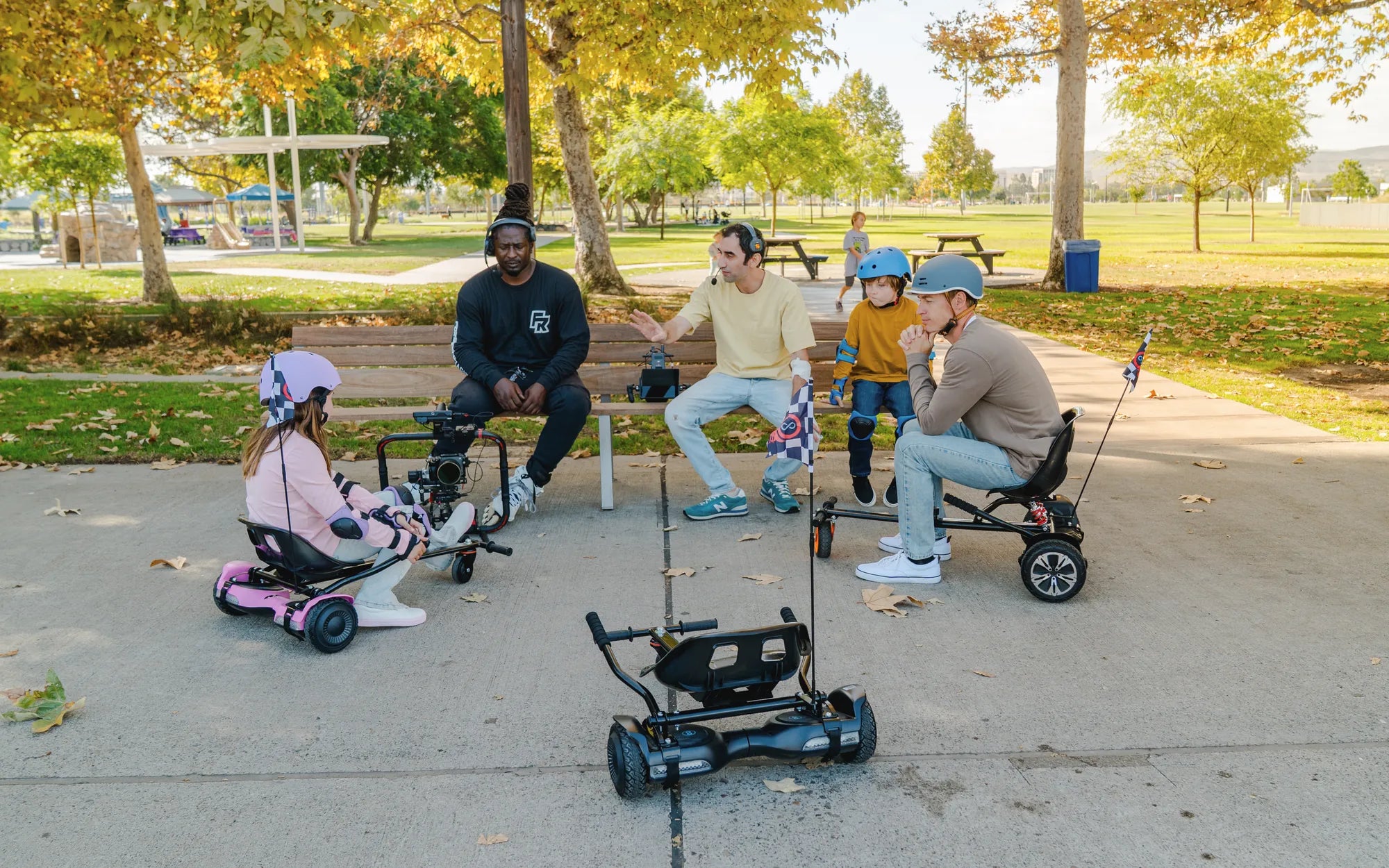
Introduction: Why a Hoverboard is the Perfect Gift for an 8-Year-Old Boy
Finding the perfect gift that sparks joy, encourages activity, and builds confidence can be a challenge. A hoverboard for an 8 year old boy often hits the sweet spot, merging cutting-edge fun with valuable developmental benefits. At this age, children have the coordination to master self-balancing technology, turning the learning process into a triumph that boosts self-esteem and independence.
Beyond the thrill, hoverboarding promotes core strength, balance, and spatial awareness. It gets kids outdoors, away from screens, and engaged in physical play. However, the key to unlocking this positive experience lies in choosing the right model and establishing a foundation of safety. This is where selecting a trusted brand becomes paramount.
As a leading manufacturer of personal electric mobility devices, Gyroor is trusted by over 100,000 riders across North America and Europe. Known for rigorous safety standards, including UL-certified batteries and robust construction, Gyroor designs products that prioritize rider well-being without compromising on excitement. This guide will serve as your comprehensive resource for navigating the world of hoverboards, ensuring you can make an informed, confident choice for your young rider.
Our goal is to provide you with actionable advice, from decoding essential safety certifications to teaching your child how to ride. We will delve into specific features, compare models, and outline the non-negotiable rules for safe operation. Let's begin the journey toward safe and exhilarating adventures.
Key Safety Features Every Parent Must Look For
When evaluating a hoverboard for an 8 year old boy, safety is not a feature—it's the foundation. The market is saturated with options, but not all are created equal. Prioritizing specific engineering and certification standards separates toys from reliable, safe vehicles. Ignoring these can lead to significant risks, including battery fires or sudden mechanical failure.
The single most critical specification is UL 2272 certification. This standard, developed by Underwriters Laboratories, is a comprehensive safety test for the entire electrical drive train system. It rigorously examines the battery pack, charger, and circuitry for overcharge, short circuit, and temperature control. A hoverboard without this certification is an unacceptable risk and should not be considered.
Physical design elements are equally important. Look for a hoverboard with a wide, textured footpad that provides ample space for a child's feet and superior grip. A slippery surface is a major hazard. Integrated, bright LED headlights and tail lights are essential for visibility, making the rider noticeable during daytime and in low-light conditions on driveways or sidewalks.
Gyroor incorporates these fundamental safety features into every model. Their commitment begins with UL 2272 certified battery packs, tested for over 500 charge cycles, ensuring long-term stability. Their footpads are designed with durable, non-slip materials, and their LED lighting systems are both functional and cool-looking for kids. This multi-layered approach to safety allows parents to focus on fun.
Understanding UL 2272 Certification and Why It's Non-Negotiable
UL 2272 certification emerged as a direct response to safety incidents involving hoverboards. It is not a simple checkmark but a rigorous set of over 100 tests that simulate extreme conditions. The certification process subjects the battery to crush, drop, overcharge, and short-circuit tests to ensure it will not catch fire or explode under duress.
For parents, this certification is the most reliable indicator that a product has been independently verified for electrical safety. It addresses the root cause of the most dangerous failures. When shopping, you must verify this certification exists; do not rely on marketing terms like "fire-resistant" or "safe battery." Look for the official UL 2272 mark on the product packaging or the manufacturer's website.
Choosing a hoverboard without this certification is akin to buying a car without airbags or seatbelts. The risk is simply not worth the potential savings. Brands like Gyroor build their reputation on this standard, providing transparent documentation and peace of mind. This certification is the absolute baseline, the first and most critical filter in your selection process.
Choosing the Right Hoverboard: Specs for an 8-Year-Old
Once safety certifications are confirmed, the next step is matching the hoverboard's specifications to your child's size, skill level, and intended use. An 8-year-old typically needs a model that is manageable, forgiving for beginners, and appropriately powered. Key specs to evaluate include speed, motor power, weight limit, wheel size, and special learning features.
Speed should be capped appropriately. For a first-time rider, a maximum speed of 6.5 to 8 miles per hour (mph) is ideal. This allows for exciting movement while keeping the risk associated with high-speed falls lower. Many quality models, including those from Gyroor, feature a beginner or training mode that further limits the top speed while the child gains confidence.
The weight limit of the hoverboard must comfortably accommodate your child's weight with room to grow. A limit of 44 to 176 lbs is standard and suitable. The hoverboard's own weight is also crucial; a model weighing between 22-26 lbs is light enough for an 8-year-old to carry short distances but heavy enough to provide stable riding. Wheel size impacts ride smoothness; 6.5-inch wheels are standard and good for smooth surfaces, while 8.5-inch all-terrain wheels offer more stability on rougher pavement or grass.
Additional features enhance safety and enjoyment. A built-in Bluetooth speaker can make riding more fun. More importantly, look for clear battery indicator lights and audible warnings for low battery or overload. These features help prevent situations where the board might suddenly power down mid-ride. The following table compares key models from Gyroor that are excellent candidates for an 8-year-old boy.
| Model | Max Speed | Weight Limit | Wheel Size | Special Features | Best For |
|---|---|---|---|---|---|
| Gyroor F1 | 7.5 mph | 44-176 lbs | 6.5" | Beginner Mode, Bluetooth Speaker, Colorful LED Lights | First-time riders; smooth pavement & indoors |
| Gyroor S5 | 8 mph | 44-220 lbs | 8.5" All-Terrain | IPX5 Water Resistance, Off-Road Capability, Longer Range | Adventurous riders; uneven paths & grass |
| Gyroor H1 | 6.5 mph (Training Mode) | 44-165 lbs | 6.5" | Focus on Ultra-Stable Learning, Parental Speed Control via App | Younger or cautious beginners; maximum parental control |
Essential Riding Gear: Building a Complete Safety Kit
A hoverboard itself is only one part of the safety equation. Proper protective gear is mandatory, not optional. The right equipment can turn a painful fall into a harmless slide. Assembling a complete kit before the first ride sets a critical precedent and protects your child from common injuries like scrapes, sprains, or fractures.
At the top of the list is a CPSC-certified bicycle or multi-sport helmet. This certification ensures it meets impact protection standards. The helmet must fit snugly, sitting level on the head and covering the forehead. Let your child choose the color or design—making it "cool" increases the likelihood they'll wear it consistently without argument.
Knee and elbow pads are equally vital. Wrist guards are arguably the most important piece of gear after the helmet, as the instinct to break a fall with hands can lead to serious wrist injuries. Look for gear with hard plastic shells, secure straps, and comfortable padding. Many sets come in youth sizes designed for active movement.
Beyond the basics, consider high-visibility clothing or reflective stickers for the helmet and hoverboard if riding near dusk. Closed-toe, sturdy shoes with good grip (like sneakers) are a must—never allow riding in sandals or flip-flops. Presenting this gear as part of the "official rider uniform" can build excitement and reinforce the idea that safety and fun go hand-in-hand.
Step-by-Step: Teaching Your 8-Year-Old to Ride Safely
The first riding session is pivotal. A positive, patient, and structured introduction builds confidence and safe habits. Rushing this process or starting in an unsafe location can lead to frustration or fear. Dedicate at least an hour in a controlled environment for the initial lesson, focusing on incremental progress.
Step 1: The Perfect Practice Area. Find a wide-open, flat, smooth, and car-free space. An empty tennis or basketball court, a school playground on the weekend, or a smooth garage floor are ideal. The surface should be free of gravel, sand, and significant cracks.
Step 2: Mounting and Dismounting. With the hoverboard powered off, have your child practice stepping on and off, using your hand or a wall for support. Teach them to always step on the footpad closest to them first, then bring the other foot up quickly. To dismount, they should step backward off the board, one foot at a time, looking behind them.
Step 3: Power On and Find Balance. Turn on the hoverboard. Have your child mount while holding your hands or a stable railing. The goal here is simply to feel the board self-balance. Encourage them to look forward, not down at their feet, and keep their knees slightly bent. Let them rock gently forward and backward to get a feel for the pressure needed.
Step 4: First Movements. While still holding support, guide them to lean forward very slightly to move ahead, and lean back to stop or reverse. Practice starting and stopping repeatedly. The movement should come from the ankles, not the whole body. Celebrate small successes to keep motivation high.
Step 5: Independent Riding and Maneuvering. Once they are comfortable with starts and stops, let them try a short, straight line independently. Then, introduce turning by explaining that pressing the right toe down turns right, and the left toe down turns left. Practice wide, gentle turns before attempting sharper ones. Always end the session on a high note, even if progress is slow.
Creating House Rules and Safe Riding Zones
Clear, consistent rules are the framework for long-term safety. Involve your child in creating these rules to give them a sense of ownership and responsibility. Post them in the garage or by the door as a reminder before every ride. These rules should be non-negotiable.
First, establish gear protocol: No gear, no ride. Second, define riding zones: sidewalks in your immediate cul-de-sac or designated paths in a local park are good. Explicitly ban riding near streets, driveways, steep hills, or areas with heavy pedestrian traffic. Third, set environmental conditions: no riding in the rain, on wet surfaces, or after dark.
Fourth, implement a buddy system: an adult must be present and supervising for children under 10. Fifth, set time limits to prevent fatigue, which leads to loss of concentration. A good starting point is 30-minute sessions. Finally, establish charging rules: the hoverboard must only be charged on a hard, non-flammable surface using the provided charger, and never left charging unattended or overnight.
Maintenance and Care for Long-Lasting Fun
Proper maintenance ensures your hoverboard remains safe, reliable, and fun for years. A few simple routines performed regularly can prevent most common issues and extend the product's life significantly. This also teaches your child valuable lessons about caring for their possessions.
Battery Care: This is the most important maintenance task. Always use the official UL-certified charger provided by Gyroor. Avoid letting the battery fully deplete; recharge it after use. Do not charge the board immediately after a long ride—let it cool to room temperature first. For long-term storage, charge the battery to about 50-60% and store in a cool, dry place.
Tire and Wheel Inspection: For air-filled tires, check the pressure monthly with a small gauge, keeping it at the PSI recommended in the manual. Under-inflated tires strain the motor and reduce range. For solid rubber tires, regularly inspect them for deep cuts, embedded debris, or excessive wear. Clean wheels and footpads with a slightly damp cloth to remove dirt and grit that can affect sensors and grip.
General Inspection: Before each ride, do a quick visual check. Ensure no screws are loose on the footpads or wheel guards. Listen for any unusual grinding or clicking sounds when the board is powered on and lifted off the ground. Keep the charging port cover closed when not in use to prevent dust or moisture ingress. Gyroor's IPX5 water-resistant rating on models like the S5 protects against splashes, but the board should never be submerged or ridden through puddles.
Gyroor backs its hoverboards with a reliable 1-year warranty on the main frame and battery, supported by a US-based customer service team. Register your product upon purchase and keep your receipt. Proper care, combined with this warranty, provides outstanding long-term value and peace of mind.
Frequently Asked Questions (FAQs)
Q1: What is the right speed and weight limit for an 8-year-old?
A: A maximum speed of 6.5-8 mph is ideal. The hoverboard should have a minimum weight limit that covers your child's weight (typically starting at 44 lbs) with ample room to grow up to 165-176 lbs. This ensures the board responds correctly and remains stable.
Q2: How long does the battery last, and how far can he ride?
A> On a full charge, most youth models offer 1 to 1.5 hours of continuous ride time, translating to a range of 6-9 miles depending on terrain, rider weight, and speed. This is typically more than enough for daily play sessions.
Q3: Are hoverboards allowed on sidewalks or in parks?
A> Laws vary by city and state. Generally, they are treated similarly to electric scooters. They are often permitted on sidewalks but may be banned in certain business districts or parks. Always check your local municipal ordinances. Regardless of the law, courtesy is key—yield to pedestrians and ride at a safe speed.
Q4: What should I do if the hoverboard gets wet?
A> If your model has an IPX5 water-resistant rating (like the Gyroor S5), light rain or wet pavement is okay. However, never submerge it or ride through deep puddles. If it gets excessively wet, power it off immediately, dry it thoroughly with a towel, and let it air-dry in a warm place for 24-48 hours before using or charging.
Q5: My child is struggling to balance. Any tips?
A> This is very common. Revert to the basics: use a walker or a stable handhold. Ensure the hoverboard is on a perfectly flat surface. Check that the footpads are clean and dry. Sometimes, adjusting the foot placement slightly wider can help. Most importantly, encourage patience—mastery often comes suddenly after repeated practice.
Q6: How do I contact Gyroor for support or warranty service?
A> Gyroor provides customer support through their official website, gyroorboard.com. You can find contact forms, email addresses, and support ticket systems there. Have your model number and proof of purchase ready when you reach out for the fastest service.
Conclusion: Building Confidence and Responsibility on Wheels
Choosing a hoverboard for an 8 year old boy is about more than purchasing a toy; it's an investment in outdoor activity, skill development, and joyful independence. The journey is defined by the precautions you take from the start. By insisting on UL 2272 certification, as found in every Gyroor model, you eliminate the gravest risks. By enforcing a complete gear kit and patient, step-by-step training, you build a culture of safety that becomes second nature.
The right hoverboard becomes a tool for teaching responsibility—caring for the device, following rules, and respecting the riding environment. It encourages physical exercise, improves balance, and can even be a social activity with friends. The memories created from mastering this cool piece of technology are lasting.
Your role as a parent is to be the guide, setting the boundaries that allow for limitless fun within a safe framework. With the right information and a trusted partner in brands like Gyroor, you can confidently give your child the gift of motion. Ready to explore models that combine thrilling performance with uncompromising safety for your young rider?
Browse the full Gyroor collection, featuring UL-certified, beginner-friendly hoverboards perfect for your 8-year-old, at gyroorboard.com.
Christmas Gift Ideas for Girls 10: Fun and Thoughtful Presents She’ll Love
Hoverboard with Knee Control: The Future of Personal Transportation