



Introduction: Why Choosing the Right Hoverboard Matters
Hoverboards have evolved from a fleeting tech trend into a legitimate, fun, and practical form of personal electric transportation. The market is flooded with options, making the search for a reliable 'hoverboard for sale' more complex than ever. Choosing the wrong one can lead to safety hazards, poor performance, and a disappointing experience.
This guide exists to cut through the noise. We will provide you with the knowledge to identify a quality hoverboard that balances critical safety features, real-world performance, and lasting value. As a leading brand trusted by over 100,000 riders, Gyroor exemplifies the engineering and safety standards you should demand. Let's begin your journey to finding the perfect ride.
Decoding Hoverboard Specifications: The Buyer's Technical Primer
Understanding key specifications is non-negotiable. These numbers and ratings directly translate to your safety, comfort, and enjoyment on the road. Ignoring them means buying blind.
We will break down each major component, explaining what it means for you as a rider. This knowledge empowers you to compare any 'hoverboard for sale' objectively, moving beyond marketing claims to tangible performance metrics.
Wheel Size and Terrain Compatibility
The wheel size is your first indicator of where the hoverboard is meant to ride. It dictates stability, comfort, and obstacle handling.
6.5-Inch Wheels: These are typically found on older or budget models. Best for perfectly smooth, indoor surfaces like hardwood or tile. They offer less stability and a bumpier ride on anything uneven.
8.5-Inch Wheels: The current standard for most quality all-purpose hoverboards. They provide a good balance of agility and stability, comfortably handling paved sidewalks, bike paths, and slightly rough asphalt.
10-Inch Wheels (All-Terrain): These larger, often air-filled tires are designed for varied surfaces. They can tackle grass, gravel, dirt paths, and significant pavement cracks with much greater ease, offering a significantly smoother ride.
Motor Power, Speed, and Climbing Ability
Hoverboards use dual hub motors, one in each wheel. Total wattage (e.g., 700W) is the combined power of both motors.
Power & Weight Capacity: A higher wattage motor (e.g., 350W per wheel) supports heavier riders and provides stronger torque for hill climbing. Most quality boards support riders from 44 lbs to 220 lbs. Always check the manufacturer's maximum weight limit.
Speed: Consumer hoverboards typically have a top speed between 7 and 12 mph (11-19 km/h). This is governed for safety. Higher wattage can help maintain speed on inclines. Don't be swayed by unrealistic speed claims.
Hill Grade: This spec, often given as a percentage (e.g., 15° slope), indicates the steepness of a hill the board can climb. More powerful motors handle steeper hills without slowing to a crawl.
Battery Life, Range, and the Critical Safety Factor
The battery is the heart of your hoverboard and the single most important safety component.
Capacity and Range: Capacity is measured in Watt-hours (Wh) or Amp-hours (Ah). A higher number generally means a longer range. Real-world range is affected by rider weight, terrain, temperature, and speed. A quality board offers 10-15 miles per charge.
Charge Time: Expect 2-4 hours for a full charge. Faster charging can stress battery cells, so a moderate charge time is often a sign of a better-managed battery system.
The UL 2272 Imperative: This certification from Underwriters Laboratories is non-negotiable. It means the entire electrical system, especially the battery pack, has passed rigorous tests for electrical, mechanical, and environmental safety. Never, ever consider a 'hoverboard for sale' without this certification.
Build Quality, IP Ratings, and Additional Features
Durability defines how long your investment will last.
IP Rating (Ingress Protection): This indicates resistance to dust and water. An IPX4 rating protects against water splashes from any direction. IPX5, like on Gyroor models, means it can withstand low-pressure water jets, allowing you to ride through puddles and in light rain safely.
Frame and Footpads: A robust, often aluminum-alloy frame resists flexing and impact. Textured, rubberized footpads provide essential grip.
Rider Modes & Connectivity: Beginner/Expert modes help new riders learn safely. Bluetooth connectivity for speakers and companion apps for speed tracking are common premium features.
Gyroor Hoverboards: A Case Study in Engineered Confidence
Examining a brand that prioritizes these specifications shows what a quality 'hoverboard for sale' should deliver. Gyroor's approach focuses on foundational safety and performance.
With a product range developed for the North American and European markets, their design philosophy centers on reliability. This is evident in their core engineering choices.
The UL-Certified Battery Advantage: Safety as a Foundation
Every Gyroor hoverboard uses a UL 2272 certified battery pack as a baseline standard. This isn't an add-on; it's integrated into the design process.
These battery cells are tested for over 500 charge cycles while maintaining stability, which translates to years of reliable use. This certification is your primary defense against the thermal runaway and fire risks associated with poorly made lithium-ion batteries.
Built for the Real World: IPX5 Water Resistance and Durability
An IPX5 rating is a commitment to all-weather practicality. It means the hoverboard's electronics are sealed against water jets, allowing you to commute or have fun without panic at the sight of a wet sidewalk or a morning drizzle.
This level of protection is coupled with a reinforced frame designed to handle the vibrations and minor impacts of daily urban riding. It’s built not just for a smooth parking lot, but for the imperfect reality of city streets.
Peace of Mind: The 1-Year Comprehensive Warranty and Support
A warranty is a promise. Gyroor's 1-year warranty on the hoverboard is backed by accessible customer support.
This contrasts sharply with generic brands that disappear after the sale. It means if an issue arises due to manufacturing, you have a direct path to resolution, protecting your investment long-term.
Hoverboard Buyer's Checklist: Your Step-by-Step Evaluation Guide
Use this actionable list when evaluating any 'hoverboard for sale.' Print it out or save it on your phone.
- 1. Safety First: Confirm UL 2272 certification for the entire device. This is your absolute line in the sand.
- 2. Match Power to Need: Check total motor wattage (e.g., 700W). Ensure it supports your weight and can handle the hill grades in your area.
- 3. Choose the Right Wheels: Select wheel size based on your primary terrain: 8.5" for city pavement, 10" for varied or rougher surfaces.
- 4. Demand Weather Resistance: Look for an IPX4 rating as a minimum; IPX5 or higher is ideal for true peace of mind.
- 5. Vet Range Claims: Compare battery capacity (Wh). Read user reviews to see real-world range, not just advertised maximums.
- 6. Research the Brand: Do they offer a clear warranty? Is customer support contactable? How long have they been in the market?
- 7. Read Verified Reviews: Look for patterns in feedback on sites like Trustpilot or the brand's own store. Pay attention to comments on durability and customer service.
Hoverboard Comparison: Key Models and Specifications
This table compares general hoverboard types based on core specifications to help you identify the right category for your needs.
| Feature / Type | Standard Urban Commuter | All-Terrain Explorer | Performance & Range Focused |
|---|---|---|---|
| Typical Wheel Size | 8.5" Solid Rubber | 10" Air-Filled | 8.5" or 10" |
| Motor Power (Total) | 600W - 800W | 800W - 1000W+ | 800W - 1000W+ |
| Ideal Terrain | Paved paths, sidewalks, smooth asphalt | Grass, gravel, dirt, bumpy pavement | Long-distance paved routes |
| Key Feature | Balance of agility, range, and portability | Maximum shock absorption and off-road traction | Large capacity battery for extended range |
| Priority | Everyday reliability, safety certs, water resistance | Durability, high-torque motors, robust frame | Battery quality, efficient motor management |
Mastering Your Ride: Essential Safety and Maintenance Tips
Owning a quality hoverboard is the first step; riding it responsibly ensures years of safe fun.
Essential Safety Gear and Riding Practices
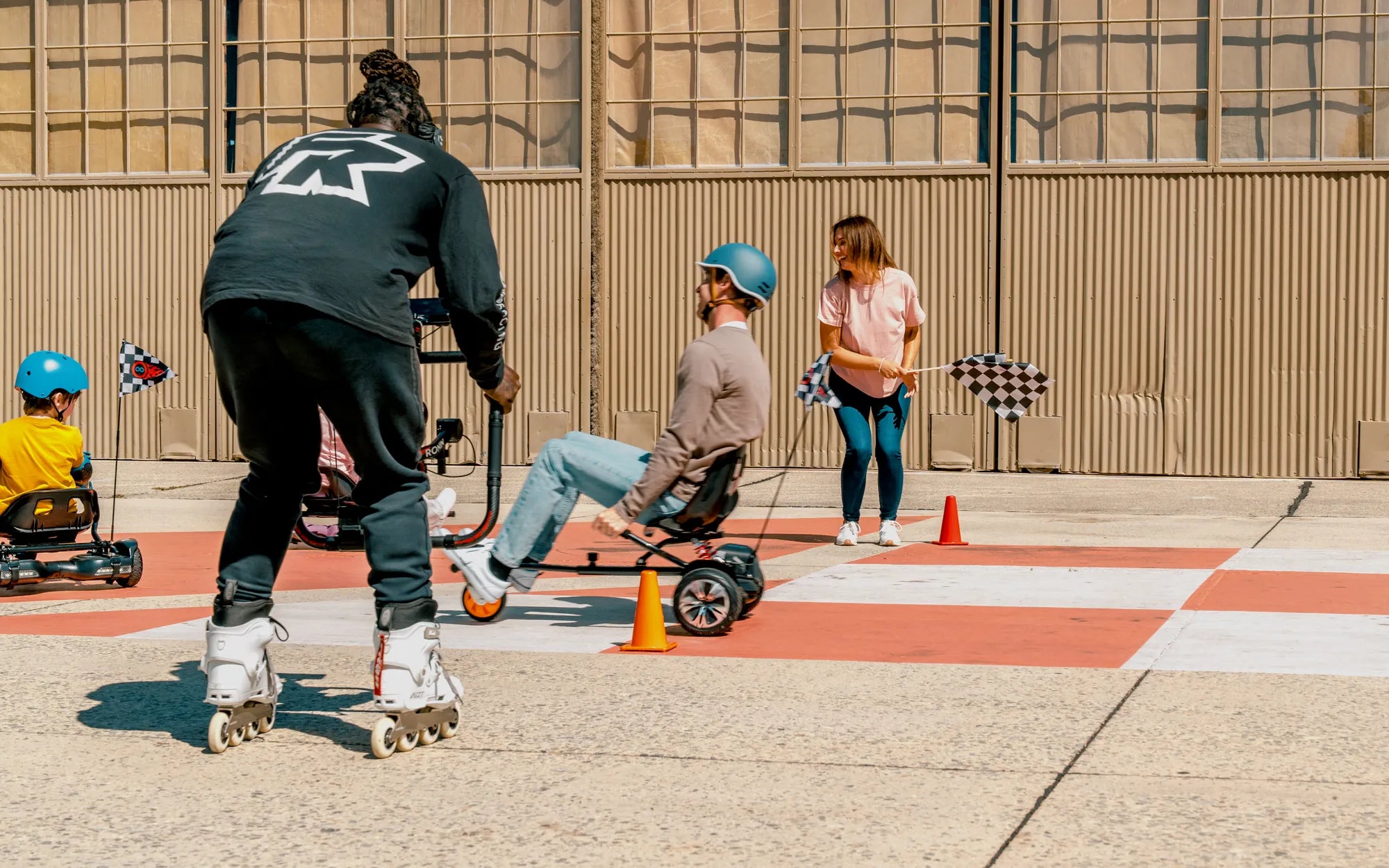
Always wear a helmet designed for skating or cycling. Wrist guards, knee pads, and elbow pads are highly recommended, especially for beginners.
Start in a safe, open, flat area like an empty parking lot. Use the beginner mode to get accustomed to the sensitive balance controls. Always be aware of your surroundings, avoid public roads with traffic, and obey local laws regarding where personal electric vehicles are permitted.
Routine Maintenance for Longevity
Keep the tire pressure correct if you have air-filled tires. Wipe down the board with a damp cloth after riding in wet or dirty conditions. Regularly check for loose screws or parts.
Store your hoverboard in a cool, dry place, and avoid leaving it at full or zero charge for extended periods. Use only the manufacturer-provided charger to prevent battery damage.
Hoverboard FAQs: Your Top Questions Answered
Q: Are hoverboards safe to use in 2024?
A> Yes, when you purchase a UL 2272 certified model from a reputable brand. The safety issues that made headlines years ago were linked to uncertified, poorly manufactured batteries. Modern, certified hoverboards from brands like Gyroor are engineered to strict safety standards.
Q: What is the legal age to ride, and where is it allowed?
A> Laws vary by city, state, and country. Typically, riders must be 8-16 years old minimum. They are generally prohibited on public roads but allowed on sidewalks, bike paths, and private property. Always check your local ordinances before riding.
Q: How much should I spend on a quality hoverboard?
A> Expect to invest between $250 and $600 for a reliable, safe hoverboard. The sub-$200 market is high-risk and often lacks proper certifications. Investing in a mid-range model ensures safety features, better components, and warranty support.
Q: Can adults ride hoverboards?
A> Absolutely. Many models are designed for riders up to 220-265 lbs. Adults should prioritize models with higher motor wattage (800W+) and larger wheels (8.5" or 10") for stability and performance.
Q: What maintenance does a hoverboard need?
A> Minimal but important maintenance includes: keeping it clean and dry, checking tire pressure (for air-filled tires), ensuring the charger port is free of debris, storing it partially charged (around 50-70%) if not used for weeks, and checking for loose hardware periodically.
Your Perfect Ride Awaits: Invest in Confidence
The search for the right 'hoverboard for sale' culminates in a simple truth: an informed buyer gets a better product. By prioritizing UL 2272 certification, matching specifications to your lifestyle, and choosing a brand that stands behind its products with solid warranties, you transform a simple purchase into a long-term investment in fun and mobility.
Don't compromise on the fundamentals that guarantee safety and durability. Use the checklist provided, understand the specs, and choose a partner in your ride, not just a seller. A well-chosen hoverboard offers freedom, excitement, and a unique way to experience your world.
Ready to find a hoverboard engineered for real-world performance and safety? Browse the full, certified Gyroor collection at gyroorboard.com and discover the model built for your next adventure.
Most Expensive Hoverboard: Where Engineering Excellence Meets Opulent Design
Most Expensive Hoverboard: Where Engineering Excellence Meets Opulent Design