



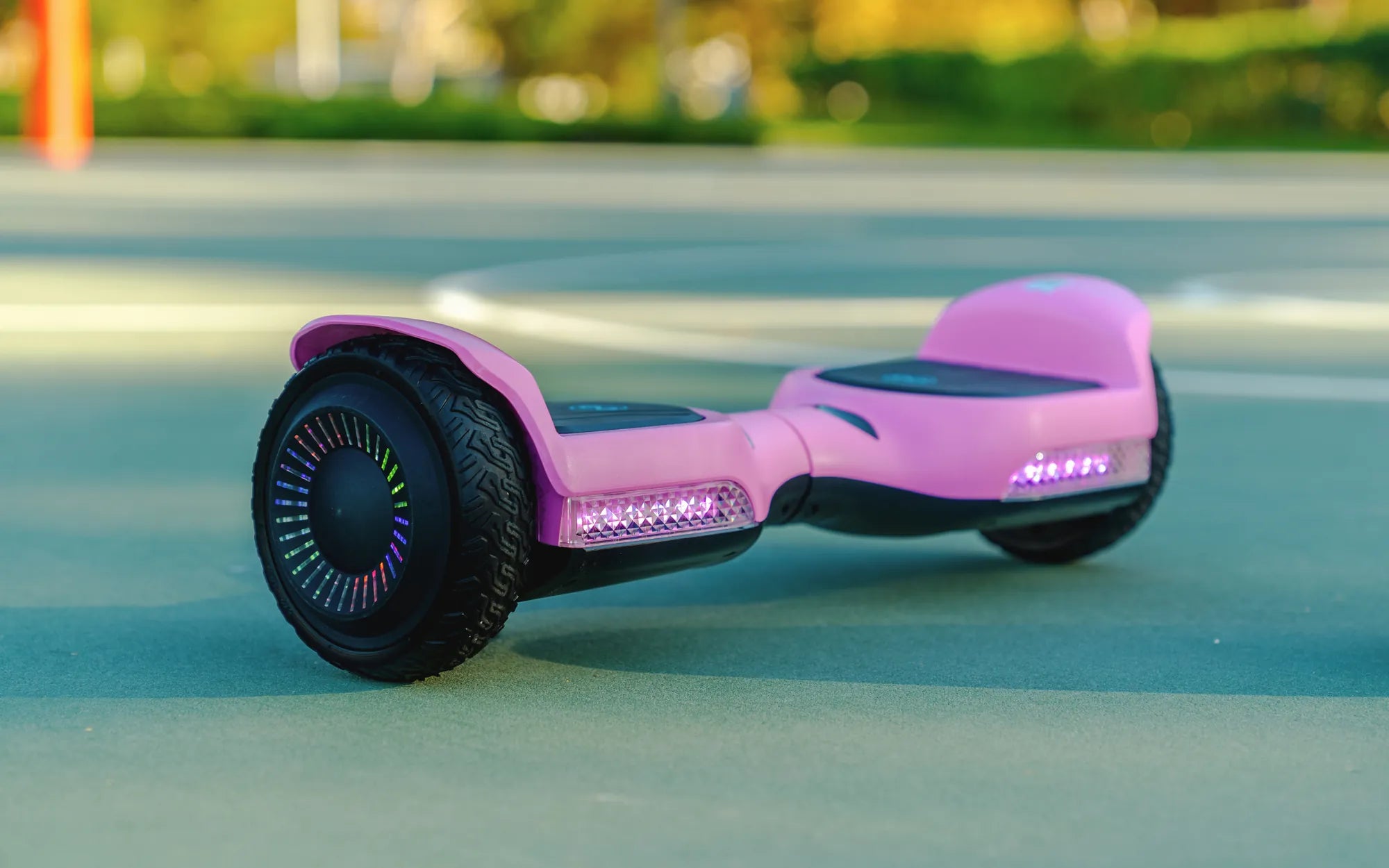
Hoverboards have revolutionized personal transportation, offering a fun and efficient way to get around. But one critical factor often overlooked is the weight limit, measured in kilograms (KG). Understanding hoverboard KG limits is essential for safety, performance, and longevity. Whether you're a beginner or an experienced rider, this guide will help you navigate the world of hoverboard weight capacities and make an informed decision.
Why Hoverboard Weight Limits Matter
Hoverboards are designed with specific weight capacities to ensure optimal performance and safety. Exceeding the recommended KG limit can strain the motor, reduce battery life, and even lead to accidents. Manufacturers set these limits based on the hoverboard's motor power, battery capacity, and structural integrity. Ignoring these guidelines can result in poor maneuverability, slower speeds, and potential damage to the device.
How Weight Affects Hoverboard Performance
The weight of the rider directly impacts how a hoverboard functions. Heavier riders may notice slower acceleration, reduced top speed, and shorter battery life. On the other hand, lighter riders might find the hoverboard overly sensitive or difficult to control. Most hoverboards have a weight range between 20 KG and 120 KG, but high-performance models can support even more. Always check the manufacturer's specifications to ensure a smooth and safe ride.
Choosing the Right Hoverboard for Your Weight
Selecting a hoverboard that matches your weight is crucial for both safety and enjoyment. Here are some tips to help you choose the right model:
- Check the KG limit: Always verify the maximum weight capacity before purchasing.
- Consider motor power: Higher-wattage motors (350W or more) handle heavier loads better.
- Look for reinforced frames: Sturdy construction ensures durability under heavier weights.
- Test ride if possible: Ensure the hoverboard feels stable and responsive under your weight.
Safety Tips for Riding Near the Weight Limit
If you're close to the hoverboard's maximum KG capacity, follow these safety precautions:
- Avoid rough terrain or steep inclines, as these can overwork the motor.
- Monitor battery life closely, as heavier loads drain power faster.
- Wear protective gear, including a helmet and knee pads, to minimize injury risks.
- Regularly inspect the hoverboard for signs of wear or stress.
The Future of Hoverboard Weight Capacities
As technology advances, hoverboards are becoming more robust and capable of supporting higher weights. Innovations in battery efficiency, motor power, and materials are paving the way for hoverboards that can accommodate a wider range of riders. Future models may feature adjustable settings to optimize performance based on the rider's weight, making hoverboards more accessible to everyone.
Ready to find the perfect hoverboard for your weight? Understanding hoverboard KG limits is the first step to a safer, smoother, and more enjoyable ride. Don't compromise on performance—choose a model that matches your needs and hit the streets with confidence!
Hoverboard Turning Radius: The Key to Smooth and Safe Maneuvering
How to Connect My Hoverboard to Bluetooth: A Step-by-Step Guide