

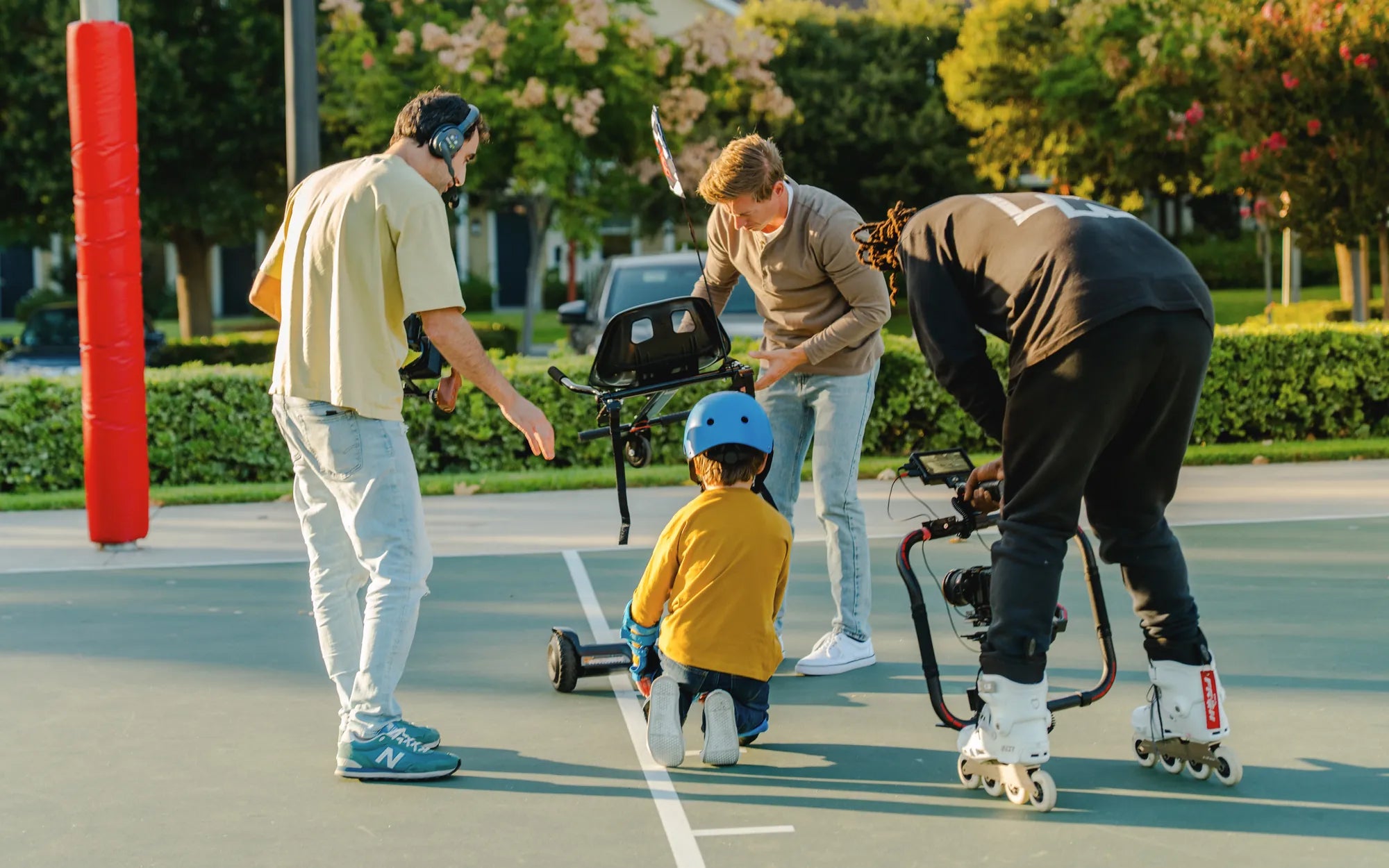
Imagine unlocking a new dimension of personal transport by merging the agile, electric heart of a hoverboard with the stable, thrilling chassis of a go-kart. This guide provides the complete blueprint for that transformation. You will learn the step-by-step process, from sourcing the right components to final assembly and safety testing, to build a unique electric vehicle. This project repurposes technology for enhanced stability, range, and fun, offering a deeply satisfying hands-on build that results in a custom ride unlike any other.
Why Transform Your Hoverboard? Benefits Beyond the Build
Converting a hoverboard into a go-kart is more than a weekend project; it's an upgrade to the fundamental riding experience. The primary benefit is a dramatic increase in stability and safety. A hoverboard requires constant balance, which can be challenging, especially for younger riders. By mounting it into a kart frame, you create a stable, seated platform that eliminates the risk of falling off during operation.
This transformation also extends the practical utility of your hoverboard. The seated position is far more comfortable for longer rides, allowing you to enjoy the electric drivetrain for extended periods. You effectively create a personal electric vehicle capable of traversing driveways, parking lots, and private paths with ease, combining the compactness of a hoverboard with the comfort of a kart.
From a sustainability and economic perspective, this project offers brilliant creative reuse. Instead of retiring an older hoverboard with diminished novelty, you give it a thrilling second life as the power unit for a new vehicle. This approach is often more cost-effective and rewarding than purchasing a pre-made, entry-level electric go-kart, which may lack power or quality components.
Finally, the result is a fully customizable product. You control the frame design, seat type, steering feel, and aesthetics. The finished kart becomes a reflection of your engineering creativity, outperforming many basic commercial models because it's built around a proven, high-torque electric drivetrain. The sense of accomplishment from riding something you built is an unparalleled reward.
Essential Tools and Parts: Your Pre-Build Checklist
Success begins with thorough preparation. Gathering all necessary tools and materials before starting will make the build process smooth and efficient. The core of your project is, of course, the hoverboard. For reliability and safety, starting with a robust model is non-negotiable. We recommend using a UL-certified hoverboard from a brand like Gyroor, known for its certified battery packs and durable motors, providing a safe and powerful foundation.
Tools You Will Need:
- Power Drill & Various Drill Bits
- Socket Wrench Set & Hex Keys
- Jigsaw or Circular Saw (for wood frame)
- Angle Grinder or Hacksaw (for metal frame)
- Measuring Tape, Square, and Marker
- Screwdrivers (Flathead and Phillips)
- Safety Gear: Gloves, Safety Glasses
Materials and Parts List:
- Frame Material: 3/4" Plywood (for wood) or 1" Square Steel Tubing (for metal)
- Go-Kart Seat: A padded, bucket-style seat with mounting brackets.
- Steering System: Steering wheel, column, and a tie-rod linkage kit.
- Fasteners: Assortment of Bolts, Nuts, Lock Washers, and Wood Screws.
- Wheels & Axles (Front): Two non-motorized wheels with fixed axles for the front.
- Miscellaneous: Electrical tape, zip ties, a main power kill switch, and potentially a 3D-printed or fabricated mounting bracket for the hoverboard.
Having this checklist completed ensures you won't have to pause your build mid-process, which can lead to frustration and errors. Double-check that your hoverboard is fully functional before integrating it into the new chassis.
Frame Design and Construction: Building the Foundation
The frame is the skeleton of your go-kart, determining its strength, weight, and handling. The first decision is material choice. Plywood is an excellent, accessible option for a first-time builder; it's easy to cut and shape with standard woodworking tools. For a more durable and professional result, square steel tubing offers superior strength and longevity but requires welding or bolting with precise metalworking skills.
Key measurements are critical for a balanced kart. A standard design includes a wheelbase (distance between front and rear axles) of approximately 36 to 42 inches. The seat should be positioned so the rider's weight is centered slightly forward of the rear axle, ensuring the hoverboard's wheels maintain proper traction. The frame's width must accommodate the hoverboard's wheel span with a little extra clearance.
Construction begins with creating a simple rectangular or trapezoidal base frame. For a wood frame, use sturdy corner brackets and wood glue in addition to screws for maximum rigidity. For a metal frame, ensure all welds are clean and strong, or use gusseted bolt-together connections. Always test the frame's rigidity by applying pressure before mounting any components.
Safety in construction cannot be overstated. Sand all wooden edges smooth to prevent splinters. If working with metal, deburr all cut edges. The frame must be absolutely level and symmetrical to prevent the kart from pulling to one side. This foundational step requires patience and precision, as every other component relies on a true and sturdy base.
Integrating the Hoverboard Drivetrain: The Power Core
This is the most technically crucial step: securely mounting the hoverboard to the frame so its built-in wheels become the kart's direct drive rear wheels. The goal is to fix the hoverboard in place while allowing its internal gyroscopes and motors to function normally. The board must be mounted level, with its wheels making solid, consistent contact with the ground.
One effective method is to build a simple cradle from wood or metal that cradles the hoverboard's body, clamping it securely using bolts and padded brackets. Avoid applying pressure to the central folding mechanism or the battery compartment. The cradle is then bolted directly to the main frame of the kart. The hoverboard's wheels should protrude slightly below the frame to ensure they are the only point of contact at the rear.
Preserving the self-balancing functionality is key. When powered on, the hoverboard will still try to self-level. With the rider's weight now permanently on the board (via the seat and frame), it will interpret this as the "neutral" position. Leaning forward or backward in the seat will cause the board to drive forward or reverse, just as if you were standing on it. Proper weight distribution during mounting is essential for this to work correctly.
Electrical integration is minimal but important. You will need to extend the hoverboard's power button to a more accessible location, such as a dashboard on the steering column. This often involves carefully soldering wires to the existing button contacts and running them to a new, mounted switch. Always disconnect the battery before performing any electrical work and use proper wire connectors and insulation.
Steering and Control System Assembly
A standard go-kart uses a direct steering linkage. For this build, you have two main options: connect the steering directly to the hoverboard's lean mechanism or create a hand-controlled system that overrides the footpads. The first method is more complex but preserves the original intuitive lean-to-steer feel.
For direct linkage, you must mechanically connect the steering column's movement to the hoverboard's footpads. This can be done using a system of pushrods or cables that tilt the left and right footpads in opposition. When you turn the wheel left, the mechanism presses down on the right footpad (simulating a right-foot lean) to initiate a left turn. This requires precise engineering to get the steering ratio and feel correct.
A simpler, more common approach is to bypass the footpad lean sensors entirely. This involves opening the hoverboard and connecting the left and right motor control wires to a dual-throw switch or a potentiometer setup controlled by the steering wheel. Turning the wheel adjusts the power sent to each wheel, creating a differential drive steering effect. This method offers more direct control but requires a good understanding of the board's wiring.
Regardless of the method, the physical steering column and tie-rod assembly must be solid. The front wheels should be mounted on a fixed axle with sturdy pillow block bearings. The tie rods connecting the steering column to the wheel spindles must have minimal play to ensure responsive and predictable handling. Always include a steering stop mechanism to prevent the wheels from turning too far and damaging components.
Final Assembly: Seat, Safety, and Finishing Touches
With the drivetrain and steering operational, you can now focus on the rider interface and final safety checks. Mount the seat securely to the frame using the provided brackets or heavy-duty bolts. The seat's position should allow the rider to comfortably reach the steering wheel and have their feet resting on a non-moving part of the frame, never near the hoverboard's wheels.
Incorporate critical safety features. Install a main power kill switch within easy reach of the rider, wired directly to the hoverboard's battery. This allows for immediate shutdown in an emergency. Consider adding a low-voltage disconnect circuit to prevent damaging the battery by over-discharging it. All wiring should be neatly routed and secured with zip ties away from moving parts.
Perform a meticulous final check. Tighten every bolt and nut, applying thread-locker where appropriate. Inspect all electrical connections for security and proper insulation. Ensure the hoverboard is firmly locked in its cradle and cannot shift during operation. Check that the front wheels spin freely and the steering moves smoothly without binding.
Your first test must be conducted with extreme caution. Choose a wide-open, flat, paved area free of obstacles. Wear a full face helmet, gloves, and other protective gear. Start with very gentle inputs, testing acceleration, braking (by leaning back), and steering at a walking pace. Gradually increase speed only after you are completely confident in the kart's stability and control response. This phased testing is vital for identifying any last-minute adjustments.
Performance and Safety: Data-Driven Considerations
Understanding the performance envelope of your creation is key to safe enjoyment. The table below compares the typical specs of a standard hoverboard versus the transformed go-kart, based on using a quality 6.5" or 8.5" hoverboard model.
| Feature | Standard Hoverboard | Hoverboard Go-Kart |
|---|---|---|
| Top Speed | 6-10 mph | 8-12 mph (similar, but feels faster seated) |
| Range | 7-12 miles | 5-9 miles (increased weight reduces range) |
| Weight Capacity | Up to 220 lbs | Up to 180-200 lbs (frame adds weight) |
| Primary Use | Standing, balance-based | Seated, stable recreation |
| Terrain | Smooth pavement only | Smooth pavement only |
Safety is the paramount concern and must be addressed with a rigorous, non-negotiable protocol. Always wear a helmet, knee pads, and elbow pads. The importance of starting with a UL-certified battery system, a hallmark of Gyroor hoverboards, cannot be overstated. This certification means the battery pack has passed stringent tests for electrical and fire safety, drastically reducing risk during the build and operation.
While some hoverboards like Gyroor's feature IPX5 water-resistant designs, the modified kart is not waterproof. Avoid puddles and wet conditions entirely, as moisture in the electrical connections can cause shorts or failures. The kart has no mechanical brake; stopping relies entirely on the hoverboard's regenerative braking system. Practice controlled stopping at low speeds first.
Legally, this vehicle is not street-legal. It lacks required lighting, signaling, registration, and safety equipment. It is intended for use on private property only, such as a driveway, backyard, or closed course. Regular maintenance is essential: check tire pressure (on front wheels), inspect all bolts for tightness, and listen for any unusual sounds from the motors or bearings before each use.
Frequently Asked Questions (FAQ)
Is any hoverboard suitable for this conversion?
No. You need a hoverboard with sufficient motor power (at least 350W total) and, most importantly, a UL-certified battery system for safety. Older or uncertified models pose a significant fire risk. Brands like Gyroor, which build to this standard, are ideal starting points due to their reliable power and safety credentials.
How much does the total project cost?
Excluding the hoverboard, the build can cost between $150 and $300 for materials (wood/metal, seat, steering kit, hardware). If you need to purchase a new hoverboard specifically for the project, add $200-$400 for a quality, certified model. The total is often still less than a pre-built electric go-kart of comparable power.
Can I add a mechanical brake?
Yes, but it is mechanically complex. Adding a brake to the non-motorized front axle requires installing a brake disc, caliper, and a hand lever on the steering column. For most builders, relying on the hoverboard's regenerative braking and planning for ample stopping distance is the more practical approach.
What is the approximate build time?
For a first-time builder, allow 15-25 hours spread over several weekends. This includes planning, part sourcing, fabrication, assembly, and testing. Rushing the process leads to mistakes. Having a helper can significantly speed up steps like holding parts in place during assembly.
Is the finished kart safe for children?
It can be, but with strict supervision and limitations. The kart should only be used by children old enough to understand and follow safety rules, typically 12+, and always under direct adult supervision. The speed should be limited (some hoverboards have beginner modes), and use must be confined to a safe, controlled environment.
The Reward of the Ride and Your Next Steps
The journey from a collection of parts to a functioning, electric go-kart delivers a profound sense of accomplishment. You've not only built a unique vehicle but also gained valuable skills in basic engineering, fabrication, and electronics. The enhanced riding experience—combining stability, comfort, and electric agility—validates every hour spent on the build.
Responsible ownership means adhering to the safety protocols outlined, performing regular maintenance, and respecting the legal limitations of your homemade vehicle. The peace of mind that comes from using a reliable core component is invaluable. This is why starting with a hoverboard from a trusted brand like Gyroor, backed by a 1-year comprehensive warranty and robust customer support, is a recommended best practice for such an innovative project.
Your creation stands as a testament to DIY ingenuity. Whether it's for personal fun, a project with a young engineer, or simply the challenge, transforming a hoverboard into a go-kart unlocks a new world of electric mobility. For those inspired to start with a reliable foundation, explore the range of UL-certified hoverboards and electric rideables designed for performance and safety.
Ready to start your project with a safe, powerful core? Browse the full Gyroor collection of UL-certified hoverboards, electric scooters, and e-bikes at gyroorboard.com.
Christmas Gift Ideas for Girls Age 12: Fun and Thoughtful Presents
Hoverboard Release Date: The Future of Personal Transportation is Here