



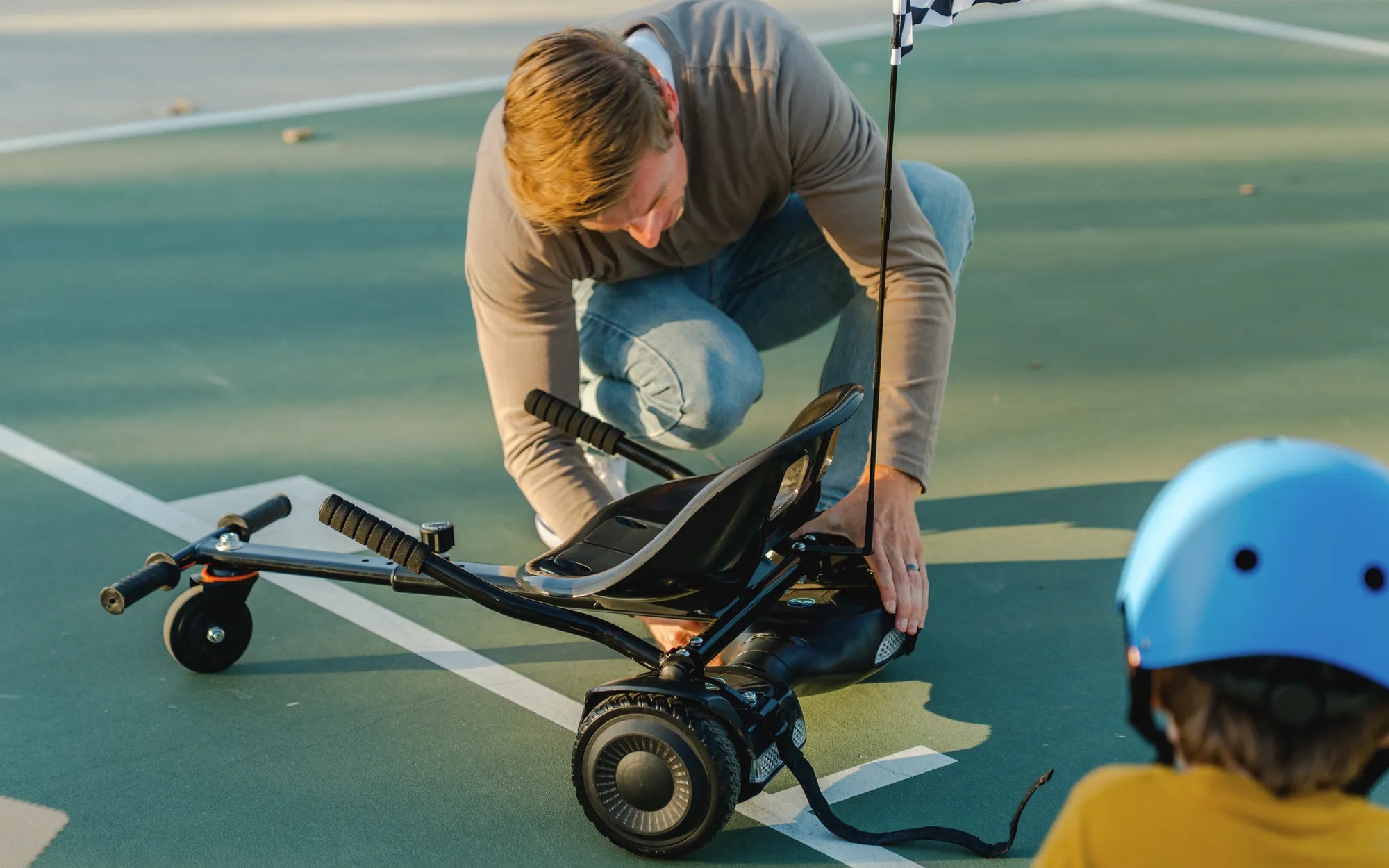
Remember when hoverboards seemed like the future of personal transportation? From viral videos to celebrity endorsements, these self-balancing scooters took the world by storm. But what happened to the hoverboard trend, and where is it headed next? Let’s dive into the fascinating journey of hoverboards and their impact on modern mobility.
The Explosive Rise of Hoverboards
Hoverboards burst onto the scene in the mid-2010s, capturing the imagination of tech enthusiasts and casual riders alike. Their sleek design and futuristic appeal made them an instant hit, especially among younger audiences. Social media played a huge role in their popularity, with viral videos showcasing tricks, stunts, and even hoverboard dance routines.
Celebrities and influencers quickly adopted the trend, further fueling demand. The hoverboard became a symbol of cutting-edge personal mobility, blending convenience with a touch of sci-fi coolness. For a brief moment, it seemed like everyone wanted one—or at least wanted to try one.
The Challenges and Controversies
However, the hoverboard trend wasn’t without its problems. Safety concerns emerged as reports of overheating batteries and spontaneous fires made headlines. Regulatory bodies stepped in, and many countries imposed strict safety standards or outright bans on certain models. This led to a decline in sales and a tarnished reputation for the product category as a whole.
Beyond safety issues, hoverboards also faced criticism for their practicality. Limited battery life, uneven terrain challenges, and a lack of infrastructure for personal mobility devices made them less appealing for everyday use. The initial hype began to fade, and the hoverboard trend seemed to lose momentum.
The Evolution of Personal Mobility
Despite the setbacks, hoverboards didn’t disappear entirely. Instead, they evolved. Manufacturers improved battery technology, added better safety features, and even introduced off-road models with enhanced stability. The focus shifted from gimmicky appeal to functional utility, making hoverboards a more viable option for short-distance commuting.
Today, hoverboards are part of a broader ecosystem of personal electric vehicles (PEVs), which include electric scooters, skateboards, and unicycles. They’ve found niche applications in urban environments, campuses, and even last-mile delivery services. The hoverboard trend may not dominate headlines anymore, but its influence on personal mobility is undeniable.
What’s Next for Hoverboards?
As technology advances, hoverboards could see a resurgence. Innovations like AI-assisted balancing, longer battery life, and integration with smart city infrastructure could redefine their role in transportation. Some experts predict that hoverboards might even incorporate autonomous features, allowing them to follow users or navigate predefined routes.
Beyond practicality, hoverboards continue to hold cultural significance. They’ve become a staple in movies, music videos, and futuristic aesthetics. Whether as a toy, a tool, or a statement piece, hoverboards have cemented their place in the zeitgeist.
So, are hoverboards just a passing fad or a glimpse into the future of mobility? One thing’s for sure—they’ve left an indelible mark on how we think about personal transportation. The next time you see someone gliding effortlessly down the street, remember: the hoverboard trend might be quieter now, but it’s far from over.
Waterproof Hoverboard UK: The Ultimate Guide to All-Terrain Fun
Hoverboard Blinking Red Battery Light: Causes, Fixes, and Safety Tips