



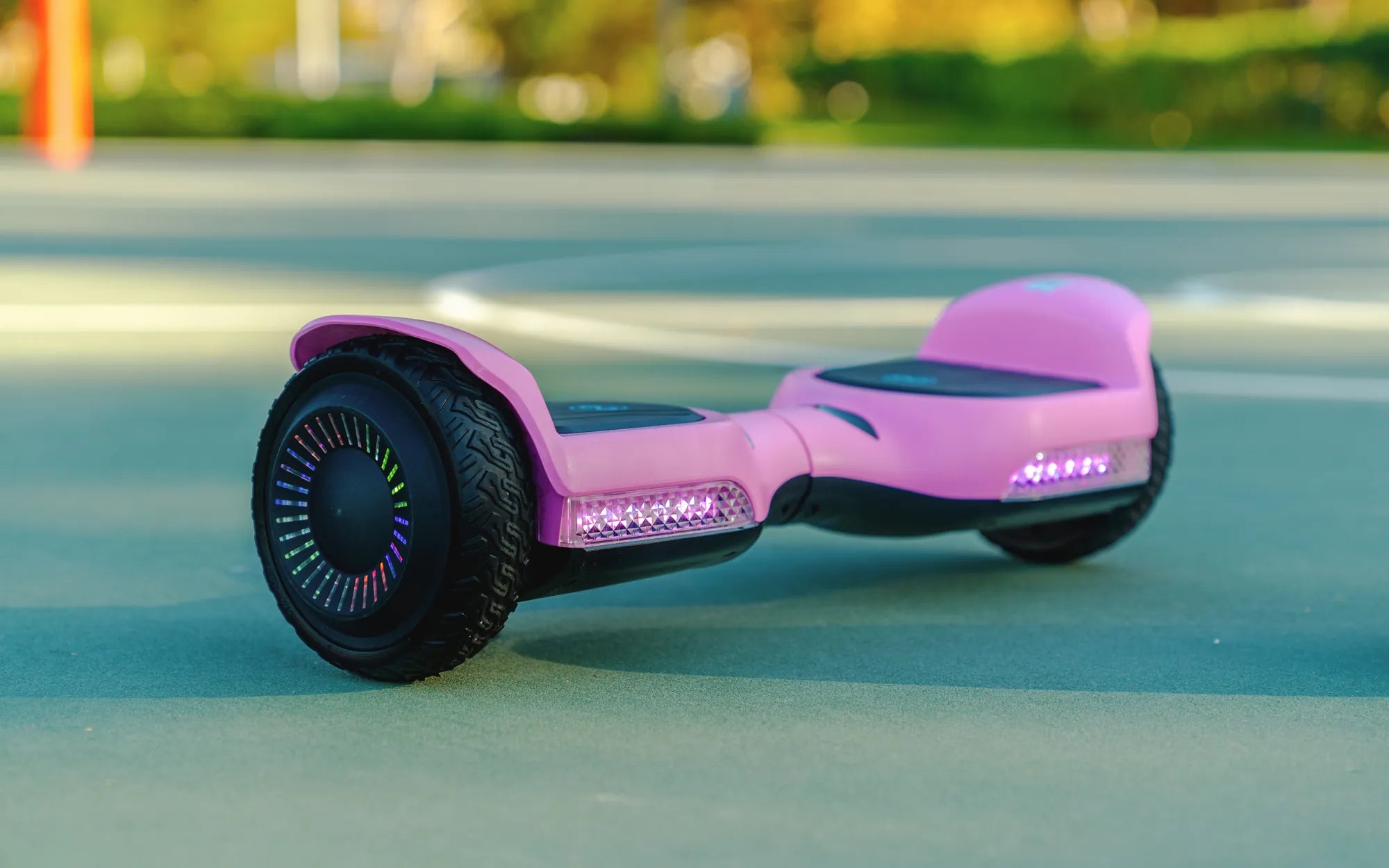
Hoverboards are a fun and convenient way to get around, but when wheel problems arise, they can quickly turn your ride into a nightmare. From uneven wear to sudden stops, hoverboard wheel issues can be both annoying and hazardous. If you've ever been stranded mid-ride or felt your hoverboard wobble uncontrollably, you're not alone. Let's dive into the most common hoverboard wheel problems and how to tackle them head-on.
Common Hoverboard Wheel Problems
Hoverboard wheels are subjected to constant stress, which can lead to a variety of issues over time. Here are some of the most frequent problems riders encounter:
- Uneven Wheel Wear: One wheel may wear down faster than the other, causing imbalance.
- Wheel Locking Up: The hoverboard may suddenly stop due to a locked wheel.
- Wobbling or Vibrations: This can make the hoverboard unstable and difficult to control.
- Reduced Traction: Worn-out wheels can slip, especially on wet surfaces.
- Strange Noises: Grinding or squeaking sounds often indicate wheel issues.
Causes of Hoverboard Wheel Problems
Understanding what causes these problems can help you prevent them in the future. Here are the primary culprits:
Poor Maintenance
Neglecting regular maintenance is one of the leading causes of wheel problems. Dirt, debris, and lack of lubrication can accelerate wear and tear.
Rough Terrain
Riding on uneven or rough surfaces can damage the wheels over time. Gravel, potholes, and curbs are particularly harsh on hoverboard wheels.
Overloading
Exceeding the weight limit of your hoverboard puts extra strain on the wheels, leading to premature wear.
Low-Quality Wheels
Cheap or substandard wheels are more prone to damage and may not provide the durability needed for regular use.
How to Fix Hoverboard Wheel Problems
If you're already facing wheel issues, don't worry—many problems can be fixed with some basic troubleshooting.
Cleaning and Lubrication
Dirt and debris can cause wheels to grind or lock up. Regularly clean the wheels and apply lubricant to keep them moving smoothly.
Replacing Worn-Out Wheels
If your wheels are severely worn or damaged, replacement is often the best solution. Make sure to use high-quality replacement wheels for longevity.
Balancing the Wheels
Uneven wear can cause wobbling. Rotate the wheels periodically to ensure even wear and balance.
Checking the Bearings
Faulty bearings can lead to grinding noises and reduced performance. Inspect and replace them if necessary.
Preventing Future Hoverboard Wheel Problems
Prevention is always better than cure. Here are some tips to keep your hoverboard wheels in top condition:
- Avoid riding on rough or uneven surfaces whenever possible.
- Clean your hoverboard wheels regularly to remove dirt and debris.
- Stay within the recommended weight limit to avoid overloading the wheels.
- Invest in high-quality wheels if you plan to use your hoverboard frequently.
- Store your hoverboard in a dry, cool place to prevent wheel degradation.
When to Seek Professional Help
While many wheel problems can be fixed at home, some issues require professional attention. If you notice persistent wobbling, grinding noises, or wheel locking despite your efforts, it's best to consult a technician.
Hoverboard wheel problems don't have to ruin your ride. With the right knowledge and maintenance, you can keep your hoverboard rolling smoothly for years to come. Whether you're troubleshooting an existing issue or looking to prevent future problems, these tips will help you stay on track—literally!
How Much Hoverboard for Kids: A Complete Buying Guide for Parents
How Much Hoverboard for Kids: A Complete Buying Guide for Parents