



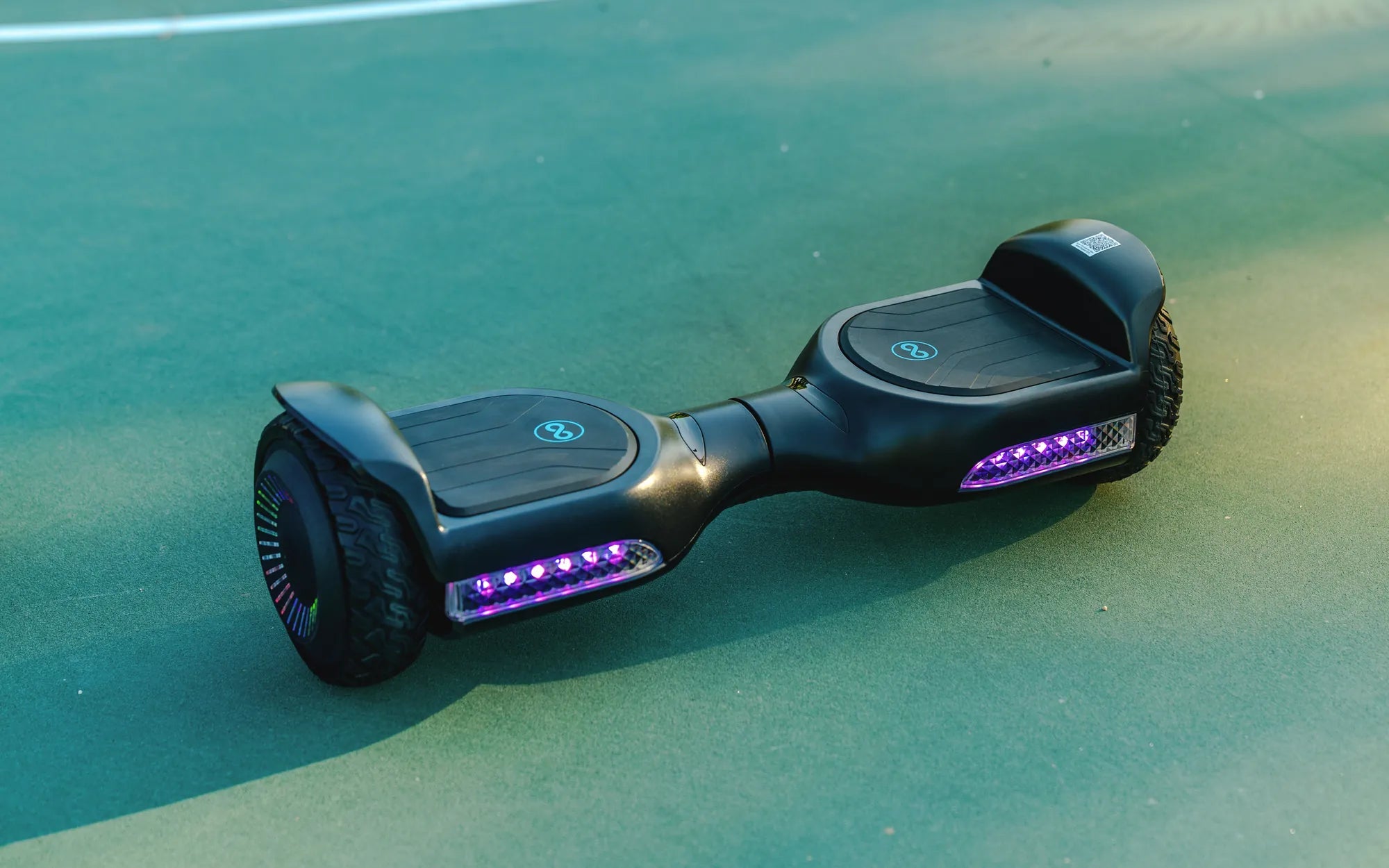
Imagine gliding effortlessly down the street, turning heads as you zip past pedestrians with the grace of a futuristic commuter. This isn't science fiction - it's the reality of hoverboards, the self-balancing electric scooters that have taken the world by storm. Whether you're a tech enthusiast, a curious parent, or someone looking for a fun way to get around, understanding hoverboards is your first step toward joining this exciting transportation revolution.
The Fascinating Technology Behind Hoverboards
At their core, hoverboards are marvels of modern engineering that combine gyroscopic technology with electric power. These self-balancing scooters use sophisticated sensors to detect subtle shifts in the rider's weight, translating these movements into precise directional commands. Two motorized wheels work in harmony to maintain balance and propel the rider forward, backward, or in smooth turns.
The magic happens through a combination of:
- Gyroscopic sensors that detect tilt and orientation
- Microprocessors that process movement data in real-time
- Electric motors that adjust wheel speed independently
- Lithium-ion batteries that provide portable power
A Brief History of Personal Electric Transport
While hoverboards seem like a product of the 21st century, the concept of self-balancing personal transport has roots stretching back decades. Early prototypes emerged in the 1990s, but it wasn't until advances in sensor technology and battery efficiency that practical models became possible. The modern hoverboard as we know it first gained mainstream attention around 2013, quickly evolving from novelty item to legitimate transportation alternative.
Who Can Ride Hoverboards?
One of the most appealing aspects of hoverboards is their accessibility. While they require some practice to master, most people can learn to ride comfortably within an hour or two. Manufacturers typically recommend hoverboards for riders aged 8 and up, with weight limits usually between 44 and 220 pounds depending on the model. The key requirements are:
- Basic balance and coordination
- Ability to follow safety instructions
- Proper protective gear
Safety First: Essential Hoverboard Precautions
As with any wheeled transport device, hoverboards come with certain risks that riders should understand. Following basic safety guidelines can prevent most accidents and ensure enjoyable riding experiences:
- Always wear a helmet and protective pads when learning
- Start in open, flat areas away from traffic
- Check battery condition regularly and use proper chargers
- Avoid riding in wet conditions or on uneven surfaces
- Be aware of local regulations regarding hoverboard use
The Many Benefits of Hoverboard Transportation
Beyond their obvious cool factor, hoverboards offer numerous practical advantages that explain their growing popularity:
- Eco-friendly alternative to gas-powered vehicles for short trips
- Compact size makes them ideal for urban commuting
- Fun way to exercise while improving balance and coordination
- Cost-effective compared to other personal electric vehicles
- Portable design allows for easy storage and transport
Hoverboards in Popular Culture
The cultural impact of hoverboards has been significant, appearing in movies, music videos, and social media challenges. While they don't actually hover like their fictional counterparts in Back to the Future Part II, real-world hoverboards have captured the public imagination in similar ways. Their presence in entertainment has helped drive innovation while making them aspirational gadgets for tech-savvy consumers.
Choosing the Right Hoverboard for Your Needs
With numerous models available, selecting the perfect hoverboard requires considering several factors:
- Intended use (recreation, commuting, or tricks)
- Terrain you'll primarily ride on
- Desired speed and range
- Weight capacity
- Safety certifications
- Budget considerations
The Future of Hoverboard Technology
As battery technology improves and smart features become more sophisticated, hoverboards continue evolving at a rapid pace. Future developments may include:
- Longer battery life and faster charging
- Improved safety features like collision avoidance
- Integration with smartphone apps for customization
- Lighter, more durable materials
- Advanced self-balancing algorithms
From their futuristic appeal to their practical transportation benefits, hoverboards represent an exciting intersection of technology and personal mobility. Whether you're looking for a fun way to get around campus, a compact commuter solution, or just want to experience the thrill of gliding effortlessly, these self-balancing wonders offer something for everyone. The hoverboard revolution is here - are you ready to join it?
Are Hoverboards Real Yet? The Future of Personal Transportation
How Safe Are Hoverboards: A Comprehensive Guide to Risks and Safety Tips