



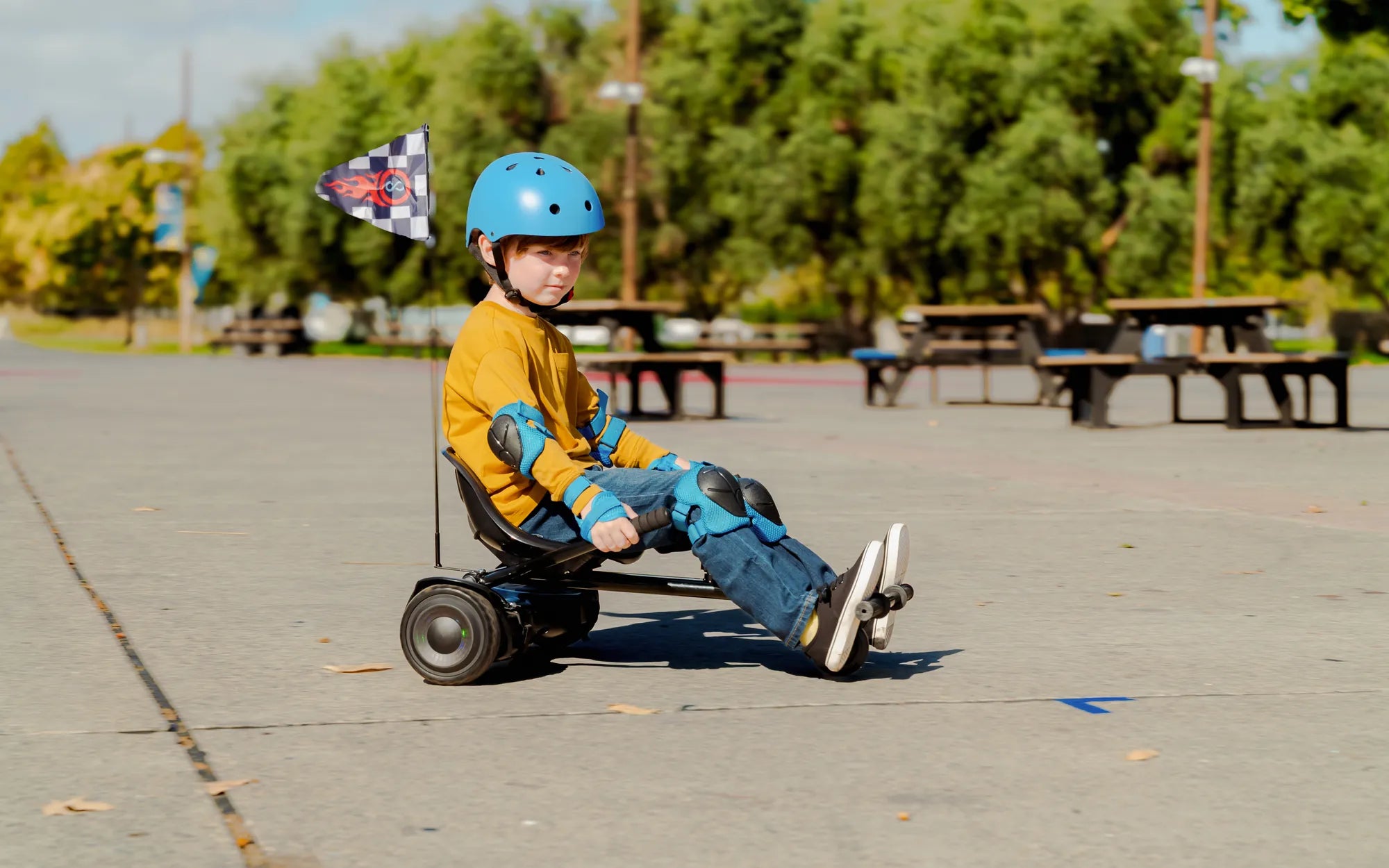
Hoverboards have taken the world by storm, captivating riders with their sleek design and futuristic appeal. But have you ever wondered how these self-balancing scooters are made? The process is a fascinating blend of engineering, technology, and precision manufacturing. Let’s dive into the step-by-step journey of how hoverboards are created, from raw materials to the finished product.
The Core Components of a Hoverboard
Every hoverboard consists of several key components that work together to deliver a smooth and safe riding experience. These include:
- Frame: The sturdy outer shell that houses all internal parts.
- Wheels: Typically made of rubber with built-in motors for propulsion.
- Battery Pack: Usually lithium-ion, providing the necessary power.
- Gyroscope and Sensors: Critical for balance and responsiveness.
- Control Board: The brain of the hoverboard, processing rider inputs.
- LED Lights and Display: For aesthetics and user feedback.
Step 1: Designing the Hoverboard
The manufacturing process begins with meticulous design. Engineers use advanced software to create 3D models, ensuring optimal weight distribution, ergonomics, and safety. The design phase also includes stress testing virtual prototypes to identify potential weaknesses before production begins.
Step 2: Material Selection and Frame Production
The frame is typically made from high-strength plastic or aluminum alloy, chosen for its durability and lightweight properties. Injection molding or CNC machining shapes the frame into its final form. Precision is key here, as even minor imperfections can affect performance.
Step 3: Assembling the Motor and Wheels
Each wheel contains an electric motor, often brushless for efficiency and longevity. The motors are integrated into the wheel hubs, which are then fitted with durable rubber tires. These components are rigorously tested to ensure they can handle varying terrains and weights.
Step 4: Installing the Battery and Electronics
The lithium-ion battery pack is carefully placed inside the frame, along with the control board and sensors. Wiring is meticulously routed to prevent interference and ensure reliable connectivity. The gyroscope and accelerometer are calibrated to detect even the slightest shifts in balance.
Step 5: Quality Control and Testing
Before a hoverboard leaves the factory, it undergoes extensive testing. Engineers check for proper balance, motor responsiveness, battery life, and overall safety. Any defects are addressed immediately to maintain high standards.
Step 6: Final Assembly and Packaging
Once all components pass inspection, the hoverboard is assembled, and finishing touches like LED lights and decals are added. The final product is then packaged securely, ready to be shipped to retailers or customers.
The Future of Hoverboard Manufacturing
As technology advances, hoverboard production is becoming more efficient and sustainable. Innovations like solid-state batteries and AI-driven balance systems are set to revolutionize the industry, making hoverboards even safer and more accessible.
From cutting-edge design to rigorous testing, the process of making hoverboards is a testament to modern engineering. Whether you’re a tech enthusiast or a casual rider, understanding how these devices are built adds a new layer of appreciation for their ingenuity.
Are Hoverboards Safe for 10 Year Olds? A Parent's Guide to Safety and Fun
Hoverboards for 12 Year Olds: The Ultimate Guide to Fun and Safety